
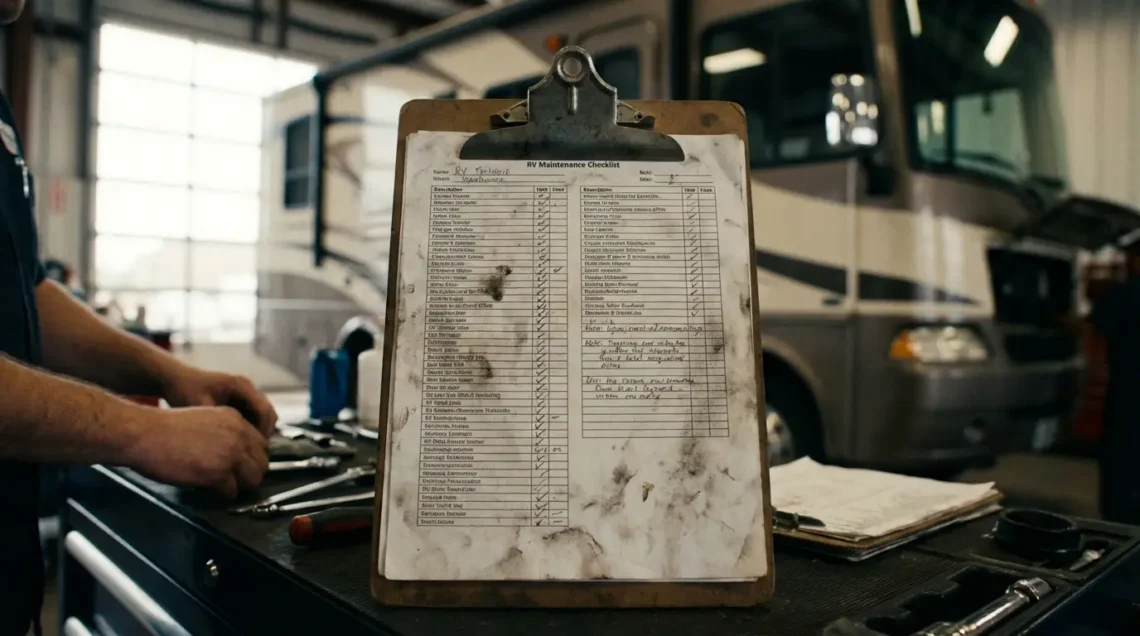
Keeping your RV in peak condition requires more than just occasional attention. Regular RV maintenance prevents costly breakdowns and ensures your home-on-wheels remains safe and reliable for years of adventure. However, many RV owners struggle to remember which tasks need attention and when. A systematic approach to maintenance can mean the difference between carefree travel and roadside emergencies.
The most effective way to maintain your recreational vehicle is following both monthly and seasonal inspection routines. Monthly checks focus on systems you use regularly, while seasonal maintenance addresses components that require less frequent attention but remain critical for safe operation. This comprehensive checklist will guide you through every essential task, helping you catch problems early and extend your vehicle’s lifespan.
Monthly Exterior Checks
Starting with the outside of your vehicle establishes the foundation for thorough maintenance. Walking around your recreational vehicle each month helps you spot developing issues before they become expensive repairs. Moreover, these exterior inspections take less than 30 minutes but provide invaluable peace of mind.
Tire Inspection and Pressure
Tires represent one of the most critical safety components on your vehicle. Check tire pressure when tires are cold, before driving. Use a quality tire pressure gauge to verify each tire meets the manufacturer’s recommended PSI, typically found on a placard inside the driver’s door or in your owner’s manual. Additionally, inspect sidewalls for cracks, bulges, or weathering that indicates tire age.
Tread depth also requires monthly attention. Use a tread depth gauge or the penny test to ensure adequate traction remains. Uneven wear patterns often signal alignment issues or improper inflation, problems you should address immediately to prevent premature tire failure.
Roof and Seal Inspection
Water damage causes more RV problems than almost any other issue. Climb onto your roof monthly to inspect seams, vents, air conditioner gaskets, and antenna mounts. Look for cracks, gaps, or deteriorating sealant that could allow water intrusion. Even small leaks can lead to significant structural damage over time.
Clean your roof during these inspections to remove debris that might trap moisture. Use products specifically designed for RV roofing materials, as household cleaners can damage rubber or fiberglass membranes. Furthermore, reapply sealant to any questionable areas immediately rather than waiting for visible leaks.
Slide-Out Mechanisms
If your vehicle features slide-outs, monthly lubrication prevents binding and premature wear. Clean slide-out mechanisms with a soft brush to remove dirt and grime, then apply appropriate lubricant to gears, rails, and seals. Check rubber seals for tears or separation that could allow drafts or water penetration.
Operate slide-outs fully in and out during each inspection. Listen for unusual noises or observe binding that might indicate alignment problems. Addressing these issues promptly prevents damage to motors and mechanical components.
Monthly Interior Systems Inspection
Interior systems keep your recreational vehicle comfortable and functional. Regular monthly checks ensure appliances, plumbing, and electrical components work reliably. Consequently, you avoid unpleasant surprises during trips when repairs become more difficult and expensive.
Plumbing System Check
Examine all visible plumbing connections for leaks or moisture. Look under sinks, behind the toilet, and around the water heater. Run water through every faucet and drain to verify proper flow and drainage. Slow drains often indicate developing clogs that are easier to clear before they become complete blockages.
Test your water pump by turning it on and listening for smooth, consistent operation. Unusual noise or cycling might signal air in the lines or a failing pump. Additionally, check your fresh water tank fill and drain valves to ensure they seal properly and operate smoothly.
Appliance Function Tests
Run each appliance briefly to confirm proper operation. Test your refrigerator on both electric and propane modes, verifying that it reaches appropriate temperatures. Check the furnace, air conditioner, and water heater through complete cycles. These brief tests help identify issues before you depend on these systems during a trip.
Inspect range burners and the oven for proper ignition and flame color. Blue flames indicate proper combustion, while yellow or orange flames suggest adjustment needs. Clean burner ports regularly to maintain efficient operation and prevent dangerous carbon monoxide buildup. For more tips on keeping your kitchen equipment in top shape, see our guide to essential kitchen gadgets for RVs.
Battery and Electrical System
Check battery water levels monthly if you have flooded lead-acid batteries. Add distilled water as needed to maintain proper levels. Clean battery terminals and connections to prevent corrosion that impedes electrical flow. Test battery voltage with a multimeter; readings below 12.4 volts indicate a need for charging.
Inspect electrical connections throughout your vehicle for signs of overheating, such as discolored or melted plastic. Test all outlets, lights, and switches to ensure proper function. Replace any burned-out bulbs promptly to maintain visibility and safety.
Monthly Safety Equipment Review
Safety equipment protects you and your passengers from emergencies. Monthly verification ensures these critical items remain functional when you need them most. Therefore, dedicate time each month to testing safety devices rather than simply checking for their presence.
Fire Extinguisher and Smoke Detectors
Verify your fire extinguisher maintains proper pressure by checking the gauge. Ensure the extinguisher remains easily accessible and hasn’t suffered damage. Replace any extinguisher that shows low pressure or corrosion. Test smoke and carbon monoxide detectors using their test buttons, replacing batteries annually or as needed.
The National Fire Protection Association recommends replacing smoke detectors every ten years. Mark installation dates on detectors to track their age and ensure timely replacement.
Emergency Supplies and First Aid
Review your emergency kit contents monthly. Check expiration dates on medications, food items, and water supplies. Ensure flashlights work and batteries remain fresh. Replace any used or expired items immediately to maintain kit readiness.
Update your first aid supplies based on changing family needs or upcoming travel destinations. Include any prescription medications, and consider adding items specific to activities you’ll pursue during trips. Before embarking on your travels, review our first RV trip checklist to ensure you’re fully prepared.
Spring Maintenance Tasks
Spring awakens your vehicle from winter storage and prepares it for active camping season. This seasonal maintenance addresses systems affected by months of inactivity. Furthermore, spring represents the ideal time for comprehensive servicing before embarking on extended trips.
De-Winterization Process
Begin by flushing antifreeze from your water system. Run fresh water through all faucets, the toilet, and outside shower until the pink antifreeze completely clears. Sanitize your fresh water system by adding a bleach solution (one-quarter cup bleach per 15 gallons of tank capacity), filling the tank, running solution through all fixtures, and letting it sit for 12 hours before flushing thoroughly.
Reinstall water filters you removed during winterization. Replace filter cartridges if they’ve reached their service life. Check the water heater by removing the drain plug, flushing sediment, and inspecting the anode rod for corrosion. Replace the anode rod if it’s significantly deteriorated.
Exterior Washing and Waxing
Give your vehicle a thorough washing to remove winter grime and inspect the exterior closely. Use RV-specific cleaning products that won’t damage decals or specialized surfaces. Pay special attention to areas where road salt accumulated during winter months.
Apply a quality wax to fiberglass surfaces to protect against UV damage and oxidation. This protective layer also makes future cleaning easier. Clean and treat rubber seals with appropriate conditioners to prevent drying and cracking during summer heat.
Mechanical Systems Service
Change engine oil and filter if you haven’t serviced them recently. Spring represents an excellent time for this maintenance before summer travel season. Similarly, check all fluid levels including transmission, brake, power steering, and coolant. Top off or replace fluids as needed based on condition and service intervals.
Inspect belts and hoses for wear, cracks, or softening. Replace any questionable components now rather than risking failure during a trip. Check your generator oil and filter, replacing them according to manufacturer recommendations. Run the generator under load for at least an hour to ensure reliable operation.
Summer Maintenance Tasks
Summer places unique demands on your recreational vehicle as you likely use it most heavily during warm months. Heat and extended operation stress various systems that require seasonal attention. Therefore, mid-summer checks help prevent breakdowns during peak travel season.
Air Conditioning System
Clean or replace air conditioning filters to maintain efficient cooling. Remove the filter cover inside your vehicle, wash reusable filters with mild soap and water, or install new disposable filters. Additionally, clean the exterior fins on your roof-mounted unit to improve airflow and cooling capacity.
Check refrigerant levels if your unit includes service ports. Low refrigerant might indicate a leak requiring professional attention. Ensure all mounting bolts remain tight, as vibration during travel can loosen hardware over time.
Awning and Exterior Accessories
Inspect your awning fabric for tears, mildew, or worn spots. Clean the fabric with appropriate cleaners to remove tree sap, bird droppings, and general dirt. Lubricate awning arms and check that all hardware remains tight. Never leave your awning extended during windy conditions, as damage can occur rapidly.
Check exterior lights, including clearance lights, brake lights, and turn signals. Replace any burned-out bulbs and verify proper function. Clean light lenses to improve visibility and safety.
Cooling System Inspection
Summer heat stresses your engine’s cooling system significantly. Check coolant levels and condition, looking for discoloration or contamination. Inspect radiator hoses for swelling, cracks, or soft spots that indicate imminent failure. Squeeze hoses when the engine is cold; they should feel firm and springy.
Examine the radiator for bent fins or debris blocking airflow. Clean carefully with a soft brush and low-pressure water to restore cooling efficiency. Test the radiator cap to ensure it maintains proper pressure, replacing it if the seal appears deteriorated.
Fall and Winterization Procedures
Proper winterization protects your investment during cold months when freezing temperatures threaten plumbing systems and components. This seasonal maintenance prevents damage that could sideline your vehicle when spring arrives. In practice, thorough winterization saves thousands of dollars in potential repairs.
Water System Winterization
Drain all water from your fresh water tank, gray tank, and black tank. Open all faucets and the lowest drain point to remove water from supply lines. Bypass your water heater, then use compressed air or RV antifreeze to protect lines from freezing. Pump non-toxic RV antifreeze through the system until pink fluid flows from every faucet.
Pour antifreeze down each drain and the toilet to protect p-traps and holding tanks. Don’t forget the outside shower and any ice maker supply lines. Remove and store water filters to prevent freezing damage. These steps align with recommendations in our detailed guide on annual RV maintenance tasks.
Propane System Preparation
Turn off propane at the tank and verify all appliances are off. Some owners prefer leaving propane on to run the furnace if storing in cold climates, but this requires careful consideration of safety factors. Check that your propane detector functions properly before winter storage begins.
Inspect propane lines for damage or wear. Schedule professional leak testing if you notice any issues or if lines haven’t been tested recently. Ensure tank valves close completely and seals remain intact.
Battery Maintenance and Storage
Fully charge batteries before storage. Disconnect batteries or use a battery disconnect switch to prevent parasitic drain from smoke detectors and other devices. For extended storage, remove batteries and store them in a climate-controlled location, maintaining a charge every 30 days.
Clean battery terminals and apply a protective coating to prevent corrosion during storage. Check battery water levels one final time before storing. Batteries stored in freezing temperatures while discharged can freeze and crack, resulting in permanent damage.
Exterior Protection Measures
Cover your recreational vehicle with a breathable cover designed for long-term storage. Avoid tarps that trap moisture and promote mildew growth. If covering isn’t practical, park in a location that minimizes sun exposure and weather impact. Apply tire covers to protect against UV damage and ozone cracking.
Place moisture absorbers inside cabinets and storage areas to combat humidity. Slightly open cabinet doors and drawers to promote air circulation. Leave roof vents cracked open using vent covers to prevent moisture buildup while keeping rain out. Consider pest prevention measures, such as steel wool in potential entry points, to discourage rodent intrusion.
Maintenance Record Keeping
Documenting maintenance activities provides valuable information for troubleshooting and resale value. Create a logbook or digital file tracking every service, repair, and inspection. Include dates, mileage, parts used, and costs incurred. This organized approach helps identify patterns and schedule future maintenance accurately.
Keep receipts for all parts and services in a dedicated folder. These records prove proper maintenance if warranty claims arise. Additionally, comprehensive maintenance documentation significantly increases resale value by demonstrating responsible ownership. If you’re considering the financial aspects of RV ownership, our analysis of renting versus owning provides useful perspective.
Photograph any repairs or modifications you complete. Visual records help you remember procedures for future reference and provide evidence of work quality. Store digital photos in cloud storage for easy access and backup protection.
Review your maintenance schedule quarterly to adjust timing based on actual usage patterns. Heavy use requires more frequent service intervals, while light use might allow extending some maintenance tasks. However, never exceed manufacturer recommendations, as doing so might void warranties or compromise safety. For specific seasonal guidance, consult our comprehensive maintenance checklist for worry-free travel.
Following this structured maintenance approach transforms overwhelming responsibilities into manageable routines. Monthly checks catch developing problems early, while seasonal maintenance addresses systems requiring less frequent attention. The investment of time in preventive maintenance pays dividends through reliable operation, extended component life, and greater resale value. Start implementing these procedures immediately, and you’ll enjoy years of trouble-free adventures in your well-maintained recreational vehicle. If you have questions about specific maintenance procedures or need personalized guidance, feel free to reach out to our team for additional support.


9 Comments on “RV Maintenance Checklist: Essential Tips for RV Slide Out Repair & More”