
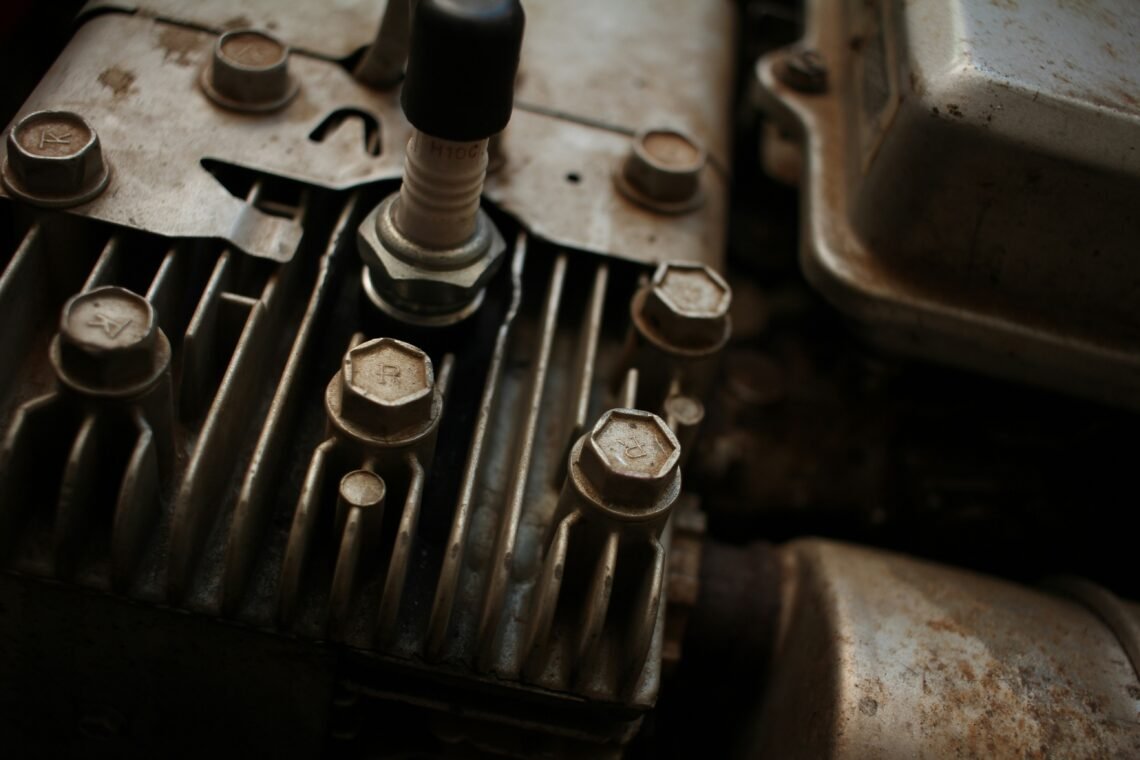
Essential RV Generator Repair & Maintenance Guide is here to give you tips when your RV’s generator decides to take an unscheduled break, it can throw a wrench into your travel plans. The good news is that many common generator issues can be tackled with a bit of know-how and some basic tools. Regular maintenance is your best defense against unexpected headaches on the road, but when something does go wrong, understanding some fundamental repair tips can save you time, money, and a lot of frustration.
Table of Contents
Keeping Your Generator Humming: Essential Maintenance
Think of generator maintenance like regular oil changes for your car. It’s not the most exciting task, but it’s absolutely critical for longevity and reliable performance. Skipping these steps is a fast track to bigger, more expensive problems down the line.
The Importance of Regular Oil Changes
This is probably the most frequently recommended maintenance task, and for good reason.
Frequency and Best Practices
Aim to change your generator’s oil every 100 hours of operation. Before draining, warm up the generator for a few minutes. This helps the oil flow more easily and ensures you drain out as much of the old, contaminated oil as possible. If your generator has an oil filter, replace it at the same time. A tip for making the new filter’s installation smoother is to pre-fill it with a bit of fresh oil before screwing it on. This helps the oil pressure build up faster on startup, reducing wear. After refilling with the correct type and weight of oil specified in your generator’s manual, run the generator for a short period to check for any leaks around the drain plug or filter.
Air Filter: The Generator’s Lungs
The air filter is responsible for keeping dirt and debris out of your generator’s engine. A clogged filter means the engine struggles to breathe, impacting performance and potentially causing damage.
When to Swap It Out
Plan on replacing your air filter every 300 hours of operation or at least once a year, whichever comes first. Even if you aren’t hitting the 300-hour mark annually, the filter can degrade or become saturated with moisture and fine particles over time.
Fuel System Care: The Lifeblood of Your Generator
A clean fuel system is vital for consistent power delivery. Old fuel or clogged filters can lead to sputtering, power loss, and starting problems.
Fuel Filter and Screen Servicing
Your generator’s fuel filter (or screen, depending on the model) should be addressed every 500 hours of operation or annually. Keeping your fuel supply clean and free from contaminants is a proactive measure. Using high-quality fuel and ensuring fuel caps are tightened properly helps prevent moisture and debris from entering the tank.
Spark Plug Health
The spark plug is responsible for igniting the fuel-air mixture in your engine. A fouled or worn spark plug can lead to misfires and reduced power.
Inspection and Replacement Schedule
Inspect or replace your spark plug every 500 hours or annually. It’s a relatively inexpensive part, and a fresh spark plug can often make a noticeable difference in how smoothly your generator runs.
Troubleshooting Common Generator Problems
Even with the best maintenance, hiccups can happen. Knowing where to start troubleshooting can save you from calling for expensive mobile repairs.
The Generator Won’t Start: First Steps
This is the most common and frustrating issue. Before diving deep, check the basics.
Battery Voltage and Connections
First, check your battery voltage. It should be a healthy 12 volts or slightly higher. If it’s low, charging the battery might solve the problem. Next, inspect the battery terminals. Corroded terminals are a frequent culprit, preventing proper electrical flow. Clean them thoroughly with a wire brush and a baking soda/water solution. Ensure all connections are snug and secure. Loose wires can cause intermittent issues or prevent the generator from cranking altogether.
Fuel Supply and Primer Issues
Is there fuel in the tank? It sounds obvious, but it’s easy to overlook. Also, ensure the fuel valve is open. If your generator has a primer bulb, check if it feels firm after priming. A soft primer bulb might indicate a fuel line issue or a problem with the fuel pump.
Ignition Switch and Wiring
If the battery and fuel seem okay, the issue might lie with the ignition switch or the wiring leading to it. Inspect the switch for any visible damage and ensure the wires are firmly connected. Sometimes, a faulty ignition switch simply needs to be replaced.
Power Output is Low or Fluctuating
You’re getting power, but it’s not what it should be. This can be due to a few different factors.
Automatic Voltage Regulation (AVR) Checks
Your generator uses an Automatic Voltage Regulator (AVR) to keep the output voltage stable. If the AVR is malfunctioning, the voltage can be too low, too high, or fluctuate. Some generators allow for external voltage regulation adjustments. Consult your manual to see if this is an option and how to proceed, but be cautious when making adjustments. If you suspect the AVR is faulty, it’s often a component that needs professional diagnosis and replacement.
Balancing Your Loads
Having an unbalanced load on the generator can cause output issues. Try to distribute the power draw evenly across the different outlets. If you have a particularly heavy appliance, try to run it when other major power draws are off.
Generator Stops Abruptly
Sudden shutdowns can be alarming. Often, this is a protective mechanism.
Overload Protection
Most generators have an overload protection system that shuts the unit down if it’s trying to supply more power than it’s designed for. Reduce the number of appliances you’re running and try restarting.
Fuel Starvation
While it seems related to starting issues, fuel starvation can also happen mid-operation if the fuel filter is partially clogged or there’s an issue with the fuel pump’s ability to keep up with demand.
Essential RV Generator Repair Keeping Things Running Smoothly: Monthly Load Testing
This is a simple habit that pays significant dividends, especially if your RV isn’t used year-round.
Why Monthly Load Testing is Crucial
Allowing a generator to sit for extended periods without running under load can lead to several problems.
Burning Off Moisture and Circulating Fuel
No matter how well-sealed your fuel tank is, some moisture can condense inside. Running the generator under a load for about 30 minutes helps to burn off this moisture. It also circulates fresh fuel throughout the system, preventing it from becoming stale and gumming up the carburetor or fuel injectors.
Preventing Carburetor Issues
Carburetors, in particular, are susceptible to issues from stale fuel and moisture. Gumming and varnish can build up, leading to starting problems and poor running conditions. Regular load testing keeps the fuel moving and the internal components cleaner. Aim for at least half load during these tests for maximum benefit.
General Checks You Can Do Anytime
These are quick visual inspections that can catch minor issues before they escalate.
Securing Mounts and Connections
Take a moment to ensure your generator is securely mounted. Loose bolts can lead to vibration damage and stress on connections.
Visual Inspection of Electrical Connections
Periodically, visually inspect all electrical connections, both on the generator itself and where you connect your RV’s shore power. Look for any signs of corrosion, fraying, or loose wires.
Battery Terminal Health
As mentioned before, a quick check of battery terminals for corrosion or looseness is always a good idea, especially if it’s been a while since the last use.
Inspecting Wear and Tear
If your generator is older, or you notice any unusual noises or vibrations, a quick look at certain components can be informative.
Points and Gaps (if applicable)
Some older generators utilize ignition points. If yours does, inspect them for signs of wear or pitting. You’ll also want to check and adjust the gap according to your generator’s specifications. Modern generators typically have electronic ignition, eliminating this maintenance step.
When to Call in the Professionals
There are times when DIY is great, and there are times when it’s best to let an expert handle it.
Complex Internal Engine Issues
If you suspect a problem with the internal engine components, such as significant loss of compression, internal knocking sounds, or oil leaks that aren’t from a simple seal, it’s time to seek professional help. These issues often require specialized tools and a deeper understanding of engine mechanics.
Ignition Timing Adjustments
Adjusting ignition timing can be a delicate process. If your generator is running rough and you suspect the timing is off, it’s often best left to a qualified technician. Incorrect timing adjustments can lead to poor performance or even engine damage.
Specialized Diagnostic Tools
Modern generators often have sophisticated electronic control systems. Troubleshooting these systems may require specialized diagnostic tools that aren’t commonly found in a home mechanic’s toolbox.
Scheduled Professional Service
Consider scheduling professional service for your generator at least annually, especially if it’s a larger, more complex unit. A technician can perform a thorough inspection, identify potential problems you might miss, and handle any tasks that require specialized knowledge or equipment.
By incorporating these practical tips into your RV maintenance routine, you can significantly increase your chances of having a reliable power source wherever your travels take you. A little preventative care goes a very long way.



4 Comments on “Essential RV Generator Repair & Maintenance Guide for Hassle-Free Trips”