Thinking about your first RV trip? Exciting! The good news is that with a little bit of planning, it’s absolutely manageable. Think of this guide as your friendly co-pilot, helping you get everything sorted so you can relax and enjoy the adventure. We’ll break it down step-by-step, focusing on what you actually need to do and bring.
This is where the real magic happens, long before you hook up the water hose. It’s about understanding your RV and your trip.
Table of Contents
Get Acquainted with Your RV
This is probably the most crucial step. Don’t just hop in and assume you know how everything works.
Walkthrough and Orientation
If you’re renting, schedule a thorough walkthrough with the rental company. Ask questions. Lots of questions. How does the fridge work? Where are the water tanks? How do you turn on the propane? How do you manage the grey and black water tanks? Don’t be shy – they expect this. If you own, but are new to it, do the same. Read the manuals. Seriously.
Practice Runs
If possible, try hooking up and unhooking utilities (water, electric, sewer) at home or a campground before your big trip. Drive the RV around your neighborhood or a local park. Get a feel for its size and turning radius. This is much less stressful than learning on the fly during your first adventure.
Basic Maintenance Check (If You Own the RV)
Just a quick once-over. Are the tires properly inflated? Are the fluids topped up? Do the lights work? Nothing fancy, just a basic safety check. If you’re unsure, a quick visit to an RV mechanic for a pre-trip inspection is a good idea.
Planning Your Destination and Route
Where you’re going and how you’ll get there impacts what you need to pack.
Choose Your Destination Wisely
For your first trip, consider a shorter, closer destination. A weekend getaway to a state park or a familiar campground is ideal. This allows you to test things out without the pressure of a long journey.
Research Campgrounds
Look for campgrounds that are RV-friendly and offer the amenities you need. Do they have full hookups (water, electric, sewer)? What’s the site like? Read reviews. Some campgrounds are better suited for beginners than others.
Plan Your Route (and Backups)
Map out your route, but also have a backup plan. What if there’s road construction? What if a campground is full? Knowing some alternatives will save you a lot of stress. Consider RV-specific GPS apps or websites that show RV height and weight restrictions.
If you’re planning your first RV trip, having a comprehensive checklist is essential to ensure a smooth journey. To further enhance your experience, you might find it helpful to read about the lifestyle that comes with RV living. Check out this insightful article on embracing the motor home lifestyle, which provides valuable tips and personal anecdotes that can enrich your travels. For more information, visit this article.
Essential RV Systems: Understanding the Plumbing and Power
This is where many first-timers get a little overwhelmed, but it’s manageable once you break it down.
Water Systems: Fresh, Grey, and Black
Understanding these is key to not having a bad time.
Fresh Water Tank
This is your onboard supply of clean drinking water. You’ll need a fresh water hose (usually a blue one) to fill it. Know where the fill port is and how to operate the pump that sends water to your faucets and shower.
Grey Water Tank
This collects water from your sinks and shower. It’s not technically “dirty” water, but it’s not for drinking. You’ll need to find approved dump stations to empty it.
Black Water Tank
This is for toilet waste. It requires specific treatments to break down waste and control odors. Again, you’ll need to find a dump station for this. Never mix grey and black water.
Hookups vs. Dry Camping
Decide if you’ll be using campground hookups (power, water, sewer) or “dry camping” (boondocking) where you rely on your RV’s tanks and power sources. For a first trip, full hookups are highly recommended.
Power: Electric and Propane
How you’ll keep the lights on and the fridge cool.
Shore Power
This is the electricity you get from plugging into your campsite’s power pedestal. You’ll need an RV power cord (different types exist, check your RV’s input).
Generator (Optional but Useful)
If you plan to dry camp or might need backup power, a generator can be a lifesaver. Knowing how to start and operate it safely is important.
Propane
Propane powers your refrigerator (when not on electric or shore power), stove, oven, water heater, and sometimes your furnace. Make sure your propane tanks are full and know how to turn the gas on and off.
Essential RV Supplies: What to Bring in Your Rolling Home
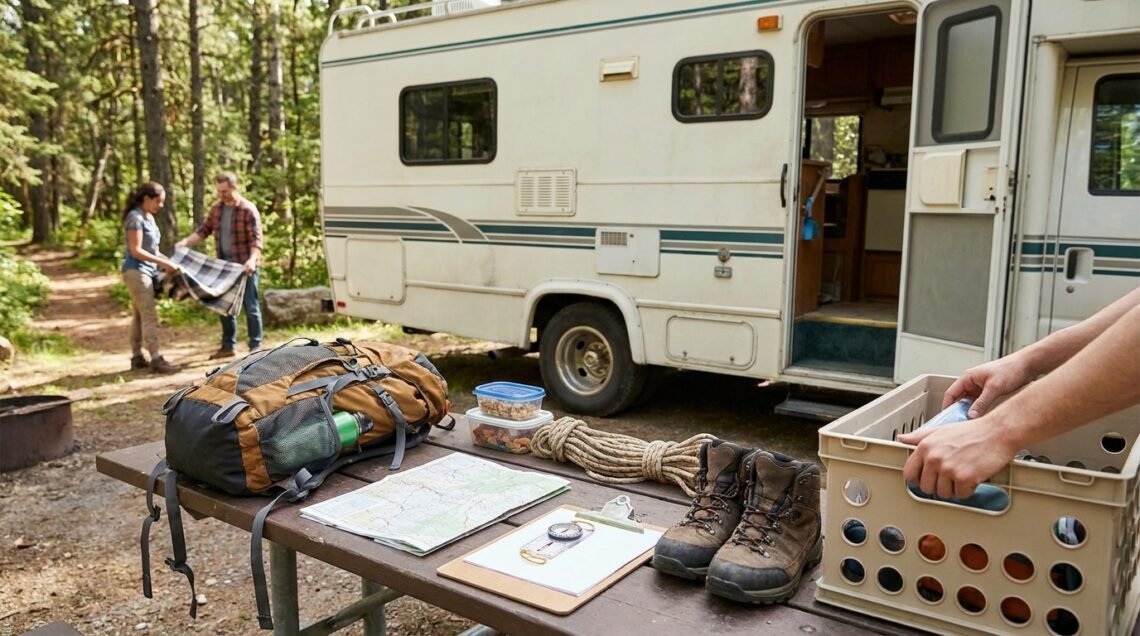
This is the packing list, but with a practical RV twist.
Kitchen Essentials: More Than Just Pots and Pans
Think about how you’ll cook and eat.
Cookware and Utensils
Bring a few pots and pans, spatulas, spoons, knives, and cutting boards. Opt for lightweight, durable items.
Dishes and Cutlery
You don’t need fine china. Sturdy melamine dishes or similar are a good choice for RVs. Don’t forget plates, bowls, cups, and cutlery for everyone.
Food Storage
Containers for leftovers are a must. Ziploc bags, Tupperware, or reusable silicone bags work well.
Cleaning Supplies
Dish soap, sponges, dish towels, paper towels, and a small trash can with bags are essential for keeping things clean.
Pantry Staples
Think about easy-to-prepare meals and essential pantry items like cooking oil, salt, pepper, coffee, tea, and any must-have spices. Don’t overpack food, but bring enough for your planned meals.
Bathroom Necessities: Beyond Just Toiletries
Think about the unique needs of an RV bathroom.
Toilet Paper (RV Specific!)
This is non-negotiable. Regular toilet paper can clog your black water tank. Buy RV-specific, quick-dissolving toilet paper.
RV Toilet Chemicals
These help break down waste and control odors in your black water tank. Follow the instructions carefully.
Towels and Linens
Bring bath towels, hand towels, and perhaps a small beach towel. Most RVs have beds, so bring sheets, blankets, and pillows for all sleeping occupants.
Personal Toiletries
Your usual toothbrush, toothpaste, soap, shampoo, etc., but consider travel-sized versions to save space.
General Comfort and Convenience Items
These are the things that make RV life feel more like home.
Camp Chairs
Essential for sitting around the campfire or at your site.
Outdoor Mat
Helps keep dirt outside your RV.
Basic Tool Kit
A few screwdrivers, pliers, a hammer, some duct tape, and a wrench can solve a surprising number of small problems.
First-Aid Kit
A well-stocked first-aid kit is a must for any trip.
Extension Cords and Adapters
Useful for various power needs.
Water Pressure Regulator
If you are connecting to campground water, this is crucial to prevent damaging your RV’s plumbing from high water pressure.
Sewer Hose and Fittings
You’ll need a sewer hose to connect to the dump station and potentially to your RV at a full-hookup site. Ensure you have the right connectors and a way to secure it.
Wheel Chocks
To keep your RV stable once parked.
Leveling Blocks
To ensure your RV is level for comfortable living and proper appliance function.
RV Specific Gear: The “Must-Haves” for the Road
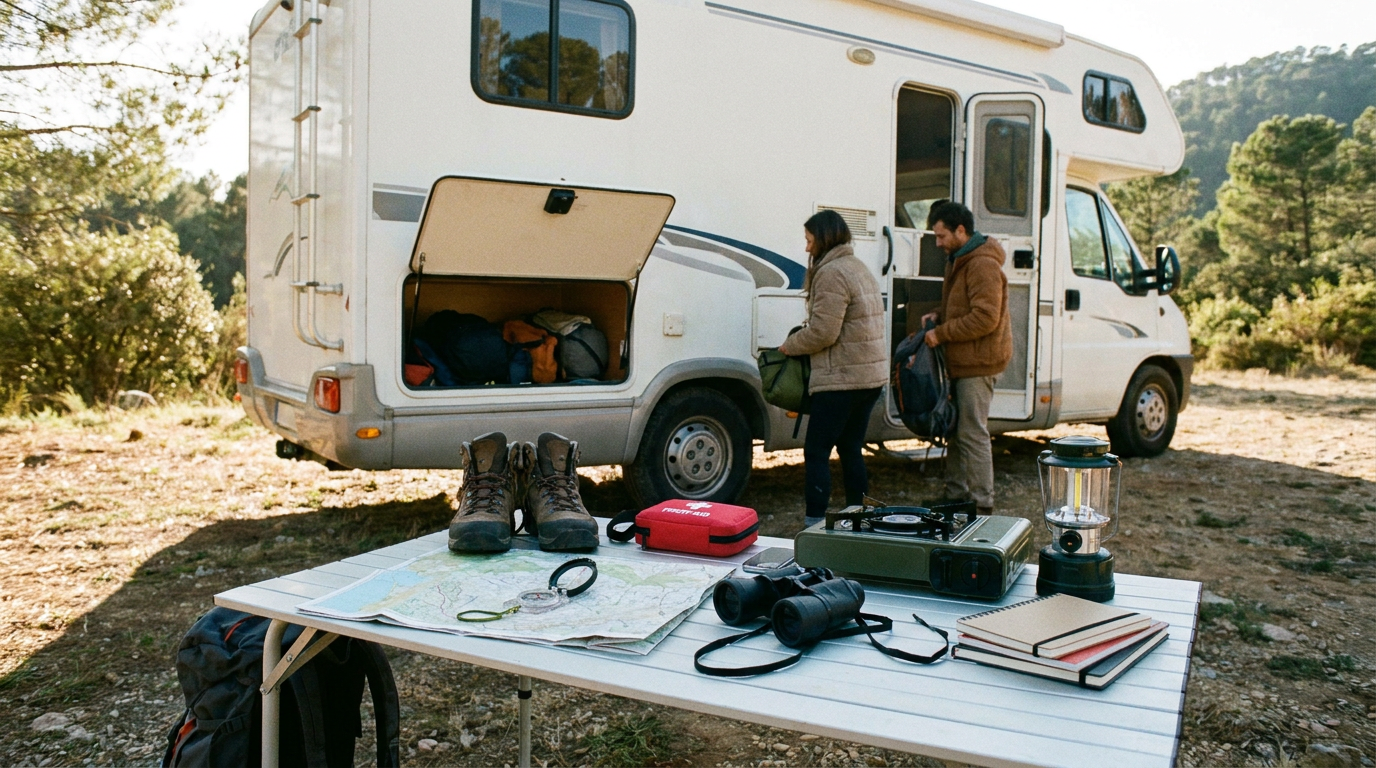
These are items directly related to operating and maintaining your RV.
Dealing with Water and Waste
This is where knowing your systems comes into play.
Fresh Water Hose
Dedicated hose for filling your fresh water tank. Often blue, and food-grade is ideal.
Sewer Hose Kit
As mentioned before, this is critical for dumping your tanks. Ensure you have a sturdy hose, clear elbow, and any necessary adapters.
Gloves (for Dumping)
It’s not glamorous, but disposable gloves are a good idea when dealing with sewer hookups.
Water Filter
You can attach this to your fresh water hose to improve the taste and quality of campground water.
Electrical and Propane Management
Staying powered and fueled up.
Power Cord and Adapters
Make sure you have the correct power cord for your RV and any adapters needed for different campground hookups (e.g., 30-amp vs. 50-amp).
Propane Level Indicator
Helps you know how much propane you have left.
Small Propane Tank (Optional)
For things like a portable propane grill if you plan to BBQ.
Tire and Wheel Care
Safety first!
Tire Pressure Gauge
Crucial for maintaining correct tire pressure, which affects fuel economy and safety.
Tire Irons or Lug Wrench
In case you need to change a tire (though hopefully you won’t!).
Spare Tire and Jack
Ensure your spare is in good condition and you know how to use your jack.
When planning your first RV trip, having a comprehensive checklist is essential for a smooth experience. To further enhance your preparation, you might find it helpful to explore a related article that offers valuable insights on essential RV maintenance tips. This information can ensure that your vehicle is in top shape before hitting the road. For more details, check out this informative piece on RV maintenance tips that can complement your First RV Trip Checklist.
Packing Smart for Your First RV Adventure
| Checklist Item | Description |
|---|---|
| RV Inspection | Check for any damages or issues with the RV |
| Fluid Levels | Check oil, coolant, and other fluid levels |
| Tire Pressure | Ensure tires are properly inflated |
| Propane Levels | Check propane tank levels |
| Emergency Kit | Ensure you have a stocked emergency kit |
| RV Supplies | Check for necessary supplies such as water, food, and toiletries |
| Route Planning | Plan your route and stops along the way |
| RV Hookups | Check for available hookups at your destination |
It’s not just about what you pack, but how you pack it.
Organization is Key
This saves you so much frustration.
Storage Containers
Use plastic bins or baskets to organize items by category (kitchen, bathroom, cleaning supplies, etc.). This makes it easy to find what you need.
Utilize Cabinet and Drawer Organizers
Small dividers can make a big difference in keeping things tidy.
Hanging Organizers for Closets
Can be great for extra storage space.
Essentials for the Drive
Things you’ll want to access while on the road.
“Day Bag” or Backpack
Pack essentials like medications, wallet, phone chargers, snacks, water bottles, and important documents.
Navigation Tools
GPS, maps, and any downloaded offline maps.
Entertainment
Books, music, games, or anything to keep occupants entertained during travel.
Safety and Emergency Gear
Be prepared for the unexpected.
Fire Extinguisher
Most RVs come with one, but ensure it’s accessible and charged.
Flashlights and Extra Batteries
Essential for nighttime.
Basic Emergency Kit
Rope, duct tape, and a multi-tool can be surprisingly useful.
Roadside Assistance Information
Keep contact details handy.
Important Documents
Driver’s license, insurance information, RV registration, and any reservation confirmations. Keep them in a safe, accessible place.
Remember, this isn’t about perfection. It’s about preparation. Your first RV trip is a learning experience. Don’t get so caught up in the checklist that you forget to enjoy the journey. Happy travels!
FAQs
What is an RV trip checklist?
An RV trip checklist is a comprehensive list of items and tasks that need to be completed before embarking on a recreational vehicle (RV) trip. It includes everything from essential supplies to safety checks and maintenance tasks.
Why is a first RV trip checklist important?
A first RV trip checklist is important because it helps ensure that you have everything you need for a successful and enjoyable trip. It also helps you identify any potential issues with your RV before hitting the road, ensuring a safe and stress-free journey.
What should be included in a first RV trip checklist?
A first RV trip checklist should include items such as RV maintenance checks, essential supplies (food, water, bedding, etc.), safety equipment (fire extinguisher, first aid kit, etc.), and any necessary paperwork (insurance, registration, etc.). It should also cover tasks like route planning and campground reservations.
How can I use a first RV trip checklist effectively?
To use a first RV trip checklist effectively, start by reviewing the entire list well in advance of your trip. Begin gathering and organizing the necessary items and completing any maintenance tasks. As you pack your RV, refer to the checklist to ensure that nothing is overlooked.
Where can I find a first RV trip checklist?
You can find a first RV trip checklist in a variety of places, including RV travel websites, RV owner’s manuals, and RV forums. Many RV enthusiasts also create and share their own checklists online. Additionally, you can create your own personalized checklist based on your specific needs and preferences.