
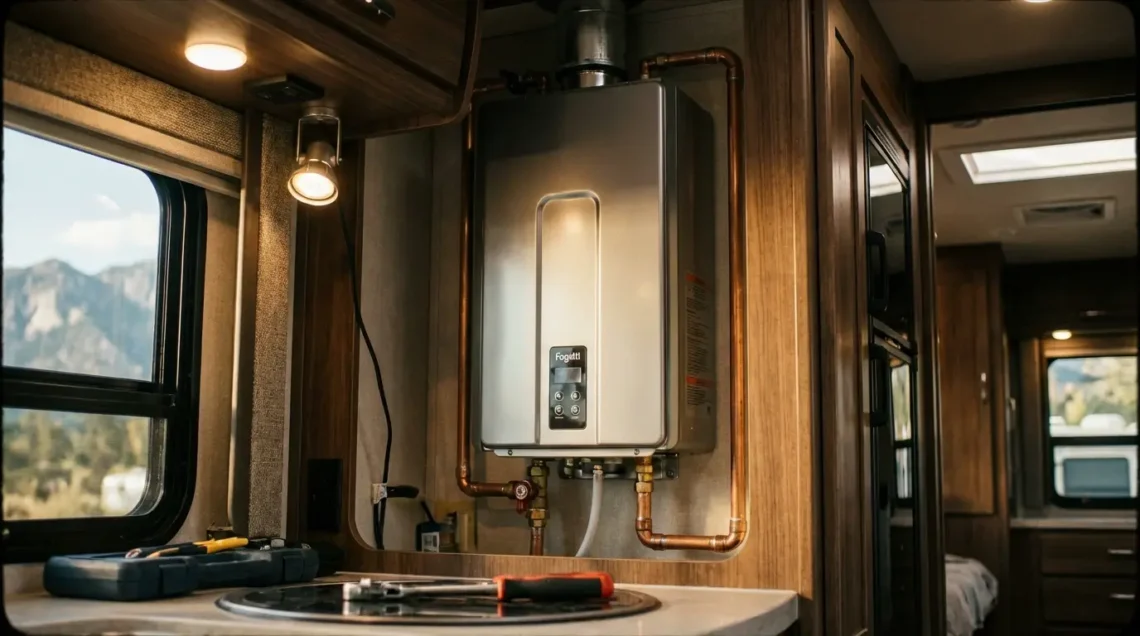
Finding the best RV tankless water heater requires understanding how these systems differ from traditional tank models and which options work best for various RV sizes and usage patterns. Tankless water heaters deliver hot water on demand, eliminating the need for storage tanks and freeing up valuable space in your RV. However, not all tankless systems are created equal, and choosing the wrong model can leave you with cold showers during peak usage or excessive power consumption.
The key difference between RV tankless water heaters comes down to fuel type, flow rate capacity, and power requirements. Propane-powered models offer consistent performance in remote locations, while electric options provide efficiency for campgrounds with shore power. Understanding these distinctions helps you select a system that matches your camping style, budget, and power availability. Most modern RV tankless heaters activate between 0.5 and 2.5 gallons per minute, which directly affects how many fixtures can run simultaneously.
Best RV Tankless Water Heater Propane vs. Electric
Propane-based RV tankless water heaters dominate the market because they function independently of shore power, making them ideal for boondocking and camping off-grid. These units draw propane from your RV’s main tank and typically require only a 12-volt DC connection for ignition and control systems. A typical propane unit heats water at rates between 1.5 and 2.5 gallons per minute, which handles showers and kitchen use comfortably. The main advantage is reliability in remote locations where electrical hookups don’t exist.
Electric tankless heaters deliver superior efficiency when you have access to shore power at campgrounds. They heat water instantaneously using 50-amp electrical service, which most modern RVs support. However, running a high-powered electric heater on a standard 30-amp connection requires careful load management. These units produce faster flow rates (up to 3 gallons per minute) compared to propane alternatives, and they generate no exhaust or combustion byproducts inside your rig.
The practical choice between propane and electric depends on your camping patterns. If you spend significant time at boondocking locations without electrical connections, propane is essential. Conversely, if you primarily stay at developed campgrounds with full hookups, electric provides better efficiency and faster heating. Hybrid systems exist but add complexity and cost.
Propane Model Advantages and Limitations
Propane tankless heaters excel in scenarios where independence matters most. They function in freezing temperatures (with proper winterization), consume minimal space, and operate silently without drawing electrical power. A single propane cylinder typically supplies enough fuel for weeks of regular use, depending on your water consumption habits.
Pros
- Works without shore power hookups
- Lower operational costs in remote areas
- Compact footprint saves interior space
- Fast ignition and heating response
- Proven reliability over decades
Cons
- Lower flow rates than electric units
- Requires venting through RV exterior
- Combustion exhaust handling needed
- Occasional ignition delays in cold weather
- Regular propane refilling required
Electric Model Advantages and Limitations
Electric tankless heaters deliver premium performance when shore power is available. These units activate instantly without lag and provide consistent temperatures regardless of incoming water temperature. Higher flow rates mean multiple hot water sources can run simultaneously without temperature drops.
Pros
- Higher flow rates (up to 3+ GPM)
- No venting or exhaust concerns
- Precise temperature control available
- Superior efficiency in campgrounds
- Silent operation without combustion
Cons
- Requires 50-amp shore power hookup
- Heavy electrical draw stresses battery banks
- Unusable in boondocking scenarios
- Higher upfront installation costs
- Limited usability with 30-amp service
Key Performance Metrics to Compare
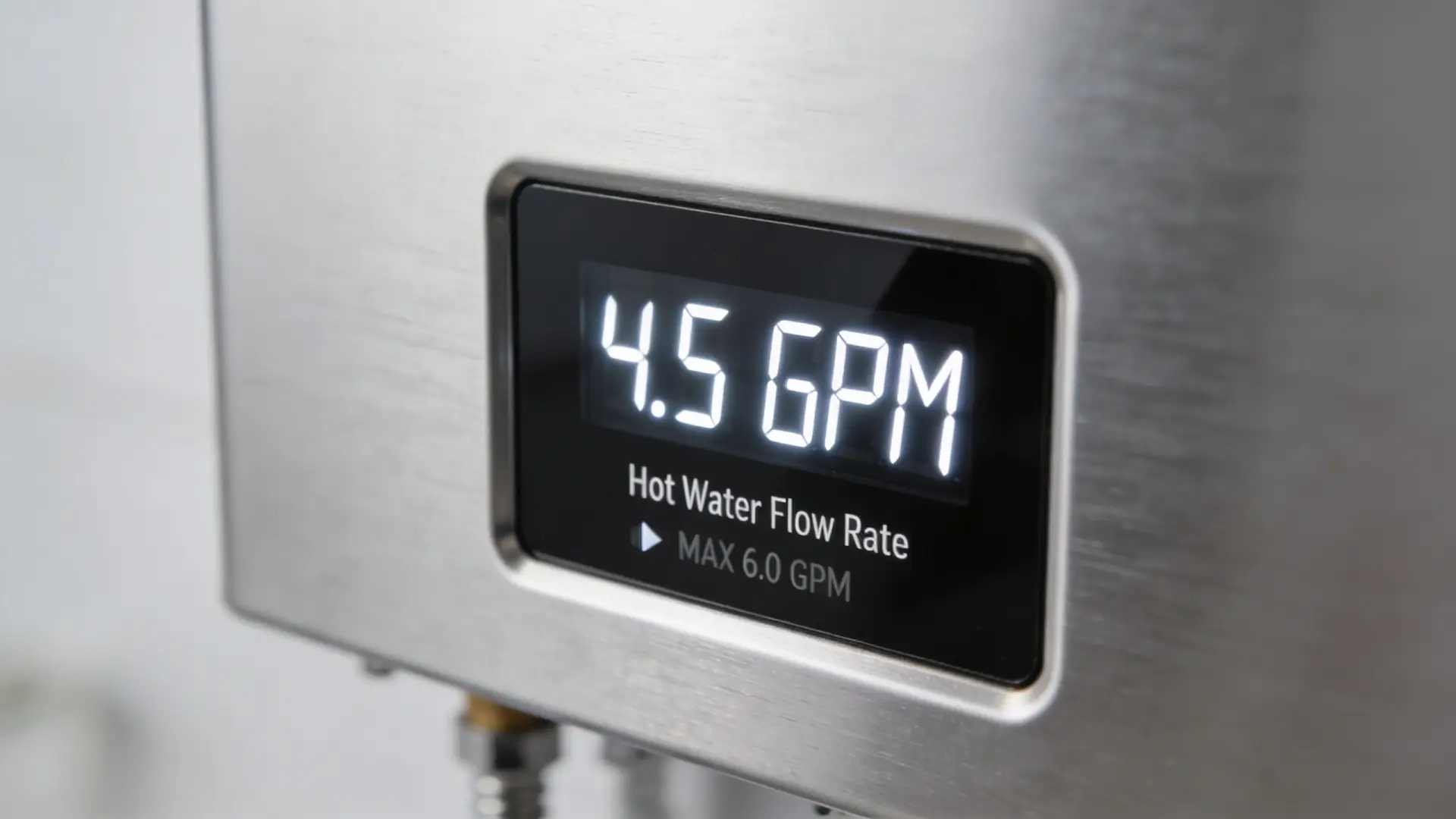
When evaluating RV tankless water heaters, three technical specifications demand careful attention: flow rate (measured in gallons per minute), temperature rise capability, and activation threshold. Flow rate indicates how much hot water the unit delivers—anything below 1.5 GPM may leave you with inadequate pressure at multiple fixtures. Temperature rise refers to how many degrees the unit heats incoming water, which varies significantly based on ambient temperature and incoming water temperature from your fresh water tank.
The activation threshold matters more than many RV owners realize. Some propane models require minimum flow rates of 0.5 GPM to ignite, meaning you’ll get cold water if you use just a trickle. Premium models activate at lower thresholds, providing hot water even during minimal use. Look for specifications that clearly state activation flow rates, as this directly impacts your user experience.
Energy efficiency ratings, though less common in RV applications, help determine operational costs. Propane models typically achieve 80-85% thermal efficiency, while electric units exceed 95%. However, electric efficiency gains disappear if your RV must rely on generator power, which introduces fuel consumption penalties. Consider the complete energy picture, not just heater efficiency alone.
Flow Rate and Temperature Rise Comparison
A comprehensive comparison table reveals how different configurations handle real-world demands:
| Model Type | Flow Rate (GPM) | Temp Rise (°F) | Activation Threshold |
|---|---|---|---|
| Standard Propane | 1.5-2.0 | 35-45°F | 0.5 GPM |
| Premium Propane | 2.0-2.5 | 40-50°F | 0.3 GPM |
| Electric 30-amp | 1.5-2.0 | 60-80°F | Varies |
| Electric 50-amp | 2.5-3.5 | 80-100°F | Instant |
This table demonstrates why electric 50-amp units provide superior performance when available. However, propane models prove adequate for typical RV demands, particularly when camping involves single-occupant usage or sequential fixture operation rather than simultaneous showers and dishwashing.
Installation and Maintenance Considerations
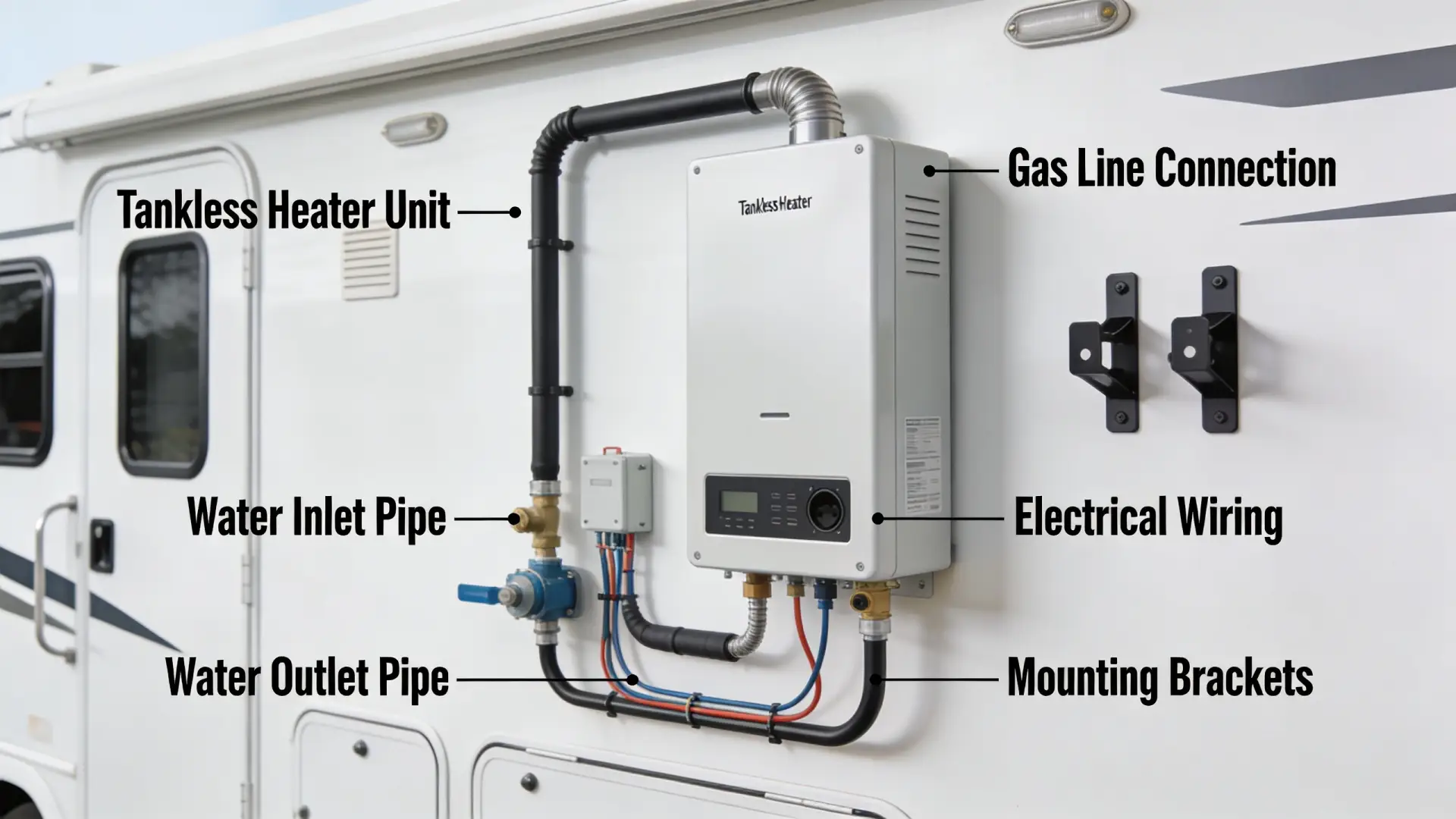
Installing a tankless water heater in your RV requires careful attention to venting, water line compatibility, and electrical connections. Propane models demand exhaust pipes running through the RV exterior, necessitating proper sealing to prevent water intrusion and maintain structural integrity. Most RV manufacturers pre-install these systems, but aftermarket installations need professional expertise to ensure safety and reliability.
As part of your regular RV maintenance checklist, tankless water heater servicing should occur annually. Propane units require burner inspections, heat exchanger cleaning, and ignition system checks. Hard water deposits accumulate inside electric units, necessitating periodic descaling with food-grade vinegar or commercial descaling solutions. Neglecting this maintenance reduces efficiency and shortens system lifespan.
Winterization presents another maintenance requirement in cold climates. Both propane and electric units need complete water drainage to prevent freeze damage. Additionally, propane heaters require special attention to prevent air locks in fuel lines during storage. Following your RV’s winterization procedures specifically for the water heating system prevents costly repairs come spring.
Professional vs. DIY Installation
Replacing an existing tankless heater often qualifies as a DIY project for mechanically inclined RV owners, particularly if you’re installing an identical model to your original unit. However, upgrading from one type to another (propane to electric, for example) typically requires professional installation due to electrical and plumbing code compliance requirements.
Common mistakes during installation include inadequate water line flushing before connecting the heater, failing to install isolation shut-off valves, and insufficient propane line sizing. These errors compromise performance and create safety hazards. Unless you have verified experience with RV plumbing and gas systems, hiring a qualified technician ensures proper installation and maintains your warranty.
Top Configurations for Different RV Types
Class A motorhomes typically come equipped with premium propane tankless heaters due to their full-time living capabilities and extended remote camping usage. These larger RVs have dedicated propane systems with substantial tank capacity, making propane models the practical choice. The higher flow rates in premium propane units accommodate the multiple bathrooms common in Class A designs.
Travel trailers and fifth wheels present more variability depending on your camping style. Full-time travelers favor propane models for independence, while seasonal campers who park at developed campgrounds benefit from electric options. The space constraints in smaller trailers make compact propane units attractive, though some newer models integrate combo systems combining both fuel sources.
Class B and Class C motorhomes often benefit from electric tankless heaters if you camp primarily at RV parks with full hookups. These smaller RVs rarely have sufficient propane capacity for extended boondocking, making electricity a logical choice. However, confirming your specific RV’s electrical infrastructure can handle the required amperage proves essential before committing to electric installations.
Consider your actual camping patterns when selecting between options. Before making any major upgrade, review your first RV trip checklist or your regular journey plans to understand which fuel type aligns with your typical destinations and hookup availability.
Frequently Asked Questions
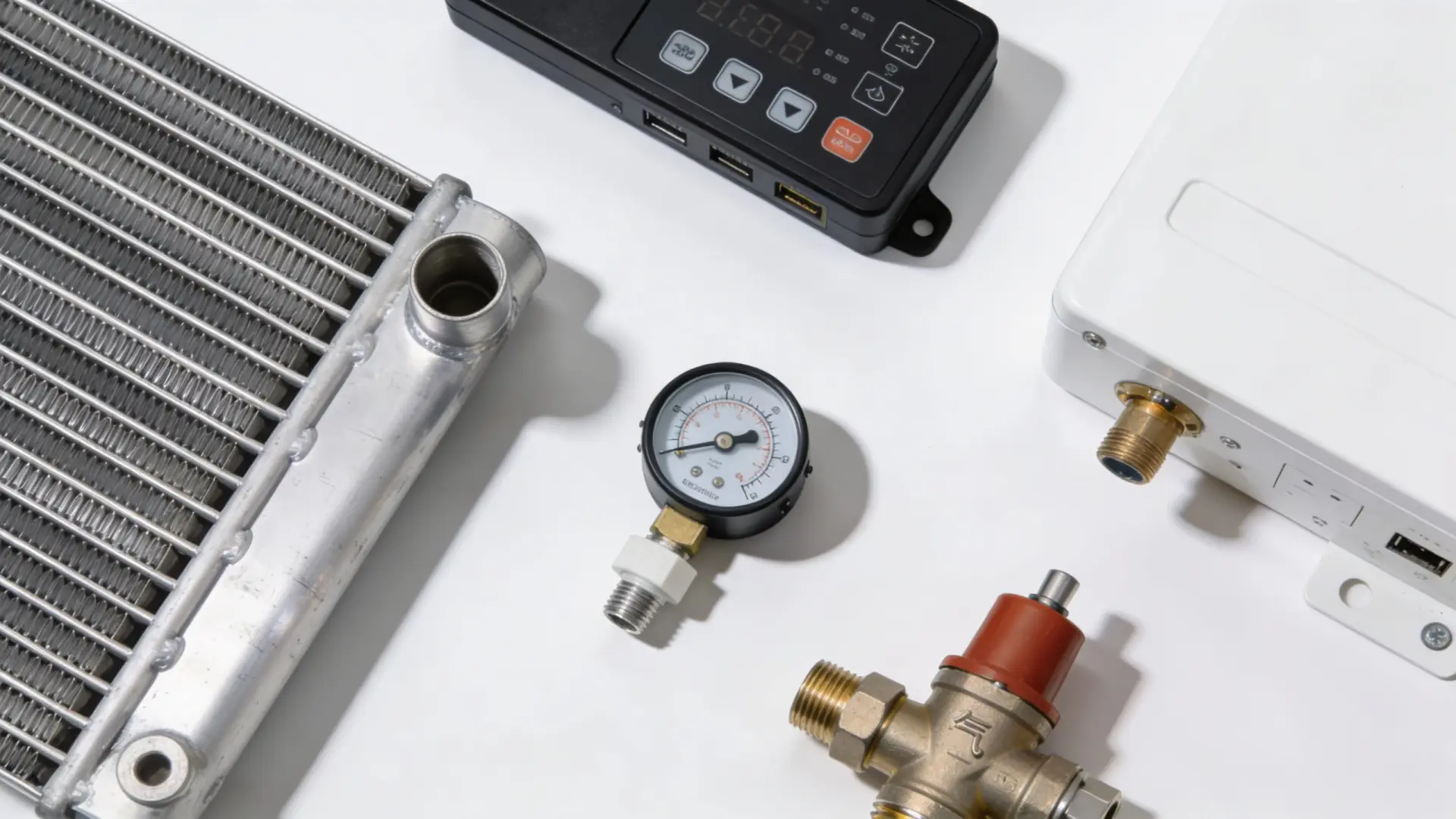
How long do RV tankless water heaters typically last?
Well-maintained propane tankless heaters last 15-20 years, while electric units typically reach 10-15 years with proper descaling maintenance. Lifespan depends heavily on water quality and maintenance frequency. Hard water areas require more frequent descaling, which can reduce longevity if neglected. Most manufacturers warrant their units for 5-10 years against defects.
Can you install an RV tankless water heater without professional help?
Replacing an existing unit with an identical model is often manageable for experienced RV owners. However, upgrades involving fuel type changes or first-time installations require professional expertise. Improper installation compromises warranty coverage and creates safety risks with propane or electrical systems. Hiring a qualified technician costs $300-800 but ensures compliance with RV safety standards.
Will a tankless water heater work with well water or gray tank refilling?
Yes, tankless heaters function with any water source including well water and tank-filled systems. However, untreated well water contains minerals and sediment that accelerate mineral buildup inside electric units. Installing an inline water filter before your tankless heater extends equipment lifespan and maintains performance. Hard water deposits (Wikipedia) cause similar issues with both fuel types, requiring periodic maintenance.
What’s the average cost difference between propane and electric tankless heaters?
Standard propane tankless heaters cost $200-400, while quality electric units range from $300-600. Installation costs vary significantly—propane installations run $400-800 depending on venting requirements, while electric installations cost $600-1200 due to electrical work. Premium propane models with advanced controls may exceed $500, making total installed costs roughly comparable between the two types when professional installation is required.
How do temperature fluctuations affect tankless water heater performance?
Temperature rise capability determines heater performance in cold climates. A 2-GPM propane unit achieving 45°F temperature rise produces hot water in most conditions, but loses effectiveness in freezing temperatures when incoming water approaches 32°F. Electric units compensate with larger temperature rises, but cold incoming water still reduces available hot water volume. Strategic water tank insulation and preheating systems help maintain performance in winter camping scenarios.
Choosing the best RV tankless water heater depends on balancing your camping lifestyle against practical installation constraints and budget considerations. Propane models deliver reliable independence for full-time RVers and remote adventurers willing to manage periodic propane refilling and combustion maintenance. Electric options provide superior efficiency and performance when you enjoy developed campgrounds with full electrical hookups, though they demand 50-amp service for optimal functionality.
Your decision ultimately reflects where you’ll spend most RV time. Frequent boondocking trips demand propane reliability, while regular campground stays benefit from electric efficiency. If uncertainty persists, consider hybrid systems or models allowing switching between fuel sources, though these command premium pricing. Before finalizing your selection, verify installation feasibility with your specific RV model and confirm compatibility with existing plumbing and electrical infrastructure. Taking time to assess your true camping patterns prevents costly upgrades and ensures you stay comfortable on every journey.


7 Comments on “Best RV Tankless Water Heater”