RVing on a budget is absolutely doable, and it really boils down to making smart choices about where you stay, how you drive, and how you manage your day-to-day expenses. You don’t need a massive income to enjoy the RV lifestyle; you just need to be a bit strategic.
One of the biggest expenses in RVing can be where you park for the night. Cutting down or eliminating these fees makes a huge difference.
Table of Contents
Embrace Boondocking and Public Lands
This is probably the single most impactful way to save money. Boondocking, or dry camping, means staying in places without hookups (water, sewer, electricity), usually for free.
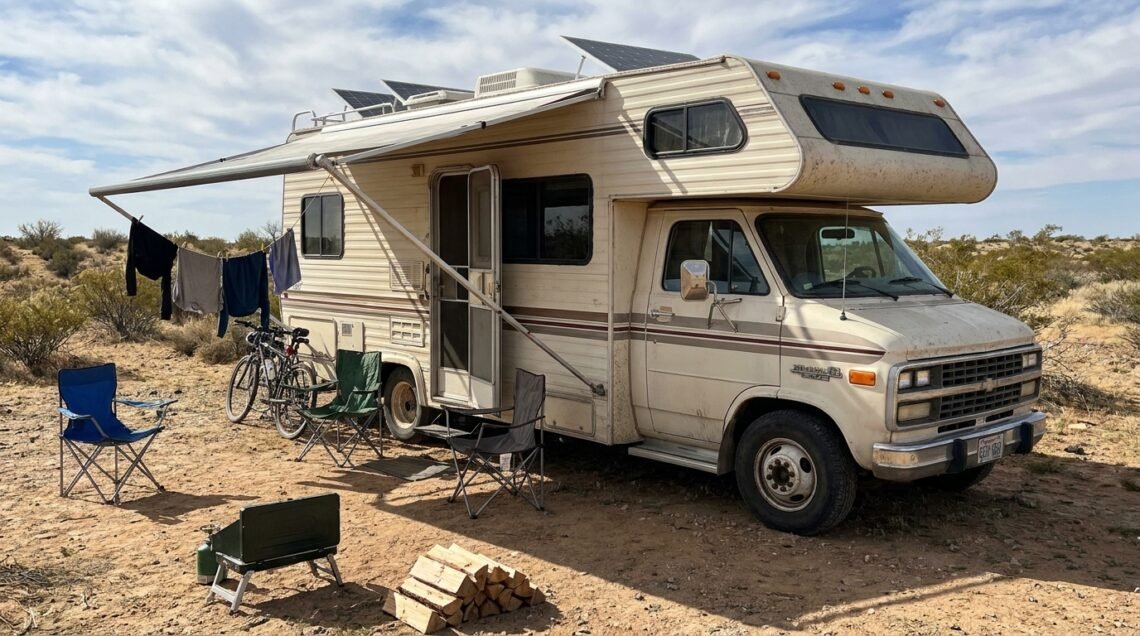
- BLM and National Forests: The Bureau of Land Management (BLM) and national forests across the US offer vast areas where you can often camp for free, sometimes for up to 14 days in one spot. These are generally undeveloped spots, so you’ll need to be self-sufficient with water, power (solar is great here!), and waste. It’s an incredible way to experience nature without opening your wallet.
- Approved Overnight Parking: Many businesses are RV-friendly and allow overnight parking. Think Walmart, Lowe’s, Cabela’s, Cracker Barrel, and some casinos. These aren’t campgrounds – you won’t get hookups – but they’re perfect for a safe, free night when you’re in transit. Always ask permission inside first, though, as policies can vary by location. Truck stops also often have designated RV parking areas, sometimes for free or a small fee.
Strategic Campground Stays
When you do opt for a campground, there are ways to minimize costs.
- Camp Longer for Discounts: This is a golden rule. Many campgrounds offer significant discounts for weekly or monthly stays compared to nightly rates. If you can plant yourself in one spot for a week or more, your daily cost drops dramatically. This also means less driving, which saves on fuel.
- Travel During Shoulder Seasons: Peak season (summer, holidays) means higher prices and more competition for spots. Traveling during the “shoulder seasons” – spring and fall – can land you better rates and fewer crowds. The weather is often more pleasant too!
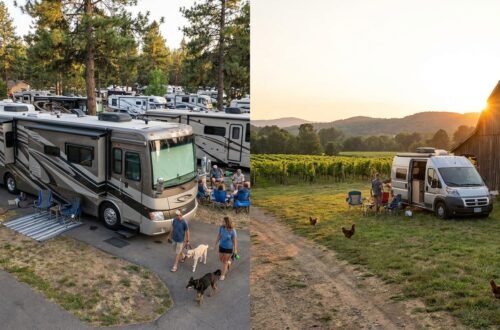
- Join RV Clubs for Discounts: There are several membership programs out there that offer discounts on campground stays. Good Sam Club, Passport America, and Harvest Hosts (which offers free overnight stays at wineries, farms, and attractions with a membership) are popular examples. However, do your homework: make sure the club’s network aligns with your travel plans and that the savings outweigh the membership fee. You don’t want to pay for something you won’t use.
If you’re looking to enhance your RV experience without breaking the bank, you might find it helpful to explore our article on essential kitchen gadgets that can make cooking on the road easier and more enjoyable. These items are not only budget-friendly but also designed to maximize space and efficiency in your RV kitchen. Check out the article here: 20 Must-Have Kitchen Gadgets for Every RV.
Smart Driving for Fuel Savings
Fuel costs are another major budget killer, especially with larger RVs. A few small changes in your driving habits and planning can add up to big savings.
Optimize Your Route and Speed
Every gallon counts when you’re moving a big rig.
- Plan Routes to Avoid Backtracking: Wasted miles are wasted money. Plan your itinerary logically to avoid going back and forth over the same ground.
- Drive at 55-60 mph: This is probably the least exciting advice, but it’s incredibly effective. Fuel efficiency drops off significantly above 60 mph for most RVs. Slowing down not only saves fuel but also makes for a more relaxed journey.
- Keep Tires Properly Inflated: Under-inflated tires increase rolling resistance, burning more fuel. Check your tire pressure regularly and ensure it’s at the manufacturer’s recommended level. This also greatly improves safety.
- Reduce Cargo Weight: Every extra pound requires more fuel to move. Only bring what you truly need. Empty your water tanks when traveling unless you specifically need water (e.g., for a quick rest stop).
Finding the Cheapest Fuel
Don’t just pull into the first gas station you see.
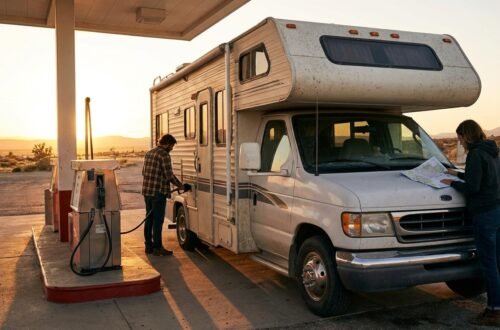
- Use Fuel Apps: Apps like GasBuddy, Open Roads (especially good for RVers and truckers, as it finds truck stops that offer discounts), and Upside can help you locate the cheapest fuel prices along your route. They can save you significant money over a long trip.
- Look for Truck Stops: Truck stops often have dedicated diesel pumps that are easier to access for larger RVs, and sometimes they offer slightly better pricing or loyalty programs.
Cutting Daily Expenses
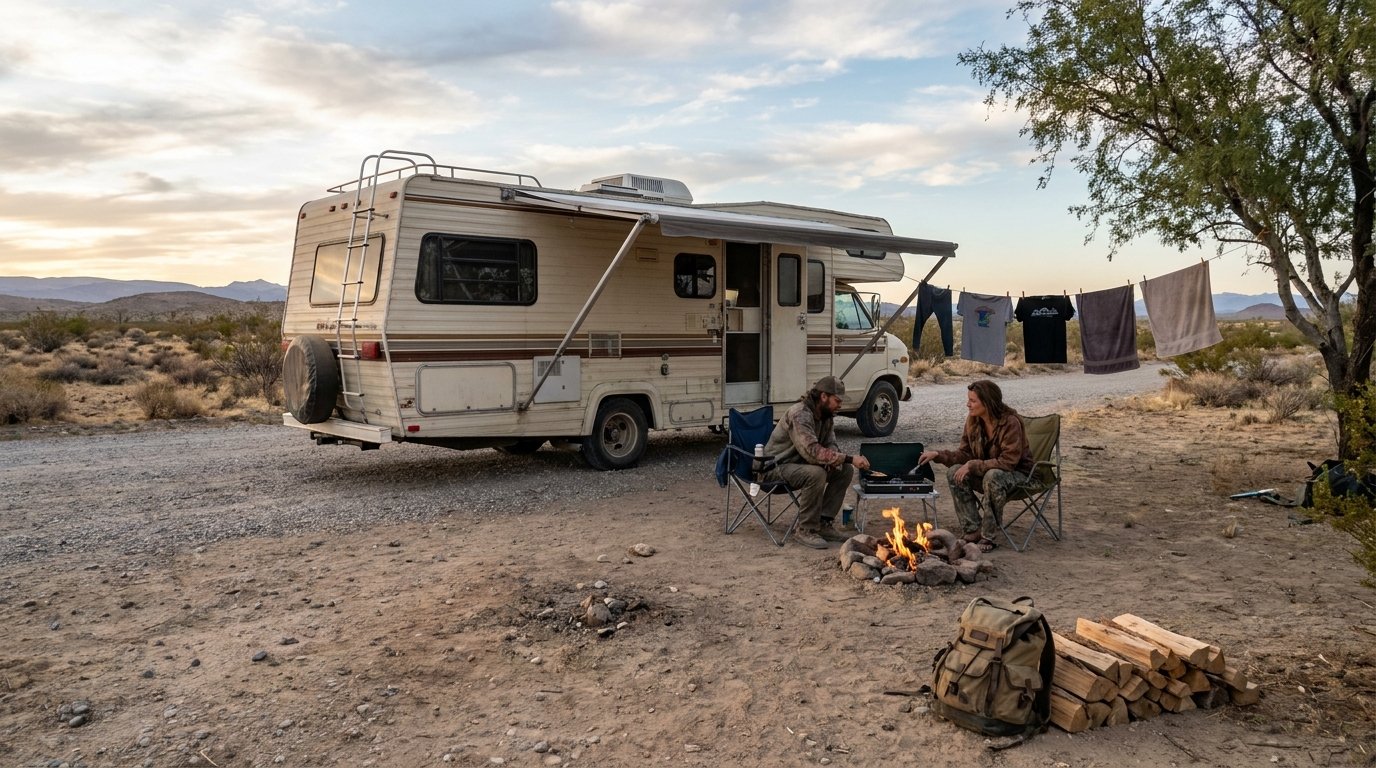
It’s not just about the big-ticket items; your day-to-day spending habits also play a huge role in your overall budget.
Master Your Meals
Eating out adds up incredibly fast, especially when you’re on the road.
- Cook in the RV: Your RV has a kitchen for a reason! Stock up on groceries when items are on sale. Meal planning can help you avoid impulse purchases and food waste. Invest in a good Instant Pot, air fryer, or slow cooker – they make cooking in a small space much easier.
- Prep Ahead: Chop veggies, cook grains, or marinate meats before you leave or early in your trip. This makes throwing together quick meals a breeze and reduces the temptation to grab takeout.
- Pack Lunches and Snacks: When you’re out exploring, pack a lunch and plenty of snacks. This avoids expensive cafe stops and keeps you fueled for adventures.
DIY Maintenance and Repairs
Small repairs can quickly become costly if you always outsource them.
- Learn Basic RV Maintenance: Get comfortable with tasks like checking tire pressure and tread, inspecting hoses and belts, checking fluid levels, and changing air filters. Many simple issues can be resolved with a basic toolkit and a few YouTube tutorials.
- Carry a Basic Toolkit: A set of screwdrivers, wrenches, pliers, duct tape, electrical tape, and a multimeter can go a long way.
- Understand Your RV’s Systems: Knowing how your water pump works, how to troubleshoot a faulty fuse, or how to properly winterize your RV can save you from calling out a mobile technician or visiting an expensive service center.
Eliminating Unnecessary Fees and Subscriptions
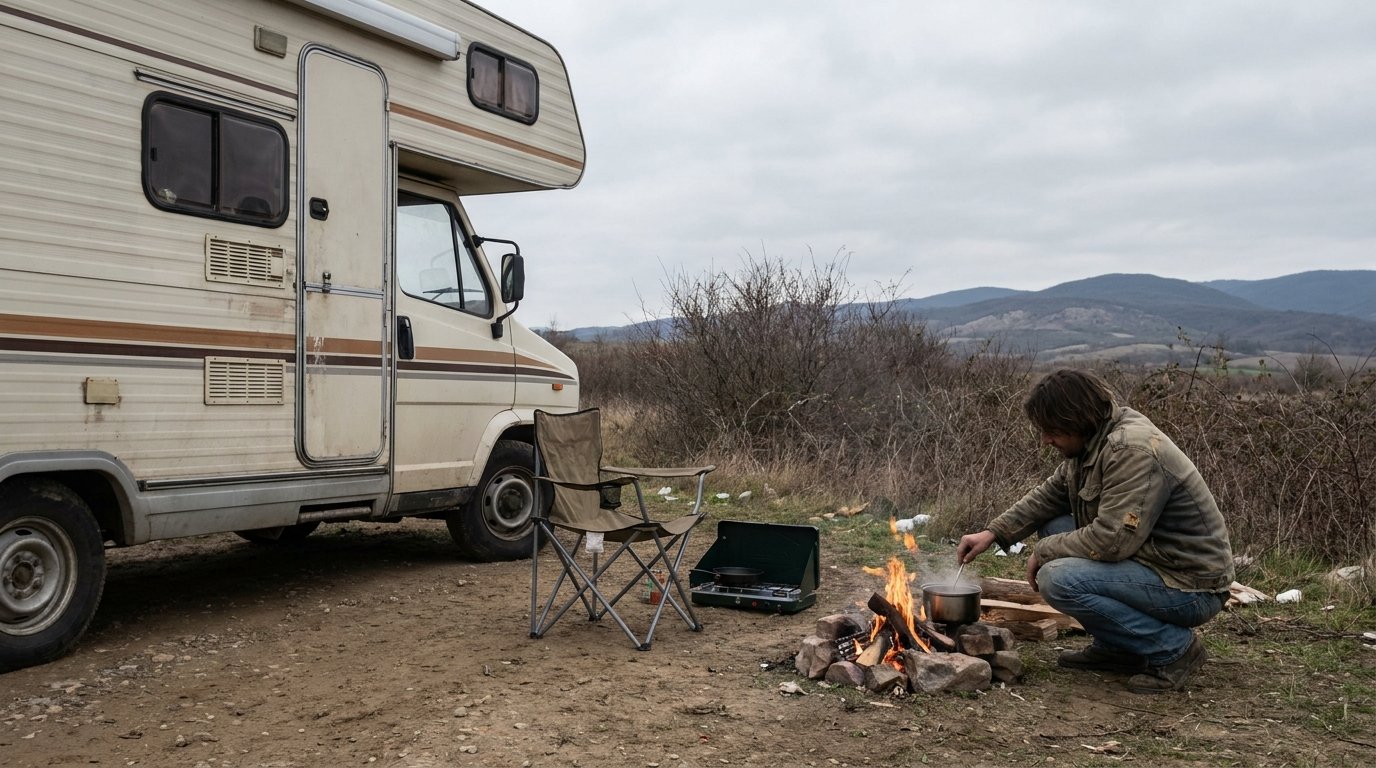
Look at your recurring expenses with a critical eye.
Rid Yourself of Monthly Fees
Many subscriptions or banking fees might be redundant or unnecessary while RVing.
- Cancel Satellite TV: Unless you absolutely can’t live without specific channels, consider canceling satellite TV subscriptions. Many RV parks offer free cable, or you can use free over-the-air channels with a good antenna. Streaming services like Netflix or Hulu can be used with a mobile hotspot or public Wi-Fi, but always be mindful of data limits.
- Leverage Free Wi-Fi: Instead of paying for a mobile hotspot data plan (which can be expensive), seek out free public Wi-Fi at libraries, coffee shops, and many RV resorts.
- Review Banking and Subscription Fees: Take a moment to look at your bank statements or credit card statements. Are you paying for any services you no longer use? Banking fees often can be avoided by switching to online-only banks or maintaining a certain balance. Every dollar saved on these recurring charges is a dollar you can put towards fuel or fun.
If you’re considering RVing on a budget, understanding the costs associated with maintaining your vehicle is essential. One significant expense that many overlook is the price of appliances, particularly the refrigerator. To learn more about this important aspect of RV ownership, check out the article on the cost of an RV refrigerator. This resource can help you plan your budget more effectively and ensure that your adventures remain affordable.
Strategic Planning for the Long Haul
“`html
| Category | Metrics |
|---|---|
| Accommodation | Cost per night |
| Food | Cost per day |
| Gas | Cost per mile |
| Entertainment | Cost per activity |
| Maintenance | Cost per month |
“`
Budget RVing isn’t just about day-to-day savings; it requires a bit of foresight.
Research and Planning are Key
Good planning prevents poor performance (and high expenses!).
- Use Apps and Websites for Free Camping: iOverlander, Campendium, Freecampsites.net, and the Dyrt are invaluable resources for finding boondocking spots, free overnight parking, and affordable campgrounds. User reviews often provide crucial information about road conditions, cell service, and amenities.
- Understand Park Fees and Permitting: Some national forests or BLM areas might require a free permit for dispersed camping. Always check the local regulations to avoid fines. National parks often have entrance fees, but an America the Beautiful pass can save you money if you visit several parks over a year.
Flexible Itinerary
Being rigid with your schedule can cost you.
- Embrace Spontaneity (within limits): While planning is important, being open to changing your plans based on weather, available camping, or a great deal you find can save money and open up unexpected adventures. If a campground is full or too expensive, having a backup boondocking spot in mind can save you from scrambling and potentially overspending.
- Don’t Rush Your Travel: Not only does slower travel save on fuel, but it also allows you to enjoy destinations more deeply without feeling rushed. It reduces the stress of covering too much ground too quickly.
By consistently applying these strategies, you’ll find that RVing on a budget isn’t just possible, it’s a deeply rewarding way to experience the world without breaking the bank. It often encourages a more self-sufficient, resourceful, and truly immersive travel style.
FAQs
1. What are some tips for saving money while RVing?
The most impactful ways to save include embracing boondocking (dry camping) on public lands, driving at slower speeds (55-60 mph) to optimize fuel, and cooking your own meals in the RV rather than eating out. Additionally, staying longer in one location can secure weekly or monthly campground discounts.
2. How can I find affordable campgrounds and RV parks?
Use specialized apps and websites like iOverlander, Campendium, and Freecampsites.net to find free or low-cost spots. You can also join RV clubs like Passport America or Good Sam for significant discounts, or use Harvest Hosts to stay at unique locations like farms and wineries.
3. What are some cost-effective meal planning strategies for RVing?
Stock up on groceries during sales and focus on cooking inside the RV using versatile appliances like an Instant Pot or air fryer. Prepping ingredients ahead of time and packing lunches for day trips helps avoid expensive impulse purchases at cafes or restaurants.
4. Are there any budget-friendly maintenance and repair options for RVs?
Learning basic DIY maintenance is key. You can save significantly by handling tasks like checking tire pressure, inspecting seals, and changing air filters yourself using online tutorials. Carrying a basic toolkit allows you to fix minor issues before they require an expensive professional technician.
5. What are some ways to reduce fuel costs while RVing?
Keep your speed between 55-60 mph, ensure tires are properly inflated to reduce resistance, and travel with empty water tanks to reduce weight. Use fuel apps like GasBuddy or Open Roads to find the cheapest prices and discounts at truck stops along your route.