So, you’re ready to dive into the RV lifestyle – exploring new horizons, making memories, and having the freedom to roam. But before you hit the open road, a big question looms: should you buy a new RV or a used RV?
The quick answer is: it depends entirely on your budget, your comfort with potential repairs, and how important the latest features are to you. There’s no one-size-fits-all solution here, but by weighing the pros and cons of each, you can make an informed decision that’s right for your adventure. Let’s break it down.
When you buy a brand-new RV, you’re getting a lot more than just that “new car smell.” There are some distinct benefits that make new RVs appealing to a certain type of buyer.
Table of Contents
Peace of Mind with Warranties
One of the biggest draws of a new RV is the warranty. Most new RVs come with a manufacturer’s warranty that covers various components for a certain period, usually a year or two, sometimes longer for structural elements. This means if something breaks, you’re typically not footing the bill.
- Manufacturer Coverage: This usually covers defects in materials or workmanship from the factory. Think appliances, plumbing, electrical systems, and structural issues.
- Chassis Warranty: If you’re buying a motorized RV, the chassis (engine, transmission, etc.) often has its own separate warranty from the chassis manufacturer (e.g., Ford, Freightliner). These can be quite extensive.
- Extended Warranties: While not factory-included, you’ll often have the option to purchase an extended warranty, which can prolong your coverage and provide additional peace of mind beyond the initial period.
Customization and Latest Features
A new RV lets you spec it out exactly how you want it. Want a specific interior decor, an upgraded solar package, or specialized entertainment systems? You can often choose these directly from the factory.
- Tailored to Your Tastes: You pick the layout, the colors, the fabric, and the finishes. It truly feels like your RV from day one.
- Cutting-Edge Technology: New models frequently incorporate the latest advancements in RV technology, from integrated smart home systems and energy-efficient appliances to improved insulation and suspension.
- Safety Enhancements: Modern RVs often come with advanced safety features that older models might lack, such as better braking systems, rearview cameras, and potentially driver-assist technologies in motorized units.
Unblemished History
With a new RV, you’re the first owner. There are no mystery repairs, no hidden water damage from a previous owner’s mistake, and no lingering odors from forgotten pets.
- No Previous Wear and Tear: Everything is fresh and unused. You don’t have to worry about the previous owner’s habits or how well they maintained the unit.
- Clean Slate Maintenance: You start with a clean slate for all maintenance records. You know exactly what’s been done (nothing yet!) and can establish your own regular service schedule.
If you’re considering the pros and cons of purchasing a new RV versus a used one, you might find it helpful to explore additional resources that provide insights into RV ownership. A related article that delves into the various aspects of RV life and ownership can be found at Embracing the Mobile Lifestyle. This site offers valuable information that can assist you in making an informed decision about your RV investment.
Exploring the Used RV Benefits
While the smell of a new RV is enticing, the practical advantages of a used RV are often very compelling, particularly for those on a tighter budget or who appreciate value.
Significant Cost Savings
This is arguably the most substantial benefit of buying used. RVs, much like cars, depreciate significantly in their first few years. Letting someone else absorb that initial depreciation can save you thousands, if not tens of thousands, of dollars.
- Initial Depreciation Hit: New RVs can lose 20-30% of their value within the first year or two. Buying a slightly used model means you’re buying after this major depreciation event.
- Lower Purchase Price: A lower purchase price means lower upfront costs, potentially lower loan payments, and lower insurance premiums.
- More RV for Your Money: With the money saved, you might be able to afford a larger, more feature-rich, or higher-quality used RV than you could if you bought new with the same budget.
“De-Bugged” and Proven Design
Ironically, a new RV can sometimes come with its own set of minor issues right off the factory floor. These are often called “bugs” and can range from loose trim to small plumbing leaks. A used RV, especially one that’s a few years old, has likely had these initial kinks worked out by the previous owner.
- Factory Glitches Addressed: The previous owner likely discovered and remedied many of those small manufacturing defects that tend to pop up in the first few months of ownership.
- Real-World Testing: The RV has been tested in real-world conditions, giving you a better idea of its long-term reliability and common issues. You can research known problems for a specific year and model.
Availability and Variety
The used RV market is vast and diverse. You’ll find a massive selection of models, years, and price points, including some popular floor plans that might no longer be produced new.
- Wider Selection: You’re not limited to what’s currently being manufactured. You can find older, well-regarded models or unique layouts that suit your specific needs.
- Faster Acquisition: While new RVs can sometimes have wait times, especially for custom orders, a used RV is typically available for immediate purchase and pickup.
Weighing the Downsides of Each
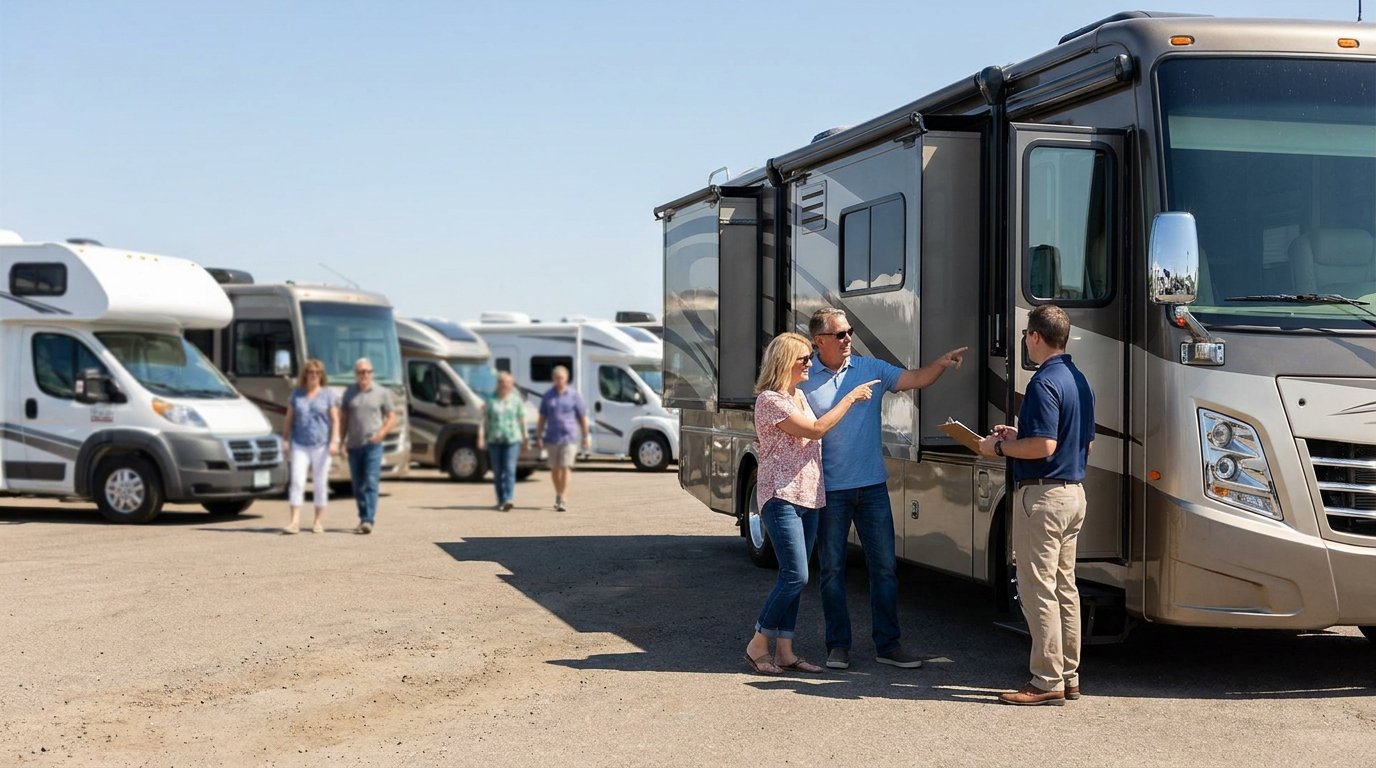
It’s not all sunshine and rainbows. Both new and used RVs come with their own set of potential drawbacks that you need to be aware of.
New RV Drawbacks
While exciting, buying new has its fair share of considerations that might steer some buyers towards the used market.
- Rapid Depreciation: As mentioned, the moment you drive it off the lot (or even before), the value drops significantly. Think of it as throwing money away if you decide to sell within the first few years.
- Higher Cost: The sticker price is just the beginning. You’ll likely pay more in taxes, registration, and potentially higher insurance premiums compared to a used unit.
- Initial “Bug” Phase: Despite quality control, new RVs almost always have a few minor issues – a loose screw, a sticky drawer, or a small component that doesn’t quite work right. While typically covered by warranty, it means trips back to the dealer for repairs.
Used RV Drawbacks
The allure of savings with a used RV is strong, but it comes with a certain level of risk and potential hassle.
- Unknown History: This is the biggest hurdle. You don’t truly know how well the previous owner maintained the RV, if it was involved in an accident, or if there’s hidden water damage.
- Potential for Repairs: Older RVs, especially those out of warranty, are more prone to needing repairs. Appliances can fail, roofs can leak, and mechanical components can wear out. You’ll need to factor repair costs into your budget.
- Limited Customization: You’re buying what’s available. While you can make aftermarket modifications, you won’t have the factory-level customization options of a new unit.
- Outdated Technology: The RV might lack modern amenities like USB charging ports, advanced navigation, or energy-efficient LED lighting, though many can be upgraded.
Making a Smart Decision: Key Considerations
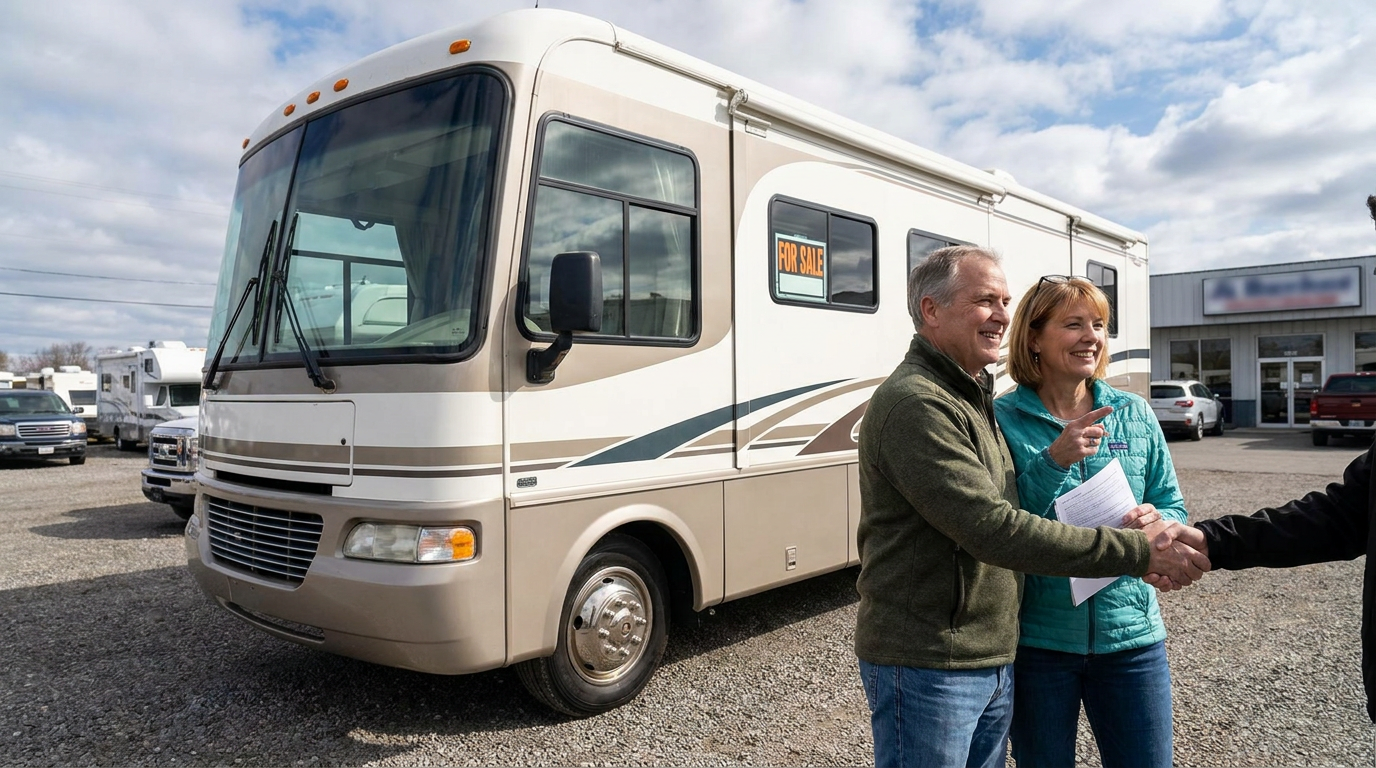
Now that we’ve looked at the general pros and cons, let’s get down to the nitty-gritty of how to actually decide.
Your Budget and Financial Comfort
This is often the most significant factor. How much are you truly comfortable spending, not just on the purchase price, but on ownership costs too?
- Purchase Price vs. Total Cost of Ownership: Don’t just look at the sales price. Consider insurance, potential repairs, maintenance, and depreciation. A used RV with a low purchase price but high repair needs can quickly become more expensive than a new one over time if you’re unlucky, or vice-versa.
- Financing Options: New RVs generally have better financing rates due to their higher value and lower risk for lenders. Used RVs might have higher interest rates, especially for older models.
- Down Payment: A new RV usually requires a larger down payment, while you might be able to get into a used RV with less upfront cash.
How Handy Are You? And Your Tolerance for Repairs
Your personal comfort with maintenance and repairs is a huge differentiator between new and used.
- DIY Aptitude: If you’re mechanically inclined and enjoy fixing things, a used RV can be a fantastic value. You can handle many minor repairs yourself and save money.
- Time and Patience: Even if repairs are under warranty for a new RV, it still means taking it to a dealer and waiting for parts and service. How much patience do you have for this potential downtime?
- Emergency Fund: For a used RV, it’s wise to have a dedicated emergency fund specifically for unexpected repairs that aren’t covered by a warranty.
Your Intended Usage
How you plan to use your RV will heavily influence whether new or used makes more sense.
- Full-Time Living: If you plan on living in your RV full-time, reliability and robust systems are paramount. A new RV with comprehensive warranties might offer more peace of mind, or a well-maintained, slightly older top-tier used RV.
- Weekend Warrior/Seasonal Use: For occasional trips or seasonal use, a used RV can be a fantastic way to enjoy the lifestyle without a huge financial commitment. Minor issues aren’t as critical if you’re not relying on it daily.
- First-Time RV Owner: If you’re new to RVing, a used RV can be a great entry point. It allows you to learn the ropes, figure out what you truly like and dislike in an RV, and then upgrade later without having taken the massive depreciation hit on your first unit.
The Importance of Features and Technology
How essential are the latest bells and whistles to your RV experience?
- “Must-Have” Features for You: Make a list. Do you need solar panels from the factory? A specific type of entertainment system? Advanced climate control? New RVs offer more options here.
- Upgradability of Older Models: Many older RVs can be upgraded with modern amenities over time, such as LED lighting, new flooring, solar panels, and smart TVs. However, some deep integrations might be difficult or impossible.
When considering whether to invest in a new or used RV, it’s also important to explore the broader context of RV ownership, including the option of renting. For insights on this topic, you might find the article on renting versus buying quite helpful. It discusses the various factors that can influence your decision and helps you weigh the pros and cons of each choice. You can read more about it in this informative article.
The Inspection: Never Skip It!
| Factors | New RV | Used RV |
|---|---|---|
| Price | Higher initial cost | Lower initial cost |
| Depreciation | Depreciates quickly | Depreciation slows down |
| Warranty | Comes with a warranty | May not have warranty |
| Customization | Can customize to preference | May have limited customization options |
| Condition | Brand new, pristine condition | Condition varies based on previous use |
Whether you buy new or used, a thorough inspection is crucial. For a used RV, it’s non-negotiable.
Professional RV Inspection
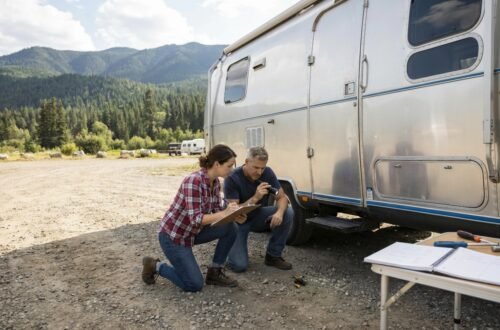
Before finalizing any purchase, especially for a used RV, hire a certified professional RV inspector. This isn’t just about kicking the tires.
- Detailed Assessment: An inspector will check everything from the roof integrity (a common RV issue) to the appliances, plumbing, electrical systems, and structural components.
- Moisture Meter Readings: Crucially, they’ll use a moisture meter to detect hidden water damage, which can be devastating and expensive to repair.
- Peace of Mind (or Red Flags): The inspection report will either confirm the RV is in good shape (even with minor issues) or provide a list of red flags that can help you negotiate the price or walk away.
Test Drive and Systems Check
- Motorized RVs: Take it for a good test drive. Listen for unusual noises, check braking, steering, and engine performance. Have a mechanic specialized in heavy-duty vehicles look at the engine and chassis.
- Towable RVs: If it’s a travel trailer or fifth wheel, hook it up and test the brakes, lights, and hitch. Check tires thoroughly, looking for dry rot.
- Internal Systems: Inside, run everything. Turn on the AC/heat, operate all appliances (fridge on both gas/electric, stove, oven, microwave), test all lights, flush toilets, check water pressure, and open/close all slides and awnings multiple times.
When considering whether to invest in a new RV or a used one, it’s also important to think about the maintenance aspects of your choice. For instance, understanding how to properly care for your RV can significantly impact its longevity and performance. You might find it helpful to read about essential RV slide-out maintenance tips in this informative article. This resource can provide valuable insights that will aid you in making a more informed decision regarding your RV purchase. For more details, check out the article here.
Final Thoughts: The Personal Choice
Ultimately, the new vs. used RV debate boils down to personal priorities. If you value warranties, the latest technology, customization, and are comfortable with the higher upfront cost and initial depreciation, a new RV might be your perfect match. You’re paying for peace of mind and the joy of being the first owner.
However, if saving money, avoiding significant depreciation, and potentially getting more RV for your buck are your main drivers, a carefully inspected used RV could be your golden ticket. You’ll need to be more vigilant in your search and accept the possibility of more DIY or professional repairs down the line.
No matter which path you choose, do your homework, set a realistic budget, and don’t rush the decision. The right RV is out there, waiting to take you on unforgettable journeys. Happy camping!
FAQs
1. What are the advantages of buying a new RV?
– New RVs come with the latest features and technology.
– They often come with warranties and guarantees for peace of mind.
– You can customize new RVs to your preferences.
2. What are the advantages of buying a used RV?
– Used RVs are generally more affordable than new ones.
– Depreciation has already occurred, so you may get more value for your money.
– You may have more room for negotiation on the price.
3. What are the potential drawbacks of buying a new RV?
– New RVs can be more expensive than used ones.
– They may have initial kinks or issues that need to be worked out.
– Depreciation can occur rapidly in the first few years.
4. What are the potential drawbacks of buying a used RV?
– Used RVs may have wear and tear or mechanical issues.
– They may not have the latest features or technology.
– Financing options may be more limited for used RVs.
5. What factors should I consider when deciding between a new or used RV?
– Your budget and financial situation.
– Your comfort level with potential maintenance and repairs.
– Your specific needs and preferences for features and amenities.