
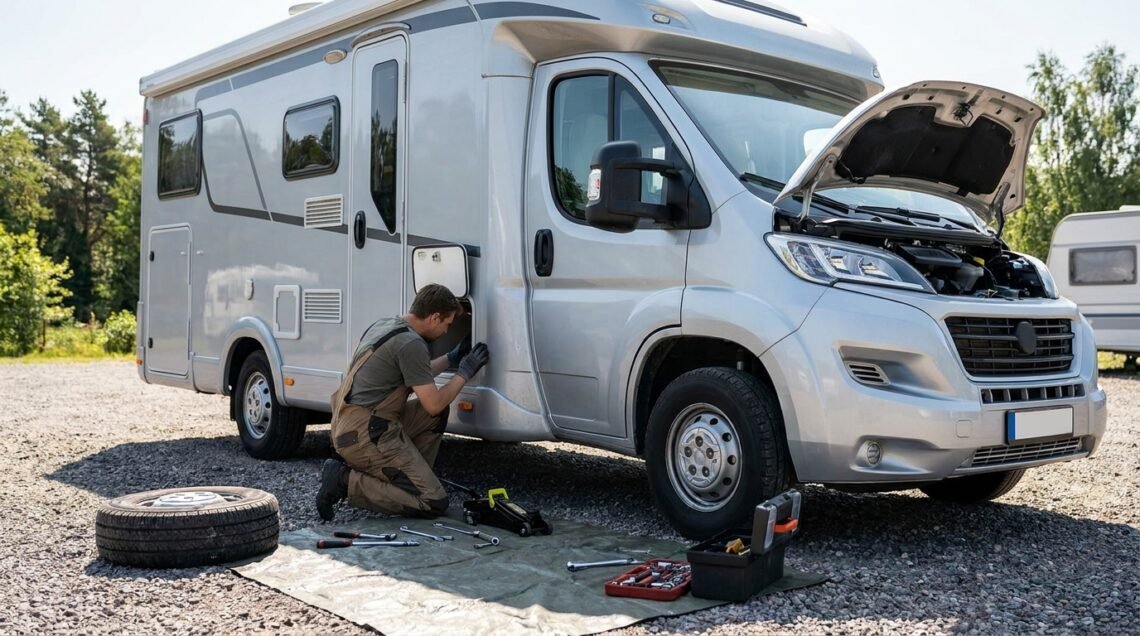
So, you’ve got yourself an RV, and now you’re probably wondering how to keep this home-on-wheels running smoothly without turning into a full-time mechanic. The good news is, while Essential RV maintenance might seem like a lot to learn at first, it boils down to some pretty straightforward, regular checks, and proactive habits. Think of it less as a chore and more as looking after your investment and your peace of mind on the road. This guide will walk you through the essential tasks to keep your RV in top shape, focusing on what you actually need to do, when, and why, without a lot of extra fuss.
Table of Contents
Keeping Your Wheels and Seals Sound
These are fundamental for safety and preventing costly damage. You’re looking at your RV’s connection to the road and its protection from the elements.
Your Tires: The Only Things Touching the Ground
Tire pressure is super important, not just for fuel efficiency, but for your safety. Under-inflated tires can overheat and blow out, which is a stressful and dangerous situation.
- Check Pressure Regularly: Make it a habit to check your tire pressure every 2-3 days, especially before and during longer trips. Use a reliable tire pressure gauge, not just a quick visual inspection. The correct pressure is usually listed on a sticker near the driver’s seat or inside a cabinet.
- Inspect for Wear and Damage: While you’re checking pressure, give your tires a quick once-over. Look for any bulges, cracks, or cuts. Check the tread depth – if it’s getting low, it’s time for new tires. Don’t forget the spare!
- Proper Inflation Matters: Sticking to the manufacturer’s recommended cold tire pressure is key. This number usually assumes the tires haven’t been driven on for a few hours.
Your Seals: Keeping the Outside Out
Water damage is an RV owner’s nightmare. It can lead to rot, mold, and expensive repairs. Your RV’s seals are the first line of defense.
- Monthly Seal Inspections: Get into the routine of inspecting your roof and window seals monthly. Look for any cracks, peeling, or signs of separation. Pay close attention to areas around vents, skylights, and windows.
- Resealing Gaps: If you find any compromised seals, address them promptly. Use an RV-approved sealant – it’s designed to flex with your RV’s movements and withstand the elements. Don’t just use any old caulk; RV sealants are specific for a reason.
- Preventative Measures: Keeping your RV covered when not in use can extend the life of your seals, protecting them from harsh UV rays and extreme weather.
Powering Your Adventures: Engine and Generator Care
Your RV’s engine and generator are its heart and lungs. Neglecting them can leave you stranded or without power when you need it most.
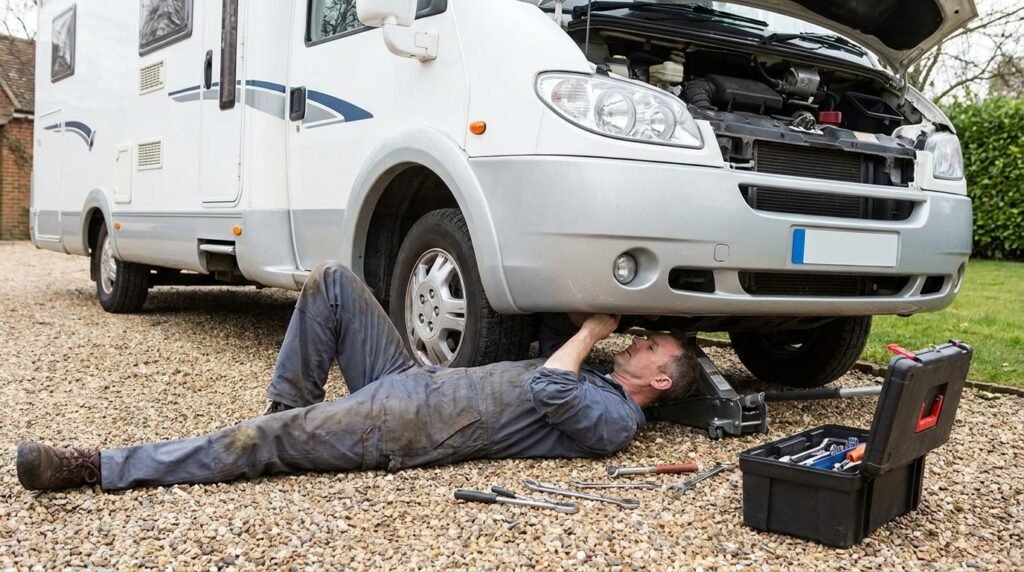
Engine Maintenance: The Drive Behind Your RV
Even if you’re not a mechanic, there are a few basic engine checks you should be doing.
- Regular Oil Changes: Just like your car, your RV’s engine needs fresh oil. A good rule of thumb is to change the engine oil every 3,000–4,000 miles. Refer to your RV’s owner’s manual for precise recommendations, as some newer engines might have longer intervals.
- Fluid Levels: Routinely check your engine’s oil, coolant, brake fluid, and power steering fluid. Top them off as needed. Low fluid levels can lead to overheating, poor performance, or even engine damage.
- Belt and Hose Inspection: Give your belts and hoses a quick visual check. Look for cracks, fraying, or bulges. These can be indicators of wear and tear that need attention before they fail.
Generator Maintenance: Your Mobile Power Plant
Your generator is a lifesaver when you’re off-grid. Keeping it happy means keeping you powered up.
- Monthly Exercise: Generators need exercise to stay healthy. Run your generator monthly for at least 30 minutes under about half its rated load. This prevents fuel gumming, lubricates moving parts, and keeps seals conditioned.
- Oil and Filter Changes: Just like the main engine, your generator has oil and air filters that need changing. Consult your generator’s manual for specific service intervals, which are usually based on hours of operation.
- Fuel System Care: If your generator uses gasoline, consider adding a fuel stabilizer if you’re storing it for extended periods without running it. This helps prevent fuel from degrading and clogging the fuel system.
Water Systems: Keeping Things Clean and Flowing
From your drinking water to your waste, managing your RV’s water systems correctly is crucial for health and hygiene.
Freshwater Tank Sanitization: Keeping it Potable
You don’t want to be drinking from a funky water tank. Regular sanitization prevents bacterial growth and keeps your water fresh.
- Sanitize Twice Annually: A good schedule is to sanitize your freshwater tank twice a year, or more often if you use your RV frequently or notice any strange tastes or smells.
- Bleach Method: The common method involves using plain, unscented bleach. Add ¼ cup of bleach for every 15-16 gallons of water your tank holds. Fill the tank completely with this mixture and let it sit for at least 12 hours.
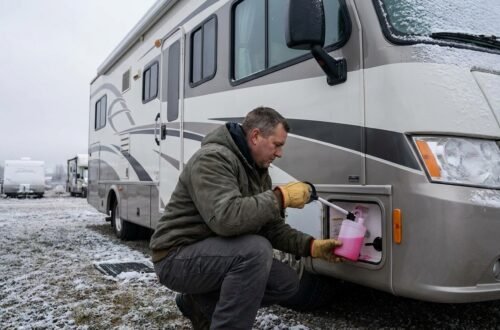
- Flushing the System: After the sitting period, drain the tank and flush the entire system multiple times with fresh water until you no longer smell bleach. Running water through all faucets (hot and cold) helps clean the lines too.
Water Heater Maintenance: Hot Showers on Demand
Your water heater works hard, and a little maintenance ensures it delivers consistent hot water.
- Annual Cleaning: At least once a year, drain your water heater and remove the anode rod (if applicable). Flush out any sediment that has accumulated inside the tank. Sediment buildup can reduce efficiency and even damage the heater.
- Anode Rod Inspection: If your water heater has an anode rod (primarily in Suburban models), inspect it annually. This rod sacrifices itself to prevent corrosion of the tank. If it’s significantly corroded (less than a quarter of its original size), it’s time to replace it.
- Pressure Relief Valve: Periodically test the pressure relief valve by lifting the lever for a few seconds to ensure it’s not stuck. Be cautious, as hot water can escape.
Battery & Electrical Systems: Powering Your Comfort
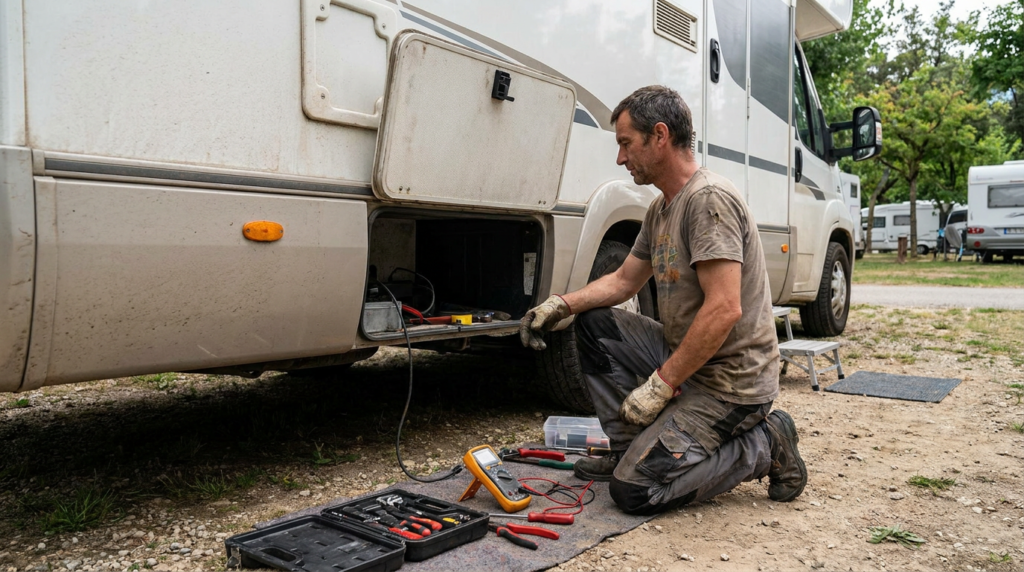
Your RV’s batteries are essential for operating everything from your lights to your refrigerator when you’re not hooked up to shore power.
Battery Maintenance: Your RV’s Electrical Heart
Proper battery care extends their lifespan and ensures you have power when you need it.
- Disconnect for Storage: When you’re storing your RV for more than a few weeks, it’s a good practice to disconnect the batteries. Even small parasitic drains can completely discharge your batteries over time, leading to damage. Use a battery disconnect switch if your RV has one.
- Clean Terminals: Corrosion on battery terminals can impede electrical flow. A simple solution of baking soda and water (about a tablespoon per cup of water) can be used to clean corrosion. Use a wire brush to scrub it away.
- Prevent Corrosion: After cleaning, apply a thin layer of petroleum jelly (Vaseline) or a battery terminal protector spray to the terminals. This helps prevent future corrosion.
- Check Water Levels (Wet Cell Batteries): If you have traditional “wet cell” or flooded lead-acid batteries, you’ll need to check the electrolyte levels periodically and top them off with distilled water if they’re low. Don’t overfill.
- Charging Habits: Avoid letting your batteries completely discharge. Charge them regularly, especially if your RV is in storage, to maintain their health.
For those looking to enhance their RV experience, understanding maintenance is crucial, but so is having the right tools and gadgets on hand. A great resource to complement your RV Maintenance Guide for Beginners is an article that discusses essential kitchen gadgets specifically designed for RV living. You can check it out here: 20 Must-Have Kitchen Gadgets for Every RV. This article provides insights into practical items that can make cooking and meal prep in your RV both efficient and enjoyable.
Pre-Trip Checks & Essential Safety
A few quick checks before heading out can save you a lot of headaches on the road. And safety, of course, is non-negotiable.
Pre-Trip Essential RV Maintenance : Ready for the Road
Before you even pull out of the driveway, a checklist ensures everything is secured and operational.
- Propane System Integrity: Before every trip, give your propane tank and lines a visual inspection for any kinks or damage. Turn on your propane, then use a leak detector spray (or a soapy water solution) on all connections to check for leaks. Look for bubbles forming, which indicate a leak.
- Test All Lights and Appliances: Hook up your RV to shore power or run your generator and test all interior and exterior lights, including brake lights, turn signals, and running lights. Check that your refrigerator, microwave, and other appliances are working correctly.
- Run the Generator Briefly: It’s good practice to run your generator for about 5 minutes before leaving. This quick test ensures it’s starting up correctly and ready to provide power when you need it.
- Document Condition with Photos: Take a few photos of your RV’s exterior and interior before you leave. This serves as a record of its condition in case of any incidents or if you’re involved in an accident.
- Secure Loose Items: Walk through your RV and ensure all cabinets are latched, items on counters are secured, and anything that can shift during travel is put away or tied down.
Landing Gear Care: Smooth Setup and Breakdown
Your landing gear is crucial for leveling and stabilizing your RV when parked. Keeping it lubricated ensures it works smoothly.
- Lubricate Monthly (or After Rain): The shafts of your landing gear can get grimy. Lubricate them monthly, or after any significant rain, to prevent dirt and grime from building up and causing them to stick.
- Use Dry Lube: Opt for a dry lubricant like PFTE (Teflon) or silicone-based sprays. These lubricants don’t attract dirt and grime as much as wet, oily lubricants, which is exactly what you want for exposed mechanisms.
Waste Tank Protocol: Dealing with the Dirty Work
Managing your waste tanks correctly is probably the least glamorous part of RVing, but it’s vital for hygiene and preventing clogs.
- Never Dump Below 50%: This is a golden rule for your black tank. Liquid helps solids break down. If your black tank is less than 50% full, there isn’t enough liquid to properly flush out the solids, which can lead to clogs and the dreaded “poop pyramid.” Wait until it’s at least two-thirds full, or even completely full, before dumping.
- Flush Black First, Then Gray: Always dump your black tank first. Once it’s empty, close the black tank valve and open your gray tank (sink and shower water). The gray water will then flow through the sewer hose, helping to rinse out any remaining debris from the black tank.
- Use a Clear Elbow: A clear elbow on your sewer hose allows you to see when the tanks are truly clean. You’ll see the water run clear from the black tank, and then the gray water doing its job rinsing the hose.
Safety Checks: Your Peace of Mind
These routine checks are quick and can literally be life-savers.
- Monthly Safety Inspections: Designate a specific day each month to check your safety equipment. This should include your fire extinguishers, smoke detectors, carbon monoxide (CO) detectors, and propane detectors.
- Fire Extinguishers: Ensure your fire extinguishers are easily accessible, fully charged (check the gauge), and that the pin is intact.
- Smoke/CO/Propane Detectors: Test these detectors monthly by pressing the test button.
- Replace Detector Batteries Annually: Even if they seem to be working, fresh batteries ensure your detectors are always ready. A good practice is to replace them on a specific date you’ll remember each year, like the start of camping season or a specific holiday.
- Horn Functionality: Give your RV’s horn a quick honk to make sure it’s working. It’s a simple safety device that’s easy to overlook.
Owning an RV should be about adventure and making memories, not constantly worrying about repairs. By incorporating these practical maintenance steps into your routine, you’ll be much better equipped to handle common issues, prevent major problems, and ultimately enjoy your RV for many years to come. It’s an ongoing process, but a little consistent effort goes a long way. Happy travels!
FAQs
What is RV maintenance?
RV maintenance refers to the regular upkeep and care of a recreational vehicle to ensure its proper functioning and longevity. This includes tasks such as checking and changing fluids, inspecting tires, and servicing appliances.
Why is RV maintenance important?
Regular RV maintenance is important to ensure the safety and reliability of the vehicle. It can also help prevent costly repairs and extend the lifespan of the RV.
What are some basic RV maintenance tasks for beginners?
Basic RV maintenance tasks for beginners include checking tire pressure, inspecting and cleaning the roof, testing and servicing the battery, and checking for leaks and water damage.
How often should RV maintenance be performed?
RV maintenance should be performed regularly, with some tasks being done before each trip and others on a monthly or yearly basis. It’s important to follow the manufacturer’s recommendations for specific maintenance intervals.
Can I perform RV maintenance myself or should I hire a professional?
Many basic RV maintenance tasks can be performed by beginners with the right tools and guidance. However, for more complex tasks or if you’re unsure, it’s best to consult a professional RV mechanic.


2 Comments on “Essential RV Maintenance Guide for Beginners”