
When you’re out RVing and off the grid, how long will RV batteries reliably last off-grid is a pretty common question. The quick answer is: it really depends on your battery type, capacity, how much power you’re using, and whether you’re topping them up with solar or a generator. We’re talking anywhere from a couple of days with standard lead-acid batteries and moderate use, to over a decade with high-end lithium systems.
Table of Contents
Understanding Battery Lifespan: Cycles vs. Years
Before we dive into specific types, it’s good to understand how battery lifespan is usually measured. You’ll often see two numbers: years and cycles.
What’s a Cycle?
A “cycle” means charging a battery, using it, and then recharging it again. Think of it like filling and emptying a bucket. A full cycle usually refers to discharging a significant portion of the battery’s capacity (e.g., down to 50% or 20%) and then fully recharging it. Different battery types tolerate different numbers of these cycles before their performance starts to degrade noticeably.
Why Do Years Matter Less Than Cycles?
While “years” give you a general idea, they’re not the full picture. A battery that lasts 5 years for someone who only RVs a few weekends a year will have experienced far fewer cycles than a battery that lasts 5 years for someone living in their RV full-time. The number of cycles is often a more accurate indicator of a battery’s actual working life.
When considering how long RV batteries will last off-grid, it’s essential to understand the overall maintenance and care required for your RV’s electrical system. A related article that offers valuable insights into maintaining your RV’s air conditioning system, which can significantly impact your power consumption, is available at Expert Tips for RV AC Repair: 7 Easy DIY Maintenance Steps. By ensuring that your RV’s AC unit operates efficiently, you can help extend the life of your batteries while enjoying a more comfortable off-grid experience.
The Lowdown on Different Battery Types
Your choice of battery is the biggest factor in off-grid longevity. Let’s break down the common options.
Lithium-Ion Batteries: The Current King of Off-Grid
If you want the best performance and longest life for off-grid RVing, lithium-ion (specifically LiFePO4 for RVs) is the way to go.
Impressive Cycle Life
These batteries boast an incredible number of cycles. You’re typically looking at 2,000 to 4,000+ cycles. What does that translate to? Well, if you did one full cycle every day, 4,000 cycles would give you roughly 11 years. Many manufacturers, like Renogy’s Pro S1 semi-solid-state 12V battery, even claim 6,000 cycles, which could mean around 16 years of daily use. That’s a serious investment that pays off over time.
Longevity in Years
With their high cycle count, lithium batteries routinely last up to 15 years, and sometimes even longer depending on how they’re used and maintained. This long lifespan usually comes with robust warranties, like the 7-year warranty on the Renogy Pro S1.
Other Lithium Benefits
Beyond life expectancy, lithium batteries offer other advantages crucial for off-grid life:
- Lightweight: They’re significantly lighter than lead-acid batteries of the same capacity, which is great for RV weight limits.
- Fast Recharge: They can accept a charge much faster, meaning your solar panels or generator can replenish them quicker.
- Deep Discharge: You can safely use a higher percentage of their capacity, often down to 100% (though most recommend 80-90% for maximum life), without damaging them, giving you more usable power.
- Consistent Power: They maintain a more consistent voltage throughout their discharge cycle, meaning your appliances get steady power until the battery is nearly empty.
- Shock Resistance: The Renogy Pro S1, for instance, emphasizes shock resistance, making it suitable for those bumpy, off-the-beaten-path roads.
Lead-Acid Batteries: The Traditional Workhorse
Lead-acid batteries have been the standard for a long time due to their lower upfront cost. However, they come with significant trade-offs in terms of lifespan and usable capacity.
Flooded Lead-Acid (FLA) Batteries: The Most Basic
These are often the cheapest option, but they require regular maintenance (checking and refilling water levels).
- Cycle Life: You’re looking at a much shorter cycle life, typically 200 to 500 cycles.
- Longevity in Years: For RV use, this often translates to 2 to 3 years of active use, or perhaps 6 to 8 years if not used daily.
Absorbed Glass Mat (AGM) Batteries: A Step Up
AGM batteries are sealed, so they’re maintenance-free and can be mounted in more orientations. They handle vibrations better than FLAs.
- Cycle Life: AGMs offer a better cycle life than flooded batteries, usually in the range of 500 to 800 cycles.
- Longevity in Years: You can expect 4 to 7 years of use, potentially stretching to 8 to 10 years with careful management.
General Lead-Acid Considerations
Regardless of specific type, here are some overall characteristics of lead-acid batteries:
- Usable Capacity: A major downside is that you can only safely use about 50% of their rated capacity without significantly shortening their lifespan. So, a “100Ah” lead-acid battery only provides about 50Ah of usable power.
- Slower Recharge: They take longer to charge than lithium batteries.
- Voltage Sag: As they discharge, their voltage drops, which can affect the performance of some appliances.
- Heavy: They are much heavier per usable amp-hour compared to lithium.
- Solar RV Specifics: For solar RV setups, general lead-acid batteries are often cited to last 2 to 5 years. This shorter lifespan reflects the constant cycling they endure in a solar system.
Factors Beyond Battery Type That Influence Lifespan
While the battery type is crucial, how you use and maintain your batteries also plays a huge role in how long they’ll last off-grid.
Your Power Habits: The Demand Side
This is about how much electricity you’re pulling from your batteries.
Appliance Usage
Every light, fan, pump, and device drains power. Running high-wattage appliances like microwaves, coffee makers, or hair dryers frequently will deplete your batteries much faster than just running LED lights and charging your phone. An RV lithium system test referenced real-world off-grid duration and acknowledged that usage patterns significantly impact how long power lasts.
What You Run Matters
Consider how much power your must-have items consume. Are you a minimalist boondocker using only essentials, or do you like your creature comforts? A 200Ah lithium setup combined with 740W of solar might get you through a weekend without needing a recharge with moderate use, as one example suggests. ODYSSEY batteries (a type of AGM) could last 2-3 days with smart power use.
Charging Methods: The Supply Side
How you recharge your batteries dramatically affects their overall health and how long they can sustain you off-grid.
Solar Power: The Silent Partner
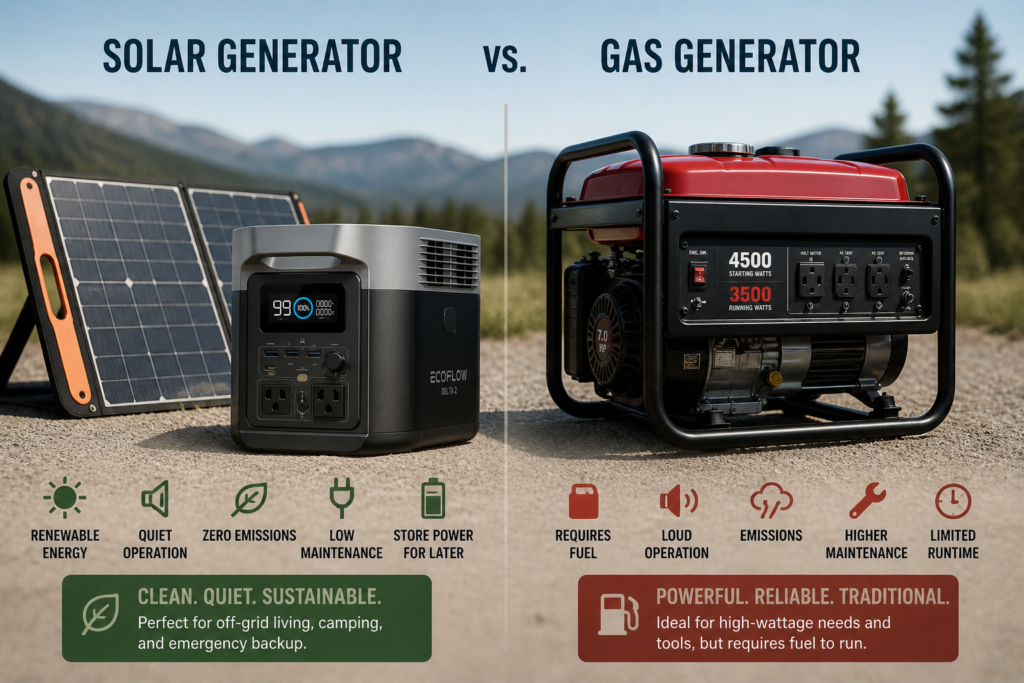
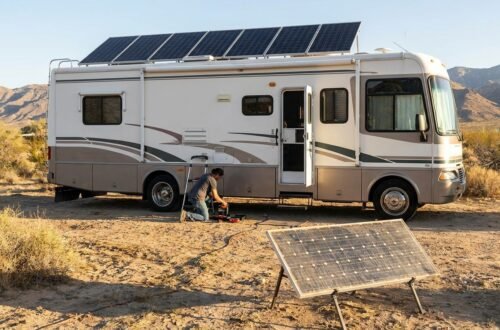
Solar panels are fantastic for constantly topping up your batteries throughout the day, extending your off-grid time significantly. A good solar setup can mean you practically never run out of juice as long as the sun shines. The healthier your batteries are kept (i.e., not discharged too deeply too often), the longer they will last.
Generator Power: The Backup
A generator can quickly recharge your batteries when solar isn’t enough, like on cloudy days or when you have high power demands. While effective, relying solely on a generator can be less convenient and noisier than solar. Ensure your charging parameters are correct for your battery type to prevent damage.
Shore Power: Not Always an Option Off-Grid
While not truly “off-grid,” if you occasionally plug into shore power, it gives your batteries a full, stable charge, which is beneficial for their longevity, especially for lead-acid types that don’t like to be partially charged for extended periods.
Depth of Discharge (DoD): How Deeply You Drain Them
This is a critical factor, especially for lead-acid batteries.
Lead-Acid and DoD
As mentioned, lead-acid batteries prefer shallower discharges. Regularly draining them past 50% significantly shortens their lifespan. Discharging to 20% or less will rapidly degrade them. A deeper discharge counts as a “fuller” cycle, meaning you hit your cycle limit faster.
Lithium and DoD
Lithium batteries handle deep discharges much better. You can routinely discharge them to 80-90% (or even 100% for some types) without significant negative impact on their cycle life. This means you have more usable capacity and don’t reduce their overall lifespan as dramatically from heavy use.
Temperature Conditions: Too Hot, Too Cold
Extreme temperatures, both hot and cold, are not good for almost any battery.
Heat Degradation
High temperatures accelerate chemical reactions within the battery, leading to faster degradation and a shorter lifespan. Storing batteries in well-ventilated areas, away from direct sunlight or engine heat, is important.
Cold Weather Performance
Cold weather reduces battery capacity and efficiency. While lithium batteries generally perform better in the cold than lead-acid, their internal Battery Management Systems (BMS) will often prevent charging below freezing to protect the cells, unless they have built-in heaters. Lead-acid batteries also lose capacity in the cold and charge less efficiently.
Maintenance and Care: Your Role
Even maintenance-free batteries benefit from some attention.
Proper Charging Practices
Using the correct charger compatible with your battery type is essential. Overcharging or undercharging can damage batteries and shorten their life. Lithium batteries have a BMS to manage this, but lead-acid batteries are more sensitive.
Regular Inspection
Even sealed batteries should be visually inspected periodically for any signs of swelling, corrosion (on terminals), or damage. For flooded lead-acid, this includes checking electrolyte levels.
Real-World Off-Grid Scenarios and What to Expect
Let’s tie this back to practical off-grid durations you might experience.
Short Trips (Weekend Warrior)
- With lead-acid (e.g., 200Ah AGM): If you’re conservative with power, maybe just lights and phone charging, you might get 2-3 days. If you open the inverter for occasional brief larger draws (microwave for 30 seconds, coffee maker once), you’ll likely struggle to make it past a day or two without some form of recharge.
- With lithium (e.g., 200Ah LiFePO4): A weekend is easily manageable, even with moderate use of an inverter for small appliances, especially if you have some solar to help out during the day. The example of 200Ah lithium + 740W solar for a weekend without recharge really hits this home.
Extended Boondocking (Week or More)
- With lead-acid: This becomes very challenging without significant solar input or frequent generator use. You’d likely need a large battery bank and be extremely disciplined with power consumption. Most lead-acid setups aren’t designed for sustained, deep cycling required for week-long off-grid.
- With lithium: This is where lithium truly shines. A properly sized lithium bank with adequate solar charging can keep you powered for a week or more. The high usable capacity and fast charging mean you’re cycling them efficiently and extending your overall time off-grid before needing any additional power.
Full-Time RVing (Long-Term Off-Grid)
- With lead-acid: Not recommended for full-time off-grid use without a huge battery bank, constant generator run-time, or shore power access, and you’ll be replacing them every few years. The constant deep cycling will quickly wear them out.
- With lithium: This is the ideal setup for full-timers. The longevity (up to 15 years or more), deep cycling capability, and efficient charging make them highly suitable for continuous off-grid living, especially when paired with a robust solar system. Think of the 16 years of daily use claimed by some high-end lithium batteries – that’s essentially a generator-free life for a very long time.
When considering how long RV batteries will last off-grid, it’s essential to understand the various factors that can influence battery life, such as usage patterns, battery type, and solar power integration. For those new to RVing, having the right equipment can significantly enhance your off-grid experience. To learn more about the essential gear that can help optimize your RV adventures, check out this informative article on what equipment new RVers need. You can find it here: what equipment new RVers need.
The Bottom Line on How Long Will RV batteries Reliably Last Off-Grid?
How long your RV batteries last off-grid isn’t a fixed number; it’s a dynamic equation. It starts with your battery choice: lithium for long-term, high-performance, hands-off operation, or lead-acid for a lower upfront cost but shorter life and more limitations. Then, it’s about managing your power use, leveraging charging sources like solar, and treating your batteries well. Investing in a good battery system, particularly a lithium one, means more freedom, less stress, and many more enjoyable days disconnected from the grid.
FAQs
1. What factors affect the lifespan of RV batteries when used off-grid?
Factors such as the type of battery, usage patterns, charging methods, and maintenance all play a role in determining how long RV batteries will last off-grid.
2. What is the typical lifespan of RV batteries when used off-grid?
The lifespan of RV batteries can vary widely depending on the factors mentioned above, but on average, lead-acid batteries can last 3-5 years, while lithium-ion batteries can last 10-15 years.
3. How can I maximize the lifespan of my RV batteries when using them off-grid?
Proper maintenance, regular charging, avoiding deep discharges, and using efficient appliances can all help extend the lifespan of RV batteries when used off-grid.
4. What are some common signs that RV batteries are reaching the end of their lifespan?
Signs of aging RV batteries include decreased capacity, slower charging times, and the need for more frequent recharging. It’s important to monitor these signs and consider replacing the batteries when necessary.
5. Are there any alternative power sources or battery technologies that can extend the off-grid lifespan of RV batteries?
Solar panels, generators, and advanced battery technologies such as lithium-ion can all provide alternative power sources and longer lifespan for RV batteries when used off-grid.


2 Comments on “How Long Will RV batteries Reliably Last Off-Grid?”