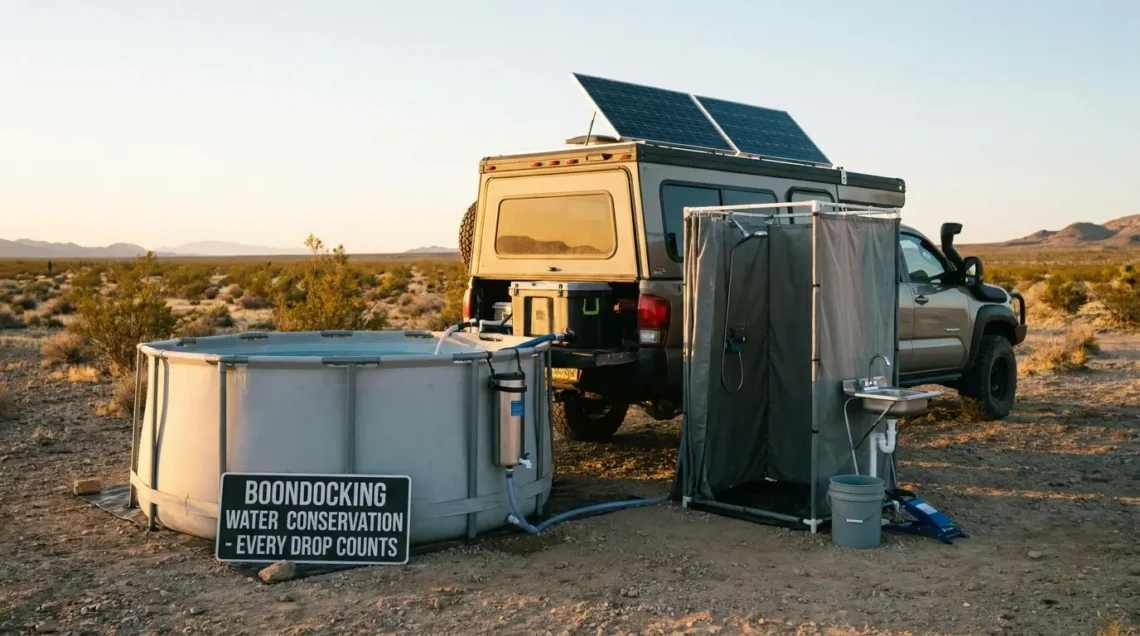
If you do not conserve water while boondocking It can quickly turn a relaxing off-grid adventure into a frustrating scramble. How you manage your water supply during remote camping trips directly impacts your comfort, hygiene, and how long you can stay at your chosen location. The good news is that with some practical strategies and mindful habits, you can stretch your water reserves significantly and enjoy extended boondocking trips without constantly searching for refill stations.
Water conservation while boondocking isn’t about deprivation—it’s about being intentional with one of your most precious resources. Whether you’re camping on BLM land, dispersed Forest Service sites, or private property, your freshwater tank has a finite capacity. Most RV freshwater tanks hold between 30 and 100 gallons, which sounds like plenty until you realize how quickly water disappears with showers, dishwashing, and toilet flushing. The key strategies involve reducing water consumption at every opportunity, fixing leaks promptly, recycling greywater where appropriate, and establishing efficient routines that become second nature.
Table of Contents
Assess Your Water Tank Capacity and Usage
Before you can effectively conserve water, you need to understand exactly how much you have available and where it’s going. Start by locating your RV’s freshwater tank specifications—check your owner’s manual or the manufacturer’s website for the exact gallon capacity. This number becomes your baseline for planning trips and rationing consumption.
Next, calculate your household’s daily water usage under boondocking conditions. A typical person uses roughly 12-15 gallons per day for basic hygiene and drinking, though this can spike dramatically with showers and dishwashing. If you’re boondocking with a family, multiply this baseline by the number of people. For example, a family of four might reasonably expect to consume 50-60 gallons daily without any special conservation measures.
Once you know your tank capacity and daily usage rate, you can determine realistic trip lengths before requiring a refill. If you have a 75-gallon tank and your household uses 50 gallons per day, you have roughly 1.5 days of water at normal consumption. This calculation should inform how you pack for boondocking trips and where you plan to position yourself relative to water refill stations.
Track Your Consumption Patterns
In practice, keeping a simple water consumption log during your first few boondocking trips reveals your actual usage patterns. Write down tank levels morning and evening for three to five days. This real-world data beats theoretical calculations because it accounts for your specific habits, family size, and how you personally use water.
Fix Leaks and Monitor Your System
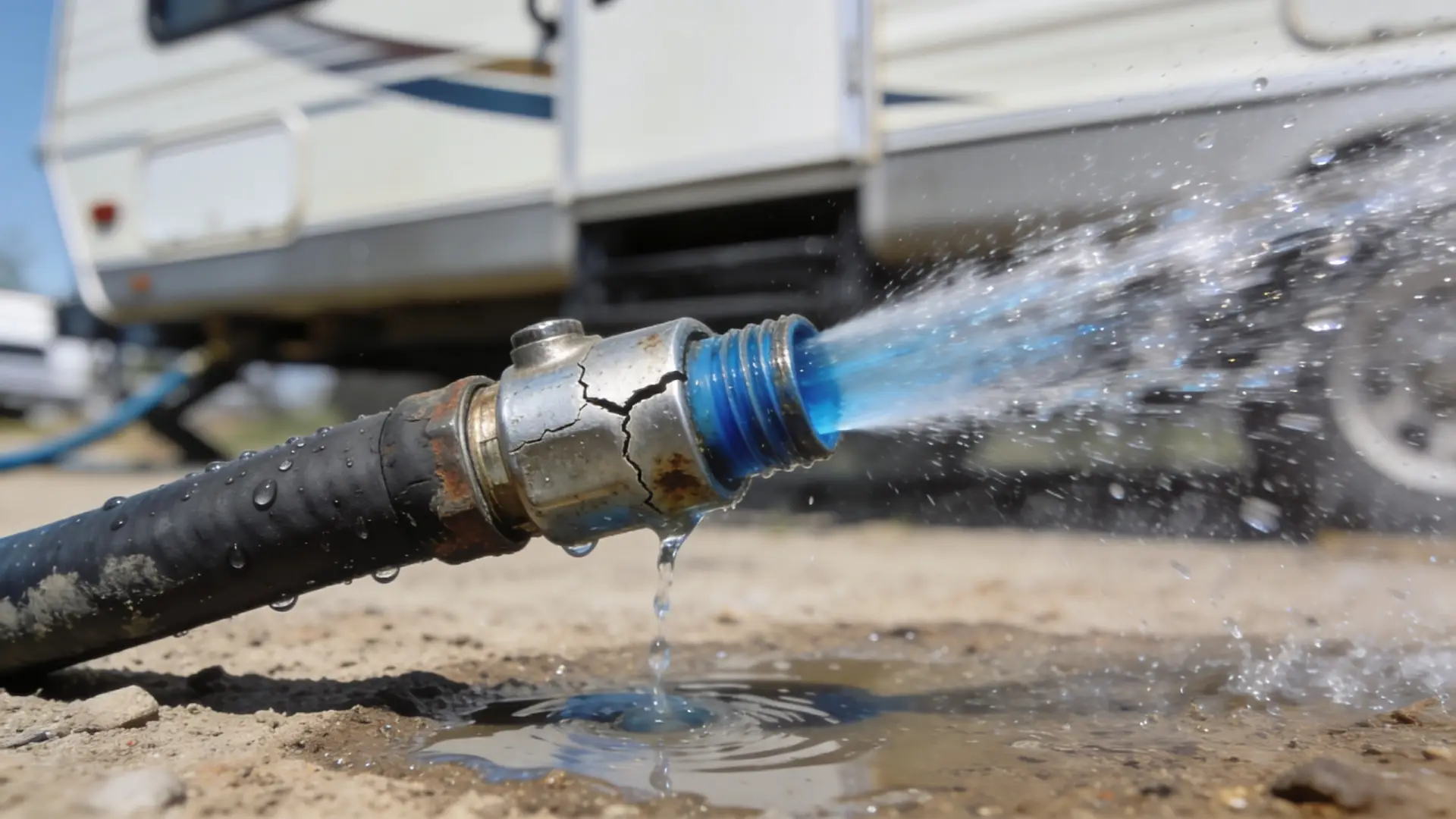
Even small leaks waste surprising amounts of water over time. A single dripping faucet can waste 5-10 gallons per day unnoticed. When boondocking, every gallon matters, so conducting a thorough inspection of your water system should happen before you leave on any extended trip.
Walk through your RV systematically checking for visible leaks at faucets, under sinks, around the shower enclosure, and beneath the toilet. Turn on each water fixture and watch for drips or sprays. Listen carefully near the water heater and along freshwater lines for the sound of running water when everything should be off. Additionally, watch your freshwater tank gauge during a period when nobody is using water—if it drops when no water is being drawn, you have a leak somewhere in the system.
Common culprits include worn faucet washers, corroded supply lines, and cracked connections at the toilet. Many of these repairs are straightforward DIY fixes involving replacement washers, plumber’s tape, or new fittings from any hardware store. If you discover a major leak in hard-to-reach plumbing, address it before boondocking so you’re not losing precious water to a problem you could have prevented.
Install Water-Saving Fixtures
Consider upgrading to low-flow showerheads and faucet aerators before your next boondocking adventure. Standard RV showerheads deliver 2.5+ gallons per minute, while quality low-flow models reduce this to 1.5-2 gallons per minute. The water pressure remains adequate because the flow is more concentrated, yet your overall consumption drops noticeably.
Faucet aerators are even easier to install—just unscrew the existing aerator and replace it with a low-flow version costing a few dollars. These modifications require no plumbing knowledge and provide immediate water savings. When preparing for boondocking trips, these small upgrades compound significantly over multi-day stays.
Optimize Your Shower and Bathroom Habits
Showers consume the most freshwater in an RV, often accounting for 40-50% of daily usage. Reducing shower frequency and duration is the single most impactful conservation strategy available to boondockers. This doesn’t mean sacrificing cleanliness—it means being strategic about when and how you bathe.
Consider these practical approaches: Take shorter showers (under 3 minutes), take them less frequently (every other day rather than daily), or alternate between full showers and quick rinses or sponge baths. A three-minute shower with a low-flow showerhead uses only 4-6 gallons. Compare that to a ten-minute standard shower consuming 25+ gallons, and the math becomes obvious. Moreover, your greywater tank has limits too, so reducing shower frequency helps preserve tank capacity on both the freshwater and wastewater sides.
A common strategy among experienced boondockers is the “Navy shower” method: wet down, turn off the water, soap up, then rinse. This technique cuts shower water consumption in half. Another approach involves bathing at campgrounds with shower facilities when available, using boondocking days for quick rinses and sponge baths instead.
Master Efficient Toilet Use
RV toilets use freshwater for flushing, typically consuming 0.5-2 gallons per flush depending on your system. The dual-flush options found on newer models allow low-volume flushes (0.5-1 gallon) for liquid waste and full flushes (1.5-2 gallons) for solid waste. If you have a standard single-flush toilet, consider how necessary each flush really is.
Some boondockers implement a modified strategy: flush solid waste fully but only rinse paper after liquid waste, reducing total flushes per person daily. This might feel uncomfortable initially, but it’s a cultural norm in many water-scarce regions worldwide. Additionally, ensure your toilet doesn’t have a slow leak—a constantly running toilet can waste dozens of gallons daily without you noticing.
Make Smart Choices in the Kitchen
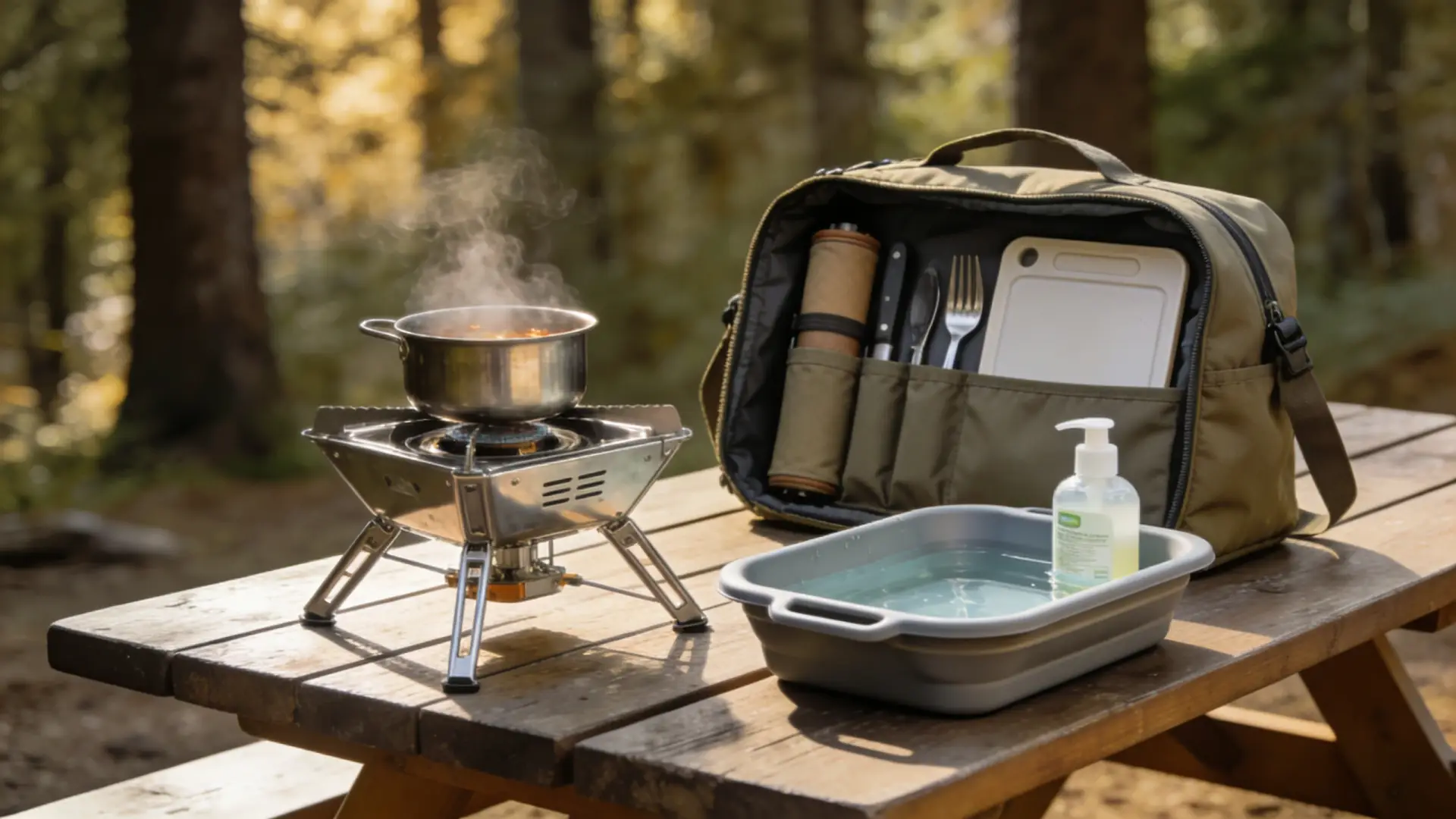
Kitchen water usage includes drinking, cooking, and dishwashing. While none of these individually consumes water at shower-level volumes, they collectively represent 20-30% of typical boondocking water consumption. Strategic planning in the kitchen yields meaningful conservation.
Start with dishwashing, which commonly wastes water through rinsing. Instead of running water continuously while washing dishes, fill your sink basin with soapy water, wash everything, then use a minimal amount of water for rinsing. Some boondockers keep a spray bottle of fresh water specifically for rinsing dishes efficiently. Paper plates and bowls during boondocking trips reduce dishwashing entirely, though this creates waste considerations.
For cooking, choose water-efficient recipes and methods. Cooking pasta in minimal water, using a pressure cooker that requires less liquid, or preparing meals that use leftover cooking water (for soups or watering plants) all contribute. Fill your drinking water bottles from a pitcher rather than running the tap. Even better, keep your drinking and cooking water pre-chilled in the refrigerator rather than running water until it’s cold.
Plan Your Meals Strategically
Before boondocking trips, consider which foods require significant water for preparation. Heavy pasta dishes, rice-based meals, and soups need more cooking water than dry foods, grilled items, or meals using canned goods already containing liquid. Planning lower-water meals during boondocking stretches doesn’t mean sacrificing nutrition or taste—it simply means being intentional about your menu.
Additionally, when you must prepare water-intensive meals, collect the cooking water for other uses. Pasta or potato cooking water contains nutrients plants enjoy. Vegetable washing water can water your outdoor plants or container gardens. This recycling mindset transforms every drop into multiple uses rather than waste.
Strategic Greywater Recycling
Greywater—water from sinks, showers, and tubs that doesn’t contain human waste—represents significant untapped potential for boondocking conservation. Rather than treating all greywater equally, develop a system for recycling clean water strategically.
Shower water collected in buckets can water plants or help with vehicle washing. Vegetable washing water works identically. The catch-and-reuse approach requires planning—place a bucket in your shower during the initial warm-up phase before water reaches ideal temperature, capturing several gallons otherwise wasted. This water, while not drinkable, serves valuable purposes outside the RV. A common mistake is treating greywater collection as complicated when it’s simply mindful capture.
For soapy dishwater, the reuse calculus is different. Dish soap, though biodegradable, shouldn’t be applied to vegetable gardens or areas where it concentrates. However, soapy water can wash vehicles, clean RV exteriors, or scrub dirty equipment. Some boondockers use minimal-soap washing methods specifically to allow greywater recycling into useful applications.
Note that BLM boondocking rules and other locations have specific greywater disposal regulations. Always verify local regulations before implementing greywater systems. Some areas allow dispersal on the ground under specific conditions, while others forbid it entirely. Respecting these rules protects the environment and ensures continued boondocking access for everyone.
Distinguish Between Potable and Non-Potable Applications
The key to safe greywater reuse is understanding what water is appropriate for each purpose. Clean, soap-free water from rinsing vegetables or initial shower wetting works wonderfully for plants and washing. Heavily soapy water or water containing food debris belongs in your greywater tank, not on the land. This distinction protects both your surroundings and your family’s health.
Establish Water-Smart Routines
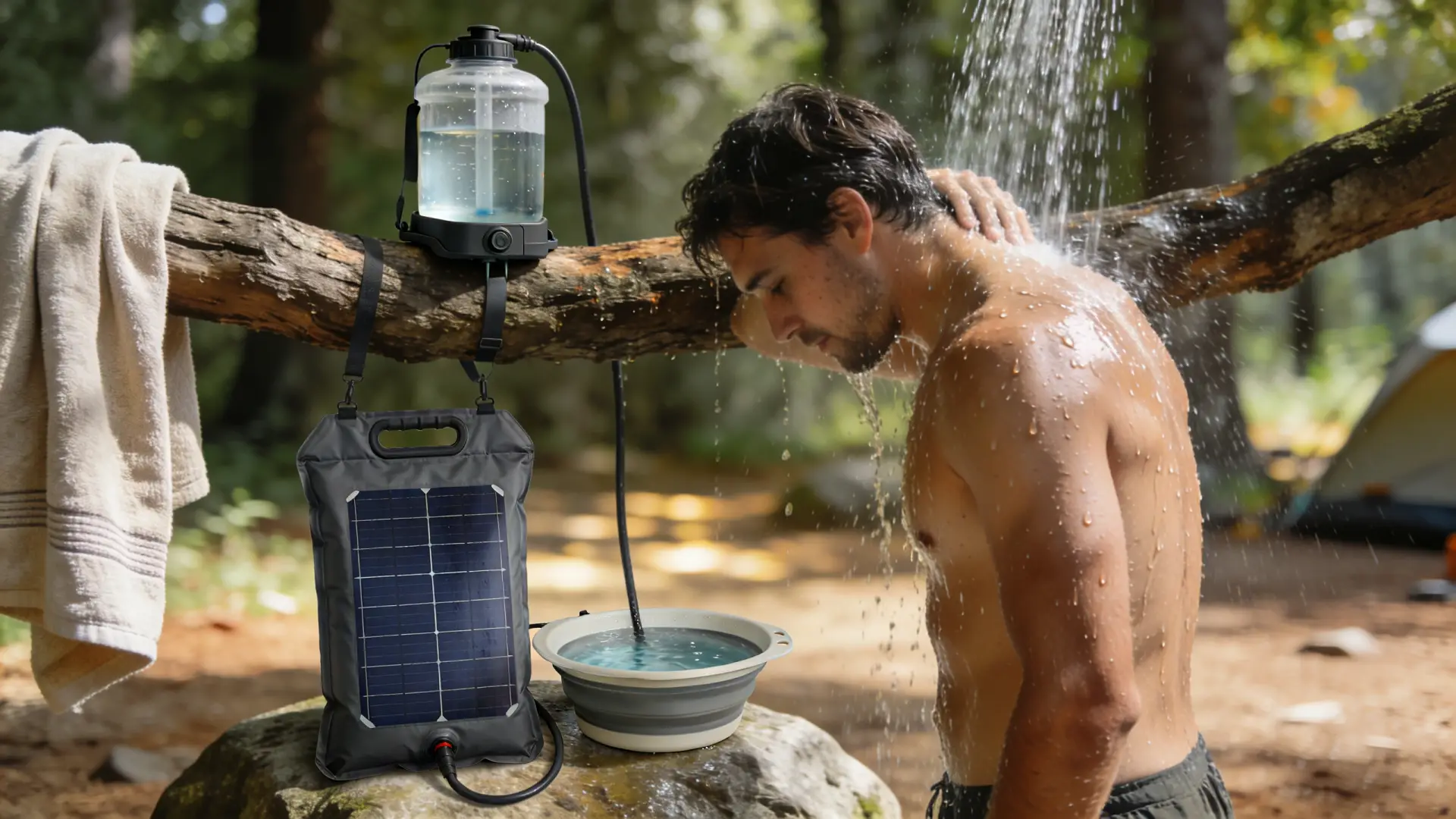
Conservation ultimately depends on habits that become automatic. Rather than constantly thinking about water rationing, you want conservation practices embedded into your daily boondocking routine so they feel natural rather than restrictive.
Begin by creating a simple set of household rules for your RV:
- Turn off the water while soaping hands, brushing teeth, or washing dishes
- Keep showers under 3 minutes using the Navy shower method
- Run the dishwasher or wash dishes only after collecting a full load
- Fill water bottles from a pitcher rather than running the tap
- Check for leaks weekly
- Collect usable greywater in designated buckets
Post these rules where everyone in your RV can see them as reminders. Discuss the reasoning behind each rule so traveling companions understand these aren’t arbitrary restrictions but practical necessities that enable longer, more self-sufficient boondocking adventures.
Adapt Based on Season and Location
Your water conservation strategy should shift with circumstances. During hot, dry seasons, water consumption for drinking and cooling increases, so other uses require more careful rationing. In cooler seasons, you might conserve less aggressively on showers since you’re not losing water to evaporation quite as quickly.
Similarly, if you’re boondocking near reliable water sources, your conservation approach can relax slightly since refills are convenient. However, when camping in remote areas far from water refill stations, conservation efforts intensify. This flexibility prevents boondocking from feeling like permanent deprivation while ensuring you never find yourself stranded without adequate water.
As you gain boondocking experience, you’ll discover your household’s unique water requirements and ideal conservation strategies. What works perfectly for a couple might need adjustment for families with young children. Solo travelers have different considerations than groups. Building flexibility into your approach ensures conservation remains sustainable long-term rather than becoming burdensome.
The bottom line: water conservation while boondocking transforms your RV into a genuinely self-sufficient home capable of thriving off-grid for extended periods. By understanding your tank capacity, fixing leaks promptly, reducing consumption through efficient fixtures and practices, and recycling water creatively, you expand your boondocking possibilities tremendously. These strategies work together synergistically—implementing all of them can effectively double your water autonomy compared to standard RV practices, allowing you to confidently venture further from civilization and enjoy the freedom that boondocking truly offers.
If you’re new to boondocking generally, our complete boondocking guide for beginners covers water conservation alongside other essential skills. Additionally, understanding your RV’s complete off-grid capabilities means evaluating not just water but also power systems. Learn more by reviewing guides on RV solar systems and how long RV batteries last off-grid to plan comprehensive boondocking adventures. For additional location planning, explore resources on finding free camping spots on BLM land and other dispersed camping locations.
Frequently Asked Questions
How many gallons of water do I need per day while boondocking?
The average person uses 12-15 gallons per day for basic hygiene and drinking while boondocking. However, this increases to 50-60 gallons daily per person when including regular showers and dishwashing. By implementing conservation strategies outlined in this guide, you can reduce this to 25-35 gallons per person daily. Your actual needs depend on your family size, climate, and how strictly you practice conservation habits.
Can I use greywater from my shower for drinking?
No, shower greywater should never be consumed. Greywater contains soap, shampoo, and other contaminants that make it unsafe for drinking. However, clean shower water collected during the warm-up phase before you enter the shower—before any soap is used—can safely water plants or wash vehicles. Always distinguish between potable water for consumption and greywater for non-drinking applications.
What’s the fastest way to find a leak in my RV water system?
Turn off all water-using appliances and fixtures, then watch your freshwater tank gauge. If it decreases when nothing is drawing water, you have a leak. To locate it, visually inspect all visible plumbing connections under sinks, around the toilet, and near the water heater. Check for moisture, corrosion, or water dripping. Listen for hissing sounds indicating water escaping under pressure. Most RV leaks occur at connection fittings, which are relatively simple to repair with replacement parts.
How do low-flow showerheads affect water pressure in an RV?
Quality low-flow showerheads reduce water volume from 2.5+ gallons per minute to 1.5-2 gallons per minute while maintaining adequate pressure because the water flow is more concentrated. Most people find the pressure remains satisfactory for effective showering. However, if your RV’s water pump struggles to maintain pressure, a low-flow showerhead might be too restrictive. Test one before committing—most hardware stores accept returns if you’re unsatisfied.
Are there legal restrictions on greywater disposal while boondocking?
Yes, greywater regulations vary significantly by location. Greywater management regulations (Wikipedia) differ between BLM land, national forests, state land, and private property. Some areas allow minimal dispersal under specific conditions, while others prohibit it entirely. Always check regulations for your specific boondocking location before implementing any greywater recycling system. Respecting these rules protects the environment and preserves boondocking access for future users.