
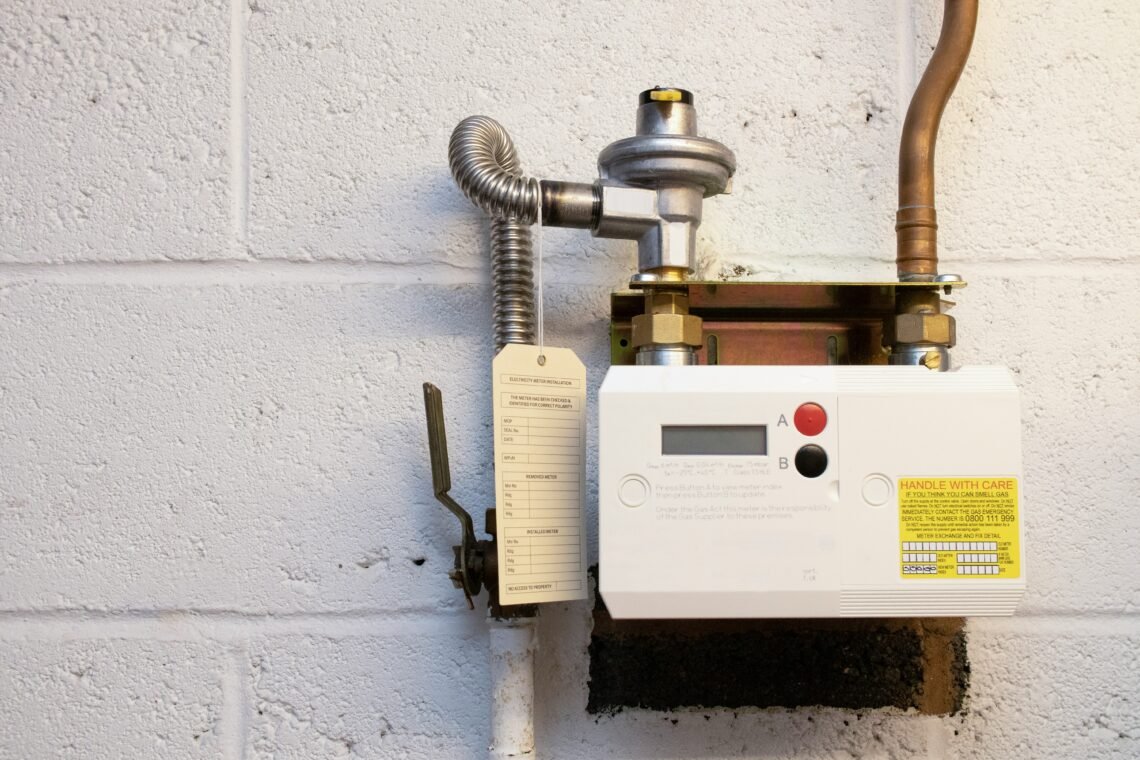
Getting your RV water heater to behave and provide hot water when you need it is pretty important for a comfortable trip. The good news is, it’s not usually rocket science. A little bit of regular attention can go a long way in preventing problems and keeping things running efficiently. The most common issues, like lukewarm water or no hot water at all, can often be traced back to a few key maintenance tasks.
Table of Contents
Protecting Your Investment: The Anode Rod
The anode rod is a smaller, often overlooked part of your RV water heater that actually does a huge job. Think of it as a sacrificial lamb. It’s made of a metal that’s designed to corrode instead of your much more expensive water heater tank. This is particularly important in RVs where the water composition can vary a lot depending on where you are.
Why the Anode Rod Matters
Metal tanks, when constantly exposed to water, naturally want to degrade. The anode rod is a chemical sacrifice. It’s more reactive than the steel of your tank, so it corrodes first, neutralizing the electrochemical process that would eat away at the tank itself. Without a functioning anode rod, your tank is left vulnerable to rust and eventual leaks.
When to Check and Replace
A good rule of thumb is to inspect your anode rod at least once a year. If you frequently camp in areas with hard water, you might need to check it more often, perhaps every six months. The rod will look visibly corroded, sometimes appearing almost completely eaten away. When it’s about half its original diameter or shorter, it’s time for a replacement.
Choosing the Right Rod
When it comes to replacement, you’ll typically find two main types: magnesium and aluminum. Aluminum rods are a popular choice, especially if you’ve ever noticed any funny smells coming from your hot water. Aluminum rods are often recommended for this reason, as they can help combat sulfurous odors. Always check your water heater’s manual to ensure you’re getting the correct thread size and type for your specific Suburban, Atwood, or Dometic model.
The Replacement Process
Replacing an anode rod usually involves a deep socket wrench. Make sure the water heater is turned off and completely drained of water first. This is a crucial safety step. Once drained, you can unscrew the old rod and screw in the new one. Then, refill the tank completely before attempting to turn on the heater.
Proper maintenance of your RV water heater is essential for ensuring its longevity and efficiency. For more detailed tips and insights on maintaining your RV water heater, you can refer to a related article that covers various maintenance techniques and troubleshooting advice. To learn more, visit this article for comprehensive guidance on keeping your RV water heater in optimal condition.
Keeping Things Clean: Flushing and Descaling
Sediment is the enemy of a clean and efficient water heater. Over time, minerals from the water can build up at the bottom of your tank. This buildup not only reduces the amount of hot water you can get but also makes your heater work harder to heat the water, using more fuel or electricity.
The Annual Flush
You should aim to flush your water heater tank at least once a year. Some people do it every six months, especially if they notice issues or camp in known hard water regions. This process involves opening the drain valve at the bottom of the tank and letting all the water out. Often, some sediment will come out with the water. For a more thorough cleaning, you might need to use a hose or wand to try and dislodge stubborn deposits.
Tackling Hard Water Buildup
If you have particularly hard water, you might need to go beyond a simple flush. For this, a descaling solution is often recommended. A common and effective DIY solution is white vinegar. For tankless coil systems, vinegar is particularly useful for dissolving mineral deposits that can clog the coils. You’ll typically fill the tank (or the coils in a tankless system) with vinegar and let it sit for a few hours, or even overnight, before flushing it out thoroughly. Always ensure you’ve flushed out all traces of vinegar before using the hot water.
Don’t Forget the Drain Plugs
When refilling the tank after flushing, make sure you’ve reinserted and tightened the drain plug properly. Missing this step can lead to an unpleasant surprise. Some manufacturers also offer different types of drain plugs, including those designed for easier flushing.
Preparing for the Elements: Winterizing and De-Winterizing
This is probably one of the most critical maintenance steps, especially if you use your RV during colder months or store it where temperatures drop below freezing. Ignoring winterization can lead to catastrophic damage.
The Winterizing Procedure
Before the first freeze, you need to get all the water out of your water heater tank. This involves draining the tank completely and then activating the bypass valve. The bypass valve is a crucial component that allows you to isolate the water heater from the rest of your RV’s plumbing system, stopping antifreeze from being pumped into it and preventing air from entering the tank when you’re using antifreeze elsewhere. Once bypassed, you’ll pump RV antifreeze through your entire plumbing system, including the lines that would normally feed your water heater.
The Springtime Startup: De-Winterizing
In the spring, when you’re ready to start using your RV again, you need to reverse the winterization process. First, you’ll need to turn off the bypass valve and open the water heater drain valve. Then, you’ll run water through your system to flush out the antifreeze. It’s a good idea to sanitize your system at this point as well. A common method is to use a diluted bleach solution. After running the bleach solution through the system, flush everything thoroughly with fresh water until the smell of bleach is completely gone.
Sanitize for Safety
Sanitizing your water system, including the water heater, is a good practice at least twice a year, and especially after de-winterizing. This helps kill any bacteria or mold that might have grown in the system during storage. Always follow the manufacturer’s recommendations for the correct bleach concentration and flushing procedures.
Safety First: Testing Valves and Burners
Your water heater has a few safety features that are essential for its proper and safe operation. Neglecting these can not only lead to performance issues but also pose safety risks.
The T&P Relief Valve Test
The Temperature and Pressure (T&P) relief valve is a critical safety device designed to release excess pressure or temperature from the tank. You should test this valve regularly, at least annually. To test it, you’ll usually find a small lever on the valve. Gently lift the lever for a few seconds. Water should come out of the drain tube. Let the lever go, and it should snap back into place, with no leaks. If the valve is stuck, leaks, or doesn’t operate smoothly, it needs to be replaced immediately.
Keeping the Burner Clean (for gas models)
For gas water heaters, ensuring a clean burner is key to efficient operation. Periodically, you’ll want to inspect the burner tube and orifice. Debris like spiderwebs or dust can accumulate here, disrupting the flame. The goal is to see a nice, clean blue flame. A yellow or flickering flame often indicates a problem. You might need to carefully remove the burner assembly and clean out any obstructions. Also, check the vents to ensure they are free of any blockages that could impede airflow.
Checking for Gas Leaks
When working with gas appliances, including your water heater, it’s always wise to be aware of potential gas leaks. If you ever smell gas, turn off the appliance immediately and investigate. There are specific leak detection solutions you can use to check fittings.
Proper maintenance of your RV water heater is essential for ensuring its longevity and efficiency. Regular checks and servicing can prevent costly repairs down the line. For more insights on maintaining your RV, you might find it helpful to read this article on six essential annual tasks that every RV owner should consider. By following these guidelines, you can keep your RV in top shape and enjoy your travels without any worries.
Electrical Components and General Checks
Whether you have an electric water heater, a gas one, or a combination, there are general checks that apply. These focus on the components that heat the water and the overall condition of the unit.
The Electric Heating Element
If your RV water heater has an electric heating element (a 120V element found in many RVs), this is another component that can suffer from mineral buildup, especially in hard water areas. Scale can form on the element, reducing its efficiency and eventually leading to failure. If you notice your electric heating isn’t producing hot water effectively, the element might be scaled and in need of replacement. These elements screw into the side of the tank, and replacing them requires draining the tank and having the correct wrench.
General Inspections
Beyond specific components, take a moment to look over the entire water heater. Are there any signs of leaks around the tank, connections, or valves? Is the outer casing in good condition? Are there any unusual noises coming from the unit when it’s operating? Regularly monitoring for these signs can help you catch small problems before they become big, expensive ones. Always remember to turn off the power (both electrical and gas) to the water heater before performing any internal checks or maintenance. Consulting your RV’s owner’s manual is also a wise step before undertaking any maintenance tasks.


One comment on “Best RV Water Heater Maintenance Guide: Keep Your System Running Smoothly”