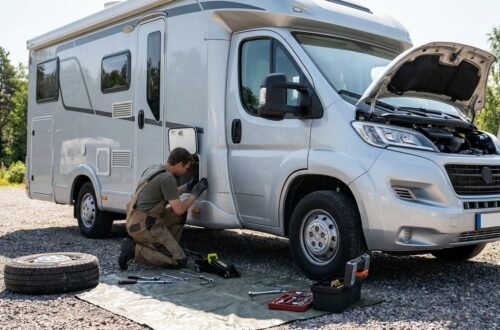
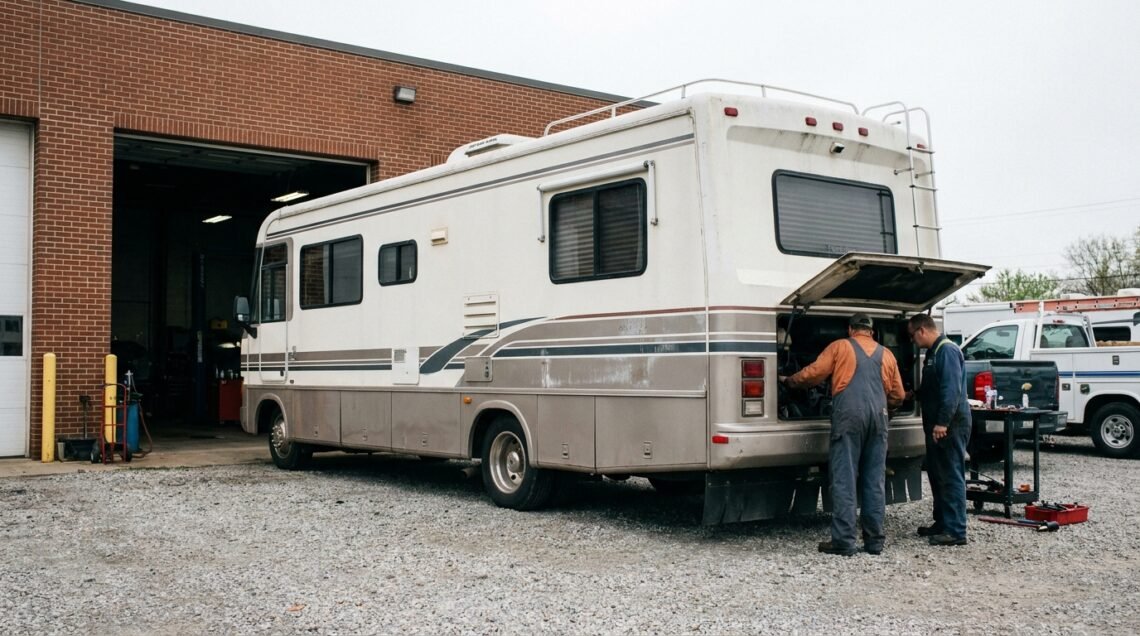
Figuring out how often should you service your RV isn’t as cut and dry as, say, a family car. The quick answer is: it depends a lot on how you use it, how old it is, and what type of RV you have. A good rule of thumb, though, is to plan for some form of service annually, even if it’s just a general check-up. Think of it as a little preventative love for your home on wheels. Ignoring it can lead to bigger, more expensive headaches down the road – literally.
Let’s break down the general rhythm of RV maintenance. It’s not a one-size-fits-all, but these timelines give you a solid starting point.
Table of Contents
Annual RV Check-up
Even if you only take your RV out for a couple of trips a year, an annual check-up is a smart move. This isn’t necessarily a massive overhaul, but more of a thorough inspection. A qualified technician can spot potential issues before they become major problems.
- Before the Season Starts: Many RVers opt for their annual check-up in early spring, right before their camping season kicks off. This way, any needed repairs can be addressed, and you’re ready to hit the road worry-free.
- After the Season Ends: Others prefer an end-of-season check. This is great for fixing anything that might have cropped up during your travels and preparing the RV for winter storage. Some issues, if left alone over winter, can worsen considerably.
Mileage-Based Service
Just like your car, your RV has components that wear out with use. If you’re a full-timer or travel extensively, you’ll need to pay closer attention to mileage.
- Engine and Chassis: The engine and chassis components (like brakes, suspension, and steering) usually follow mileage-based service intervals similar to a truck. Consult your RV’s chassis manufacturer manual for specific recommendations. This could be every 5,000 to 10,000 miles for oil changes and more extensive checks at higher intervals.
- Tires: Tire wear is a big one. Even if they look good, tires can age out. Inspect them before every trip for signs of wear and tear, correct inflation, and any damage. Most RV tires have a recommended replacement age, often around 5-7 years, regardless of tread.
When considering how often to service your RV, it’s also important to think about your travel plans and where you intend to camp. For instance, if you’re planning to explore off-the-beaten-path locations, you might find the article on the best boondocking apps helpful. These apps can assist you in finding free campsites, which can enhance your RV experience. You can read more about it in this article: The 6 Best Boondocking Apps for Finding Free Campsites.
Why Your RV Type Matters
The kind of RV you own significantly impacts its service needs. A pop-up camper won’t demand the same attention as a diesel pusher, for instance.
Motorhomes (Class A, B, C)
Motorhomes are essentially a house built on a truck chassis. This means you have two distinct sets of maintenance to consider: the vehicle part and the house part.
- Engine & Drivetrain: These require regular service based on mileage and time, just like any other vehicle. This includes oil changes, transmission fluid checks, brake inspections, and cooling system maintenance. Don’t skip these; they’re crucial for avoiding breakdowns on the highway.
- Generator: Your onboard generator is indispensable for boondocking. It has its own service schedule, often based on hours of operation. Overlooking generator maintenance can lead to a dead generator when you need it most. Check the generator manual for specific oil change and filter replacement intervals.
- Chassis Components: Suspension, steering, and kingpins (on some models) need periodic inspection and lubrication. These are heavy vehicles, and wear on these parts can affect handling and safety.
Towables (Travel Trailers, Fifth Wheels, Pop-ups)
Towable RVs don’t have an engine, but they have their own unique set of service requirements.
- Axles and Brakes: These are paramount for safety. Wheel bearings need to be inspected and repacked with grease periodically – often annually or every 10,000-12,000 miles. Brake pads and systems need regular checks as well. A failed wheel bearing can be a serious roadside emergency.
- Frame and Hitch: The structural integrity of your towable is vital. Inspect the frame for cracks or rust, especially around stress points. Your hitch connection point on both the RV and tow vehicle should be checked for wear.
- Roof and Exterior Seals: Because towables are often stored outdoors, their roofs and seals take a beating. Leaks are the enemy of an RV. Regular inspection and resealing are critical.
Key Areas to Focus On
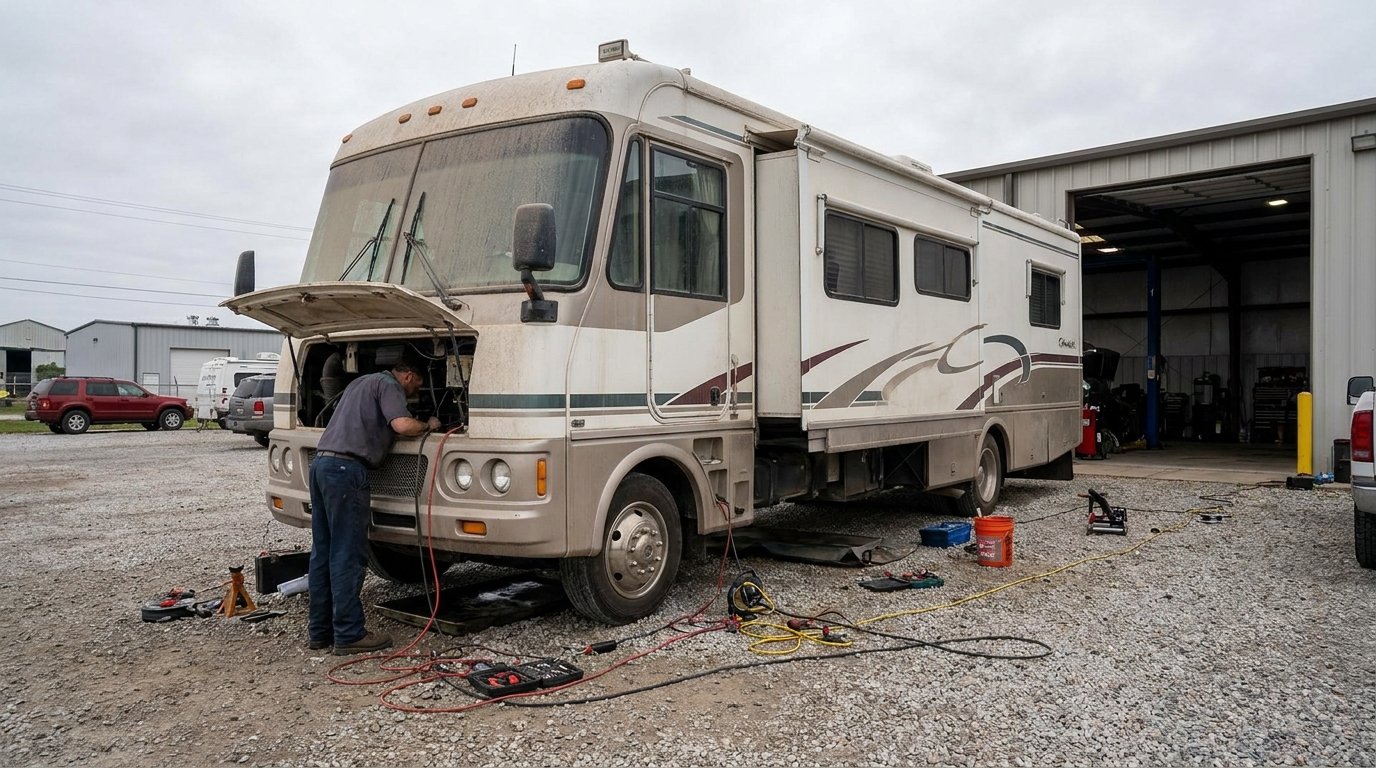
Regardless of your RV type, some components are universally important and demand consistent attention.
The Roof – Your First Line of Defense
The roof is often the most neglected, yet most important, part of your RV’s exterior. It takes the brunt of sun, rain, and snow.
- Sealant Inspection: This can’t be stressed enough. Walk your roof at least twice a year – more if your RV is exposed to harsh weather or tree debris. Look for cracks, separations, or peeling in the sealant around all vents, skylights, and edges. If you see any, clean the area and apply new, appropriate sealant immediately.
- Cleaning: Regular cleaning prevents mildew and moss growth and helps you spot issues. Use RV-specific roof cleaner; harsh chemicals can damage roofing materials.
- Damage Check: After heavy storms or traveling through areas with low-hanging branches, check for punctures or tears.
Tires – Where the Rubber Meets the Road
Your tires are your only connection to the pavement, making their condition critical.
- Inflation: This is an everyday check, truly. Proper tire pressure (cold pressure, before you drive) is vital for safety, handling, and tire longevity. Under-inflated tires generate excessive heat and are a leading cause of blowouts. Always follow the manufacturer’s recommended pressure, not the maximum pressure listed on the tire itself.
- Condition: Regularly inspect the sidewalls and tread for cracks, bulges, cuts, or uneven wear. Uneven wear can indicate alignment or suspension issues.
- Age: RV tires often “age out” before they “wear out.” Rubber compounds degrade over time, even with good tread. Check the DOT code on your tires to determine their age. Most experts recommend replacement after 5-7 years, regardless of how much tread is left.
Plumbing System – Fresh Water to Waste Water
From filling up to dumping, your plumbing system needs attention to function flawlessly.
- Water Heater: Drain and flush your water heater annually to prevent sediment buildup, which can reduce efficiency and lead to premature failure. Inspect the anode rod (if applicable) and replace it as needed.
- Water Pump: Check for proper operation and any leaks at the connections.
- Tanks (Fresh, Grey, Black): Flush your black tank thoroughly after every dump. Periodically, you might want to perform a deeper clean using RV tank cleaners to prevent sensor malfunctions and odors.
- Faucets and Shower Heads: Check for leaks or drips. Even small leaks can waste water and damage interior components over time.
- Winterization/De-winterization: If you live in a cold climate, proper winterization is essential to prevent pipes from freezing and bursting. De-winterizing in the spring involves flushing the system and checking for any issues that might have arisen over the cold months.
Electrical System – Powering Your Adventures
Your RV’s electrical system is a complex network, from shore power to battery power.
- Batteries: Inspect your house batteries regularly. If they are flooded (wet cell) batteries, check the water levels and top up with distilled water. Clean any corrosion from the terminals. Test battery voltage; weak batteries can cause a host of issues.
- Shore Power Cord & Generator Cables: Inspect these for fraying, cuts, or damaged plugs. Damaged cords can be a fire hazard.
- Inverter/Converter: Ensure these are functioning correctly. The converter charges your house batteries when plugged into shore power, and the inverter converts 12V DC power to 120V AC power for certain appliances.
- Fuses & Breakers: Know where these are located and how to check/replace them. Carry spares.
- 12V System Checks: Test all your 12V lights, fans, and appliances periodically.
Propane System – For Cooking and Heating
Propane is a convenient fuel, but a system that requires respect and safety checks.
- Tank Inspection: Visually inspect your propane tanks for rust or damage. Ensure the relief valve is pointing away from the RV.
- Regulator and Hoses: Inspect the propane regulator and hoses for cracks, wear, or leaks. Hoses can degrade over time due to UV exposure.
- Leak Detection: Use a gas leak detector (available at RV supply stores) or a soapy water solution sprayed on connections to check for leaks. If you smell propane, evacuate the RV and have it professionally checked immediately.
- Appliance Function: Periodically check that your propane appliances (stove, oven, furnace, water heater) are igniting and operating correctly.
The Importance of Your Manuals
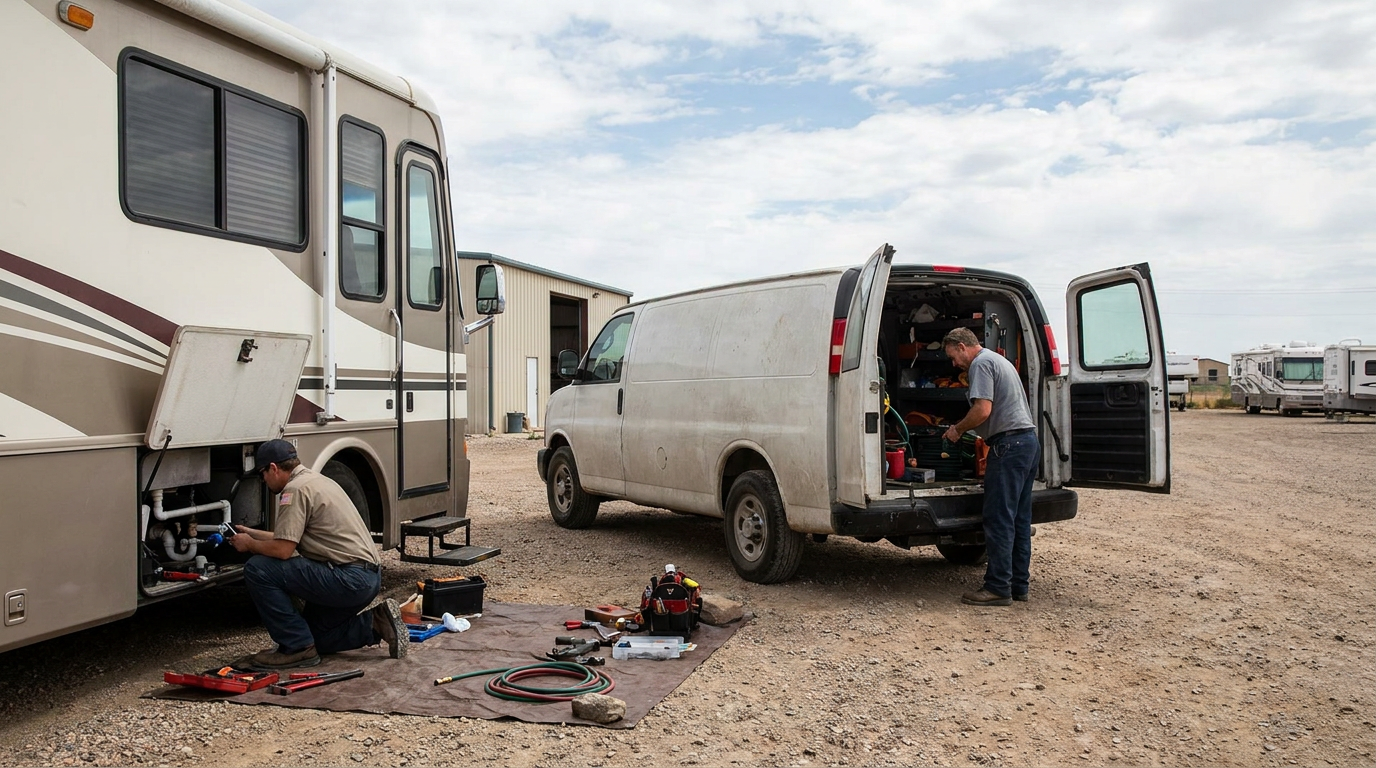
This isn’t generic filler; it’s genuinely crucial. Your RV comes with a stack of manuals for a reason.
Manufacturer Recommendations
Each RV, and every component within it, has specific maintenance guidelines from its manufacturer. These manuals are your ultimate authority.
- RV Manual: Your RV’s overall manual will outline general maintenance, specific checks for its unique features, and often includes checklists for seasonal preparation.
- Component Manuals: Every major appliance (water heater, furnace, refrigerator, air conditioner, generator, chassis for motorhomes) comes with its own manual. These detail service intervals, troubleshooting, and specific care instructions. Bookmark or highlight the maintenance sections.
Creating a Personalized Schedule
Once you’ve reviewed all your manuals, you can build a maintenance schedule that’s tailored to your RV and how you use it.
- Maintenance Log: Keep a detailed log of all maintenance performed, including dates, mileage/hours, and what was done. This helps you track what’s due and is invaluable if you ever sell your RV.
- Seasonal Checklists: Develop checklists for pre-trip, post-trip, and seasonal (winterization/de-winterization) tasks. This helps ensure nothing important is overlooked.
When considering how often to service an RV, it’s essential to understand the various factors that can influence maintenance schedules, such as usage frequency and travel conditions. For a deeper insight into RV care and best practices, you might find it helpful to read this related article on RV maintenance tips. By staying informed, you can ensure your vehicle remains in optimal condition for your adventures. For more information, check out this resource that provides valuable guidance on RV upkeep.
When to Call a Professional
| Service Type | Frequency |
|---|---|
| Oil Change | Every 3,000-5,000 miles or once a year |
| Tire Rotation | Every 6,000-8,000 miles or once a year |
| Brake Inspection | Every 12,000-15,000 miles or once a year |
| Battery Check | Every 6 months |
While many RV maintenance tasks are DIY-friendly, some things are best left to the experts.
Complex Repairs
Anything involving engine internals, transmission work, major electrical system overhauls, or significant structural repairs should typically be handled by a certified RV technician or a specialist shop.
- Safety Critical Systems: Brakes, propane systems, and major suspension components are areas where a professional’s expertise is paramount for your safety and the safety of others on the road.
- Diagnostic Tools: RV service centers have specialized diagnostic tools to pinpoint issues that might be invisible to the untrained eye.
Warranty Considerations
If your RV is still under warranty, be mindful of recommended service intervals. Failing to adhere to them could void certain warranty coverages. Always keep records of professional services.
Ultimately, maintaining your RV is an ongoing partnership between you and your home on wheels. By staying on top of these checks and services, you’ll ensure many happy, trouble-free miles and keep your adventures rolling smoothly.
FAQs
1. What is the recommended frequency for servicing an RV?
The general recommendation is to service your RV at least once a year, regardless of how often it is used. However, if you use your RV frequently or for long trips, it may be beneficial to service it more often, such as every 6 months.
2. What does RV servicing typically include?
RV servicing typically includes checking and changing the engine oil, inspecting and replacing filters, checking and topping off fluids, inspecting the brakes, checking the tires, inspecting the electrical system, and checking the overall condition of the RV.
3. Why is regular servicing important for an RV?
Regular servicing is important for an RV to ensure that it is safe to operate, to prevent breakdowns and costly repairs, and to maintain its value. It also helps to identify and address any potential issues before they become major problems.
4. Are there any specific maintenance tasks that RV owners can do themselves?
Yes, there are several maintenance tasks that RV owners can do themselves, such as checking and topping off fluids, inspecting and maintaining the tires, and checking the battery. However, it is important to follow the manufacturer’s guidelines and to have a professional handle more complex tasks.
5. What are the consequences of neglecting RV servicing?
Neglecting RV servicing can lead to safety hazards, such as brake or tire failure, as well as costly repairs due to issues that could have been prevented with regular maintenance. It can also result in decreased fuel efficiency and overall performance of the RV.