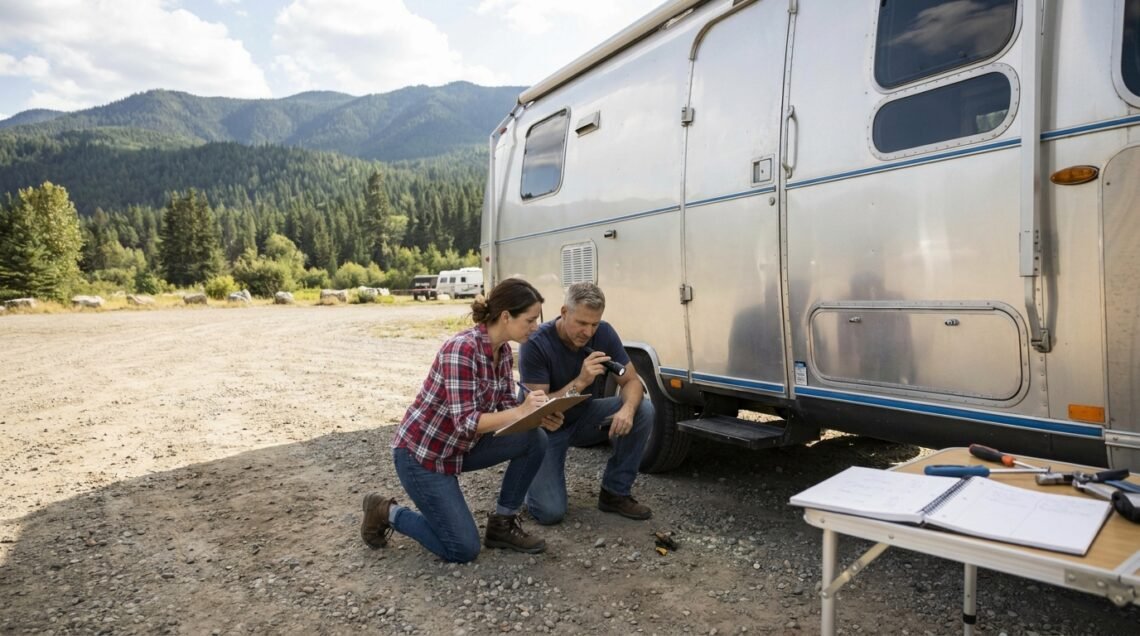
Buying a used travel trailer can be a fantastic way to get out and explore without breaking the bank. But with any used purchase, especially something as complex as an RV, a little due diligence goes a long way. So, what should you be looking for when you’re checking out a pre-owned travel trailer? The absolute first thing to focus on is water damage. This is the silent killer of RVs and can lead to costly repairs if not caught early. Think of it like this: if water gets in, it can cause rot, mold, and structural compromises that are often hidden from plain sight.
Table of Contents
Diving Deep into Water Damage Detection
When you’re looking at a used travel trailer, your primary mission is to be a water detective. This isn’t just about a quick glance; it’s a thorough, systematic search for any sign that water has found its way inside and decided to set up camp. Leaks can start small, but over time, they can wreak havoc on the trailer’s structure and interior.
The Roof: Your First Line of Defense
The roof is arguably the most critical area to inspect for water intrusion. Start by looking at the seals around any vents, skylights, antennas, or air conditioners. Are they cracked, peeling, or missing? Gently push on the sealant; it shouldn’t be brittle or easily give way. Next, walk on the roof if it’s safe to do so (some RV roofs are not meant for walking on, so be cautious or use a ladder). Feel for any soft spots or spongy areas. These indicate that the underlying decking might be compromised. Also, scan the entire surface for any visible cracks, punctures, or areas where the material looks worn or damaged. Look for discoloration or streaks that could be signs of past leaks.
Ceilings and Walls: Following the Water’s Path
Inside, your eyes should be drawn to the ceilings and where they meet the walls. Look for any yellowing, staining, or dark spots, especially around seams, corners, and any fixtures. Gently press on the ceiling panels. Do they feel firm or soft and mushy? If you notice any sagging, that’s a big red flag. For the walls, inspect them from the inside and outside. Pay close attention to the seams where walls meet the floor, ceiling, and any corners. Look for any bulging, cracking, or separation of the interior paneling. Sometimes, water damage can cause the wallpaper to bubble or peel.
Floors: The Foundation of Trouble
The floor is another area where water damage can be particularly insidious. While it might be covered by carpet or linoleum, you can still get a good sense of its condition. Start by walking around the trailer, paying attention to any areas that feel soft, spongy, or creaky. This is especially common near entry doors, bathrooms, and kitchens. If there’s carpet, try to lift a corner in less visible areas to check the subfloor beneath for any signs of dampness, mold, or rot. If the flooring is linoleum or vinyl, look for any signs of buckling or lifting, which can happen if the subfloor underneath has softened.
Storage Bays and Seals: Hidden Vulnerabilities
Don’t forget the exterior storage compartments or “basement” areas. These are prime spots for water to collect. Open all doors and thoroughly inspect the floors, walls, and ceilings of these bays. Look for dampness, rust on metal components, mold, or mildew. Check all the seals around these compartment doors. Are they intact and creating a good barrier? Damaged seals here can allow rain and road spray to seep into the trailer’s underbelly.
If you’re considering purchasing a used travel trailer, it’s essential to be well-informed before making your decision. A great resource to complement your research is the article on the importance of understanding RV maintenance and care, which can help you keep your new investment in top shape. For more insights, check out this related article on RV Lore: Understanding RV Maintenance and Care.
Exterior and Frame: The Trailer’s Skeleton
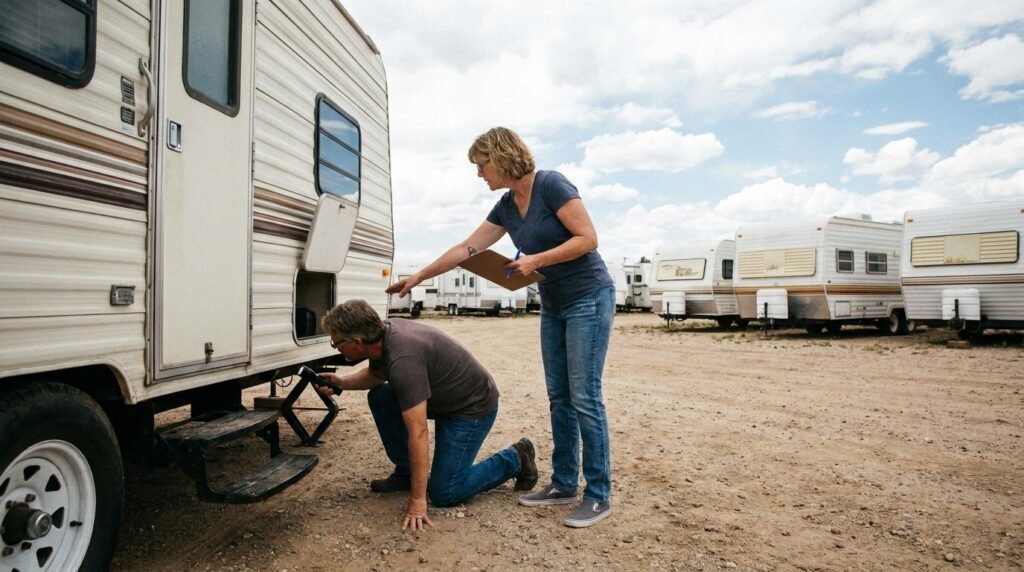
Once you’ve satisfied your water-damage concerns, it’s time to look at the trailer’s structural integrity. The exterior and frame are what hold everything together, and any issues here can be serious and expensive to fix. Think of this as assessing the trailer’s overall health and sturdiness.
Body and Shell: Looking for Scars
Walk around the entire exterior of the trailer. Look for any significant dents, deep scratches, or cracks in the fiberglass or aluminum siding. While minor cosmetic blemishes are expected on a used RV, major damage could indicate a past impact or structural stress. Pay special attention to areas where panels meet, like around windows, doors, and storage compartments. You’re looking for delamination, which is when the layers of the trailer’s wall separate, often caused by water or improper manufacturing. This can look like bubbling or wavy sections of the exterior. Also, check for any damaged or missing trim pieces; these not only affect aesthetics but can also be entry points for water.
The Undercarriage and Frame: The Backbone
Get down and dirty (safely, of course) and inspect the undercarriage. This is where the trailer’s frame and running gear are located. Look for any signs of rust or corrosion on the chassis, the main structural beams, and any crossmembers. Surface rust might be manageable, but deep, flaky rust or holes are serious problems. Check the condition of the frame itself. Are there any bends, cracks, or signs of repair that look questionable?
Tongue and A-Frame: The Connection Point
The tongue of the trailer, including the A-frame (the V-shaped part that connects to your tow vehicle), is a critical stress point. Inspect it thoroughly for rust, cracks, or any signs of bending. Check the welds; they should look solid and consistent, not lumpy or uneven. Ensure the safety chain attachment points are secure and not corroded.
Systems Check: Making Sure Everything Works
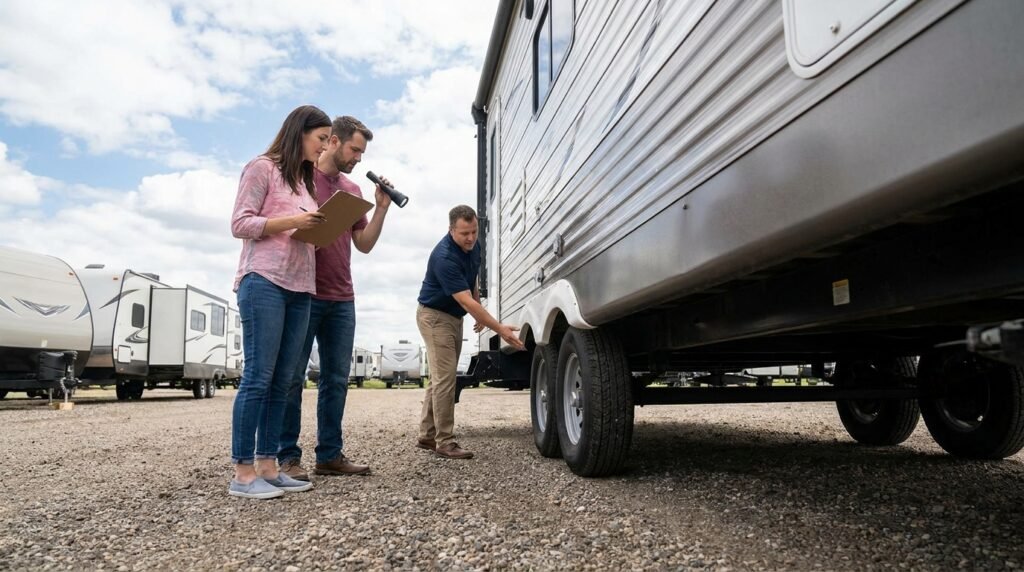
This is where you’ll want to roll up your sleeves and test everything. A travel trailer is a complex piece of equipment with plumbing, electrical, and gas systems. It’s crucial to verify that these systems are functioning correctly. Don’t just take the seller’s word for it; see it and test it yourself.
Electrical Systems: Lights, Power, and More
Start by checking the trailer’s battery. Is it present and does it look reasonably clean and well-maintained? If possible, try to test the trailer’s 12-volt system. Turn on interior lights, fans, and any 12-volt appliances. If you can, hook up to shore power (a standard campground electrical outlet) and test the 120-volt system. Turn on the air conditioner, microwave, outlets, and any other AC-powered devices. If you have access to a generator, testing with that would be even better. Check the breaker panel and fuses; make sure they are labeled clearly and don’t show signs of overheating or corrosion.
Plumbing: Water Flow and No Leaks
The plumbing system is vital for comfort. Turn on the water pump and check if it primes and pumps water effectively. Open all the faucets (hot and cold) and check for good water pressure. Inspect under all sinks, around the toilet, and near the shower or tub for any signs of leaks. Look for drips, dampness, or water stains. Check the water heater; look for any leaks around it. If possible, and if the seller has a water source available, try filling and draining the freshwater tank.
Propane and Appliances: The Heart of the Kitchen and Heat
The propane system powers many essential components. Ensure the propane tanks are present, have good regulators, and don’t show significant corrosion. If you can, turn on the propane and test the appliances that run on it. This includes the stove burners, oven, refrigerator (if propane-powered), and the furnace. Make sure the refrigerator cools down on propane. The furnace should blow warm air. If the trailer has a gas water heater, test that as well.
HVAC: Staying Comfortable
The air conditioner and furnace are crucial for comfortable camping. As mentioned, test both. For the AC, ensure it blows cold air. For the furnace, it should blow warm air. Listen for any unusual noises coming from the units.
Tires, Awning, and Other Essentials
These are often overlooked but are very important for the trailer’s functionality and safety. A worn-out tire can be a disaster waiting to happen, and a faulty awning can be a nuisance.
Tires: Rolling Safely
Your tires are what keep you on the road, so they need to be in good condition. Inspect all tires for tread depth. Are they significantly worn down? Look for any cracks or dry rot, especially on the sidewalls. Check the tires for bulges or uneven wear patterns, which could indicate alignment issues or suspension problems. Crucially, check the age of the tires. Tires have a lifespan, typically around six to ten years, regardless of tread depth. Look for the DOT code on the sidewall; the last four digits indicate the week and year of manufacture. Older tires, even if they look good, should be replaced. Don’t forget to check the spare tire as well.
Awnings: Shelter from the Sun and Rain
Most travel trailers come with an awning. Fully extend the awning to check its condition. Inspect the fabric for any rips, tears, stains, or mildew. Check the mechanism that extends and retracts the awning. Does it operate smoothly? Are there any signs of bending or damage to the support arms? A poorly functioning awning can be difficult and expensive to repair or replace.
Other Exterior Components
While you’re outside, give a good look to the door seals, window seals, and any other exterior penetrations. Ensure they are pliable and not cracked. Check the condition of the steps; are they sturdy and secure? Look at the exterior lights (running lights, brake lights, turn signals) and test them if you can connect to a tow vehicle or have a 7-pin connector adapter.
When considering the purchase of a used travel trailer, it’s essential to be well-informed about the various factors that can influence your decision. A helpful resource to complement your buying checklist is the article on RV ownership tips, which provides valuable insights into maintaining your investment and ensuring a smooth experience. You can read more about it in this related article. By combining the information from both sources, you’ll be better equipped to make a wise purchase and enjoy your adventures on the road.
Paperwork and Towing Fit: The Final Checks
| Checklist Item | Details | Recommended Action | Importance Level |
|---|---|---|---|
| Exterior Condition | Check for rust, dents, cracks, and water damage | Inspect thoroughly and note any repairs needed | High |
| Tires and Wheels | Assess tire tread depth, cracks, and wheel alignment | Replace tires if worn or damaged; check wheel bearings | High |
| Roof and Seals | Look for leaks, cracks, and sealant condition | Test for leaks and reseal if necessary | High |
| Electrical System | Test lights, outlets, battery, and wiring | Verify all electrical components function properly | Medium |
| Plumbing System | Check water pump, pipes, tanks, and faucets | Run water system and inspect for leaks or damage | Medium |
| Appliances | Test refrigerator, stove, heater, and air conditioner | Ensure all appliances operate safely and efficiently | Medium |
| Interior Condition | Inspect walls, flooring, furniture, and cabinetry | Look for signs of wear, damage, or mold | Medium |
| Brakes and Suspension | Check brake pads, lines, and suspension components | Test brakes and inspect suspension for wear | High |
| Hitch and Coupler | Examine for rust, cracks, and secure attachment | Ensure hitch is compatible and in good condition | High |
| Documentation | Verify title, registration, and maintenance records | Confirm ownership and service history | High |
Before you hand over any money, there are a couple of critical administrative and practical steps to take. This ensures you’re buying a trailer with a clear title and that it’s actually suitable for your towing needs.
Title and VIN Verification
This is non-negotiable. You absolutely must see the title (or pink slip) for the trailer. Verify that the seller’s name is on the title and that it matches their identification. Check that the Vehicle Identification Number (VIN) on the title matches the VIN on the trailer itself (usually found on the frame or a sticker near the front). Run a VIN check through a service like CarFax or AutoCheck to look for any history of salvage, flood damage, or major accidents. Ask for any maintenance records the seller might have; this can give you insight into how well the trailer has been cared for.
Confirm Towing Compatibility
This is a crucial step that many first-time buyers overlook. You need to ensure your tow vehicle is capable of safely towing the travel trailer. This involves understanding Gross Vehicle Weight Rating (GVWR) for the trailer and the trailer’s Dry Weight. Your tow vehicle has a maximum towing capacity. You also need to consider tongue weight, which is the downward force the trailer tongue exerts on your hitch. An undersized tow vehicle is a recipe for disaster on the road. Check your tow vehicle’s owner’s manual for its specific towing capacities and requirements. You’ll also need to ensure your hitch system is appropriate for the trailer’s tongue weight and the vehicle’s capabilities.
Professional Inspection: The Safety Net
If you’ve gotten this far and are still interested in the trailer, it’s highly recommended to get a professional RV inspection. Many qualified RV technicians or independent inspectors offer this service. They have the experience and tools to identify issues that you might miss. This inspection can give you peace of mind or provide you with leverage to negotiate the price if minor issues are found. It’s a small investment that can save you a lot of headaches and money down the road.
By following this comprehensive checklist, you’ll be well-equipped to make an informed decision when buying a used travel trailer. Happy camping!
FAQs
What should I look for when buying a used travel trailer?
– Check for signs of water damage, inspect the tires for wear, test all appliances, and ensure all systems (electrical, plumbing, HVAC) are in working order.
How can I determine the condition of a used travel trailer?
– Look for any signs of rust, corrosion, or leaks. Check the overall cleanliness and maintenance of the trailer. Consider hiring a professional inspector for a thorough assessment.
What documents should I ask for when purchasing a used travel trailer?
– Request the title, registration, maintenance records, and any warranties that may still be valid. Ensure all paperwork is in order before finalizing the purchase.
Are there specific brands or models of used travel trailers that are recommended?
– Popular brands known for their quality and durability include Airstream, Jayco, and Winnebago. Research different models to find one that suits your needs and budget.
What are some tips for negotiating the price of a used travel trailer?
– Research the market value of the specific make and model you are interested in. Point out any issues or needed repairs to leverage a lower price. Be prepared to walk away if the seller is not willing to negotiate.