
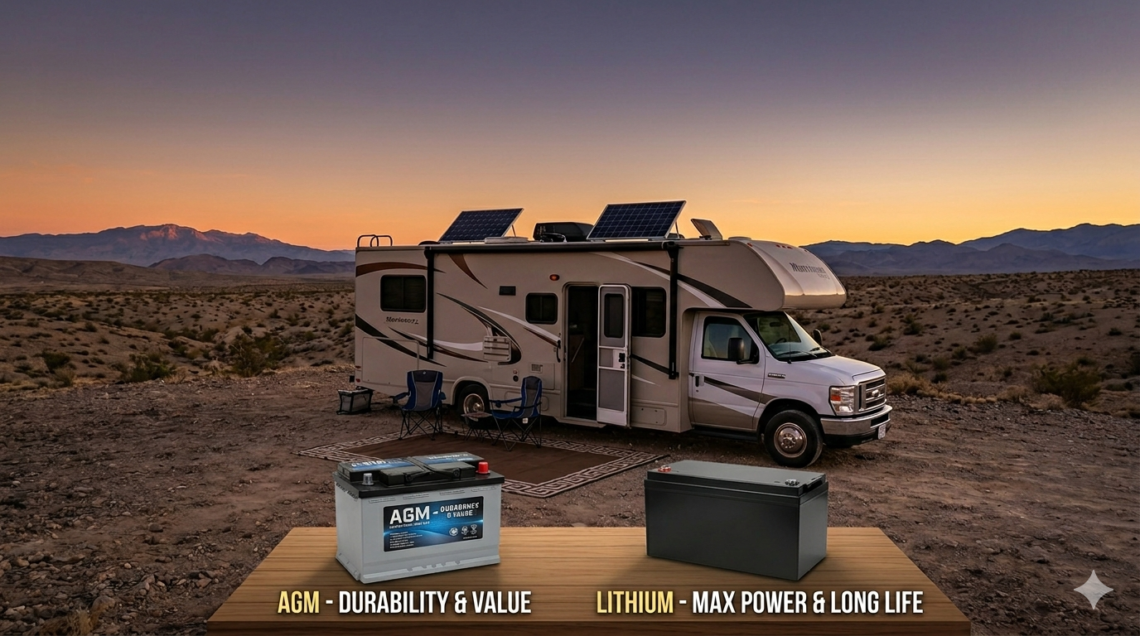
So, you’re eyeing up some serious boondocking adventures and looking for the Best RV battery that will hold up when you’re off the grid? It’s a common question, and the short answer is, for most people looking for the best performance and longevity for extended off-grid stays, lithium (specifically LiFePO4) batteries generally win out over AGM batteries. But it’s not quite that simple, and your specific needs and budget play a big role. Let’s break it down.
When you’re boondocking, you’re essentially bringing your entire power system with you. No grid hookups means everything from your lights and fridge to your phone chargers and any entertainment systems is running off your RV batteries. This means you need a battery that can not only store a good amount of energy but also deliver it reliably and, crucially, get recharged efficiently, especially if you’re relying on solar power.
How Much Power Do You Actually Use?
Before even thinking about battery types, it’s worth taking a realistic look at your power consumption.
Calculating Your Daily Amps: A Practical Approach
Grab a notebook or your phone and do a quick inventory. List out all the appliances and devices you use regularly when boondocking. For each item, try to figure out its wattage. You can usually find this on a label on the appliance itself. Then, consider how many hours per day you use each item.
- Watts / Voltage = Amps (Most RVs use 12V, so Watts / 12 = Amps)
- Amps x Hours Used = Amp-hours (Ah) per day
Add up the Ah for all your devices to get a rough estimate of your daily power draw. This number is your starting point for sizing your battery bank. A common mistake is underestimating this, leading to a battery bank that’s too small, constantly running on fumes, and potentially damaging your batteries.
The Impact of “Usable Capacity”
This is a huge differentiator between battery types. You might see a battery advertised with a certain Amp-hour (Ah) rating, but you can’t actually use all of it.
AGM’s “Depth of Discharge” Limitation
AGM batteries are typically lead-acid, and their usable capacity is often limited to about 50% before you risk damaging them. This means a 100Ah AGM battery might only give you about 50Ah of usable power. To get 100Ah of usable power, you’d need a 200Ah battery bank.
Lithium’s Superior Depth of Discharge
Lithium Iron Phosphate (LiFePO4) batteries, on the other hand, can typically handle 90-100% depth of discharge. So, that same 100Ah lithium battery can actually provide close to 100Ah of usable power. This is a massive advantage when you’re out for extended periods and every amp-hour counts.
When considering the best RV battery for boondocking, it’s essential to weigh the benefits of AGM versus lithium options. Both types have their advantages, but understanding how they fit into your overall RV setup is crucial. For instance, if you’re also looking to optimize your RV’s energy consumption, you might find it helpful to read about the costs associated with RV appliances, such as refrigerators. This can provide insight into how your battery choice impacts overall energy efficiency. For more information, check out this related article on the cost of RV refrigerators: What is the Cost of an RV Refrigerator?.
AGM Batteries: The Reliable Workhorse (with Caveats)
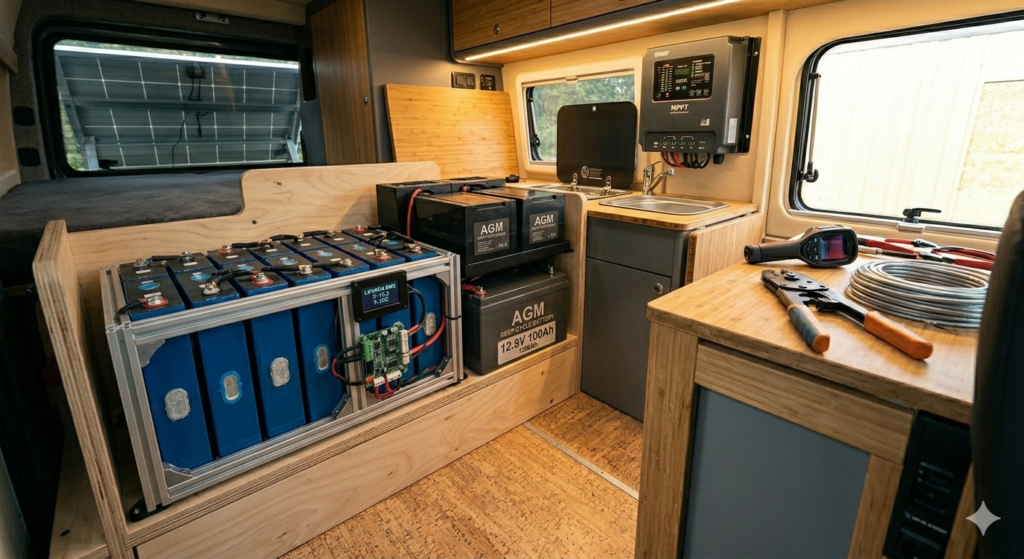
AGM (Absorbent Glass Mat) batteries have been the go-to for RVers for a long time, and for good reason. They offer a good balance of performance and cost for many applications.
Pros of AGM for RVs
- Cost-Effectiveness (Upfront): Generally, AGMs have a lower initial purchase price compared to lithium batteries. This can be a significant factor for budget-conscious RVers.
- Proven Technology: They’ve been around for a while, and most RV systems are designed to work well with them.
- Spill-Free Design: Unlike traditional flooded lead-acid batteries, AGMs are sealed and don’t require maintenance like topping up with water. They are also more vibration-resistant.
- Cold Weather Charging: AGMs can handle charging in colder temperatures better than some lithium batteries without special precautions, though performance will still be reduced.
Cons of AGM for Boondocking
- Limited Usable Capacity: As mentioned, that 50% usable capacity means you need a much larger and heavier battery bank to achieve the same usable power as lithium.
- Slow Recharge Times: AGMs take a considerable amount of time to recharge, especially from a depleted state. If you have limited sun or a less powerful generator, this can be a major bottleneck for boondocking. We’re talking 6-10 hours or more for a full recharge from a significant discharge.
- Shorter Lifespan: Compared to lithium, AGMs have a significantly shorter cycle life. You might get 300-1,000 charge/discharge cycles out of an AGM battery, depending on usage and maintenance. This means you’ll likely be replacing them more frequently over the years.
- Voltage Drop: As AGMs discharge, their voltage can drop noticeably, which can affect the performance of some 12V appliances.
- Weight: Because you need more of them to get the same usable capacity, AGM battery banks can be extremely heavy, which can be a concern for RVs with weight limitations or for ease of installation and removal.
Top AGM Picks for Boondocking (If Budget is Primary)
If you’re leaning towards AGM due to budget, look for reputable brands known for deep-cycle performance. Renogy Deep Cycle AGM batteries (like their 100Ah or 200Ah models) are often mentioned as a solid, budget-friendly choice. They offer decent reliability for their price point and are spill-free, which is a win for RV environments. Just be aware of their limitations for intensive boondocking.
Lithium Batteries (LiFePO4): The Boondocking Champ
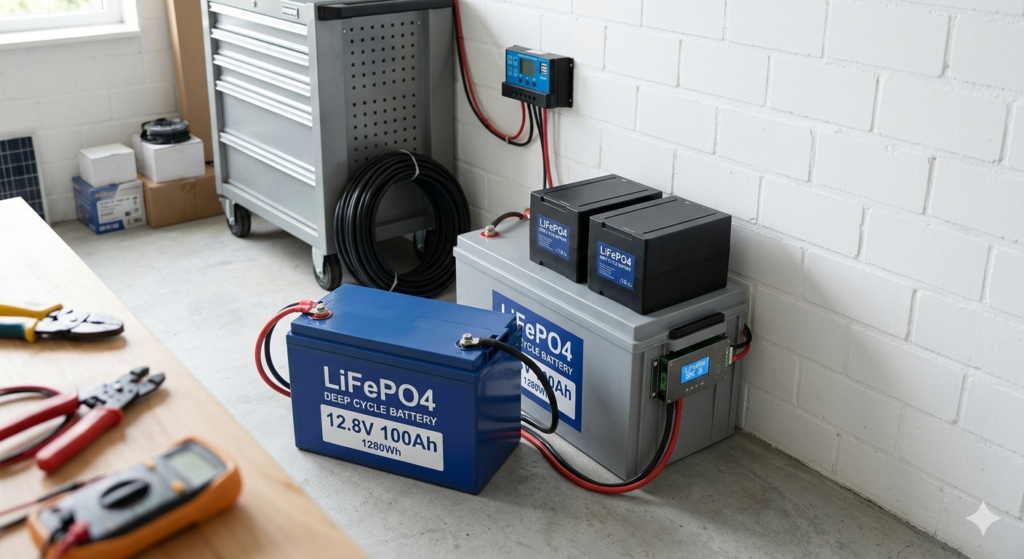
Lithium Iron Phosphate (LiFePO4) batteries have surged in popularity for RV boondocking, and for good reason. They offer a host of advantages that directly address the challenges of off-grid power.
Pros of Lithium (LiFePO4) for Boondocking
- High Usable Capacity: You can use 90-100% of their rated capacity. This means a 100Ah lithium battery is essentially a 100Ah battery, not a 50Ah one like its AGM counterpart. This translates to more power for longer periods on a single charge.
- Fast Recharging: This is a game-changer. Lithium batteries can accept charge much faster, meaning your solar panels can replenish your power bank much more effectively, even on shorter sunny days or with less-than-ideal solar setups. We’re talking 1-3 hour recharge times from a significant discharge, assuming your charging source can keep up.
- Extended Lifespan (Cycles): Lithium batteries boast a much longer cycle life, often ranging from 3,000 to 5,000 charge/discharge cycles. Over the lifespan of your RV (or multiple RVs), this can mean a much lower total cost of ownership, even with a higher upfront cost. You might replace AGMs 6 times before needing to replace a lithium battery. OPTIMA ORANGE TOP Q31M-DC150 is a good example of a high-performance option.
- Lightweight: Lithium batteries are significantly lighter than their AGM equivalents. A 100Ah lithium battery might weigh around 28 lbs, while a 100Ah AGM can be 65 lbs or more. This is a huge advantage for RV weight distribution, fuel economy, and ease of handling.
- Stable Voltage Output: Lithium batteries maintain a much more consistent voltage throughout their discharge cycle. This means your appliances will run more reliably without performance degradation as the battery drains.
- Low Self-Discharge Rate: They lose very little charge when not in use, typically only 2-3% per month. This is great for RVs that sit for periods or for long boondocking trips where you might not see the sun every single day.
- Built-in Battery Management System (BMS): Most quality lithium batteries come with a BMS. This Crucial component protects the battery from overcharging, over-discharging, short circuits, and extreme temperatures, further enhancing safety and longevity. It prevents the kind of plate damage that can occur in AGMs when discharged too deeply.
Cons of Lithium (LiFePO4) for Boondocking
- Higher Upfront Cost: This is the biggest hurdle for many. Lithium batteries have a significantly higher initial purchase price compared to AGM batteries. While the long-term cost of ownership is often lower, the upfront investment can be substantial.
- Cold Weather Charging Limitations: While technology is improving, some lithium batteries can’t be charged below freezing (0°C / 32°F) without risking damage, unless they have built-in heating elements (which adds to the cost). This is something to consider if you plan extensive winter boondocking.
Top Lithium Picks for Boondocking
When looking at lithium for boondocking, you want robust performance that can handle the demands of off-grid life. Brands known for their quality and reliable BMS are key. The OPTIMA ORANGE TOP Q31M-DC150 is a strong contender for its integrated technology and intended use. Beyond specific models, focus on LiFePO4 chemistry and look for batteries with a strong reputation for durability and consistent performance from manufacturers like Battle Born, SOK, and Victron, among others.
The “Forum Buzz”: What RVers Are Saying

Navigating the world of RV batteries can feel overwhelming, and online forums like iRV2 are where many RVers share their real-world experiences. The conversation there often centers on the long-term benefits of lithium versus the perceived immediate cost savings of AGM for boondocking. You’ll find plenty of threads discussing the longevity of lithium and how it outshines AGM’s lifespan for demanding off-grid use. Many users who have made the switch to lithium report significant improvements in their boondocking freedom and reliability.
When planning your first RV trip, understanding the best battery options for boondocking is essential, especially when comparing AGM and lithium batteries. Each type has its advantages and disadvantages, which can significantly impact your experience in the great outdoors. For a comprehensive guide on preparing for your adventure, you might find it helpful to check out this first RV trip checklist, as it covers everything from essential gear to tips for maximizing your battery life while off the grid.
Making the Choice: AGM vs. Lithium for Your Boondocking Style
| Battery Type | AGM | Lithium |
|---|---|---|
| Weight | Heavier | Lighter |
| Charging Time | Longer | Shorter |
| Lifespan | Shorter | Longer |
| Cost | Lower | Higher |
| Depth of Discharge | 50% | 80% |
The “best” battery truly depends on your personal circumstances. It’s a balance of what you can afford upfront, how you plan to use your RV, and what kind of experience you want when you’re off the beaten path.
Budget vs. Long-Term Value
- If budget is your absolute top priority and your boondocking is infrequent or short duration: An appropriately sized AGM bank might be sufficient. You’ll need to be more mindful of your power usage and recharge times, and accept that you’ll likely replace them more often.
- If you plan to boondock regularly, for extended periods, or want the most reliable and convenient off-grid experience: The higher upfront cost of lithium batteries is a worthwhile investment. Their longevity, superior usable capacity, and faster recharge times will likely make them more cost-effective over the long run and simply provide a much better boondocking experience.
Your Charging Sources Matter
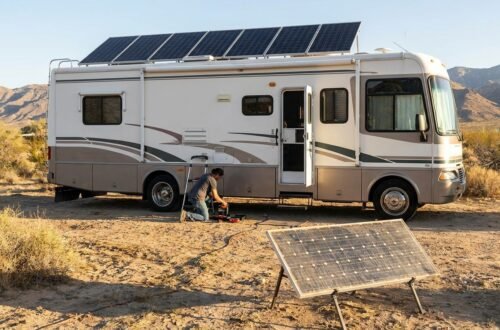
- Heavy Solar Reliance: If you’re heavily reliant on solar power, and especially if you don’t have a massive array, the fast charging capabilities of lithium are indispensable. AGM batteries simply won’t keep up with the demands of a few days of off-grid use if your sun is intermittent.
- Generator Usage: While both battery types can be charged by a generator, lithium’s ability to accept a high charge rate means you can potentially run your generator for shorter periods to achieve a full charge, saving fuel and reducing noise.
Cold Weather Boondocking
- If you’re a serious winter boondocker: You’ll need to do your research. Some lithium batteries have built-in heating elements, or you might need to implement strategies to keep your batteries warm enough to charge safely. AGMs are generally more forgiving in the cold for charging, though their overall performance will still suffer.
Conclusion: The Future is Lithium for Boondocking
While AGM batteries have served RVers well for decades and remain a viable option for some, the undeniable advantages of lithium (LiFePO4) batteries for boondocking are becoming increasingly apparent. Their superior usable capacity, significantly faster charging, longer lifespan, and lighter weight make them the clear winner for anyone looking to maximize their off-grid freedom and reliability.
The initial cost is higher, yes, but when you factor in how many times you’d replace AGM batteries over the years, the total cost of ownership often tilts in favor of lithium. For those serious about enjoying extended stays away from the grid without constant power anxiety, investing in a quality lithium battery system is a decision that pays dividends in peace of mind and performance.
FAQs
1. What is the difference between AGM and lithium batteries for RV boondocking?
AGM (Absorbent Glass Mat) batteries are a type of lead-acid battery that uses a fiberglass mat to absorb the electrolyte, while lithium batteries use lithium as the primary material for energy storage. AGM batteries are typically less expensive but have a shorter lifespan compared to lithium batteries, which are lighter, have a longer lifespan, and can be discharged more deeply.
2. What are the advantages of using AGM batteries for boondocking?
AGM batteries are generally more affordable than lithium batteries and are maintenance-free. They are also more resistant to vibration and shock, making them suitable for rough terrain and off-road travel. Additionally, AGM batteries can be charged using standard lead-acid battery chargers.
3. What are the advantages of using lithium batteries for boondocking?
Lithium batteries have a longer lifespan, are lighter in weight, and can be discharged more deeply compared to AGM batteries. They also have a higher energy density, meaning they can store more energy in a smaller space. Lithium batteries also charge more efficiently and have a longer shelf life compared to AGM batteries.
4. What factors should be considered when choosing between AGM and lithium batteries for RV boondocking?
When choosing between AGM and lithium batteries for RV boondocking, factors to consider include budget, weight restrictions, power requirements, charging capabilities, and expected lifespan. AGM batteries may be more suitable for those on a tighter budget or with less demanding power needs, while lithium batteries are better for those looking for longer-term performance and higher energy storage capacity.
5. Are there any safety considerations when using AGM or lithium batteries for boondocking?
Both AGM and lithium batteries have safety considerations. AGM batteries can release hydrogen gas when charging, so proper ventilation is important to prevent the buildup of explosive gas. Lithium batteries, on the other hand, can be more sensitive to overcharging and require a battery management system to prevent overheating and over-discharging. It’s important to follow manufacturer guidelines and safety precautions for both types of batteries.



2 Comments on “Best RV battery for boondocking (AGM vs lithium)”