
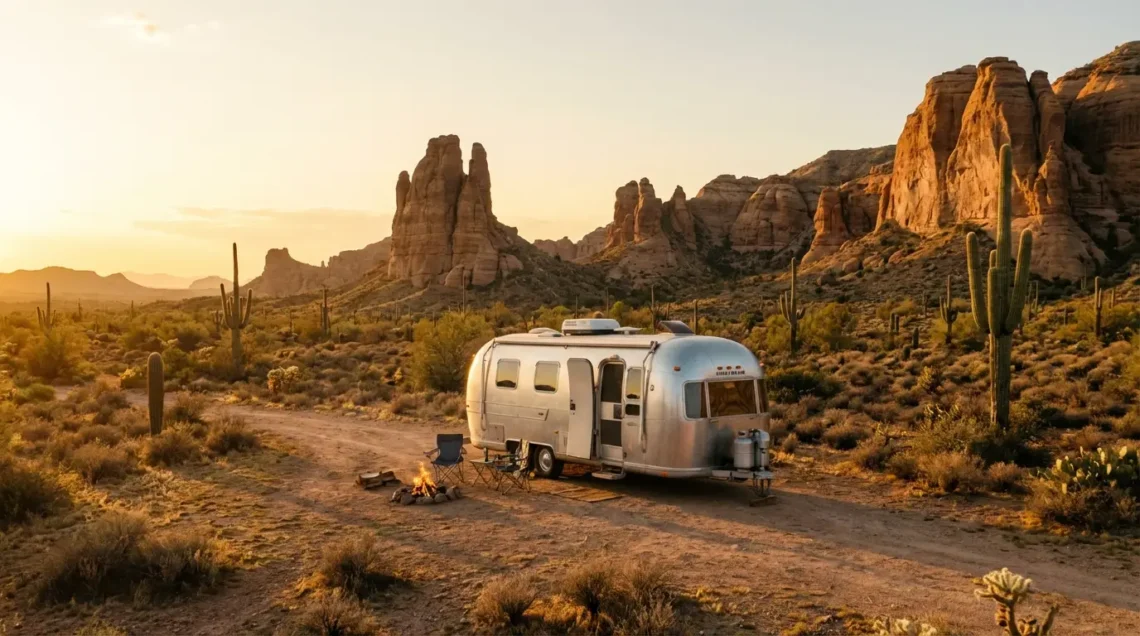
A ranger citation for camping 50 yards too close to a water source. An $1,200 fine for an unpermitted group gathering. A seasonal closure that eliminates free camping across 50,000 acres because visitors repeatedly created unauthorized vehicle trails. These aren’t hypothetical scenarios—they’re real consequences that boondockers face when they misunderstand or ignore BLM regulations. For thousands of RV enthusiasts, boondocking on Bureau of Land Management (BLM) land offers genuine freedom: free or low-cost camping in America’s most stunning landscapes. But that freedom depends entirely on following eight critical rules that protect both the land and your access to it. This article breaks down each rule through real-world examples, showing exactly how to camp responsibly and why each regulation exists.
Boondocking on BLM land differs fundamentally from traditional campgrounds. These lands operate under specific federal guidelines designed to balance recreational access with environmental stewardship. The rules aren’t arbitrary restrictions—they address genuine concerns about water contamination, fire hazards, resource degradation, and community conflicts. Successful boondockers recognize these rules as frameworks that enable sustainable, long-term access to these incredible public spaces. When travelers follow these guidelines consistently, everyone benefits: the landscape remains pristine, local communities remain supportive, and access continues for future adventurers.
Rule 1: Respect the 14-Day Occupancy Limit
The 14-day limit stands as perhaps the most misunderstood boondocking regulation. Many newcomers interpret this as “you can stay anywhere for 14 days,” when the actual rule is more nuanced: you may camp in the same location for a maximum of 14 consecutive days, then must leave that specific area for at least 14 days before returning. This rule exists to prevent permanent settlement and ensure equitable access across public lands.
Margaret and Tom, full-time RVers, discovered a beautiful canyon spot near Arizona’s Vermilion Cliffs and planned a month-long stay to explore the region thoroughly. Initially, they attempted to stay 28 consecutive days in one location, which violated regulations. After learning the proper procedure, they modified their approach: they stayed 14 days in the original spot, relocated to a different BLM area 30 miles away for their mandatory 14-day break, then returned to their favorite canyon. This strategy allowed them the extended time they desired while respecting land use restrictions.
The 14-day rotation system works when boondockers treat it as a feature, not a bug—it forces exploration of new areas and prevents overcrowding at popular spots.
Federal land managers implemented this rule to prevent the formation of semi-permanent settlements on public lands. Rangers actively monitor popular spots and issue citations to violators. The fine reaches $130, but consequences extend beyond the financial penalty. Repeated violations lead to trespassing charges and potential restrictions on accessing BLM lands. Furthermore, when one group ignores the 14-day rule, it reduces available camping space for everyone else in that region.
Rule 2: Camp at Least 100 Yards From Water Sources
This fundamental environmental protection rule prevents contamination of water supplies that wildlife and downstream communities depend on. The 100-yard buffer—roughly a football field—allows natural filtration and prevents direct pollutants from reaching water systems. However, many boondockers underestimate the difficulty of identifying and measuring this distance correctly.
James, an experienced RVer, learned this lesson when scouting a camping spot near Utah’s Henry Mountains. He positioned his travel trailer what he estimated as 75 yards from a small creek. The location seemed perfect: scenic views, level ground, and proximity to water for filling tanks. A BLM ranger conducting routine patrols spotted the violation and required him to relocate immediately. James later measured more carefully and realized his visual estimate was significantly off—the creek was only about 60 yards away.
The practical solution involves carrying a measuring device. Many boondockers use smartphone apps with GPS distance calculators, or they mark 100 yards with a rope during site selection. Additionally, this rule applies to all water sources: streams, springs, lakes, and even seasonal water features. Violating the 100-yard rule can result in citations and, more importantly, environmental damage that affects the ecosystem’s health. Local water tables become contaminated when improper waste disposal occurs near water sources, ultimately affecting drinking water quality downstream.
Rule 3: Use Designated Fire Rings or Bring Your Own
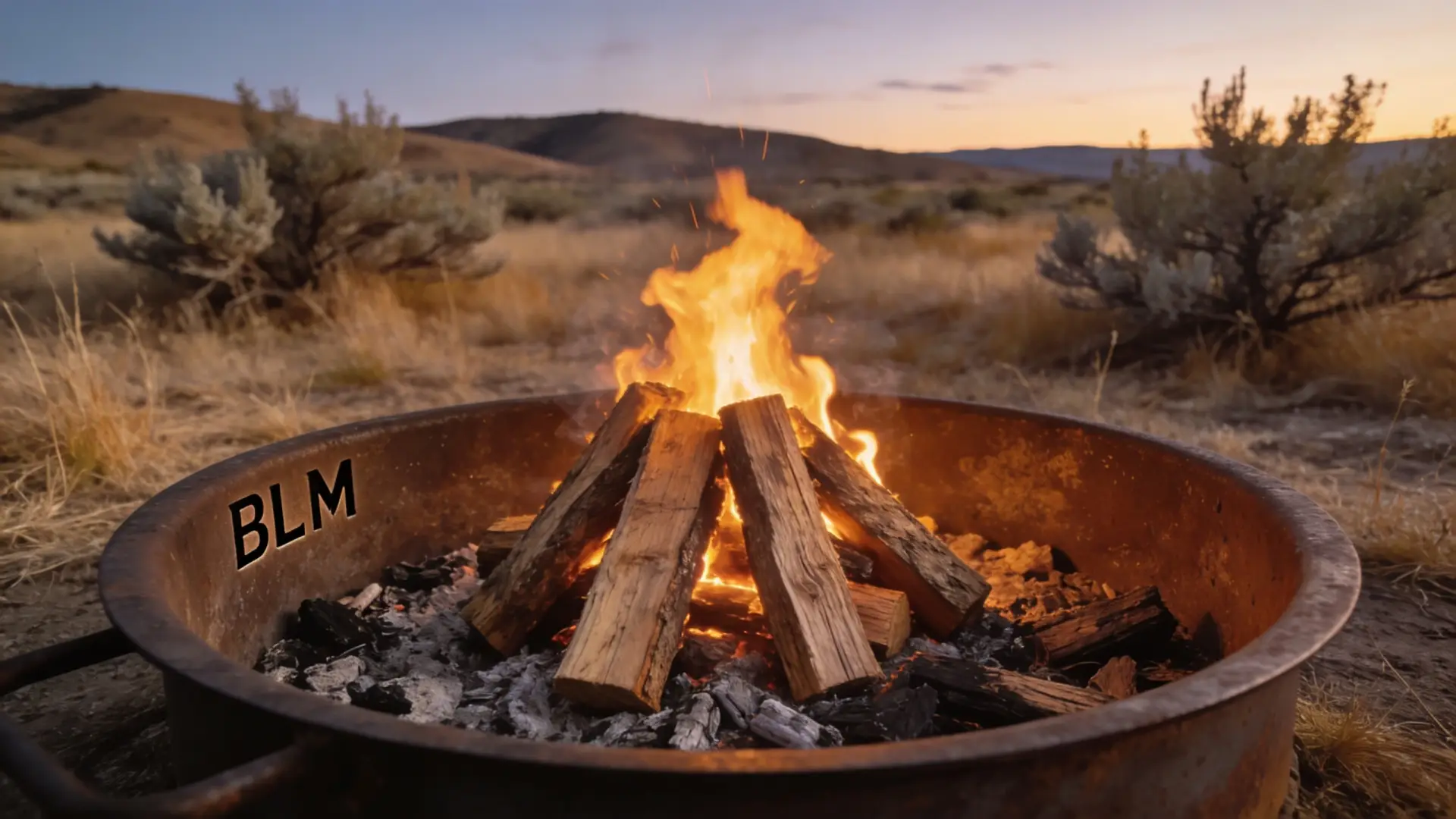
Fire safety represents a critical concern on BLM lands, particularly in arid and semi-arid regions where wildfires spread rapidly. The rule requires campfires to be contained within an existing fire ring or a portable fire containment device you bring yourself. Open ground fires are strictly prohibited, even when they appear fully contained.
In California’s Mojave Desert, BLM rangers documented that 60% of unauthorized fire scars resulted from campers who believed a sandy area provided adequate fire protection. Sandy ground, while seemingly safe, doesn’t prevent fire spread in dry, windy conditions. These uncontained fires left permanent impact marks on the landscape and posed serious wildfire risks. Conversely, boondockers who brought portable fire pits—steel rings or propane options—demonstrated zero environmental damage and zero fire incidents.
When existing fire rings appear at a camping spot, using them instead of creating new rings prevents additional landscape scarring. This approach concentrates impact in pre-existing areas rather than spreading fire scars across undisturbed ground. For those concerned about fire safety, propane fire pits offer excellent alternatives. They eliminate the risk of escape, provide adequate heat and ambiance, and leave no environmental trace. The investment in a quality portable fire ring—typically $30 to $150—pays dividends through years of safe, responsibility-conscious boondocking.
Rule 4: Pack Out All Trash Without Exception
The “pack in, pack out” principle forms the foundational ethic of responsible public land use. Every piece of trash you generate must leave with you—no exceptions for biodegradable materials or small items. This rule prevents visual pollution, protects wildlife from ingesting harmful materials, and maintains the pristine character that makes these lands valuable.
At a single popular camping location near Congress, Arizona, volunteers documented trash left behind over one month: 47 beer cans, 12 food containers, countless plastic bags, and various personal items. The accumulated refuse created an eyesore that discouraged other visitors and attracted wildlife to human food and potentially dangerous materials. Rangers documented increased wildlife conflicts in areas with heavy trash accumulation.
Implementation requires systematic practices. Successful boondockers maintain dedicated trash containers in their RVs, separate bins for recyclables, and a checklist before departure. This prevents the “I’ll grab that later” trap where small items accumulate and are eventually forgotten. Additionally, if you discover trash left by previous campers, popular boondocking apps and communities encourage reporting and cleanup efforts. Some travelers pack extra bags specifically to remove trash they find, contributing to site rehabilitation.
Rule 5: Respect Wildlife and Vegetation
BLM lands provide critical habitat for numerous species. Rules protecting wildlife and vegetation exist to maintain ecosystem balance and prevent species endangerment. This includes prohibitions on cutting trees or shrubs for firewood, disturbing nesting birds, and approaching wildlife for photographs.
Nevada boondockers discovered firsthand why these rules matter when a group’s campfire smoke near a canyon wall disrupted nesting golden eagles. The eagles abandoned the site mid-nesting season, resulting in lost chicks and reduced breeding success. Rangers subsequently implemented seasonal camping restrictions in that area, closing it to boondocking during critical nesting periods. This single incident—which could have been prevented through awareness—resulted in reduced access for everyone.
The rules against cutting vegetation exist because desert and high-elevation plants grow extraordinarily slowly. A juniper tree visible from miles away might be 200 years old, and cutting it for firewood seems like a small act until multiplied across thousands of visitors. Over five years, heavy boondocking use can completely denude vegetation in popular areas. The solution involves bringing firewood from home or purchasing it locally—a modest expense that preserves landscapes for generations.
Rule 6: Obtain Required Permits for Group Activities
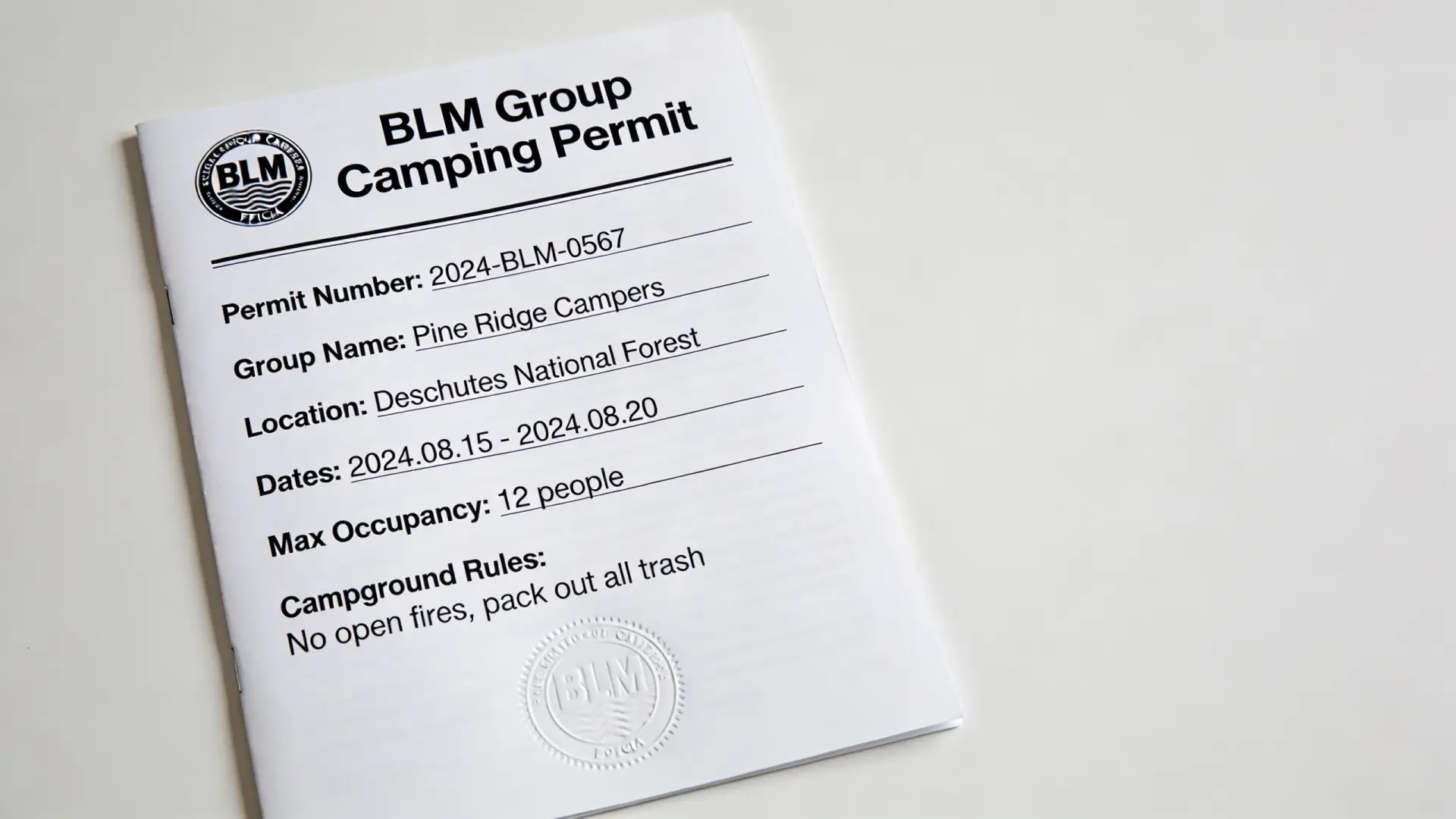
When boondocking involves organized groups—typically defined as 10 or more people camping together—special permits become mandatory. These permits allow BLM to manage impact, collect minimal use fees in some regions, and coordinate with law enforcement if needed. Many recreational groups skip this step, either unaware of the requirement or dismissing it as unnecessary bureaucracy.
A group of 15 RVing friends organized an annual gathering on BLM land near Colorado’s San Juan Mountains. For three years, they avoided permit requirements, camping without coordination or authorization. In year four, rangers conducted an unannounced inspection, discovering the unpermitted group gathering. The incident resulted in $1,200 in cumulative fines and a mandatory dispersal order that dissolved their planned week together. Had they spent 30 minutes contacting the local BLM field office and submitting a simple permit request, the costs would have been minimal or eliminated entirely, and their gathering would have proceeded legally.
The permit process serves practical purposes. Permits alert rangers to legitimate group camping, preventing confusion with unauthorized settlement. They also gather data that helps BLM understand recreational use patterns and manage resources accordingly. For those embracing the mobile lifestyle on BLM lands, obtaining permits for group activities represents a straightforward step that ensures legal compliance and community harmony.
Rule 7: Follow Vehicle Restrictions and Stay on Existing Roads
Off-road vehicle use causes some of the most visible and lasting damage to BLM lands. Rules restricting vehicle travel to existing roads aim to contain impact and prevent landscape scarring. When vehicles drive across undisturbed ground, they create new roads that encourage continued off-road use, gradually expanding damage across previously pristine terrain. Additionally, vehicle restrictions protect archaeological sites and prevent soil compaction that affects vegetation regrowth.
New Mexico’s Otero Mesa region demonstrated the cumulative impact of vehicles leaving established roads. In 2015, an assessment documented 847 miles of vehicle-created routes across 323 square miles of land. Many routes existed from just one or two groups of drivers who believed slight shortcuts or scenic alternatives were harmless. Over subsequent years, these informal routes widened, deepened, and multiplied as other visitors followed them, creating a network of damage affecting habitat quality and water runoff patterns.
Enforcement has increased significantly, with rangers using GPS and drone technology to document off-road violations. Fines commonly exceed $200 for unauthorized vehicle routes, with additional charges possible if damage triggers restoration requirements. Beyond legal consequences, staying on established roads protects the boondocking experience itself. Pristine landscapes attract RVers to these areas; when vehicle damage becomes visible and widespread, the very experience that makes boondocking appealing diminishes.
Rule 8: Dispose of Human Waste Properly
Perhaps the most critical and least discussed boondocking rule involves human waste disposal. Improper disposal contaminates groundwater, creates disease vectors, and generates environmental health hazards that affect both current visitors and downstream communities. Federal regulations require waste disposal at least 200 yards from water sources, utilizing either RV holding tanks with proper disposal at facilities, or portable toilet systems.
California’s Anza-Borrego Desert provides a sobering case study. BLM staff documented contamination in a popular boondocking area caused by human waste disposal. Visitors had been digging shallow holes and burying waste within 50 yards of a seasonal water source. Testing revealed harmful bacteria and pathogens in the water supply, forcing closure of the area for rehabilitation. The incident affected not just boondockers but also indigenous communities and wildlife that relied on the water source.
Many RVers assume their holding tanks suffice for boondocking, but regulations require tanks be emptied only at authorized dump stations. This necessitates planning routes that include facility access. For those without adequate holding tank capacity, portable toilets offer practical alternatives. Products like portable camping toilets recommended for first-time RV trips provide containment and convenience. Violations commonly result in $500+ fines because they directly threaten public health and environmental integrity.
Real-World Integration: How Rules Work Together
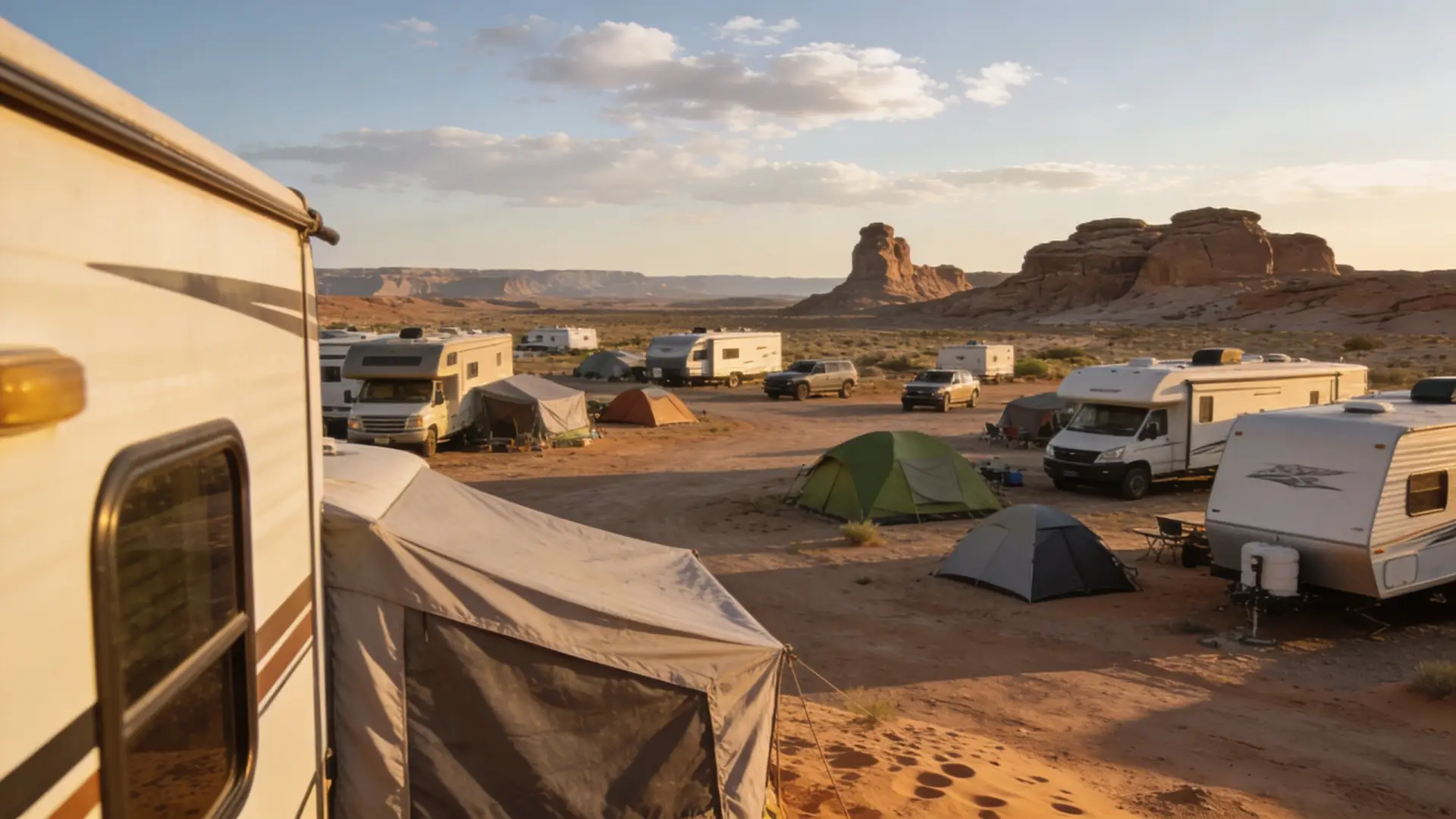
These eight rules function synergistically rather than as isolated restrictions. Consider David and Susan, experienced boondockers who planned a month-long desert adventure. They researched their destination using resources highlighting the best boondocking spots in the Southwest, then implemented a comprehensive approach honoring all regulations.
Their strategy included: selecting a first campsite, camping for 13 days (leaving one day buffer before the 14-day limit), identifying a second location 35 miles away for their mandatory rest period, positioning both camps 110 yards from water sources, bringing a propane fire ring rather than creating fire rings, planning their route to include RV dump stations for proper waste disposal, packing multiple trash bags for complete waste removal, and bringing firewood rather than harvesting vegetation. They also checked permit requirements and discovered their group of eight needed no special authorization. This integrated approach required minimal additional effort but demonstrated genuine respect for public lands.
Experienced boondockers view these rules not as constraints but as the foundation enabling sustainable access to America’s most spectacular public spaces.
Their trip succeeded completely because they treated each rule as connected to broader environmental and community preservation goals. Consequently, they encountered no ranger complications, left zero environmental trace, and contributed to the positive community reputation that keeps BLM lands open to boondocking.
Enforcement and Consequences
Understanding that rules are actively enforced motivates compliance beyond mere awareness. BLM employs rangers who conduct regular patrols, and increasingly they use technology like drone surveillance and GPS tracking to document violations. Federal law enforcement has authority to issue citations carrying both fines and potential criminal charges for serious violations.
Moreover, enforcement extends beyond individual fines. When violations become frequent in specific areas, BLM responds by implementing seasonal closures, prohibiting boondocking entirely, or establishing restrictive camping regulations requiring permits and fees. Several previously free boondocking regions have transitioned to permit-only or fee-based systems directly because repeated rule violations forced management changes. This cascading impact means one person’s rule violation ultimately affects hundreds of other boondockers who lose access to cherished locations.
The Bureau of Land Management’s official authority and mission includes balancing public recreation with resource protection. They succeed in this balance when boondockers willingly comply with established regulations. Conversely, widespread noncompliance forces increasingly restrictive management approaches that benefit no one.
Building Community Through Compliance
The boondocking community increasingly recognizes that rule compliance directly supports continued access. Online forums, boondocking technology communities, and established guidebooks prioritize sharing responsible practices. Experienced RVers mentor newcomers not through lectures but through example and practical guidance.
This cultural shift strengthens relationships between boondockers and local communities. When RV travelers demonstrate respect for public lands and regulations, neighboring towns benefit economically from visitor spending while experiencing minimal negative impacts. Communities become advocates for continued boondocking access rather than adversaries pushing for restrictions. Conversely, areas with documented rule violations face community pressure to prohibit boondocking entirely, eliminating the free camping option for everyone.
Your compliance with these eight boondocking rules on BLM land directly shapes the future of this recreational option. Before your next trip, review this article, check the specific regulations for your target BLM district on their official website, and commit to one additional rule beyond what you’ve previously prioritized—whether that’s upgrading to a portable fire ring, planning dump station stops, or carrying extra trash bags. Each properly executed camp, each packed-out piece of trash, and each respected restriction contributes to an environment where access expands rather than contracts. The most experienced boondockers in America view rule compliance not as burden but as privilege—the small price for unlimited access to some of Earth’s most spectacular landscapes.



6 Comments on “8 Boondocking Rules BLM Land”