Boondocking, or dry camping, is a fantastic way to experience the outdoors without the hustle and bustle (or cost!) of established campgrounds. But before you head out into the wilderness, a boondocking checklist goes a long way. This checklist will help you think through all the essentials, ensuring you have a comfortable and safe boondocking adventure.
The key to a great boondocking trip often starts long before you ever hit the road. Think of this as your mission control phase.
Table of Contents
Researching Your Spot
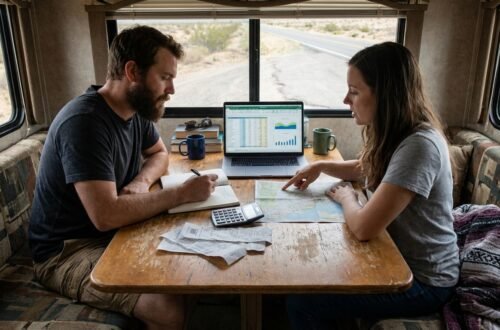
This is probably the most crucial step. Don’t just pick a random spot on a map.
- Public Lands Specifics: Understand what public lands you’re considering. BLM (Bureau of Land Management) and National Forests are generally your best bets. Some state parks allow dispersed camping, but often with more restrictions and permits required.
- Regulations and Restrictions: Always check the specific rules for the area you’re heading to. Some places have fire bans, length-of-stay limits, or specific areas where camping is prohibited. A quick search for the managing agency and “dispersed camping” or “boondocking” for that specific area is usually effective. Check for road closures, too.
- Water Sources (or lack thereof): Know if there’s a water source nearby. For many boondocking spots, there won’t be, so you’ll need to bring all your own water for drinking, cooking, and hygiene.
- Road Conditions & Accessibility: Satellite view on Google Maps is your friend here. Look for established tracks or roads, not just faint lines. Read reviews from other boondockers on apps like iOverlander or Campendium. They’ll often mention road conditions, advising if 2WD, 4WD, or high clearance is needed. Don’t risk damaging your vehicle or getting stuck.
- Cell Service (or lack thereof): Don’t expect widespread cell service. Download offline maps of the area beforehand. Apps like Gaia GPS or Maps.me are great for this. If cell service is crucial for emergencies or work, check coverage maps (from your carrier and third-party sites) or consider a satellite communication device.
Vehicle Preparation
Your vehicle is your home and lifeline out there. Make sure it’s up to the task.
- Routine Maintenance: Get an oil change, check tire pressure (including your spare!), top off all fluids, and inspect belts and hoses. Address any known issues before you leave. Breakdowns in remote areas are incredibly inconvenient and can be dangerous.
- Tires: Ensure your tires are in good condition with plenty of tread. If you’re going off-road, consider all-terrain tires. Know how to change a flat tire and confirm your jack and lug wrench are accessible and functional.
- Tools & Repair Kit: A basic toolkit is essential: wrenches, screwdrivers, pliers, duct tape, zip ties, tire repair kit, jumper cables, and an air compressor. If you have a diesel, bring extra fuel filters.
- Recovery Gear: Depending on where you’re going, recovery boards (like Maxtrax), a shovel, and a tow strap or winch might be very useful. Even if you don’t have 4WD, these can help you get unstuck from sand or mud.
Personal Safety
Being prepared for the unexpected is key to safe boondocking.
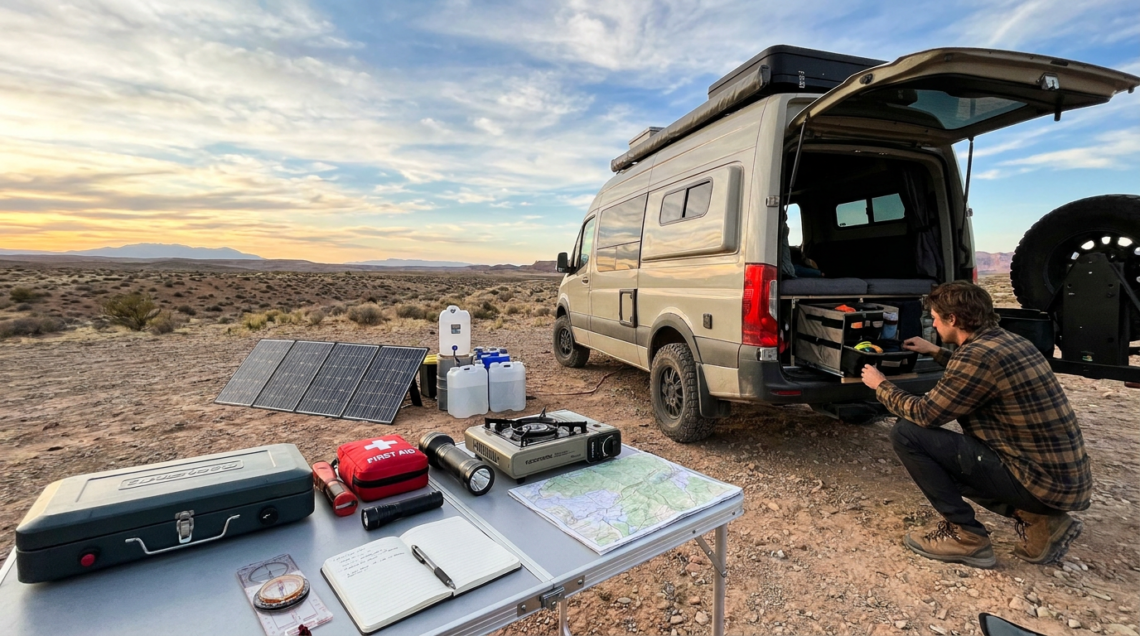
- First Aid Kit: A comprehensive one. This isn’t just for minor scrapes; consider what you’d need for more serious injuries when emergency services are hours away. Include pain relievers, allergy medication, antacids, bandages, antiseptic wipes, gauze, medical tape, tweezers, and any personal prescription medications.
- Emergency Contact Plan: Let someone know your itinerary, including your general route and estimated return date. Have a check-in schedule.
- Navigation Tools: A physical map and compass, and knowing how to use them, are vital backups to GPS devices. Downloaded offline maps on your phone are also crucial.
- Bear/Wildlife Safety: Know the local wildlife. Bear spray, proper food storage (bear canisters or in your vehicle), and never leaving food unattended are important considerations in bear country. Make noise when hiking to avoid surprising animals.
- Fire Extinguisher: One for your vehicle and another accessible inside your living space. Know how to use it.
- Self-Defense: Depending on your comfort and where you’re going, consider personal defense options.
If you’re planning a boondocking adventure, having the right kitchen gadgets can make all the difference in your experience. To complement your boondocking checklist, consider checking out this informative article on essential tools: 20 Must-Have Kitchen Gadgets for Every RV. This guide provides insights into the best kitchen gadgets that can enhance your cooking while on the road, ensuring you have everything you need for a comfortable and enjoyable trip.
Essential Gear: What to Pack
Now that you’ve planned and prepped, it’s time to gather your supplies. Think about independence and self-sufficiency.
Power Management
This is often the biggest challenge when boondocking.
- Solar Setup: Solar panels (portable or roof-mounted), charge controller, and a battery bank (lithium is popular for its efficiency and lifespan, but lead-acid works too). Calculate your power needs to size your system appropriately.
- Generator: As a backup or primary power source for higher-demand appliances. Make sure it’s quiet (inverter generators are best) and you have sufficient fuel storage.
- Inverter: To convert 12V DC power from your batteries to 120V AC for household appliances.
- Monitoring System: A battery monitor is invaluable for understanding your power consumption and remaining battery life.
- Charging Cables/Adapters: For all your devices – phones, laptops, cameras, headlamps, etc.
Water Management
You’ll need a lot more than you think.
- Fresh Water Tanks: Ensure they are full before you leave, and ideally have a way to monitor levels.
- Extra Water Containers: Jeri cans or collapsible containers are excellent for carrying additional potable water. Factor in at least 1-2 gallons per person per day for drinking, cooking, and minimal hygiene.
- Water Filter/Purifier: For extending your supply or in an emergency. A Berkey filter, Sawyer filter, or Lifestraw can be life-savers.
- Grey Water Tank: Maximize its capacity and use water sparingly to avoid having to break camp sooner than planned.
- Black Water Tank: Again, manage your usage carefully. Consider composting toilets or cassette toilets for extended stays.
- Washing Solutions: Biodegradable soap for dishes and personal hygiene. Minimalist showering methods (solar shower bags, wet wipes) are often necessary.
Food & Cooking
Beyond just eating, think about minimal waste and preparation.
- Non-Perishable Staples: Canned goods, pasta, rice, dry beans, oats, coffee, tea, shelf-stable milk.
- Cooler/Fridge: A high-quality cooler or a 12V compressor fridge is essential for perishables.
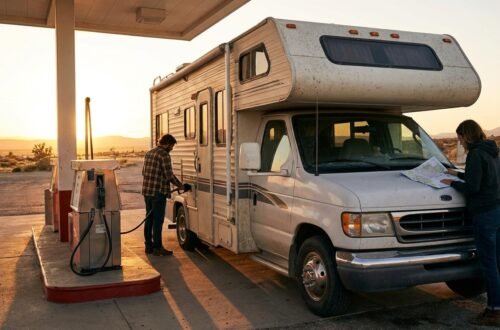
- Propane/Fuel: For your stove and/or grill. Always bring extra.
- Cookware & Utensils: Basic pot, pan, plates, bowls, cups, cutlery.
- Cleaning Supplies: Biodegradable dish soap, sponge, paper towels, trash bags (pack it in, pack it out!).
- Firewood & Fire Starters: If allowed and safe to have a campfire, bring seasoned wood and fire starters like solid fuel tabs or fatwood. Check local fire restrictions!
Comfort & Convenience
Making your temporary home enjoyable.
- Appropriate Clothing: Layered clothing for varying temperatures, rain gear, sturdy hiking shoes.
- Bedding: Sleeping bags, blankets, pillows suitable for the expected nighttime temperatures.
- Lighting: Headlamps (with extra batteries), lanterns (battery-powered or propane), flashlights.
- Camp Chairs & Table: Crucial for relaxing outside.
- Bug Repellent & Sunscreen: Don’t underestimate these. Mosquitos, flies, and UV rays can quickly ruin a trip.
- Entertainment: Books, games, cards, downloaded movies/music for when you want to unwind.
- Trash Bags: Always take out everything you bring in, and more if you find it.
Setting Up Camp: Practical Tips for Arrival
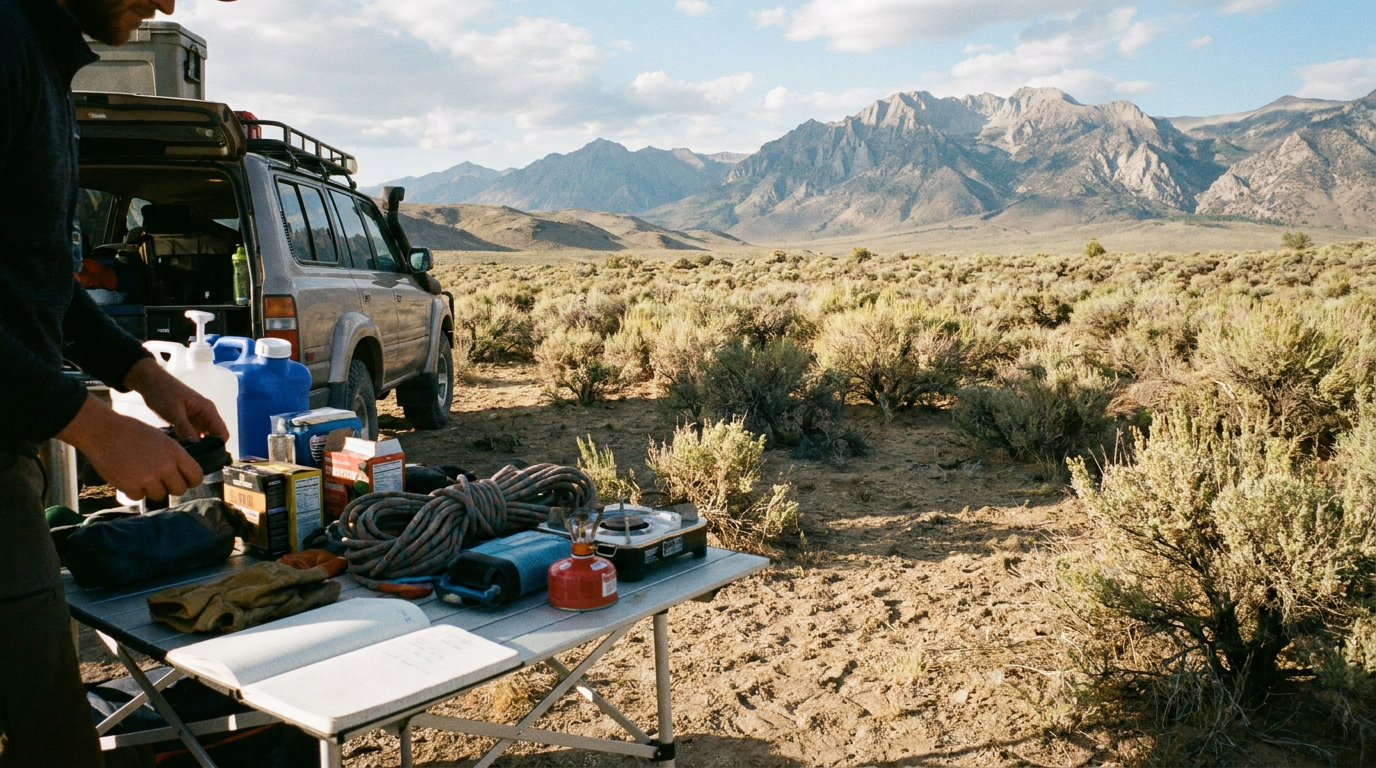
You’ve made it to your spot! Now for the actual setup.
Site Selection Best Practices
Just because a spot looks open doesn’t mean it’s ideal.
- Level Ground: Aim for as level a spot as possible to minimize the need for leveling blocks and for a more comfortable night’s sleep.
- Away from Dry Washes/Rivers: Flash floods can be a serious danger, especially in arid regions.
- Shelter from Wind/Sun: If possible, consider natural barriers. Trees can offer shade in summer or wind protection in winter. Be mindful of falling branches.
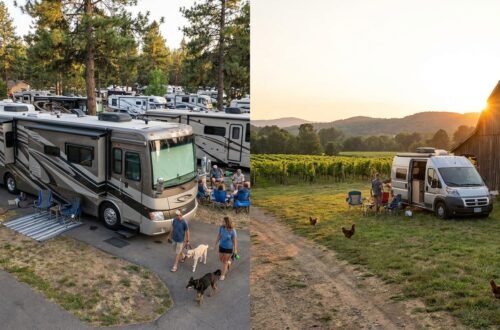
- Leave No Trace Principles: Always choose existing campsites whenever possible. Avoid driving or camping on vegetation.
- Exit Strategy: Before settling in, make sure you have a clear and easy way out, especially if weather changes are expected. Don’t park yourself in a spot that will become a mud pit with rain.
Initial Setup & Assessment
Get organized once you arrive.
- Check for Hazards: Before fully committing, do a quick walk-around. Look for broken glass, nails, animal dens, or unstable ground.
- Leveling: Use leveling blocks under your tires or jacks to get your RV or van as level as possible.
- Systems Check: Briefly check your water pump, lights, and power system to ensure everything is working correctly after the drive.
- Security: Lock your doors and secure any valuables. Even remote areas can have opportunistic individuals.
- Fire Safety: If you plan on having a campfire (and it’s permitted), clear the area around your fire ring and have water or a shovel nearby.
Daily Living: Maintaining Your Boondocking Sanctuary
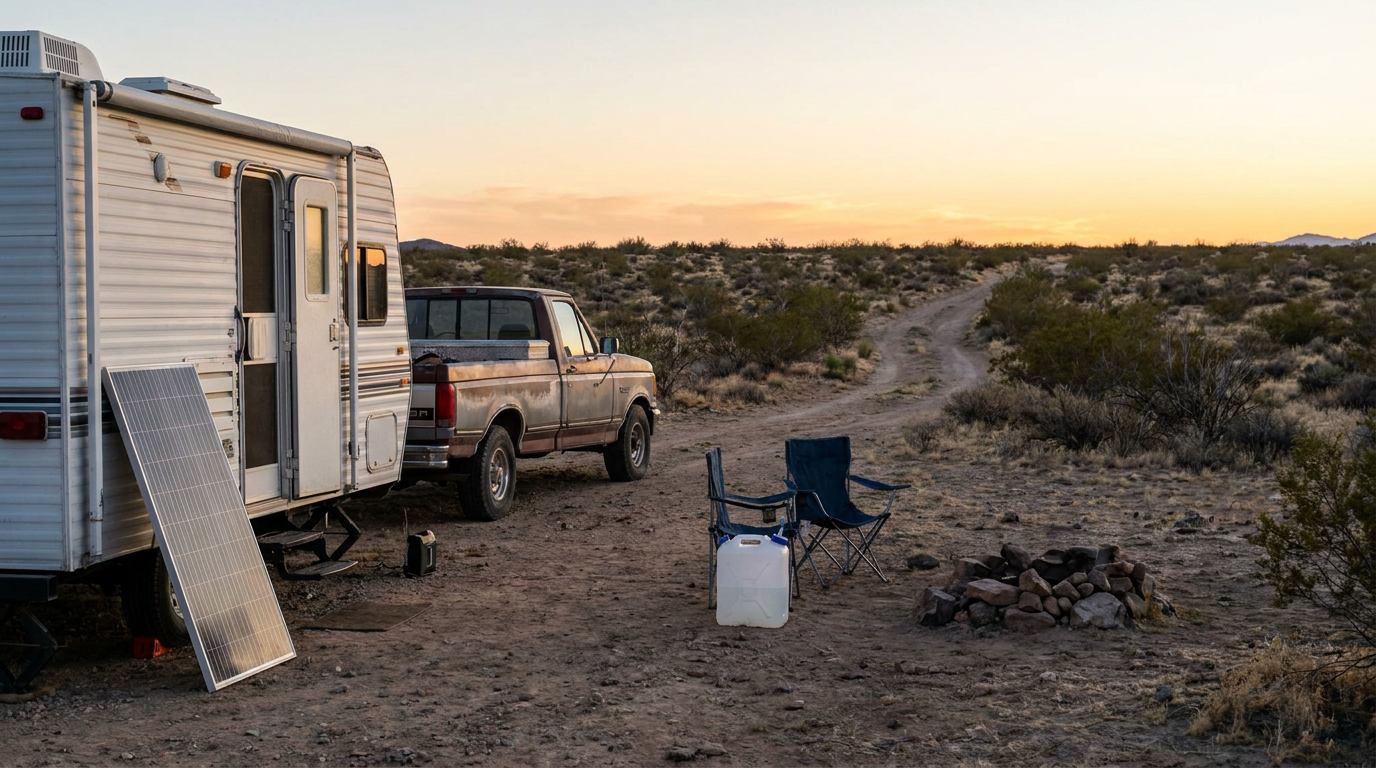
Once settled, it’s about making the most of your time and managing resources.
Resource Conservation
Every drop of water and watt of power counts.
- Water Usage: Take “army showers” (wet down, turn off water, soap up, rinse quickly). Use paper plates to minimize dishwashing. Capture dishwater for non-potable uses like dousing campfires (if allowed).
- Power Usage: Turn off lights when not needed. Unplug chargers when devices are full. Prioritize 12V devices over 120V where possible to avoid inverter losses.
- Food Management: Plan meals to use ingredients efficiently and minimize waste. Keep perishables properly stored.
- Waste Management: Have a designated bag for trash and another for recycling. Crush cans and bottles to save space. Pack it all out!
Monitoring & Maintenance
Staying on top of your systems.
- Battery Monitoring: Regularly check your battery monitor to understand your power consumption and ensure you’re charging adequately (solar, generator, or driving).
- Water Tank Levels: Keep an eye on your fresh, grey, and black water levels. Plan for dumping and refilling before tanks get completely full/empty.
- Weather Forecasts: Check reliable weather forecasts daily. Remote areas can have rapidly changing conditions, including sudden storms or temperature drops.
- Vehicle Check: Do a quick visual check of your tires and undercarriage each morning, especially if you drove on rough roads.
If you’re preparing for a boondocking adventure, having a comprehensive checklist is essential to ensure you have everything you need for a successful trip. To complement your planning, you might find it helpful to read about the important rules to follow while camping on BLM land. This article provides valuable insights that can enhance your understanding of the regulations and best practices for a safe and enjoyable experience. You can check it out here: boondocking rules on BLM land.
Departure: Leaving No Trace
| Item | Check |
|---|---|
| Tent or RV | ☑️ |
| Sleeping bags or bedding | ☑️ |
| Cooking stove | ☑️ |
| Cooler or fridge | ☑️ |
| Water containers | ☑️ |
| Food supplies | ☑️ |
| First aid kit | ☑️ |
| Flashlights or lanterns | ☑️ |
| Maps or GPS | ☑️ |
| Trash bags | ☑️ |
The parting step, perhaps the most important for preserving these special places.
Leave No Trace Principles
Follow these and you’ll be a boondocking superstar.
- Plan Ahead and Prepare: (As discussed above!)
- Travel and Camp on Durable Surfaces: Stick to established roads and campsites.
- Dispose of Waste Properly: Pack out all trash, food scraps, and human waste (if not using an RV toilet). Bury human waste in a 6-8 inch deep “cathole” at least 200 feet from water sources, trails, and campsites.
- Leave What You Find: Don’t take rocks, plants, or historical artifacts.
- Minimize Campfire Impacts: Use established fire rings, keep fires small, and ensure they are thoroughly extinguished. Check fire restrictions.
- Respect Wildlife: Observe from a distance. Never feed animals. Store food properly.
- Be Considerate of Other Visitors: Camp away from others, keep noise levels down, and respect quiet hours.
Final Check
Before you drive away, take one last look.
- Walk the Campsite: Do a thorough sweep of your entire campsite, including where your chairs were, under your rig, and any fire pit. Look for even the smallest piece of litter.
- Secure Everything: Ensure all hatches, doors, and windows are latched. Stow anything loose inside your vehicle.
- Tires & Fluids: Do a final check of your tires and vehicle fluids if you’ve been parked for a while.
Boondocking offers incredible freedom and connection with nature. By taking the time to plan, prepare, and respect the environment, you can ensure a safe, enjoyable, and sustainable experience for yourself and for those who follow. Happy trails!
FAQs
What is boondocking?
Boondocking refers to camping in remote or undeveloped areas without any amenities such as water, electricity, or sewer hookups. It often involves self-sufficiency and off-grid living.
What should be included in a boondocking checklist?
A boondocking checklist should include essential items such as water, food, fuel, first aid kit, camping gear, navigation tools, communication devices, and waste disposal solutions. It should also include items specific to the location and duration of the boondocking trip.
Why is a printable boondocking checklist useful?
A printable boondocking checklist is useful because it provides a convenient and organized way to ensure that all necessary items are packed for a boondocking trip. It can be easily referenced and checked off as items are gathered and packed.
How can a printable boondocking checklist be used?
A printable boondocking checklist can be used by reviewing it before a trip to ensure that all necessary items are packed. It can also be used during the trip to keep track of items used and to make sure nothing is left behind when leaving the boondocking site.
Where can I find a printable boondocking checklist?
A printable boondocking checklist can be found on various camping and outdoor websites, as well as in camping guidebooks and magazines. It can also be created by compiling a list of essential items and organizing it into a printable format.