
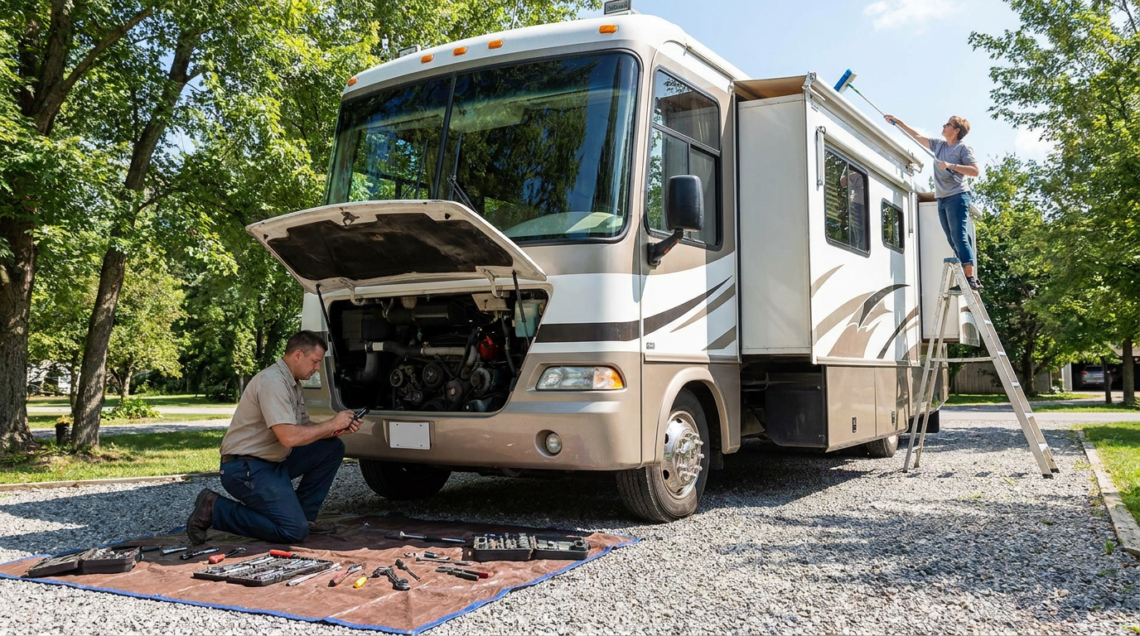
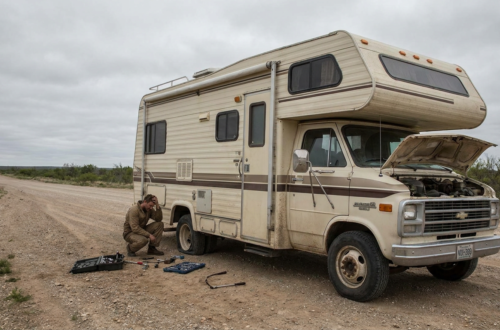
Let’s talk about keeping your RV humming along smoothly. If you’re wondering how RV maintenance guide can save money and, more importantly, avoid leaving you stranded somewhere inconvenient, the answer is pretty straightforward: consistent, proactive care. It’s not about some secret handshake or expensive gadgets; it’s about understanding the key systems in your home on wheels and giving them regular attention. Think of it like preventative medicine for your RV – a little effort now can save you a lot of headaches and cash down the road.u
Your RV tires are crucial. They carry a lot of weight, are exposed to the elements, and directly impact your safety and fuel efficiency. Neglecting them is a recipe for disaster, from blowouts to unnecessary wear and tear on other components.
Table of Contents
Tire Pressure is Paramount
Tires that are not inflated enough flex excessively, produce additional heat, and exhibit uneven wear. Overinflated tires can lead to a harsh ride and a higher risk of damage from road hazards.
- Find the Right Pressure: Don’t guess. Look for the recommended tire pressure on the sticker located on your RV’s doorjamb, in the owner’s manual, or stamped directly on the tire sidewall. Remember, this is the maximum pressure. You’ll typically want to be somewhere around that number, but check your RV’s specific recommendations.
- Get a Good Gauge: A cheap tire gauge won’t cut it. Invest in a reliable digital or dial gauge.
- Check Regularly: At least once a month is a good habit, but definitely check before any long trip. Also, eyeball them before every use – a visually deflated tire is a clear sign something is wrong.
- Consider Tire Covers: When your RV is in storage, tire covers can protect them from UV damage and extreme temperatures.
Tread Depth and Wear Patterns
Beyond pressure, you need to look at the actual condition of the tire.
- The Penny Trick: While not the most precise method, you can stick a penny into the deepest part of the tread, with Lincoln’s head facing in. If you can see the top of his head, your tread is getting low and it’s time for new tires. Professional gauges offer more accuracy.
- Look for Uneven Wear: Is one side of the tire more worn than the other? Are there cupping or feathering patterns? This often indicates an alignment issue, unbalanced wheels, or suspension problems. Ignoring these warning signs can prematurely destroy your tires and lead to bigger problems.
- Check for Cracks and Bulges: Inspect the sidewalls for any signs of cracking, dry rot, or bulging. These are critical safety issues and mean the tire needs to be replaced immediately.
Age Matters, Even if They Look Good
Tires don’t last forever, even if they have plenty of tread. Rubber degrades over time due to oxidation and UV exposure.
- The DOT Code: Look for the DOT (Department of Transportation) code on the sidewall. The manufacturing week and year are indicated by the final four numbers (for example, “3221” denotes the 32nd week of 2021).
- General Guideline: Most tire manufacturers recommend replacing tires after 5-7 years, regardless of tread depth. Moisture and heat accelerate this process.
For those looking to enhance their RV maintenance knowledge, a related article that might be of interest is the comprehensive guide on RV care and upkeep. This resource not only complements the RV Maintenance Guide (Save Money & Avoid Breakdowns) but also provides additional tips and tricks to ensure your RV remains in top condition.
Engine and Drivetrain: Keeping the Wheels Turning
For motorized RVs, the engine and drivetrain are analogous to the heart and lungs of your home on wheels. Regular maintenance here is probably the most impactful for preventing costly breakdowns and ensuring reliable travel.
Oil Changes: Not Just for Your Car
Your RV’s engine oil keeps things lubricated, cooled, and clean. Different RV chassis have different needs, so consult your owner’s manual religiously.
- Frequency: This will depend on your chassis manufacturer (Ford, Chevy, Freightliner, etc.) and how you use your RV. Some might need an oil change every 5,000 miles, others every 7,500 or even 10,000 miles. Don’t fall into the trap of thinking “I don’t drive it much, so it’s fine.” Oil degrades over time, even when sitting.
- The Right Oil: Use the specific type and weight of oil recommended by your chassis manufacturer. Using the wrong oil can cause damage.
- Oil Filter: Always replace the oil filter with each oil change. It traps contaminants.
Fluid Checks Beyond Oil
There are several other vital fluids you need to keep an eye on.
- Coolant: Essential for preventing overheating. Check the level regularly, especially before hot weather. If the color looks off or you see debris, it might be time for a flush and refill.
- Brake Fluid: Crucial for stopping power. If the level is low, it could indicate a leak or worn brake pads.
- Power Steering Fluid: For ease of steering. Check the level and look for any leaks.
- Transmission Fluid: Important for smooth gear changes. Check the level and color. Dirty or low transmission fluid is a serious warning sign.
- Windshield Washer Fluid: Seems minor, but good visibility is a safety must.
Belts and Hoses: The Unsung Heroes
These flexible components can go from perfectly fine to catastrophic failure seemingly overnight.
- Visual Inspection: Look for cracks, fraying, or a glazed appearance on belts. Squeeze hoses to check for sponginess or hardness.
- Tension Check (for Belts): A loose belt can squeal and slip, leading to charging system failures or overheating. You can often check the tension by pressing down on the longest span of the belt; it should have a little give, but not be floppy.
- Address Problems Promptly: A broken serpentine belt on a modern RV can disable your engine, power steering, and alternator all at once. Rapid overheating may result from a burst hose..
Air Filters: Breathe Easy
Clean air is necessary for your engine to run well.
- Check and Clean/Replace: How often depends on where you’re driving. Dusty environments mean more frequent checks. Take it out and hold it up to a light; if you can’t see light through it, it needs replacing.
- Impact on Fuel Economy: A clogged air filter can significantly reduce your MPG.
Onboard Systems: Hydration and Power Needs
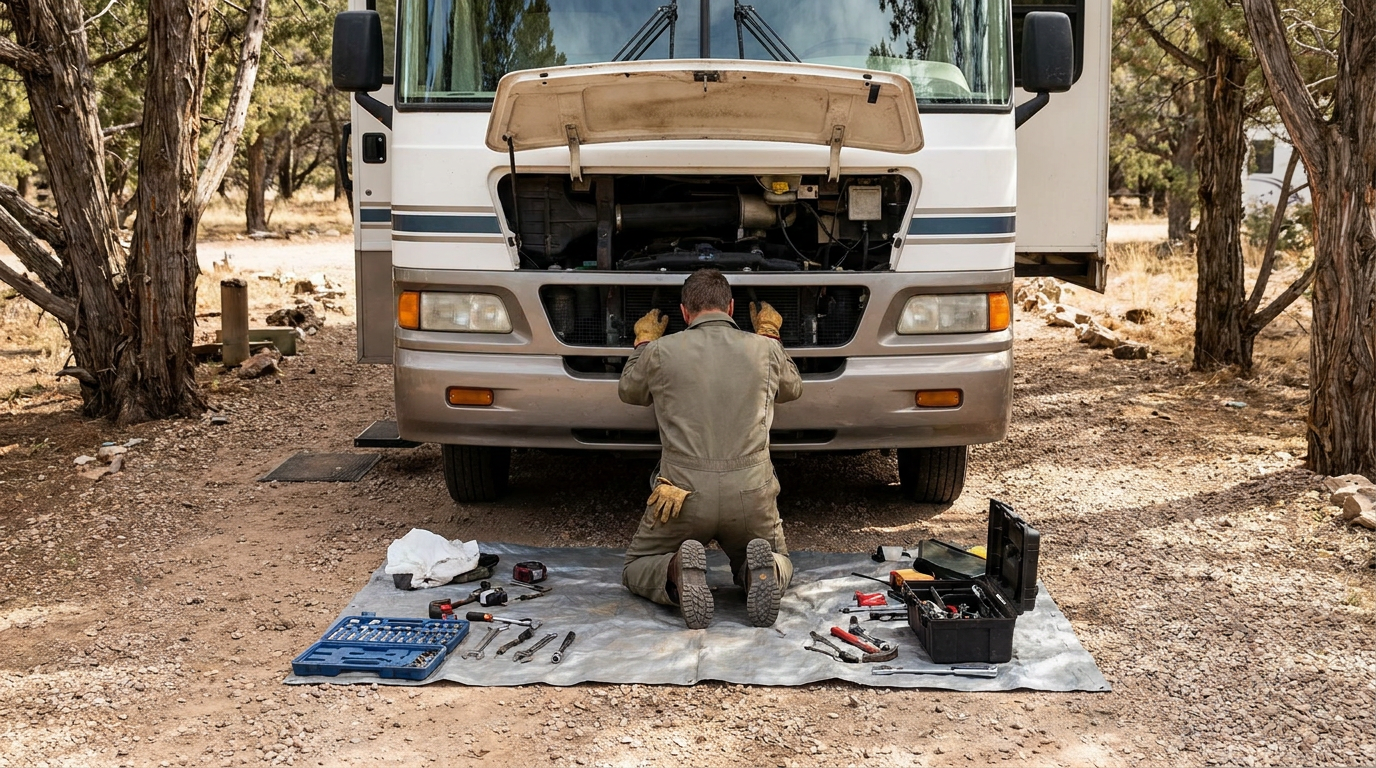
Your RV’s utility systems – water, electrical, and propane – are what make it a home. Keeping them in good working order is key to comfort and avoiding inconvenience.
Water System: Cleanliness and Pressure
The fresh water system, water heater, and pumps are all part of this.
- Sanitize Your Tank: At least annually, or more often if you notice any odd smells or tastes, sanitize your fresh water tank and lines. This usually involves adding bleach or a specialized RV sanitizer, letting it sit, and then flushing thoroughly.
- Check for Leaks: Periodically walk around your RV and check under sinks, around the toilet, and at all exterior hookups for any drips or moisture. Small leaks can escalate into major water damage.
- Water Pump Maintenance: Listen for unusual noises. If it’s running constantly, there might be a leak in the system.
- Winterization: If you store your RV in freezing temperatures, proper winterization of the water system is absolutely critical to prevent burst pipes and fitting damage. This is a step that cannot be skipped.
Electrical System: Powering Your Comfort
This covers house batteries, the inverter, shore power, and the generator.
- Battery Health: House batteries are your lifeline when not plugged in.
- Check Water Levels (if applicable): For traditional flooded lead-acid batteries, regularly check and top up the distilled water levels.
- Clean Terminals: Corrosion on battery terminals impedes power flow. Clean them with a wire brush and apply a corrosion inhibitor.
- Charge Regularly: Don’t let them sit fully discharged for long periods.
- Consider Battery Type: If replacing, research options like AGM or Lithium-ion, which offer advantages but have different charging requirements.
- Inverter/Converter: If you have an inverter (DC to AC power) or converter (AC to DC power), ensure it’s operating correctly. Listen for unusual noises.
- Shore Power Cord and Connection: Inspect the shore power cord for any nicks, cuts, or damaged pins. Ensure the connection at both the RV and the pedestal is clean and secure.
- Generator Maintenance: Like any engine, generators need oil changes, air filter replacements, and spark plug checks. Run it periodically to keep it in good working order.
Propane System: Fueling Your Appliances
Propane is used for your stove, refrigerator, water heater, and furnace.
- Inspect for Leaks: This is a big safety one. Periodically use a propane leak detector spray on all connections, or use soapy water and look for bubbles. If you ever smell gas, shut off the tanks immediately and get it checked.
- Tank Levels: Keep an eye on your propane tank levels, especially before a trip or during colder weather when the furnace is running frequently.
- Regulator Function: The regulator ensures the correct pressure reaches your appliances. If they are not igniting properly or are burning with a yellow flame, the regulator might be an issue.
- Ventilation: Ensure all propane-burning appliances have clear ventilation. Carbon monoxide is a serious danger.
Exterior and Structure: Keeping the Shell Intact
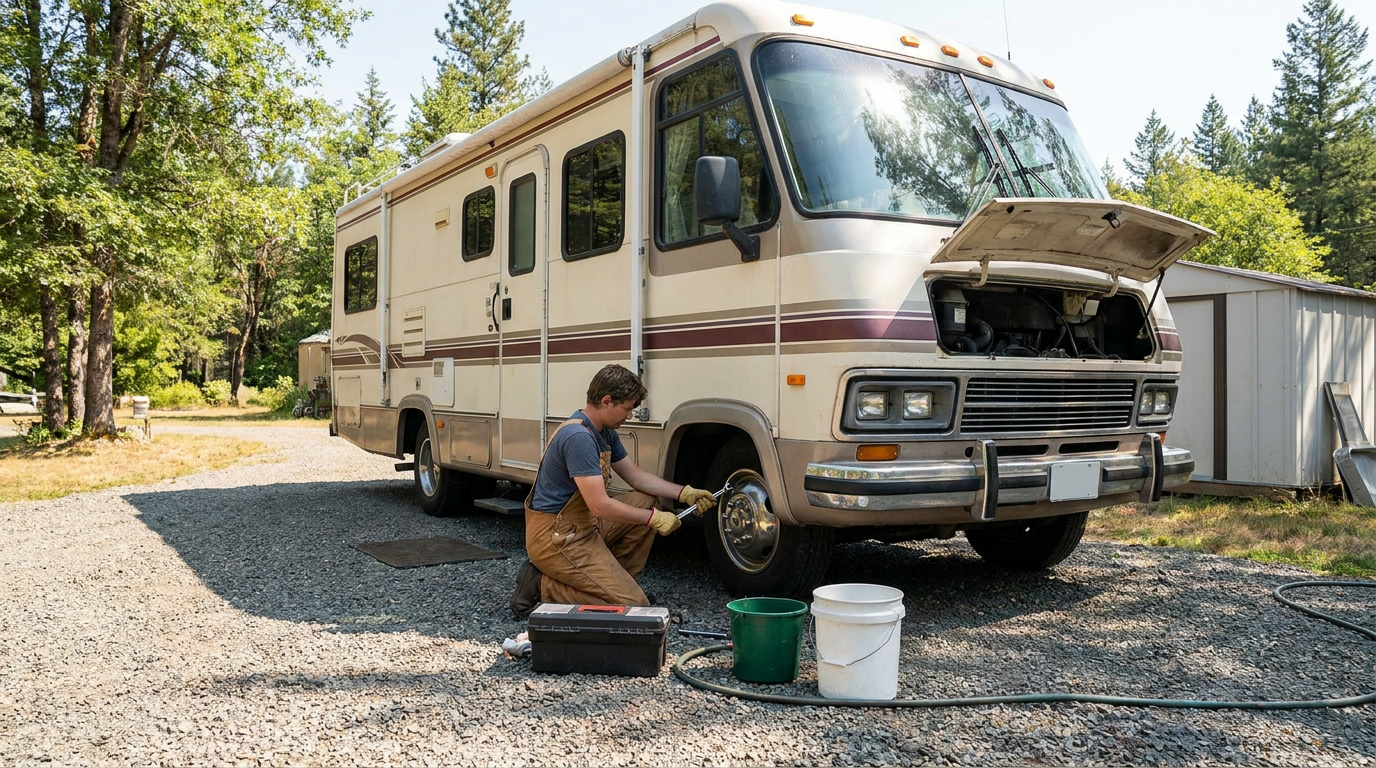
The integrity of your RV’s exterior and structure is vital for preventing water intrusion and maintaining its value.
Seals and Caulking: Your First Line of Defense Against Water
Water is the enemy of an RV. Leaks, no matter how small, can lead to rot, mold, and severe structural damage.
- Regular Inspection: Make it a habit to walk around your RV and closely inspect all seams, edges, and around windows, doors, roof vents, and any penetrations on the roof.
- The “Probe Test”: Gently push on the caulk. If it feels soft, brittle, or is pulling away, it needs attention.
- Clean and Re-caulk: Clean the area thoroughly, remove old caulk, and apply a high-quality RV-specific sealant. RV sealants are designed to be flexible and withstand UV exposure and temperature changes.
- Roof Maintenance: Your RV roof is exposed to the elements and can be a major source of leaks. Inspect it regularly for cracks in the membrane, loose seals, or damage to vents and antennas.
Awnings: Protecting Your Outdoor Space
Your RV awning provides shade and shelter, but it also needs care.
- Extend and Inspect: Periodically extend your awning fully and inspect the fabric for tears, mildew, or fading. Check the arms and gears for any signs of damage or wear.
- Clean Regularly: Mildew can grow if it’s left rolled up wet. Clean it with an RV awning cleaner and let it dry completely before rolling it up.
- Wind Warning: Never leave your awning extended during high winds or rain. A strong gust can rip it off your RV, causing significant damage.
Underbelly and Frame: The Foundation
While often out of sight, the underbelly and frame are critical.
- Inspect for Damage: Look for any signs of damage to the underbelly material, such as tears or sagging. This material protects your plumbing and wiring from road debris.
- Check the Frame: For motorized RVs, a visual inspection of the frame rails for rust or cracks is prudent, especially if you’ve driven in salty conditions.
- Lubrication: Moving parts like slide-out mechanisms or landing gear mechanisms on travel trailers may require occasional lubrication. Consult your manual.
For RV enthusiasts looking to enhance their experience while saving money and avoiding breakdowns, it’s essential to stay informed about various aspects of RV ownership. One valuable resource is the article on boondocking rules on BLM land, which can help you make the most of your travels without incurring high costs. By understanding these guidelines, you can enjoy the freedom of camping in nature while ensuring your RV remains in top condition. To learn more about this topic, check out the article here.
Interior Appliances and Systems: Living Comfortably
| RV Maintenance Task | Frequency | Cost |
|---|---|---|
| Oil Change | Every 3,000-5,000 miles | 50-100 |
| Tire Rotation | Every 6,000-8,000 miles | 20-50 |
| Battery Inspection | Every 6 months | 0-20 |
| Brake Inspection | Every 12,000-15,000 miles | 100-200 |
| Fluid Check (Transmission, Coolant, etc.) | Every 3,000-5,000 miles | 20-50 |
These are the things that make your RV feel like home, from the fridge to the AC.
Refrigerator: Keeping Your Food Cool
RV refrigerators (two-way or three-way) are different from home units and require specific care.
- Cleanliness: Keep the interior clean to prevent mold and odors.
- Coil Cleaning: The coils on the back of your refrigerator (accessible from the outside) can get dusty. Clean them annually with a brush or vacuum attachment. Dirty coils make the fridge work harder and less efficiently, especially on propane.
- Leveling: RV fridges work best when the RV is level. If it’s significantly off, it can affect cooling performance.
- Ventilation: Ensure the exterior vents for the refrigerator are not obstructed.
Air Conditioning and Heating: Temperature Control
Keeping comfortable in varying weather is a priority.
- AC Filter: Your RV air conditioner has a filter that needs regular cleaning or replacement to maintain airflow and efficiency.
- Coil Cleaning (AC): The condenser and evaporator coils can gather dirt, reducing cooling efficiency. Gentle cleaning might be possible, but often this is a job for a professional.
- Furnace Maintenance: At least annually, have your furnace inspected and cleaned by a qualified technician. The heat exchanger and combustion chamber need to be free of debris for safe and efficient operation.
- Thermostat: Ensure your thermostat is functioning correctly and that you understand its different modes (e.g., auto, fan only).
Plumbing Fixtures and Toilet: Functionality and Hygiene
These are obvious points of use and potential trouble.
- Check for Leaks: Beyond the main water system checks, specifically look at faucets, showerheads, and around the toilet base.
- Toilet Maintenance: For RV toilets, ensure you’re using the correct RV-specific toilet paper and chemicals in the black tank to aid in break-down and prevent clogs. Regularly empty your black tank to avoid build-up.
- Drains: Minor clogs in sinks can sometimes be cleared with a plunger or a specialized RV drain cleaner. Avoid harsh chemicals that can damage seals.
For those looking to enhance their RV experience, understanding the importance of regular maintenance is crucial. A related article that delves deeper into the financial benefits of proper upkeep can be found here, offering insights on how to save money and avoid unexpected breakdowns. By following the tips outlined in the RV Maintenance Guide, you can ensure a smoother journey and prolong the life of your vehicle.
Conclusion: Consistency is Key
The overarching theme for saving money and avoiding breakdowns with your RV is consistency. It’s not about one big overhaul once a year, but about incorporating these small checks and tasks into your regular routine. Think about it:
- Before Every Trip: A quick walk-around focusing on tires, fluid levels (for motorized), and visible seals.
- Monthly: Tire pressure checks, a more thorough visual inspection of seals and hoses.
- Quarterly/Seasonally: Water system checks, battery terminal cleaning, propane leak checks, interior appliance checks.
- Annually: Oil changes and filter replacements (motorized), professional HVAC and furnace servicing, deep clean of water tanks, roof inspection and seal touch-ups.
By breaking down maintenance into manageable steps and performing them regularly, you’ll catch small issues before they become expensive problems. This proactive approach not only saves you money on repairs and replacements but also ensures your RV is ready for adventure whenever you are, minimizing the chance of a breakdown ruining your trip. Happy travels!
FAQs
What are the essential maintenance tasks for RVs?
Regular maintenance tasks for RVs include checking and changing the oil, inspecting and replacing air filters, checking tire pressure and tread, inspecting the brakes, and checking all fluid levels.
How often should RV maintenance be performed?
RV maintenance should be performed regularly, with some tasks being done before each trip, such as checking tire pressure and fluid levels, and others being done on a schedule, such as oil changes every 3,000 to 5,000 miles.
What are the benefits of regular RV maintenance?
Regular RV maintenance can help prevent breakdowns, extend the life of the vehicle, improve fuel efficiency, and save money on costly repairs in the long run.
How can RV owners save money on maintenance?
RV owners can save money on maintenance by learning to perform basic tasks themselves, shopping around for the best prices on parts and services, and staying on top of regular maintenance to prevent costly repairs.
What are some common signs that an RV needs maintenance?
Common signs that an RV needs maintenance include strange noises or vibrations, decreased fuel efficiency, dashboard warning lights, and visible wear and tear on tires or other components.


One comment on “RV Maintenance Guide (Save Money & Avoid Breakdowns)”