Finding ways to save money on RV fuel budget is a common goal for many travelers. The good news is, there are plenty of practical strategies you can implement to significantly reduce how much you spend on gas or diesel. It’s not about drastic sacrifices, but smart adjustments to how you drive and maintain your rig.
Before you can save money, it’s helpful to have a baseline understanding of what affects your RV’s fuel mileage. Think of it like knowing your personal budget – you need to know where your money is going before you can cut back.
The Big Picture: Why RVs Drink Fuel
Larger vehicles, especially those with the aerodynamics of a brick, are inherently less fuel-efficient. RVs are designed for comfort and carrying capacity, not speed or gas mileage. This means a lot of energy goes into overcoming air resistance and moving a heavy mass.
Factors That Directly Impact MPG
- Weight: The heavier your RV, the more fuel it takes to get it moving and keep it moving. This includes everything from your fresh water tanks to your packed belongings.
- Aerodynamics: This is a major one. A large, boxy shape creates a lot of drag, especially at highway speeds. Anything that disrupts smooth airflow, like bikes on a rack or even open windows at speed, can make a difference.
- Engine Size and Type: Bigger engines generally use more fuel. Diesel engines, while often more efficient per mile, have a higher upfront cost and different maintenance needs.
- Driving Habits: This is where you have the most immediate control. Aggressive acceleration, hard braking, and high speeds are fuel-guzzlers.
- Tire Pressure: Underinflated tires create more rolling resistance, forcing your engine to work harder.
- Terrain: Driving uphill requires significantly more power and therefore more fuel than driving on a flat surface.
- Wind: Headwinds are the enemy of fuel economy. You’ll notice a substantial drop in MPG when battling a strong wind.
- Generator Use: While not directly engine fuel, running a generator often uses propane, which has its own cost. Minimizing its use when on shore power saves on overall energy expenses.
Calculating Your RV’s MPG
Knowing your average miles per gallon (MPG) is crucial. It gives you a benchmark to measure your savings against.
The Simple Method
- Fill Up Your Tank: Go to the gas station and fill your RV’s fuel tank completely. Note the odometer reading.
- Drive: Go on your trip, however long or short.
- Fill Up Again: When you need fuel, fill the tank again at the same pump if possible and note the exact amount of fuel you put in (e.g., 50 gallons). Note the new odometer reading.
- Calculate:
- Subtract the first odometer reading from the second odometer reading to get the miles driven.
- Divide the miles driven by the gallons of fuel used.
Example: Odometer went from 10,000 to 10,300 miles. You put in 50 gallons.
300 miles / 50 gallons = 6 MPG
Tracking Your Fuel Costs
Beyond just MPG, keep track of your spending. Use a spreadsheet or a fuel tracking app. This will help you see trends and identify which of your cost-saving efforts are most effective. You can also see how fuel prices in different regions affect your budget.
If you’re looking to maximize your savings while traveling in your RV, understanding how to save money on fuel is essential. In addition to fuel-saving tips, it’s also important to consider the overall efficiency of your RV. For instance, maintaining your air conditioning system can significantly impact your fuel consumption. To learn more about keeping your RV in top shape, check out this informative article on RV maintenance Guide. Proper maintenance not only enhances comfort but can also lead to better fuel efficiency on the road.
Driving Smart: Techniques for Better Fuel Economy
How you operate your RV plays a massive role in how much fuel it consumes. This isn’t about driving slowly all the time, but about making conscious, fuel-efficient choices behind the wheel.
The Power of Smoothness
Aggressive driving is the quickest way to burn through your fuel budget. Think of your RV as a large, somewhat lumbering creature – it needs gentle coaxing, not sudden demands.
Gentle Acceleration and Braking
- Accelerate Gradually: Instead of flooring it from a stop, gently press the accelerator. Let the engine build speed smoothly. You’ll be surprised how little difference it makes to your arrival time, but how much it can save on fuel.
- Anticipate Stops: Look far ahead on the road. See that red light or stop sign coming up? Ease off the accelerator and let your RV coast to a stop. Avoid slamming on the brakes whenever possible. This not only saves fuel but also reduces wear and tear on your brakes.
- Use Engine Braking: On downhill grades, utilize your RV’s engine braking capabilities. This takes the strain off your service brakes and saves fuel by allowing your engine to do some of the work.
Speed Matters – A Lot
This is probably the most impactful change you can make. Higher speeds dramatically increase drag.
Finding Your RV’s Sweet Spot
- Test Your Speed: On a safe, flat stretch of road with minimal traffic, experiment with different speeds and see how your MPG changes. Most RVs see a significant MPG drop above 60-65 mph.
- Embrace the “Slow Lane”: Don’t feel pressured to keep up with faster traffic. Staying in the right lane and driving at a consistent, moderate speed is often the most fuel-efficient approach.
- Consider Your Destination: If you’re on a tight schedule, a slightly higher speed might be necessary, but be aware of the fuel cost. If you have flexibility, slowing down is a clear winner.
Cruise Control: Your Friend and Foe
Cruise control can be a great tool, but it’s not always the most fuel-efficient option.
When to Use It and When to Skip It
- Flat, Open Roads: On long stretches of consistent highway, cruise control can help maintain a steady speed, which is good for fuel economy.
- Hilly Terrain: In rolling hills or mountainous areas, cruise control can be a real gas guzzler. It tends to accelerate aggressively uphill and maintain speed on descents when coasting would be more efficient. In these situations, manual throttle control is often better.
Minimizing Idling
Letting your RV idle is like pouring fuel down the drain.
The Cost of Waiting
- Turn Off the Engine: If you’re going to be stopped for more than a minute or two (e.g., at a scenic overlook, waiting for someone), turn off your engine. Most modern RVs start up quickly without issue.
- Generator vs. Engine: If you need power while stopped, consider if running your generator (on propane) is more economical than idling your diesel engine. This depends on fuel prices and generator efficiency.
Tire Care and Maintenance: The Foundation of Efficiency
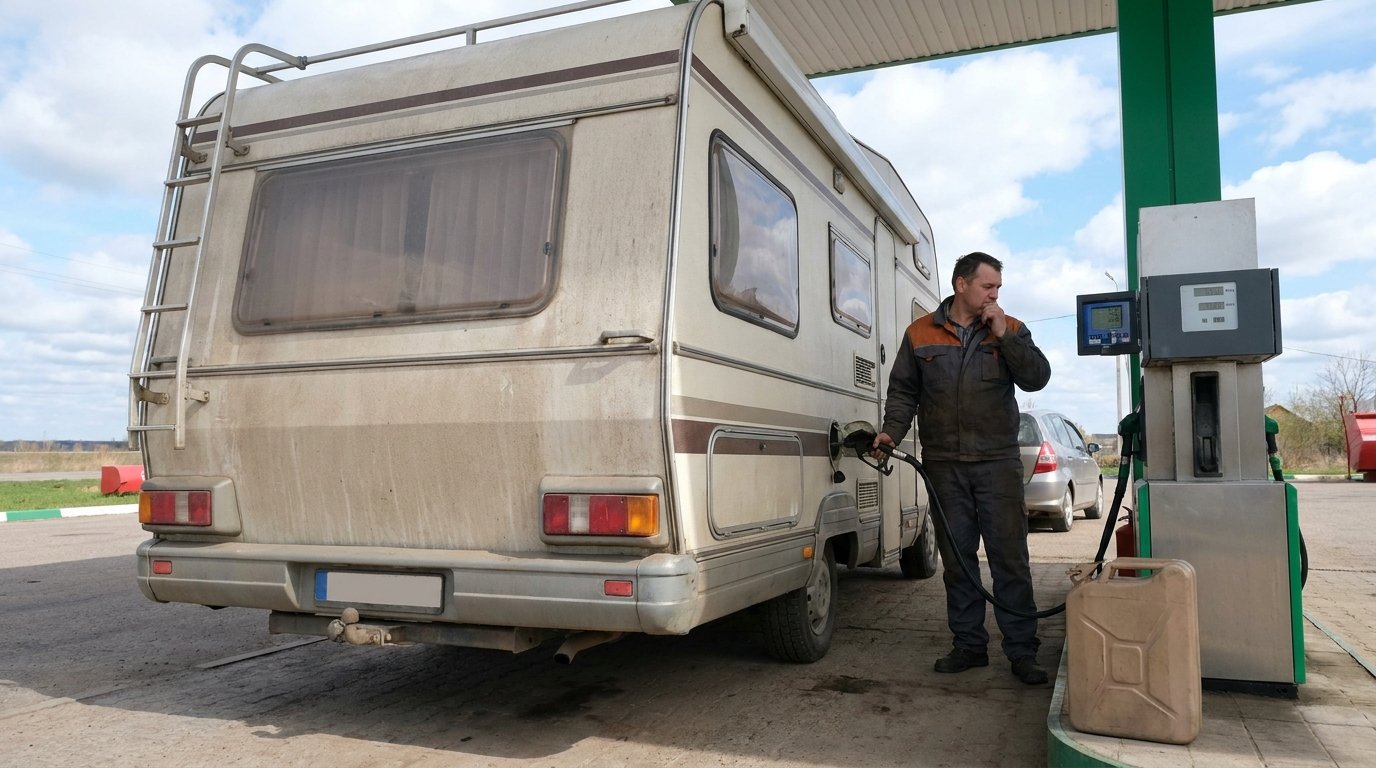
Your tires are the only point of contact between your RV and the road. Keeping them in optimal condition is paramount for both safety and fuel economy.
The Crucial Role of Tire Pressure
This is perhaps the easiest and most overlooked aspect of fuel efficiency.
Underinflation is Costly
- Check Regularly: Don’t wait for a flat. Check your tire pressure at least once a month, and before long trips, when the tires are cold.
- Find the Right Pressure: Your RV’s manufacturer will have recommended tire pressures. This information is usually found on a sticker inside the driver’s door jamb, in the owner’s manual, or on the tire itself (though the sidewall recommendation is often the maximum pressure, not the recommended operating pressure for your specific vehicle).
- Gauge Accuracy: Invest in a good quality tire pressure gauge. They are inexpensive and far more accurate than the gauges at many gas stations.
- Impact on MPG: Underinflated tires increase rolling resistance, making your engine work harder. This can decrease your MPG by several percent.
Choosing the Right Tires
Not all tires are created equal when it comes to fuel efficiency.
Rolling Resistance Matters
- Low Rolling Resistance Tires: Some tire manufacturers offer “low rolling resistance” tires. While they might cost a bit more upfront, the fuel savings over time can offset the initial expense.
- Proper Sizing: Ensure your tires are the correct size and load rating for your RV. Incorrectly sized tires can affect handling and fuel consumption.
Tire Maintenance Beyond Pressure
- Wheel Alignment: Misaligned wheels can cause tires to drag, increasing resistance and wearing them out prematurely. If you notice uneven tire wear or your RV pulling to one side, get your alignment checked.
- Tire Rotation: Regular tire rotation helps ensure even wear, extending the life of your tires and maintaining optimal performance.
Aerodynamics and Weight: Reducing Drag and Burden
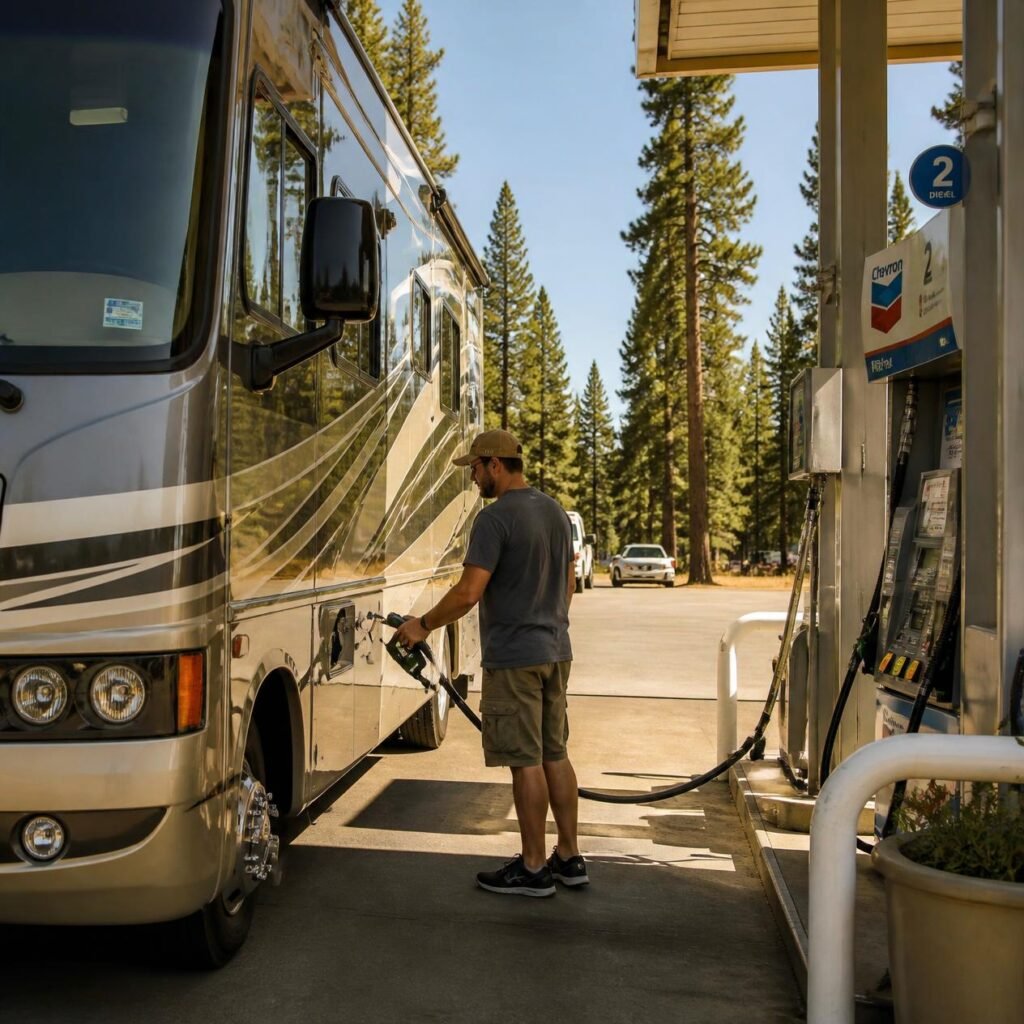
Think of your RV as a sailboat. The more wind it catches, the harder it is to move. The heavier it is, the more effort it takes to get going.
Streamlining Your Rig
Anything that sticks out or disrupts the smooth flow of air over your RV increases drag.
Common Culprits and Solutions
- Roof-Mounted Items: Kayaks, canoes, extra storage boxes, or even large roof air conditioners can add significant drag. Consider how you can secure these items as flush as possible or if they are truly necessary for every trip.
- Bike Racks and Cargo Carriers: These are notorious for disrupting airflow. If you can mount bikes inside or on a rear ladder system that is less intrusive, it might help. Rear carriers, especially if they extend far behind the RV, can create turbulence.
- Antennas and Vents: While essential, these can contribute to drag. Ensure they are properly sealed and in good condition.
- Awning Use: While enjoyable, an extended awning can catch wind. If you’re driving through a very windy area, consider retracting it.
The Weight Factor: Less is More
Every extra pound your RV carries requires more fuel to move.
Declutter and Strategize
- Water Tanks: Water is incredibly heavy. Only fill your fresh water tank when you absolutely need it. If you have access to water at your destination, travel with it empty or partially full.
- Gear Audit: Before a trip, go through your belongings with a critical eye. Do you really need that extra set of dishes, that heavy piece of equipment, or that massive collection of books?
- Lighter Alternatives: Where possible, opt for lighter versions of common items. Collapsible bowls instead of heavy ceramic ones, lighter camping chairs, etc.
- Storage Solutions: Distribute weight evenly throughout the RV, ideally closer to the axles, to improve handling and potentially fuel economy.
If you’re looking for ways to save money on RV fuel, it’s also important to consider the overall maintenance of your vehicle. Proper upkeep can enhance fuel efficiency and prolong the life of your RV. Taking your RV out on the open road is one of life’s great adventures. To ensure your travels are safe and worry-free, it’s important to stay on top of regular RV maintenance. Use this handy RV maintenance checklist to keep your rig in top shape and avoid unexpected problems during your journeys. By combining fuel-saving strategies with diligent maintenance, you can enjoy your travels while keeping costs down.
Route Planning and Navigation: Smarter Trips Mean More Savings
| Tip | Description |
|---|---|
| Drive at a Steady Speed | Avoid rapid acceleration and braking to improve fuel efficiency. |
| Use Cruise Control | Helps maintain a constant speed and can save fuel on long trips. |
| Reduce Weight | Travel with only necessary items to lighten the load and save fuel. |
| Maintain Proper Tire Pressure | Under-inflated tires can decrease fuel efficiency, so check and maintain proper tire pressure. |
| Plan Efficient Routes | Avoid traffic and road construction to save fuel and time. |
The roads you choose and how you navigate them have a direct impact on your fuel consumption.
The Detour Dilemma
Taking shortcuts or relying on potentially inefficient GPS routes can cost you.
Planning for Efficiency
- Avoid Stop-and-Go Traffic: Use navigation apps that offer real-time traffic updates and can help you find routes that bypass congested areas. A few extra miles on a clear highway are often better than a few miles of crawling in traffic.
- Steer Clear of Steep Grades: Research your route for significant inclines. While sometimes unavoidable, knowing about them in advance can help you prepare and potentially choose a slightly longer but less demanding route. Many GPS systems or mapping tools allow you to look for routes with minimal elevation changes.
- Fuel Station Planning: Don’t wait until you’re on empty. Plan your fuel stops in advance, especially in rural areas where stations can be far apart. This also allows you to potentially find stations with better prices.
Utilizing Fuel-Saving Navigation Tools
- Specific RV GPS: Some GPS devices and apps are designed for RVs and take into account bridge heights, weight restrictions, and often route preferences that avoid steep grades and tight turns. This can prevent costly detours or even damage.
- Mapping Apps with Traffic: Google Maps, Waze, and similar apps are invaluable for real-time traffic information. Look for the “avoid tolls” or “avoid highways” options if they align with your fuel-saving goals, but be mindful that avoiding tolls might lead you through more congested urban areas.
Understanding Fuel Prices by Region
Fuel prices can fluctuate wildly depending on location.
Smart Fueling Strategies
- Use GasBuddy or Similar Apps: These apps help you find the cheapest gas prices in your area and along your route.
- Fill Up Strategically: If you’re entering an area with significantly higher fuel prices, try to fill up before you get there. Conversely, if you’re in a cheaper region, top off your tank.
- Consider Truck Stops: For diesel RVs, truck stops often have competitive diesel prices and are designed for large vehicles, making fueling easier.
Vehicle Maintenance: Keeping Your Engine Happy and Efficient
A well-maintained RV is a more fuel-efficient RV. Simple checks and regular servicing can make a big difference.
The Importance of Regular Servicing
Don’t skip your RV’s scheduled maintenance. It’s an investment in longevity and efficiency.
Key Components to Focus On
- Oil Changes: Fresh, clean oil lubricates your engine more effectively, reducing friction and improving fuel economy. Follow your manufacturer’s recommended oil change intervals religiously.
- Air Filter: A clogged air filter restricts airflow to your engine, forcing it to work harder and use more fuel. Check and replace your air filter as recommended, or more often if you travel in dusty conditions.
- Fuel Filter: A clean fuel filter ensures your engine gets the clean fuel it needs to run efficiently. A dirty filter can lead to poor performance and reduced MPG.
- Spark Plugs (Gasoline Engines): Worn spark plugs can lead to incomplete combustion, wasting fuel. Replace them according to your maintenance schedule.
- Injector Cleaning (Diesel Engines): Over time, diesel injectors can become clogged, affecting fuel atomization and efficiency. Consider using a quality fuel system cleaner or having them professionally cleaned as part of your maintenance.
Cooling System Health
An engine that overheats or struggles to maintain optimal temperature will be less efficient.
Preventing Overheating
- Coolant Levels: Ensure your coolant is at the correct level and that the system is free of leaks.
- Radiator Cleaning: Keep your radiator free of debris, as this can impede airflow and cooling.
- Thermostat Function: A malfunctioning thermostat can cause your engine to run too cold or too hot.
Exhaust System Checks
While less common, issues with your exhaust system can impact efficiency.
Signs of Trouble
- Leaks: Exhaust leaks can affect engine performance and fuel mixture.
- Clogged Catalytic Converter: This is a more serious issue that can drastically reduce power and MPG.
By combining these practical strategies, you can make a noticeable difference in your RV’s fuel consumption, saving money and extending your travel adventures. It’s all about making informed choices and being a little more mindful of how you operate and maintain your rig.
FAQs
What are some tips for saving money on RV fuel?
Some tips for saving money on RV fuel include driving at a steady speed, using cruise control, reducing weight in the RV, and keeping up with regular maintenance.
How can driving at a steady speed save money on RV fuel?
Driving at a steady speed can save money on RV fuel because it reduces the amount of fuel needed to accelerate and decelerate, leading to better fuel efficiency.
Why is using cruise control helpful for saving money on RV fuel?
Using cruise control can help save money on RV fuel because it helps maintain a consistent speed, which can improve fuel efficiency and reduce the amount of fuel used during long drives.
What impact does reducing weight in the RV have on fuel efficiency?
Reducing weight in the RV can improve fuel efficiency because a lighter load requires less energy to move, resulting in less fuel consumption.
How does regular maintenance contribute to saving money on RV fuel?
Regular maintenance, such as keeping tires properly inflated and getting regular tune-ups, can help improve fuel efficiency and reduce the amount of fuel needed for RV travel.