Shopping for a used RV can feel like striking gold—or stepping on a landmine. The allure of saving thousands of dollars compared to buying new is undeniable, but the reality is that many pre-owned rigs come with hidden problems that sellers conveniently forget to mention. I’ve seen too many excited first-time buyers turn into stressed-out repair project managers within weeks of their purchase. Here’s my honest take: knowing what to watch for isn’t just helpful—it’s absolutely essential if you want to avoid turning your dream of RV adventures into a nightmare of costly repairs.
The biggest red flags I’ve encountered when buying a used RV boil down to water damage, frame and structural issues, outdated or faulty electrical systems, and signs of neglect in basic maintenance. Watch for sellers who seem evasive about the RV’s history, lack of documentation, and issues with slide-outs, appliances, and tires. These warning signs often indicate deeper problems that can cost thousands to fix. Purchasing from unreliable sources without proper inspections dramatically increases your risk of buying someone else’s expensive problem.
Table of Contents
Water Damage: The Silent RV Killer
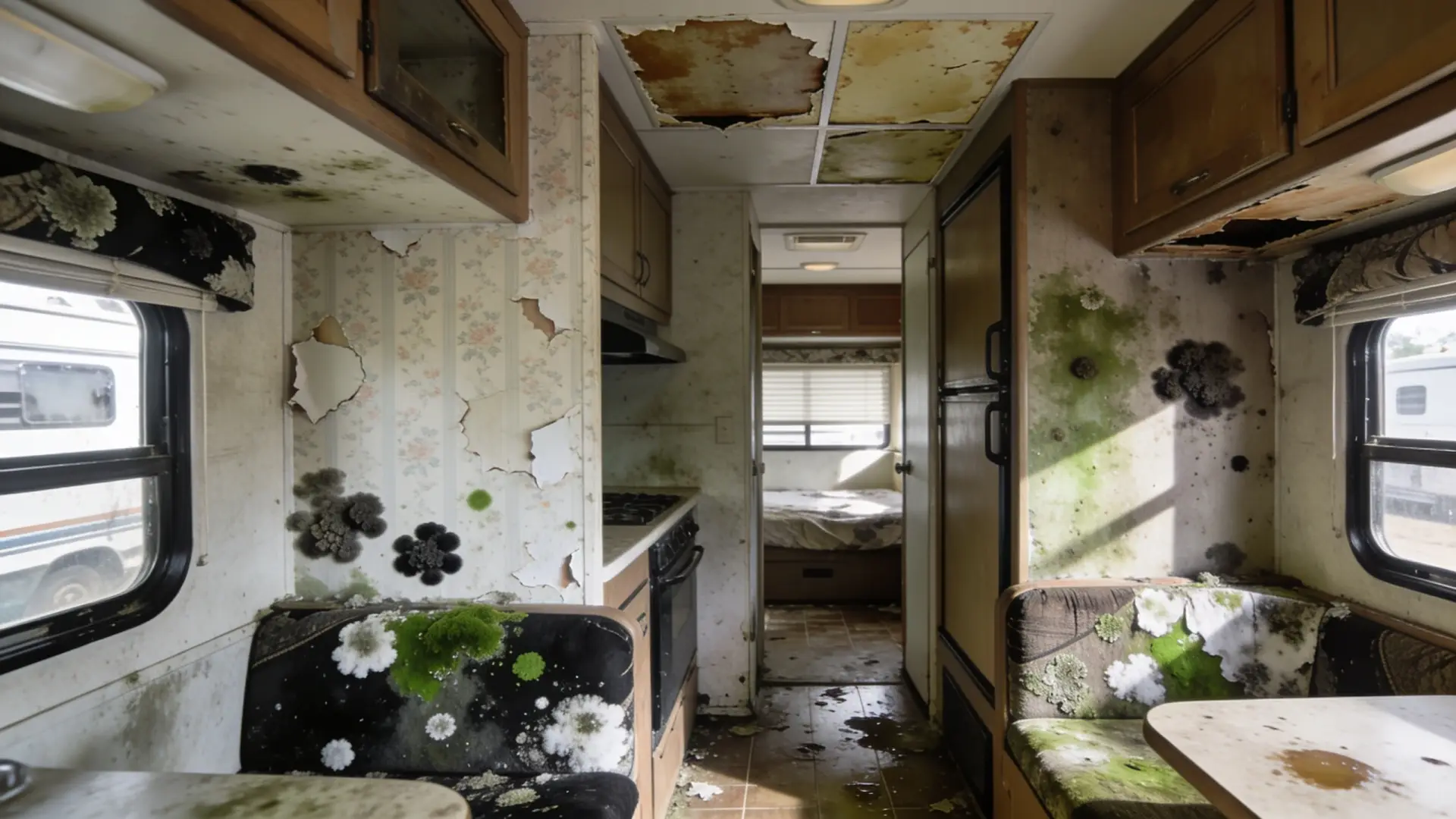
Water damage is the single most devastating issue you can encounter in a used RV, and it’s shockingly common. Unlike a leaky faucet in your house that you notice immediately, RV water intrusion often happens gradually and invisibly. By the time you spot the telltale signs—soft spots in floors, discolored walls, or that musty smell—the damage has already spread through the structure like a cancer.
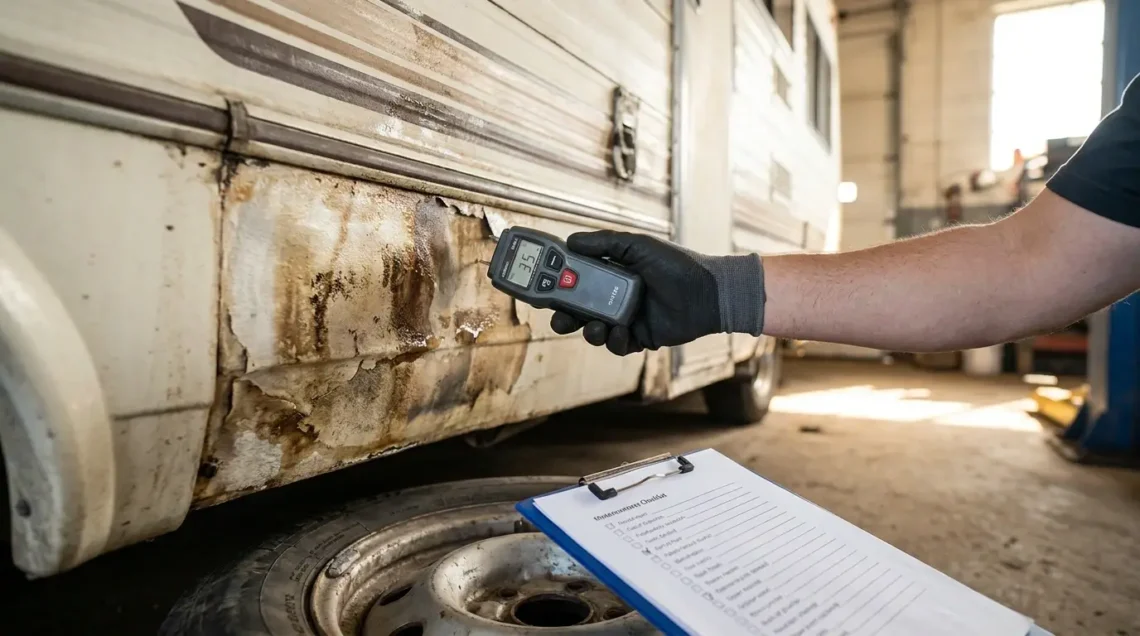
Walk around the exterior carefully and look for cracks in caulking, especially around windows, doors, vents, and roof seams. Inspect the roof membrane for tears, bubbles, or areas where it’s pulling away from the surface. Inside, press firmly on floors near slide-outs and bathrooms. If anything feels spongy or bounces under your weight, walk away. Water damage repair isn’t a weekend DIY project—it often requires tearing out walls, replacing insulation, and reconstructing framing. I’ve seen repair bills exceed $15,000 for severe cases.
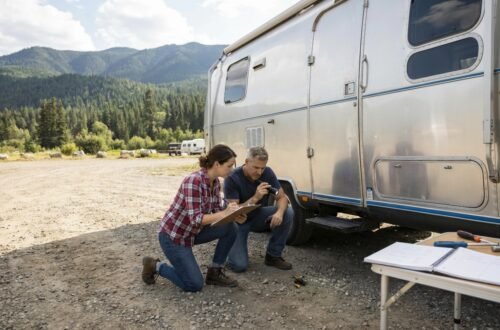
Check ceiling panels and sidewalls for staining, warping, or delamination (where the outer skin separates from the inner wall). Sellers often try to cover these with fresh paint or paneling. Bring a moisture meter if possible, or hire a professional inspector who has one. The $300-500 inspection fee is nothing compared to discovering rot six months after purchase. If you’re considering whether to buy new or used, water damage in used rigs is precisely why some buyers opt for new despite the higher price.
Structural and Frame Issues That Spell Disaster
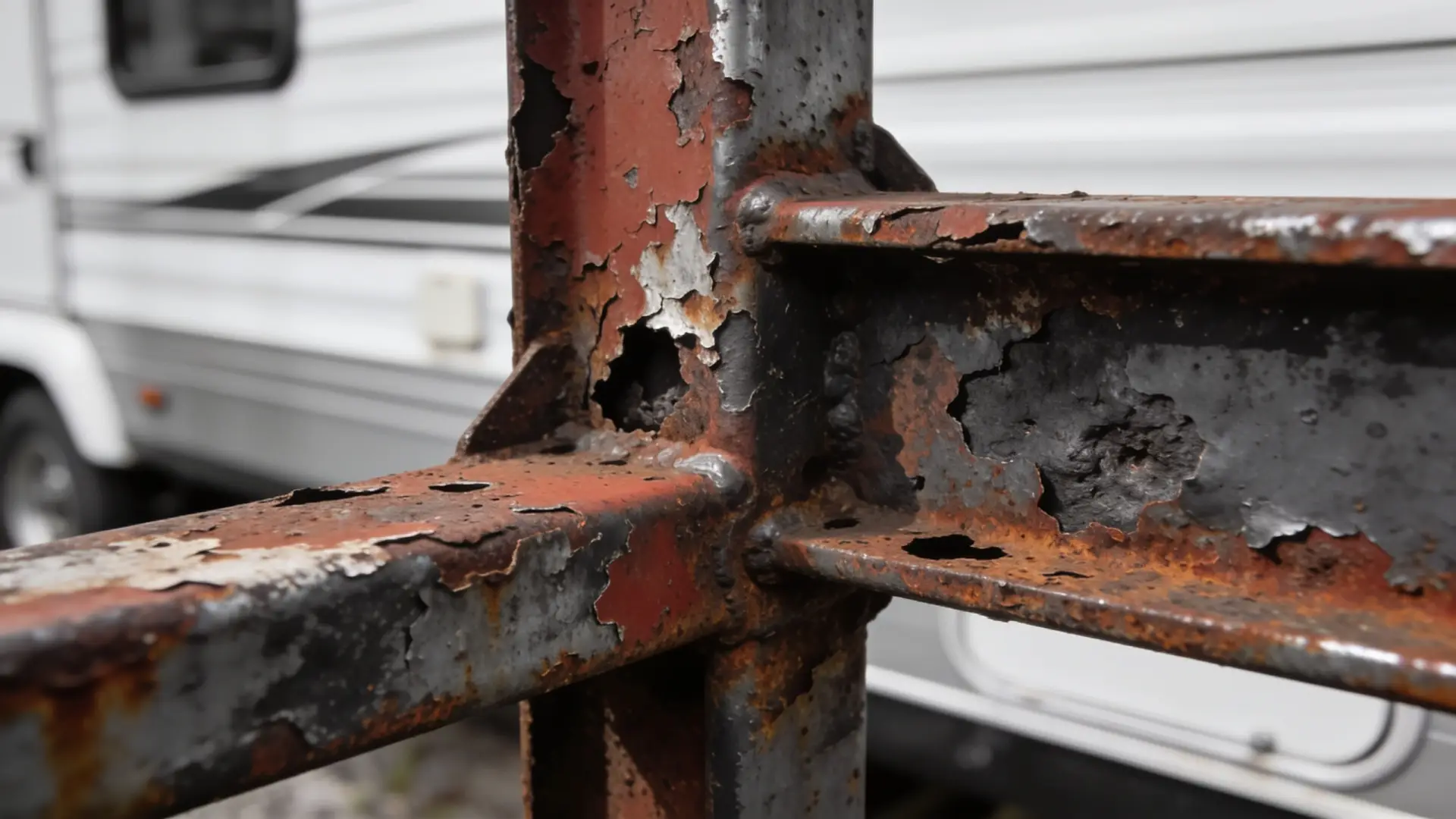
Beyond water damage, structural problems represent the next category of deal-breakers. Crawl underneath the RV and inspect the frame for rust, cracks, or repairs that look questionable. Rust isn’t always a death sentence—surface rust happens—but deep pitting or flaking near welds and stress points indicates serious deterioration. Look for any signs that the frame has been bent or poorly repaired after an accident.
Pay special attention to the area around slide-out mechanisms. These moving rooms add tremendous weight and stress to the frame. Check for cracks in the floor where the slide-out meets the main body. Also examine the exterior wall above and below slide-outs for separation or cracking. These issues often indicate that the RV has been overloaded or that the slide mechanism is failing.
A pretty exterior can hide a rotting skeleton—never skip the inspection underneath the RV where the real truth lives.
Delamination: More Than Cosmetic
Delamination occurs when the fiberglass or aluminum outer skin separates from the underlying framework. It often starts small but spreads quickly. Tap on the sidewalls with your knuckles—a solid wall sounds tight and uniform, while delaminated areas sound hollow and drum-like. This issue typically stems from water intrusion or adhesive failure, and repair costs can easily reach $5,000-10,000 depending on the extent.
Electrical Systems: A Ticking Time Bomb
Electrical problems in used RVs range from annoying to genuinely dangerous. Many older rigs have outdated wiring that can’t handle modern electrical demands. Start by testing every outlet, light fixture, and appliance. Bring a simple outlet tester—it costs about $10 and can reveal miswiring or grounding issues that pose fire risks.
Check the electrical panel for signs of overheating, such as discolored breakers or a burnt smell. Inspect visible wiring for fraying, exposed copper, or amateur splicing jobs. Poorly done electrical modifications are incredibly common in used RVs, especially if previous owners added solar panels or inverters without proper knowledge. These DIY disasters can cause fires or damage expensive appliances.
Test both 12V DC and 120V AC systems thoroughly. Run the generator (if equipped) and listen for unusual noises or excessive smoke. If the RV has solar panels, ask about the system specifications and check the charge controller settings. Incorrectly configured solar systems can overcharge batteries or fail to charge them at all. For those interested in adding solar later, understanding the basics of RV solar systems can help you evaluate whether an existing installation is worth keeping or needs replacement.
Signs of Maintenance Neglect You Cannot Ignore
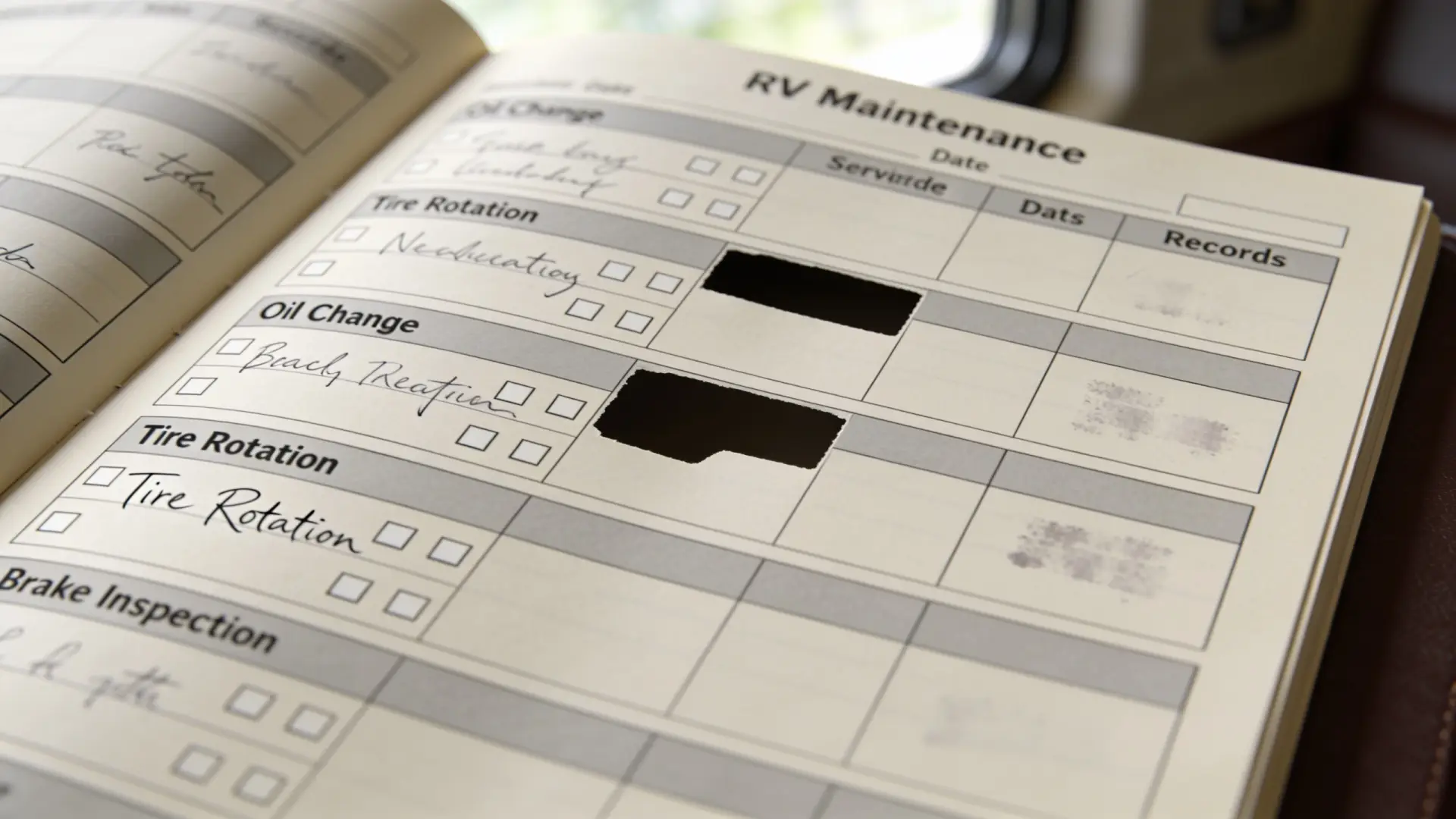
A well-maintained RV shows evidence of regular care. Neglect manifests in numerous small ways that collectively paint a damning picture. Start with basic fluid levels—check engine oil, coolant, transmission fluid, and brake fluid in motorhomes. Dark, dirty oil or low fluid levels suggest the owner skipped routine servicing.
Examine the tires closely. RV tires have date codes stamped on the sidewall showing manufacturing date. Tires older than six years should be replaced regardless of tread depth, as the rubber degrades over time. Cracking, uneven wear, or dry rot are immediate red flags. Replacing all tires on a large RV can cost $2,000-4,000, so factor that into your negotiations if needed.
Service Records Matter
Request maintenance records and be suspicious if the seller claims they “did everything themselves” but has no documentation. Legitimate RV owners keep records of:
- Roof resealing and inspections
- Appliance servicing (furnace, water heater, refrigerator)
- Generator maintenance hours and oil changes
- Winterization procedures
- Any warranty or recall work completed
No records often means no maintenance was performed. Check if the manufacturer has issued any recalls by searching the VIN through the National Highway Traffic Safety Administration database. Unresolved recalls are serious safety concerns that should either be completed before purchase or negotiated into the price.
The condition of the RV’s roof tells a story. Climb up there if safely possible (or have an inspector do it). Look for cracks, tears, or areas where sealant has hardened and pulled away. Roof maintenance is critical yet frequently ignored. If the roof looks neglected, assume water has been entering the RV for some time. For comprehensive guidance on this critical area, consult our ultimate roof maintenance guide to understand what proper care looks like.
Seller Red Flags That Should Send You Running
Sometimes the biggest warning signs come from the seller’s behavior rather than the RV itself. Be wary of sellers who seem overly eager to close the deal quickly, especially if they discourage inspections or pressure you to decide immediately. Legitimate sellers understand that buying an RV is a major investment and welcome thorough inspections.
Watch for evasive answers about the RV’s history. Questions about accidents, repairs, or reasons for selling should receive straightforward responses. If the seller claims they “barely used it” but can’t explain basic operational features, they’re probably lying about something. Similarly, be suspicious if the seller insists on meeting at a location other than where the RV is stored—they might be hiding poor storage conditions or trying to prevent you from seeing how it performs after sitting.
A seller who won’t let you bring a mechanic or inspector is a seller hiding something you definitely don’t want to discover after signing the papers.
Title and Ownership Verification
Always verify that the seller actually owns the RV and that the title is clear. Check the VIN on the title against the VIN on the RV. Request a vehicle history report through services like Carfax or AutoCheck. These reports can reveal accident history, odometer rollbacks, or previous flood damage. Be cautious of sellers who claim the title is “in the mail” or offer excuses for not having it available. No legitimate transaction should proceed without a clear title in hand.
Critical Mechanical Components to Inspect
For motorhomes, the chassis and engine require the same scrutiny you’d give any used vehicle. Take it for a substantial test drive—at least 30 minutes on various road types. Listen for unusual noises, feel for vibrations, and test the brakes repeatedly. The transmission should shift smoothly without hesitation or hard shifts. Any grinding, whining, or clunking sounds warrant immediate investigation by a qualified mechanic.
Check the generator thoroughly since replacement costs typically range from $3,000-8,000. Start it and let it run for at least 30 minutes under load (with air conditioning and other appliances running). It should start easily, run smoothly, and not produce excessive smoke. Note the hour meter reading and compare it to the seller’s claims about usage.
Appliances and Systems Testing
Test every single appliance and system in the RV. This includes:
- Refrigerator in both electric and propane modes
- Furnace and air conditioning units
- Water heater and water pump
- Stove, oven, and microwave
- All slide-outs for smooth operation and proper sealing
- Awning extension and retraction
- Fresh water, gray water, and black water tank systems
Don’t accept the seller’s word that “everything works.” See it function yourself. Replacing major appliances adds up quickly—an RV refrigerator alone can cost $1,000-2,500. If multiple systems aren’t working, calculate replacement costs and use them in price negotiations or simply move on to a better-maintained unit.
For those new to RV ownership, understanding these systems becomes crucial after purchase. Familiarizing yourself with common RV problems and their fixes helps you identify which issues are normal wear versus serious red flags. Knowing typical maintenance requirements helps you assess whether a used RV has been properly cared for.
Holding Tanks and Plumbing
Plumbing issues are messy and expensive. Fill the fresh water tank and run water through all faucets, showers, and the toilet. Check underneath for leaks. Inspect the underbelly around waste tanks for rust, damage, or signs of leakage. A functioning tank monitoring system is helpful but not critical—many RVers learn to gauge tank levels without sensors.
Ask when the tanks were last emptied and cleaned. Black tank problems, particularly sensor failures or stubborn clogs, plague many older RVs. While these issues are usually fixable, they indicate overall care levels. A seller who maintains clean tanks and functional systems likely maintained other aspects properly too.
Consider the total cost of ownership beyond the purchase price. Factor in immediate repairs, registration, insurance, and preventive maintenance. Sometimes a slightly more expensive RV in excellent condition costs less in the long run than a bargain that needs extensive work. If you’re working within tight financial constraints, exploring strategies for RVing on a budget can help you allocate funds wisely between purchase price and necessary improvements.
Buying a used RV requires patience, diligence, and a healthy dose of skepticism. Don’t let excitement override common sense, and never skip a professional inspection on any RV you’re seriously considering. The few hundred dollars you spend on a thorough inspection can save you from a $20,000 mistake. Before you sign the papers, walk through this checklist one more time: water damage inspection, structural examination, electrical testing, maintenance records review, seller verification, and mechanical evaluation. Any red flag you catch now is a disaster you’ve prevented.
 | wrburn An avid explorer with a passion for the open road, wrburn founded RV Lore to provide expert-tested guides for the modern nomad. Dedicated to the motto ‘Roam Free, Live Fully,’ they combine years of hands-on experience with technical expertise to help others navigate the RV lifestyle with confidence and ease. |