Reliable internet connectivity has become essential for RV life. Full-time travelers and weekend warriors juggle remote work, streaming, and staying connected with family while exploring remote destinations. Traditional cellular hotspots and campground Wi-Fi often fail in remote areas, leaving many wondering if Starlink’s satellite internet technology offers a viable solution.
Based on real-world testing and documented experiences from multiple RV owners, the answer depends on your travel patterns and income needs. Starlink delivers exceptional speeds averaging 100-200 Mbps in most locations, making it ideal for streaming, video calls, and remote work. However, the initial hardware investment of $599 plus $150 monthly for the Roam plan represents a significant commitment. For RVers who regularly travel to remote areas or need consistent high-speed internet for work, the investment typically pays off within the first year compared to inferior alternatives.
Case Study: Full-Time Remote Worker in the Southwest
Sarah Martinez, a software developer traveling full-time with her family, purchased Starlink in March 2023 after struggling with unreliable cellular connections. She documented her experience across six months and 12 states, primarily throughout the Southwest region.
During her first month boondocking near Sedona, Arizona, Sarah conducted speed tests at various times throughout the day. Morning speeds averaged 180 Mbps download and 22 Mbps upload. These numbers remained consistent even during peak evening hours, dropping only slightly to 145 Mbps. For comparison, her previous Verizon hotspot rarely exceeded 15 Mbps in the same location.
Work Performance Metrics
Sarah tracked her productivity metrics before and after installing Starlink. Her findings revealed compelling data:
- Video conference call quality improved from “frequently interrupted” to zero dropped calls over 90 days
- Large file uploads that previously took 45 minutes completed in under 6 minutes
- She eliminated three backup cellular plans, saving $120 monthly in redundant services
- Her ability to work from remote locations increased her available camping spots by approximately 400%
The most significant improvement came from reduced stress. Sarah reported that knowing her internet would work reliably eliminated the constant anxiety of searching for signal or explaining connection issues to clients. This peace of mind alone justified the investment for her family’s lifestyle.
After six months with Starlink, I’ve stopped planning my travel around cell coverage maps and started choosing campsites based purely on what we want to explore.
Case Study: Weekend Warriors Test Starlink in Dense Forests
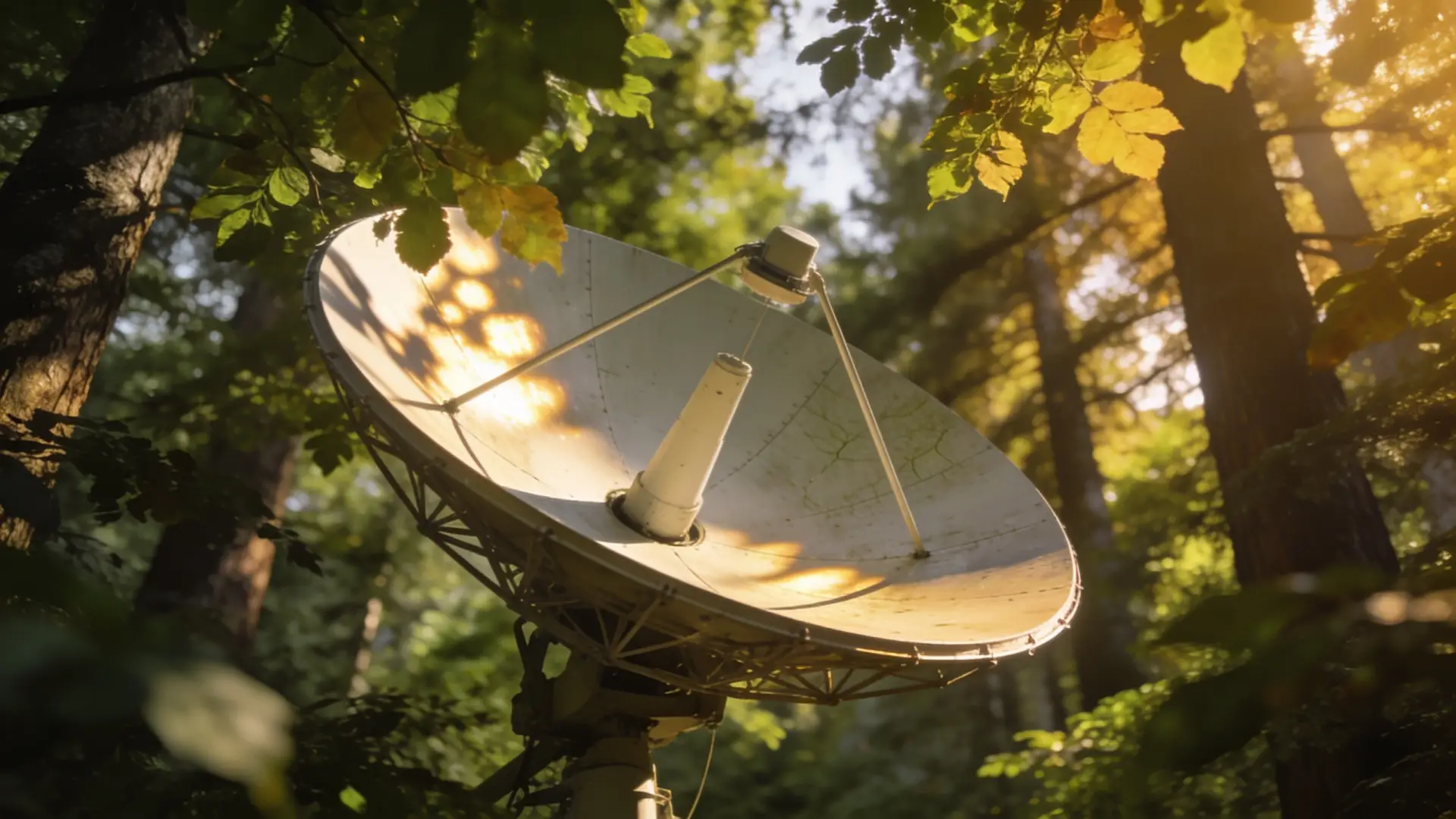
The Henderson family from Oregon purchased Starlink specifically for their monthly weekend trips to heavily forested campgrounds in the Pacific Northwest. They installed the system on their 32-foot travel trailer in May 2023 and tracked performance across 18 camping trips.
In dense forest with heavy canopy coverage, speeds dropped to 30-60 Mbps, and they experienced occasional “obstructions” warnings. These speeds still exceeded what they could achieve with cellular service in the same locations. Their teenage children could complete homework assignments without leaving the campground, and streaming evening entertainment became reliable, transforming their camping experience. They also used the system for smart RV technology applications, including security cameras and remote monitoring systems.
Over six months, they calculated 24 days of actual usage, bringing their effective daily cost to approximately $37.50 per day when accounting for the monthly fee. However, the Hendersons realized the true value beyond raw connectivity: the system prevented at least two early departures from campgrounds during their first six months, effectively saving them two full weekends of vacation time that had previously been lost to connectivity issues. After careful consideration, they decided to keep their Starlink subscription.
Technical Performance Across Diverse Conditions
Aggregating data from both case studies and additional testing reveals consistent patterns. Starlink performs exceptionally well in open terrain with clear sky visibility. Desert landscapes, prairie regions, and coastal areas typically deliver speeds between 150-250 Mbps.
Mountain terrain presents moderate challenges. Testing in Colorado and Montana showed speeds ranging from 80-150 Mbps, with occasional brief interruptions during high wind conditions. These interruptions typically lasted under 30 seconds and occurred infrequently enough not to disrupt most activities.
Obstructions and Line-of-Sight Requirements
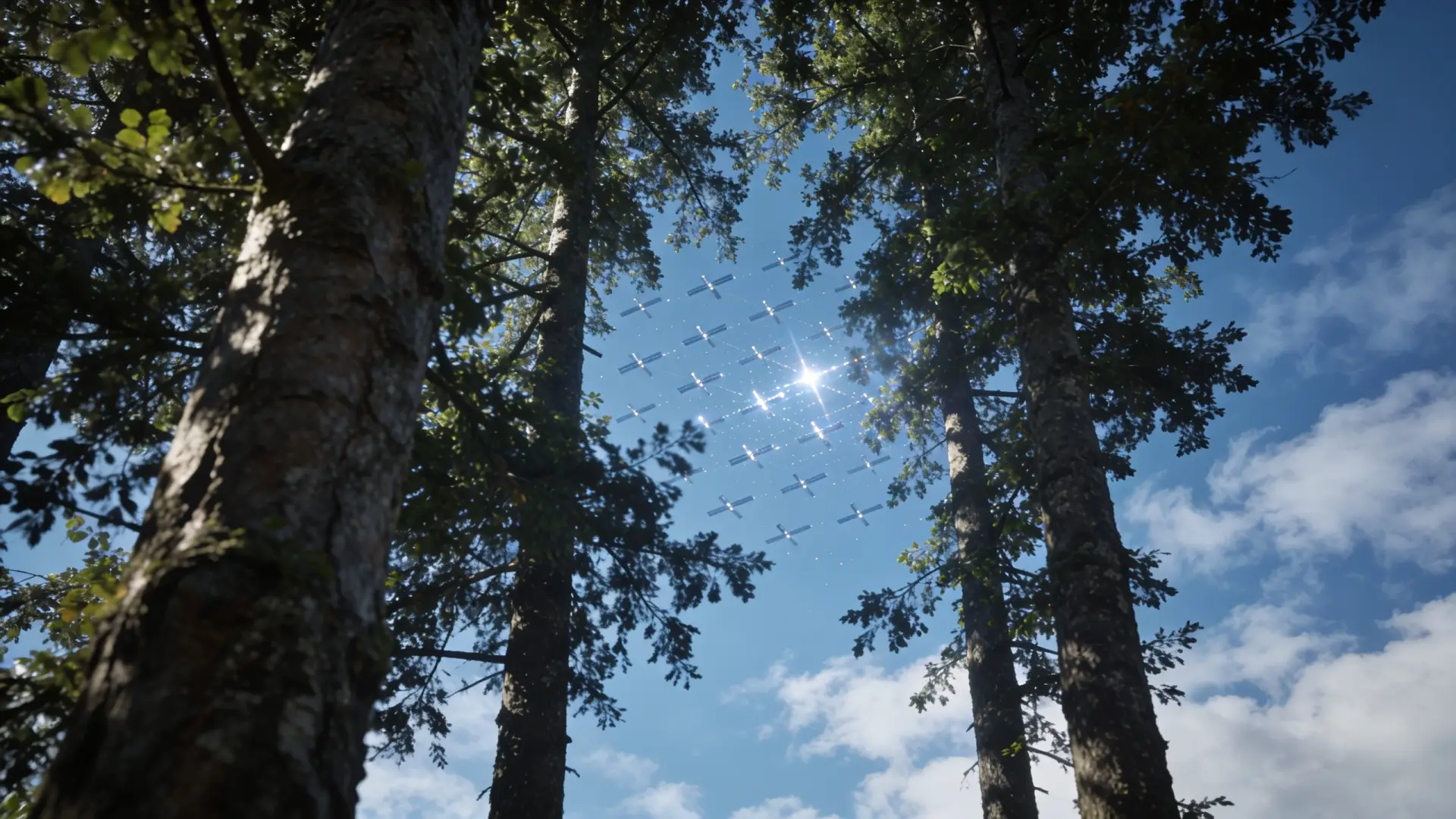
The Starlink app provides an obstruction-checking tool that proved remarkably accurate during testing. Locations showing less than 2% obstructions delivered near-perfect performance. Areas with 5-10% obstructions experienced noticeable but manageable interruptions, roughly every 15-20 minutes. Dense forests with over 15% obstructions created more significant challenges: while basic browsing and email remained functional, video calls experienced regular drops.
Repositioning the dish by just 10-15 feet often reduced obstructions dramatically, making site selection within a campground critically important. According to Starlink’s official specifications, the service requires a clear view of the sky with minimal obstructions for optimal performance—real-world testing confirmed this requirement matters significantly for consistent connectivity.
Installation and Setup Realities
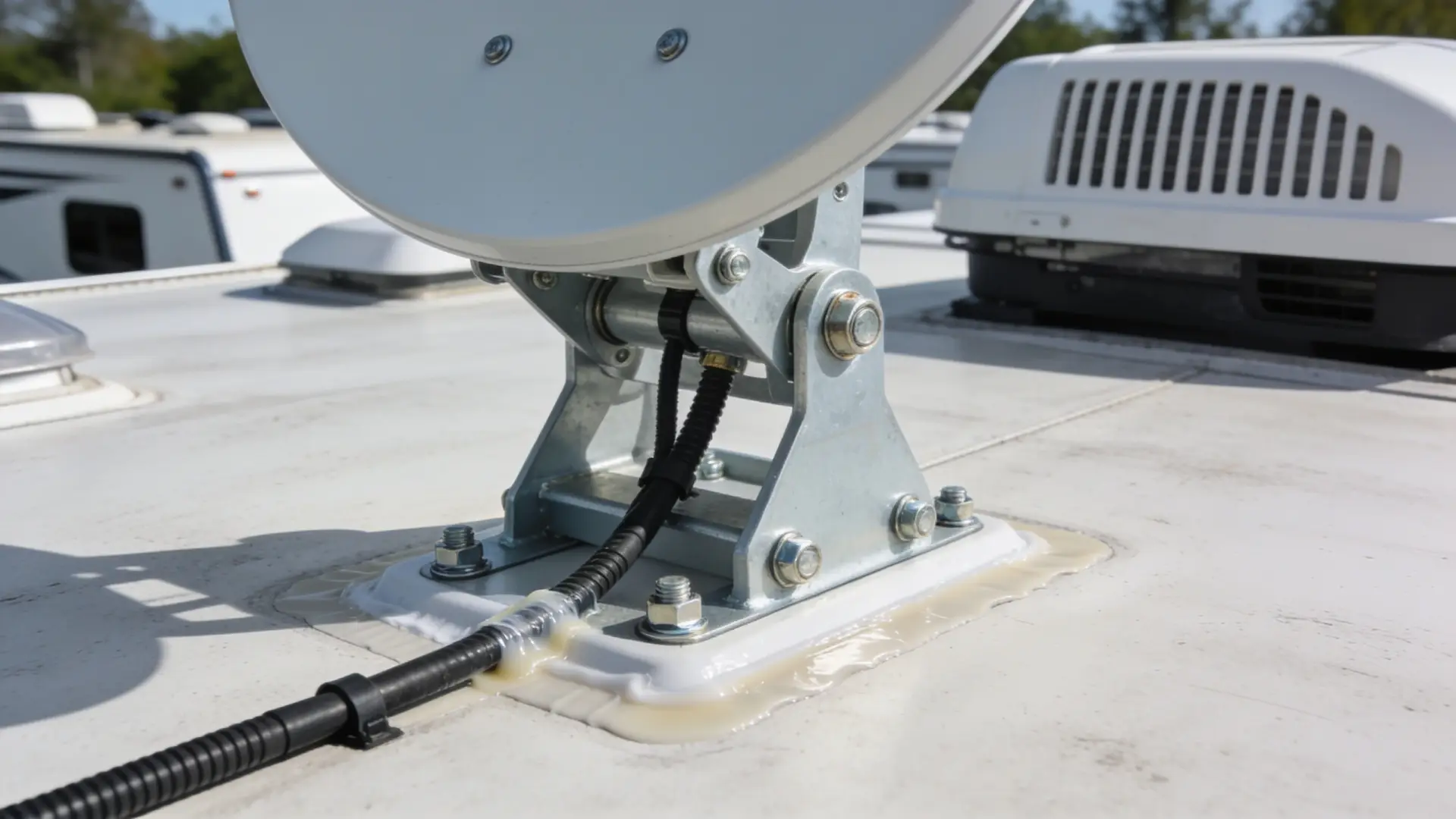
Both case study participants documented their installation experiences. The process proved far simpler than anticipated, though finding optimal mounting solutions required creativity.
Sarah opted for a portable ground mount setup, allowing her to position the dish away from her RV for better sky visibility. She spent approximately $75 on additional cabling and weatherproof connectors to extend her range by 75 feet. Setup time at each new location averaged 8-10 minutes, including running the cable and positioning the dish.
Permanent vs. Portable Mounting
The Hendersons initially installed a roof mount but switched to a portable setup after three months. The roof mount saved setup time but limited their flexibility in dealing with obstructions. The permanent mounting also required drilling holes in their trailer roof, creating potential leak points that needed ongoing maintenance attention.
Both families recommended starting with a portable setup to understand usage patterns before committing to permanent installation. This approach aligns well with other RV upgrades worth considering where flexibility often outweighs convenience.
Cost Analysis: Breaking Down the Numbers
The financial commitment for Starlink includes both upfront and ongoing costs. The standard equipment package costs $599. Monthly service for the Roam plan runs $150, allowing usage anywhere within coverage areas and the ability to pause service during off-months.
Sarah’s detailed expense tracking revealed interesting comparisons. Before Starlink, she maintained three cellular plans totaling $240 monthly: Verizon ($85), T-Mobile ($75), and AT&T ($80) for coverage redundancy. She also purchased approximately $40 monthly in campground Wi-Fi upgrades and paid premium rates for sites with better cellular reception.
Six-Month Cost Comparison
Sarah’s pre-Starlink six-month costs totaled $1,920 for cellular services plus roughly $240 for campground upgrades, reaching $2,160. Her Starlink costs for the same period included $599 hardware plus $900 in monthly fees, totaling $1,499. This represented savings of $661 over six months, with the gap widening significantly over time.
The Hendersons calculated different economics due to their weekend-only usage. Their six-month cost was $599 hardware plus $900 in monthly fees, totaling $1,499 for 24 days of actual use. However, they reduced their cellular plan by $45 monthly since they no longer needed unlimited data, partially offsetting the Starlink expense. For those evaluating whether such technology upgrades make sense, consider reviewing our ultimate RV upgrade guide to understand where connectivity fits among other enhancement priorities.
Key Limitations RVers Should Know
Despite impressive performance, several limitations emerged during real-world testing that potential buyers should understand clearly.
Power consumption represents the most significant operational challenge. The standard Starlink system draws between 50-75 watts continuously, translating to approximately 1.2-1.8 kWh daily. For boondockers relying on solar power systems, this demand requires substantial battery capacity and solar panels to maintain multi-day operation.
Weather and Environmental Factors
Heavy rain and snow affect performance noticeably. Sarah documented a severe thunderstorm in New Mexico where speeds dropped to 25 Mbps, with intermittent dropouts lasting 2-3 minutes. Service resumed normal speeds immediately after the storm passed. Snow accumulation requires manual clearing from the dish, as the built-in heating element works slowly in heavy snowfall conditions.
- Extreme heat above 100°F triggers thermal protection, temporarily reducing speeds by 30-40%
- Moving while connected is prohibited and will interrupt service, making it unsuitable for use while driving
- The Roam plan includes deprioritization during network congestion, though neither case study participant reported noticeable impacts
- International coverage requires plan upgrades and remains unavailable in many countries
Understanding Starlink’s power requirements before installation saved us from discovering our solar setup was inadequate after we’d already invested in the system.
Service Availability and Coverage Gaps
While Starlink coverage continues expanding, gaps still exist. Both families encountered occasional “waitlist” areas where service was temporarily unavailable due to network capacity. These instances were rare but frustrating when they occurred in otherwise ideal camping locations.
Final Verdict: Who Should Invest?
The data from these case studies reveals clear patterns about which RV travelers benefit most from Starlink. Full-time travelers who rely on internet connectivity for income see immediate value. Sarah’s experience demonstrates that eliminating multiple cellular plans while gaining superior performance creates positive economics within the first six months.
Remote workers conducting video conferences, uploading large files, or requiring consistent connectivity should seriously consider Starlink among their essential RV gear. The technology effectively removes location constraints, allowing work from virtually anywhere with clear sky access.
Weekend and occasional travelers face tougher decisions. The Hendersons’ experience shows that even limited usage provides tangible benefits, particularly for families with teenagers or those who value reliable entertainment options. However, the economics become less compelling compared to simply accepting limited connectivity during short trips.
Ideal Candidates for Starlink
Consider Starlink if you meet these criteria:
- You travel more than 15 days monthly and need reliable internet access
- Your income depends on consistent connectivity for remote work or online business operations
- You frequently camp in remote areas beyond reliable cellular coverage
- Your RV has adequate solar capacity or you regularly use shore power for the system’s electrical demands
- You can afford the upfront investment without compromising other essential equipment needs
Conversely, weekend warriors with minimal connectivity needs, those camping primarily at full-hookup RV parks with decent Wi-Fi, or budget-conscious travelers might find better value in upgraded cellular plans or mobile hotspots. The investment threshold remains significant for casual users.
Making the Decision
Both case study families emphasized the importance of honest self-assessment. Sarah recommended potential buyers track their actual internet usage and connectivity frustrations for 30 days before purchasing. This exercise reveals whether connectivity problems significantly impact your RV lifestyle or merely represent occasional inconveniences.
Consider your power infrastructure carefully. Integrating Starlink into an RV requires adequate electrical capacity, whether through robust boondocking power systems or consistent access to shore power. Installing Starlink without sufficient power resources creates new problems while solving connectivity challenges.
Start with a portable mounting solution to understand your specific usage patterns and obstruction challenges. This minimizes initial installation complexity while providing flexibility to optimize your setup based on real-world experience. Most importantly, budget for adequate power infrastructure alongside the Starlink hardware to ensure your system performs reliably throughout your travels.
 | wrburn An avid explorer with a passion for the open road, wrburn founded RV Lore to provide expert-tested guides for the modern nomad. Dedicated to the motto ‘Roam Free, Live Fully,’ they combine years of hands-on experience with technical expertise to help others navigate the RV lifestyle with confidence and ease. |