
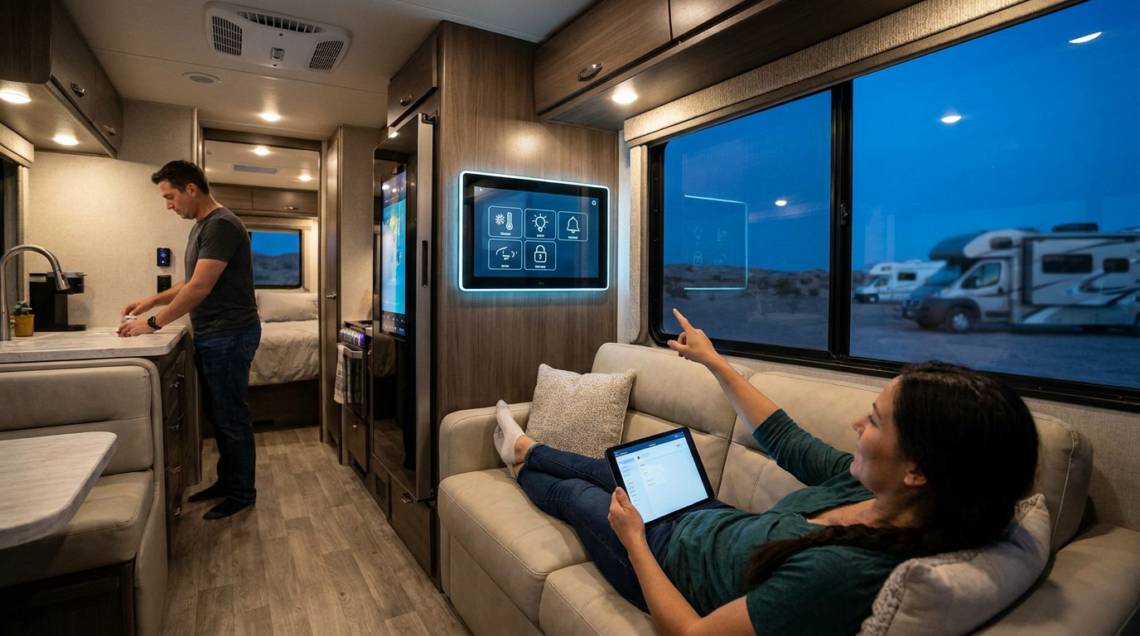
So, you’re curious about what “Smart RV Technology” actually means and if it’s more than just a fancy buzzword? The short answer is: it’s a real thing, and it’s making RVing way more convenient and capable, especially if you like going off the beaten path. Think of it as bringing the best of your smart home and even some electric vehicle (EV) tech into your rolling abode. This isn’t just about having a gadget or two; it’s about a more integrated, intuitive, and often automated way to travel and live in your RV.
Table of Contents
What Exactly Is Smart RV Tech?
At its core, smart RV technology is about making your RV more responsive, connected, and easier to manage. It leverages sensors, connectivity (Wi-Fi, Bluetooth, cellular), and often some form of intelligent software, including AI, to automate tasks, provide remote control, and enhance the overall RV experience. This can range from simple convenience features like controlling lights with your phone to more advanced capabilities like automated parking and sophisticated off-grid power management.
The RV industry is definitely catching up with these innovations, integrating what we already see in smart homes and even in the burgeoning EV market. Major players like Airstream, Winnebago, and Lippert are all rolling out their own apps and increasingly building these smart features directly into their new models. This means you’re likely to see more RVs with built-in systems for monitoring and controlling various aspects of the coach, making it less of a hassle to manage everything from afar.
For those interested in understanding the financial implications of RV ownership, a related article titled “Renting vs. Owning an RV: Which is the Better Financial Choice?” provides valuable insights. This article explores the costs associated with both renting and owning an RV, helping readers make informed decisions about their travel options. You can read it here: Renting vs. Owning an RV.
Powering Your Adventure: Smarter Off-Grid Capabilities
One of the biggest game-changers in smart RV tech is how it’s revolutionizing off-grid living. If you’ve ever been frustrated by constantly worrying about your battery levels or trying to calculate how long you can run your appliances without hookups, this is where smart tech really shines.
Extended Off-Grid Stays
Gone are the days when a few power banks and a small solar panel were your best bet for a weekend away from the grid. New smart RVs are designed for serious boondocking. We’re talking about the capability to stay powered for 14 days or more entirely off-grid. This is largely thanks to advancements in battery technology and integrated power management systems.
High-Capacity Battery Systems
A key component of this extended off-grid capability is the use of high-capacity Lithium Iron Phosphate (LFP) batteries. These aren’t your old-school lead-acid batteries. LFP batteries are much lighter, last significantly longer, and can be deeply discharged without damage. When you see battery capacities in the range of 45 to 85 kWh, that’s comparable to what you might find in a full-sized electric vehicle, providing a massive amount of energy storage for your RV.
Efficient Solar Charging
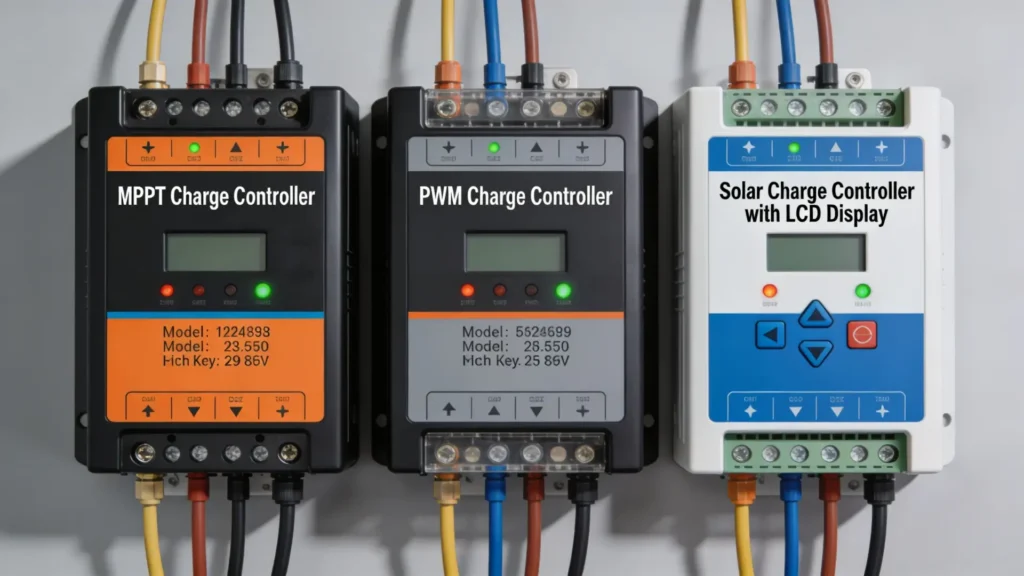
To keep those big batteries topped up, smart RVs are integrating much larger and more efficient solar arrays. We’re seeing solar charging capabilities ranging from 1,100 to 2,200 watts on the roof. This means that on any reasonably sunny day, your RV is constantly generating electricity, significantly reducing your reliance on other power sources and extending your time off the grid. Some systems even have smart controllers that optimize charging based on sunlight intensity and battery status.
The Power of Reverse EV Charging
Another fascinating innovation drawing from the EV world is reverse charging. Some smart RVs are now being designed to function as mobile power hubs. This means they can potentially reverse charge an EV from their own battery bank or even power external devices in a pinch. This makes your RV a versatile power source, not just for itself but for other compatible equipment.
Intelligent Driving: Automated Maneuvers and Stability
Perhaps one of the most futuristic aspects of smart RV technology is the integration of intelligent driving assistance. This is moving beyond simple backup cameras and into a realm of automated control and enhanced safety.
All-Scenario Intelligent Driving Assistance
Some companies are showcasing systems that aim to assist with driving in a much broader range of situations. Skydream, for instance, has developed an “all-scenario intelligent driving assistance” system for their next-generation ERV trailers. This isn’t about autonomous driving in the sense of letting the RV drive itself down the highway, but rather providing sophisticated help with challenging maneuvers and stability.
Body Stability and Sway Suppression
A common concern for RV drivers, especially those with larger trailers, is sway. This smart technology uses sensors to monitor the RV’s movement and can actively suppress sway, making the ride smoother and safer. Imagine system that can detect and counteract the forces that cause those unsettling trailer oscillations, providing a more confident driving experience.
One-Touch Parking and Automated Hitching
This is where things get really convenient. Imagine pulling up to your campsite and, instead of painstakingly maneuvering your RV into place, you can initiate a one-touch parking sequence. The system, using sensors and precise movements, guides the RV into its spot. Similarly, automated hitching helps take the stress out of connecting your trailer to your tow vehicle. These features can be absolute game-changers for RVers of all experience levels, especially when navigating tight spots or dealing with uneven terrain.
Remote Control and Connectivity: Your RV in Your Pocket
The “smart” aspect often hinges on connectivity, allowing you to interact with your RV from a distance, whether you’re inside the coach or even miles away.
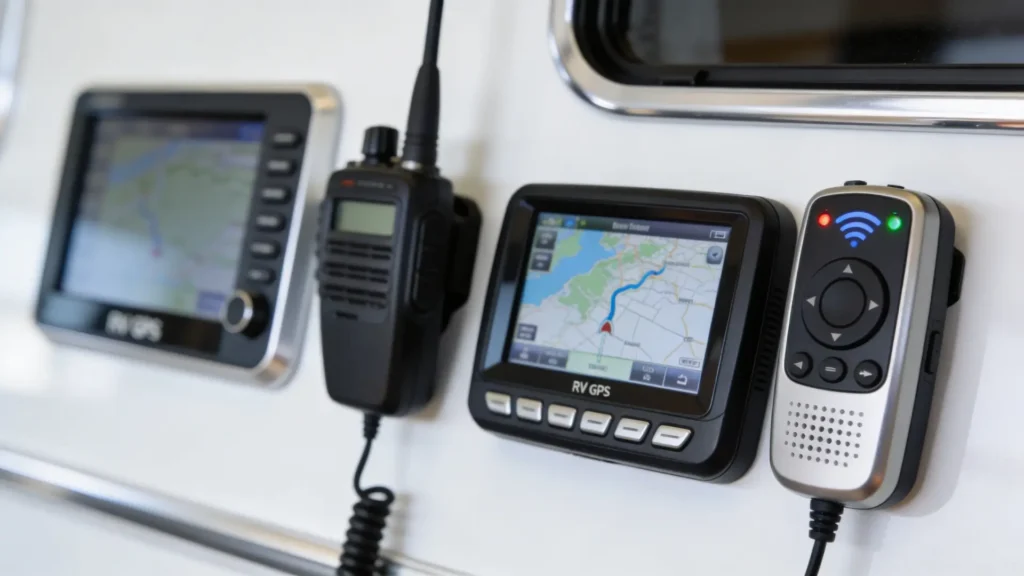
Voice, App, and Touchscreen Control
Modern smart RVs are moving towards a multimodal control system. This means you can manage various functions using voice commands, through a dedicated mobile app on your smartphone or tablet, or via an integrated touchscreen interface within the RV. This offers flexibility and convenience, allowing you to adjust settings without having to physically get up and find a specific switch.
Remote Monitoring and Adjustments
The apps typically allow for remote monitoring of critical systems. You can check tank levels (fresh water, grey water, black water) so you know how much capacity you have left. You can monitor and adjust your HVAC system, ensuring your RV is at the perfect temperature before you even step inside. Lighting controls are also a common feature, allowing you to turn lights on or off, or even dim them, remotely. Security features, like remote lock/unlock capabilities or motion sensor alerts, can also be integrated into these apps, providing peace of mind.
Connectivity Without Onsite Internet
A crucial detail for RVers is that many of these smart features are designed to work even without direct onsite internet access. This is often achieved through Bluetooth, direct Wi-Fi hotspots created by the RV, or cellular connectivity. This means you can still control your awning or check your battery status from anywhere within range, or even remotely if your RV has a cellular data plan.
Smart RV technology is revolutionizing the way we experience travel, offering enhanced convenience and efficiency for modern adventurers. For those looking to maintain their RV’s comfort while enjoying these high-tech features, it’s essential to understand the importance of regular maintenance. A related article that provides valuable insights on keeping your RV’s air conditioning system in top shape can be found here. By combining smart technology with proper upkeep, RV owners can ensure a seamless and enjoyable journey.
The Future is Integrated: AI and Autonomous Capabilities
The trend towards smarter RVs isn’t just about adding a few connected features; it’s about a deeper integration of technology, with Artificial Intelligence (AI) and the Internet of Things (IoT) playing increasingly significant roles.
Deeper System Integration
The goal is to have all the different systems within your RV – power, climate control, entertainment, security, even the driving assistance – talking to each other and working in concert. This allows for more sophisticated automation and predictive capabilities. For example, an intelligent system might learn your habits and automatically adjust the thermostat or turn on lights as you approach.
Embracing AI for Enhanced Experiences
AI is paving the way for truly intelligent RVs. This could manifest in various ways, from optimizing power usage based on your typical patterns and current weather forecasts, to providing proactive maintenance alerts before a component fails. The concept of a “fully intelligent, mobile living space” is the driving force behind much of this innovation.
Autonomous Capabilities on the Horizon
While full autonomous driving is still a ways off for RVs, specific autonomous capabilities are already emerging and will likely become more common. Beyond the automated parking and hitching, we might see RVs capable of self-leveling or even repositioning themselves slightly around a campsite for optimal solar gain. The idea is to reduce the manual effort required for setup and daily operations.
Flexible Layouts and Adaptable Living Spaces
With advanced smart technology, RV manufacturers are also exploring more flexible interior designs. If the RV can automate certain functions or provide a more seamless living experience, the physical layout can become more adaptable. Imagine partitions that can move, furniture that reconfigures, or even modular components that can be rearranged. The technology enables the living space itself to be more dynamic.
Industry Momentum and What It Means for You
The growth of smart RV technology isn’t a niche trend; it’s a significant movement within the industry. The smart home market in the U.S. has seen substantial growth in recent years, and the RV sector is clearly mirroring that expansion.
Growing Market Adoption
Brands are actively investing in and launching new smart-enabled RVs. This isn’t just a few high-end models; the technology is filtering down into more accessible segments of the market. The fact that companies are showcasing and even planning pre-sales for these advanced smart ERV trailers in early 2026 indicates a strong consumer interest and manufacturer confidence.
What to Expect in the Coming Years
As this technology matures and becomes more widespread, you can expect:
- More intuitive user interfaces: The learning curve for managing your RV’s systems will continue to decrease.
- Enhanced interoperability: Different smart devices and systems within your RV will work together more seamlessly.
- Greater energy efficiency: Smart power management will help you maximize your off-grid capabilities and potentially reduce energy consumption.
- Increased automation: More tasks will be handled by the RV itself, freeing you up to enjoy your travels.
- Ongoing innovation: Companies will continue to push the boundaries, integrating newer AI and IoT capabilities for even more advanced features.
Ultimately, smart RV technology is about making RVing more accessible, more comfortable, and more adventurous. It’s about having a capable, connected, and often automated partner on your journeys, whether you’re navigating the open road or settling down for an extended stay off the grid.
FAQs
What is smart RV technology?
Smart RV technology refers to the integration of advanced electronic and digital systems into recreational vehicles to enhance convenience, safety, and comfort for users. This can include features such as smart climate control, remote monitoring, and automation of various functions within the RV.
What are some examples of smart RV technology?
Examples of smart RV technology include smart thermostats for climate control, remote monitoring systems for security and maintenance, automated leveling systems, and integrated entertainment and communication systems. These technologies are designed to improve the overall RV experience for users.
How does smart RV technology improve the RV experience?
Smart RV technology improves the RV experience by providing users with greater convenience, comfort, and peace of mind. It allows for remote monitoring and control of various systems, enhances safety and security, and simplifies the operation of different functions within the RV.
Are there any drawbacks to smart RV technology?
While smart RV technology offers numerous benefits, there are potential drawbacks to consider. These may include increased complexity, potential for technical issues or malfunctions, and the need for ongoing maintenance and updates to ensure optimal performance.
Is smart RV technology compatible with older RV models?
Many smart RV technologies are designed to be compatible with older RV models, as they can often be retrofitted or integrated into existing systems. However, compatibility may vary depending on the specific technology and the age and condition of the RV. It’s important to research and consult with experts to determine the best options for integrating smart technology into older RVs.




One comment on “Smart RV Technology Explained”