
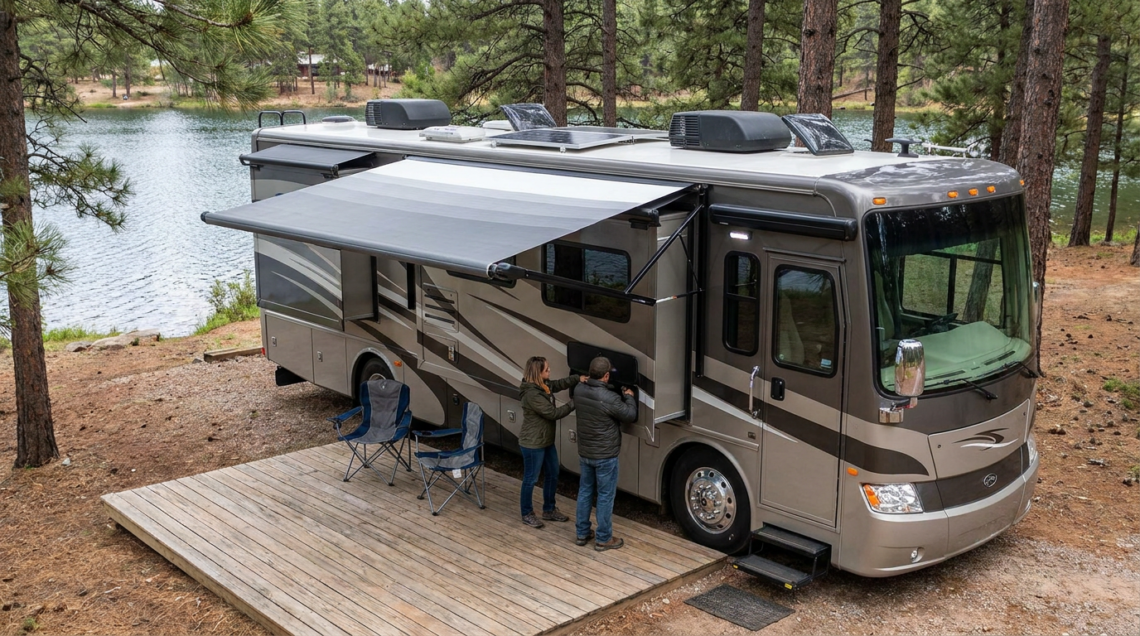
So, you’re thinking about sprucing up your RV? That’s a great idea! Many of us love our RVs, but let’s be honest, sometimes they could use a little… help. Investing in the right RV upgrades can make a huge difference in how you experience your travels, turning those good trips into truly fantastic ones. This article is all about giving you a rundown of RV upgrades that are genuinely worth your hard-earned cash, focusing on practical improvements that actually enhance your comfort, convenience, and overall enjoyment on the road. We’ll steer clear of anything that’s just for show and get straight to what makes a real impact.
Table of Contents
Comfort & Convenience: Enhancing Your Living Space
Your RV is your home away from home, so making it as comfortable and convenient as possible is a no-brainer. These upgrades tackle those everyday annoyances and elevate your living experience.
Upgraded Mattress: Sleep Like a Rockstar
This is often the first upgrade people consider, and for good reason. Factory RV mattresses are notorious for being… let’s just say “challenging.” They can be too firm, too soft, or just plain uncomfortable after a few nights.
The Payoff: Better Sleep, Better Days
A good night’s sleep is foundational to a great trip. Waking up refreshed means more energy for exploring, hiking, or simply enjoying a quiet morning coffee. Investing in a high-quality mattress, whether it’s memory foam, a hybrid, or even a good quality air mattress system, is an investment in your well-being. Think about how much time you spend sleeping – it’s easily a third of your day. Making that time comfortable is paramount.
What to Look For
When choosing a new mattress, consider your sleeping style. Are you a side sleeper? You might need something with more cushioning. A back or stomach sleeper? You might prefer something firmer. Also, consider the climate you’ll be traveling in. Some memory foams can trap heat, so look for cooling gel infusions or breathable covers if you tend to run hot. Standard mattress sizes are usually available, but RVs can sometimes have slightly non-standard dimensions, so measure your bed frame before you buy. Don’t be afraid to spend a little extra here; your back will thank you.
Tankless Water Heater: Endless Hot Water
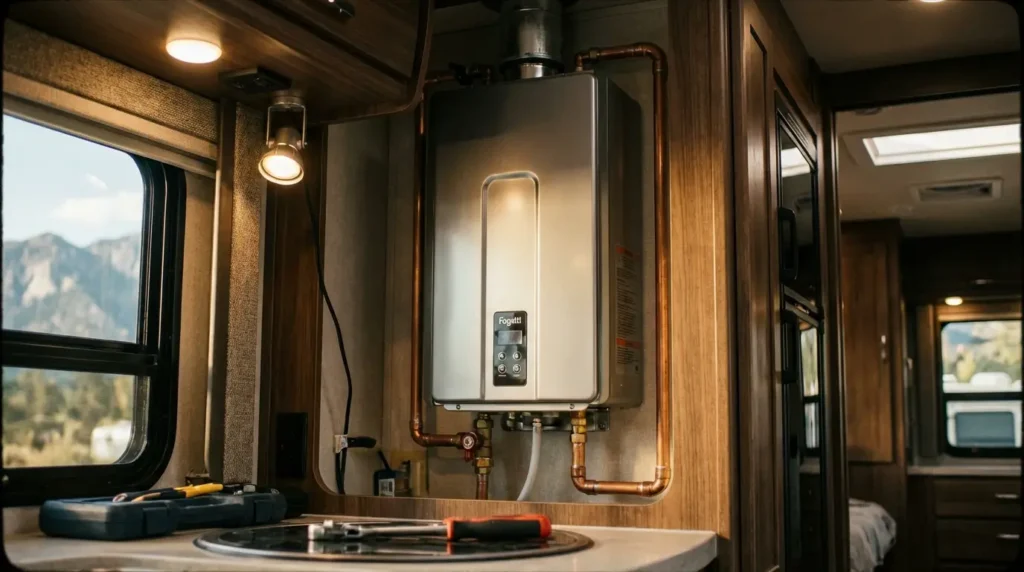
The ability to take a longer shower without worrying about running out of hot water is a game-changer, especially when you’re traveling with multiple people. Traditional RV water heaters have a limited tank capacity, meaning you have to wait for it to reheat after a few minutes of hot water usage.
The Payoff: No More Shower Stints
Imagine this: you’re mid-shampoo, and suddenly it’s cold. Frustrating, right? A tankless, or on-demand, water heater solves this problem. It heats water as you need it, providing a continuous supply. This is fantastic for families, or anyone who enjoys a leisurely shower or being able to wash dishes without interruption. Beyond comfort, it can also be more efficient, as you’re not constantly heating a large tank of water when you only need a little.
Installation and Considerations
Tankless water heaters often require propane for heating. Make sure your RV has adequate propane storage, and understand the flow rate of the unit you choose. A higher flow rate means it can supply more hot water simultaneously to multiple fixtures. Installation can be more involved than replacing a standard water heater, so be prepared for that or factor in professional installation costs.
Solar Power System: Freedom and Sustainability
Going off-grid or just wanting to reduce your reliance on shore power is a major draw for many RVers. A well-designed solar power system can provide a significant amount of renewable energy.
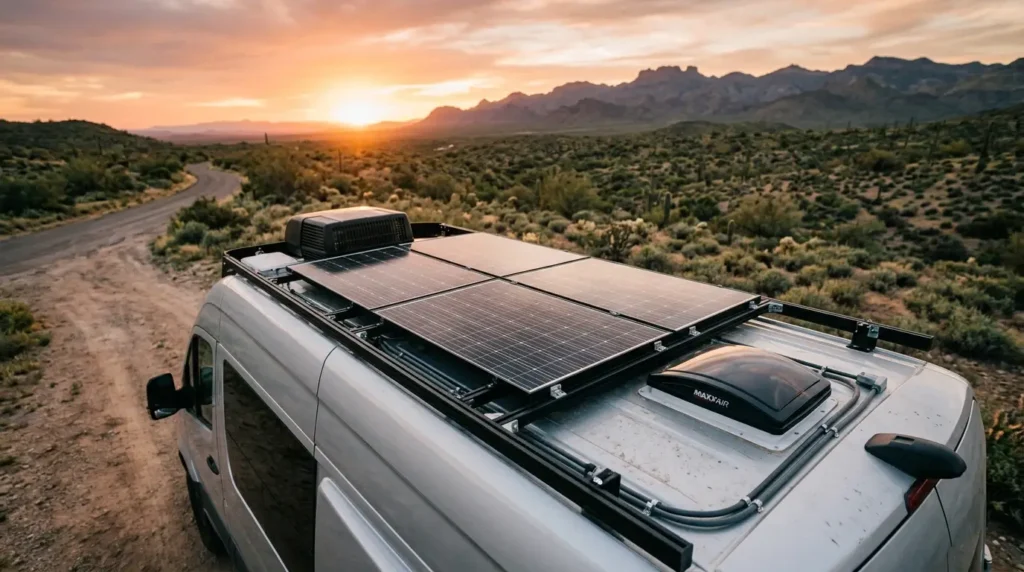
The Payoff: Greener Travel, More Freedom
Solar panels allow you to generate your own electricity, which means you can run your lights, charge your devices, and even power some appliances without needing to be plugged into a campground pedestal or run a noisy generator. This opens up possibilities for boondocking (free camping) and reduces your environmental footprint. It’s also a great way to save on campground fees if you’re not using their hookups.
Components and Sizing
A basic solar setup includes solar panels, a charge controller, and batteries. More advanced systems can include inverters to convert DC power to AC power for standard appliances. The size of your system will depend on your energy needs. Start by tracking your typical daily electricity consumption. You can then calculate how many watts of solar panels you’ll need to replenish your batteries. It’s often recommended to overestimate slightly to account for cloudy days.
Inverter: Powering Your Standard Appliances
While solar can help power many of your RV’s DC appliances, you’ll often need to run standard household items like laptops, blenders, or even small kitchen appliances that use AC power. An inverter converts the DC power from your batteries into AC power.
The Payoff: Bringing Your Tech and Tools
This upgrade is crucial for anyone who works remotely from their RV, enjoys cooking with more advanced appliances, or simply wants to use their personal electronics without constantly worrying about battery levels. It bridges the gap between your RV’s DC system and the AC devices you rely on.
Pure Sine Wave vs. Modified Sine Wave
This is an important distinction. Pure sine wave inverters provide clean power, identical to what you get from a household outlet. They are essential for sensitive electronics like laptops, modern TVs, and some medical equipment. Modified sine wave inverters are less expensive but produce a less clean power output, which can sometimes damage or cause issues with certain electronics. For most RV applications and peace of mind, a pure sine wave inverter is the better, albeit more costly, choice.
If you’re considering enhancing your RV experience, you might find the article on 15 RV Upgrades Worth Every Dollar particularly useful. Alongside these upgrades, it’s also essential to prioritize safety and maintenance, which is why you should check out this comprehensive RV maintenance checklist for safe, worry-free travel. Keeping your RV in top shape not only maximizes your investment in upgrades but also ensures that your adventures are enjoyable and trouble-free.
LED Lighting Conversion: Brighter, More Efficient
Standard RV lighting often uses incandescent bulbs, which are power-hungry and generate heat. Converting to LED lights is a straightforward and highly effective upgrade.
The Payoff: Energy Savings and Better Light
LEDs use significantly less energy than incandescent bulbs, which is a huge benefit for RV battery life, especially when you’re not connected to shore power. They also last much longer, meaning fewer bulb changes. Beyond the practical benefits, LEDs provide brighter, more focused light, which can make your RV feel more modern and inviting. Many LED bulbs come in different color temperatures, allowing you to choose between a warm, cozy glow or a brighter, whiter light.
Ease of Installation
This is one of the easiest DIY upgrades you can tackle. Most RV fixtures use standard bulb types, so you can often just unscrew the old bulb and screw in the new LED one. Some fixtures might require a bit more wiring if you’re changing the entire fixture, but for simple bulb replacements, it’s a breeze.
If you’re considering enhancing your RV experience, you might also want to check out an insightful article on boondocking, which is a popular way to enjoy the great outdoors without the constraints of traditional campgrounds. The article titled “8 Boondocking Rules for BLM Land” provides essential guidelines that can help you make the most of your off-grid adventures. You can read it here: 8 Boondocking Rules for BLM Land. This resource complements the list of 15 RV upgrades worth every dollar, ensuring that your travels are both comfortable and responsible.
Practical Enhancements: Making Life on the Road Easier
Beyond comfort, these upgrades focus on making the logistical aspects of RVing smoother, more convenient, and less stressful.
Tire Pressure Monitoring System (TPMS): Safety First
Your tires are one of the most critical safety components of your RV. Properly inflated tires are essential for safe driving, fuel efficiency, and preventing blowouts. A TPMS constantly monitors the pressure and temperature of your tires.
The Payoff: Enhanced Safety and Reduced Wear
Driving an RV is different from driving a car, and managing an oversized vehicle puts unique demands on your tires. Losing even a few pounds of air can have significant consequences. A TPMS alerts you to low pressure or unexpected temperature spikes, allowing you to pull over safely before a minor issue becomes a major problem. This can prevent tire blowouts, which are incredibly dangerous and can cause extensive damage. Plus, correctly inflated tires wear more evenly, extending their lifespan.
Types of TPMS
There are two main types of TPMS: internal and external sensors. External sensors screw onto your tire valve stems and are generally easier to install. Internal sensors are installed inside the tire, offering a more streamlined look, but requiring professional installation and tire removal. Both systems typically come with a display unit that you can mount in your RV’s cab.
Backup Camera System: Maneuvering Made Simple
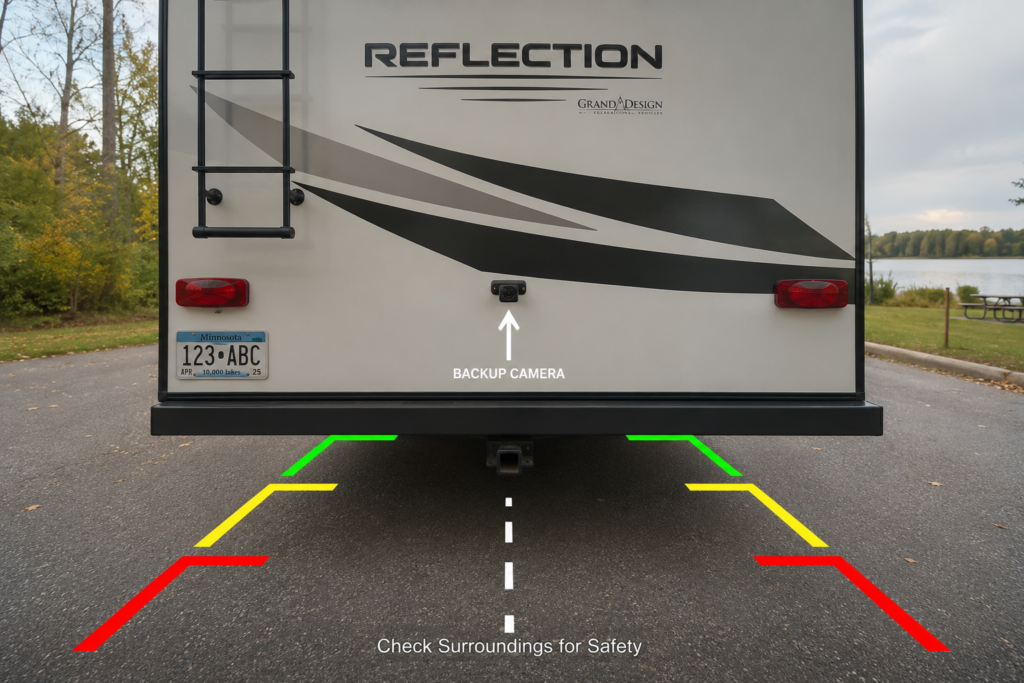
Navigating tight campground spots, backing into a site, or simply maneuvering your large rig can be a daunting task. A backup camera provides a clear view of what’s behind you, making these situations much less stressful.
The Payoff: Increased Confidence and Fewer Scrapes
Reversing an RV is challenging. You have blind spots, and judging distances can be difficult. A good backup camera system gives you a visual advantage, significantly reducing the chances of backing into obstacles, hitting other vehicles, or scraping your RV. This can save you money on repairs and avoid the embarrassment of a parking mishap. Many systems also offer audio, which adds another layer of awareness.
Features to Consider
Look for a system with a wide viewing angle to maximize your field of vision. Night vision is a valuable feature for parking in low-light conditions. Some systems can also be used as a real-time observation camera as you drive, offering a continuous view of what’s happening behind you.
Surge Protector: Guarding Your Electronics
When you plug into campground power, you’re relying on the campground’s electrical system. Unfortunately, surges or dips in voltage can damage your RV’s sensitive electronics and appliances.
The Payoff: Protecting Your Investment
Your RV is a significant investment, and its electrical system and appliances are costly to repair or replace. A surge protector acts as a first line of defense, absorbing excess voltage and preventing it from reaching your RV’s internal systems. This is especially important if you travel to different campgrounds frequently, as you have less control over the quality of power at each location. It’s a relatively small expense that can prevent thousands of dollars in damage.
Portable vs. Hardwired
Surge protectors come in portable versions that plug in between the campground pedestal and your RV’s power cord, or in hardwired units that are permanently installed on your RV. Portable units offer more flexibility, while hardwired units provide a more integrated solution. Many models also include features like voltage and amperage monitoring.
Wi-Fi Booster/Extender: Staying Connected
In today’s connected world, having reliable internet access, even when you’re out exploring, is becoming increasingly important for many. Campground Wi-Fi can be notoriously unreliable or slow.
The Payoff: Seamless Connectivity
A Wi-Fi booster or extender can significantly improve your internet experience. These devices capture weak Wi-Fi signals from a distance and amplify them, providing a stronger, more stable connection within your RV. This is great for staying in touch with family, streaming entertainment, working remotely, or even accessing navigation and weather information.
Options and Setup
There are various types of Wi-Fi boosters, from simple USB dongles to more robust roof-mounted systems. The setup usually involves pointing the device towards the Wi-Fi source. Once connected, it creates its own Wi-Fi network inside your RV. Some systems also offer the option to use a cellular data plan for even more reliable access when Wi-Fi is unavailable.
Bluetooth Speaker System: Immersive Audio
While RVs can have built-in sound systems, they are often mediocre at best. A good quality portable Bluetooth speaker can transform your audio experience, both inside and outside your RV.
The Payoff: Better Sound on the Go
Imagine enjoying your favorite music or podcasts with crisp, clear sound while sitting around your campsite or relaxing inside. A good Bluetooth speaker offers superior audio quality to most RV factory systems and gives you the flexibility to place it where you want it. Many are also portable, waterproof, and have long battery life, making them perfect for outdoor adventures.
Things to Look For
When choosing a Bluetooth speaker, consider sound quality, battery life, portability, and durability. Features like water resistance and the ability to pair multiple speakers for a stereo experience can also be appealing.
Kitchen & Living Area Upgrades: Enhancing Your Culinary and Relaxation Spots
These upgrades focus on making your RV’s kitchen more functional and your living area more comfortable and enjoyable.
Residential Style Refrigerator: More Space and Better Cooling
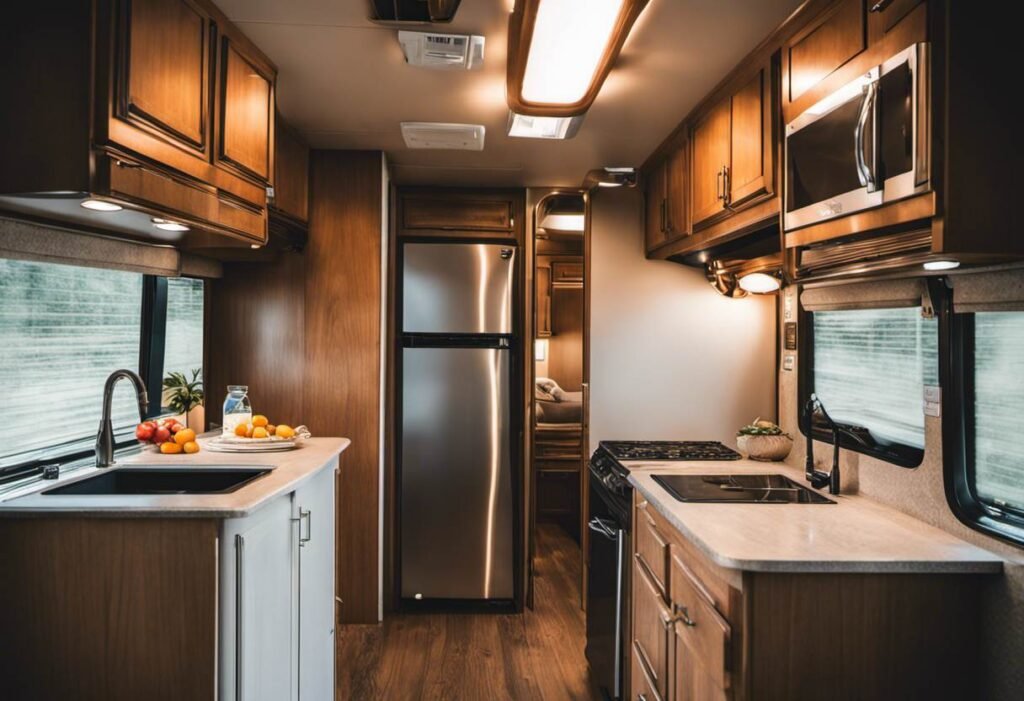
Many RV refrigerators are smaller and less efficient than their residential counterparts. Upgrading to a residential-style refrigerator can offer significantly more storage space and superior cooling capabilities.
The Payoff: A More Functional Kitchen
If you enjoy cooking or travel with a family, a standard RV refrigerator can feel cramped. Residential refrigerators often have larger capacities, better organization, and more consistent temperatures, which can help keep your food fresher for longer. This means fewer trips to the grocery store and more flexibility in meal planning.
Power Considerations
Residential refrigerators run on AC power. If you plan to use one while boondocking, you’ll need a substantial battery bank and a powerful inverter to run it. You’ll also need to consider the physical dimensions and weight of the refrigerator to ensure it fits and your RV can handle the load. Many people opt for a residential fridge when doing a full renovation or purchasing a larger RV.
Induction Cooktop: Efficient and Safe Cooking
Replacing a gas cooktop with an induction cooktop offers several advantages. Induction uses electromagnetic fields to directly heat cookware, making it highly efficient and safer.
The Payoff: Faster Cooking and Easier Cleanup
Induction cooktops heat up incredibly quickly, often boiling water faster than a gas stove. They also offer precise temperature control, which is a boon for cooks who appreciate accuracy. Because the cooktop surface itself doesn’t get as hot as traditional electric or gas elements, spills are less likely to burn on, making cleanup a breeze. They also eliminate the need for propane tanks and the associated safety concerns.
Cookware Compatibility
A key consideration for induction is that your cookware must be magnetic. Cast iron and most stainless steel cookware will work, but aluminum or glass pots and pans will not. You can test your existing cookware by seeing if a magnet sticks to the bottom.
Upgraded Seating: Ultimate Relaxation
The seating in an RV can often be generic and not particularly comfortable for extended periods. Upgrading your dinette or sofa can make a huge difference in your relaxation and entertainment experience.
The Payoff: More Enjoyment Indoors
Whether it’s a more supportive dinette bench, a plush sofa, or even comfortable recliners, better seating makes your RV feel more like a home. If you spend a lot of time inside your RV, especially during inclement weather or in the evenings, comfortable seating is essential for truly enjoying your downtime.
Customization and Comfort
You can opt for a custom-built sofa or dinette that perfectly fits your space and offers superior comfort. Many RV furniture manufacturers also offer residential-style sofas and recliners that are designed for RV use, considering weight and mounting requirements. Think about durability of fabrics and ease of cleaning when making your choice.
Drawer Organizers and Storage Solutions: Maximizing Space
RVs are all about maximizing every inch of space, and clutter can quickly become an issue. Investing in smart storage solutions can bring order to chaos.
The Payoff: Less Clutter, More Functionality
From drawer dividers and shelf organizers to slide-out pantry shelves and under-bed storage bins, these upgrades help you keep your belongings tidy and accessible. This not only makes your RV look cleaner but also makes it easier to find what you need when you need it, saving you time and frustration.
Creative Solutions
Think about how you use your space. In the kitchen, drawer dividers for utensils and spice racks can be lifesavers. In the bedroom, consider under-bed storage bags for linens or seasonal clothing. Even small additions like hooks for coats or magnetic strips for knives can make a significant difference.
Bathroom & Personal Care Upgrades: A More Pleasant Experience
These upgrades focus on improving the functionality and comfort of your RV’s bathroom.
Low-Flow Faucets and Showerheads: Conserving Water
Water is a precious resource when you’re RVing, especially when you’re dry camping. Upgrading to low-flow fixtures is an easy way to conserve water without sacrificing performance.
The Payoff: Extended Stays and Reduced Water Usage
Low-flow showerheads and faucets use significantly less water than their standard counterparts. This means you can take longer showers, wash more dishes, and generally have more water available for your needs, especially crucial if you’re relying on your fresh water tank. This directly extends your ability to stay in places without hookups.
Performance
Don’t confuse “low-flow” with “low-pressure.” Modern low-flow fixtures are designed to provide good water pressure while using less water, often through clever aeration techniques. You’ll still get a satisfying shower experience.
Toilet Upgrade: Comfort and Efficiency
The RV toilet is an area that often leaves much to be desired. Upgrading to a more comfortable and efficient model can significantly improve your bathroom experience.
The Payoff: Enhanced Comfort and Reduced Odor
Many RV toilets are basic and can be uncomfortable. Options like macerator toilets, which grind waste before flushing, can reduce water usage and help prevent clogs. Other upgrades include toilets with glass-like bowls that are easier to clean and more resistant to staining, and models with more comfortable seating.
Types of RV Toilets
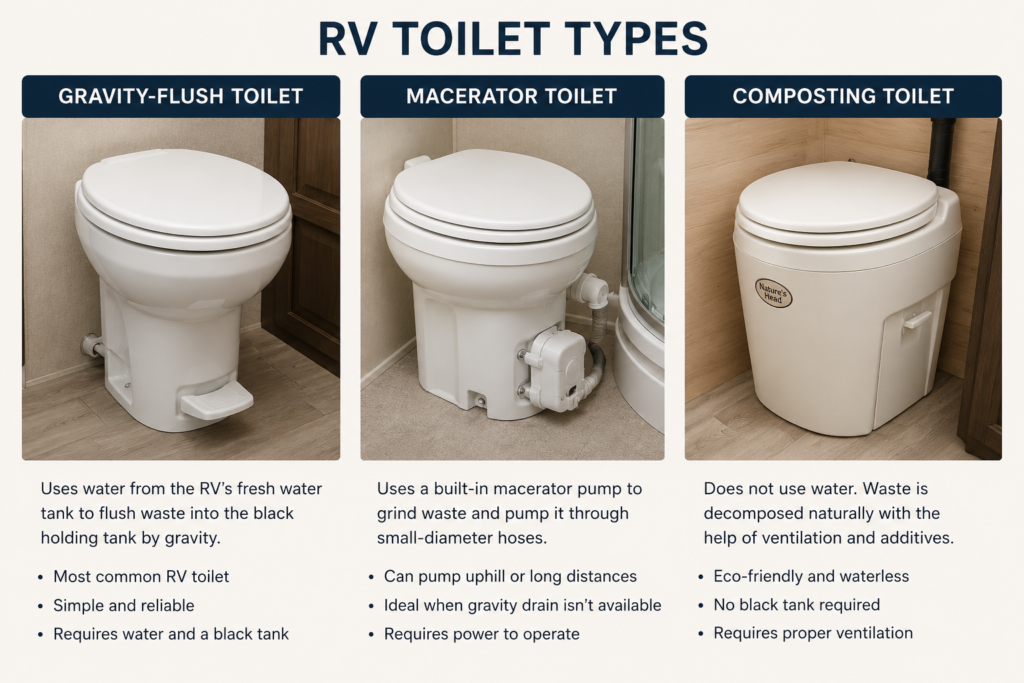
There are several types of RV toilets, including gravity-flush, macerator, and composting toilets. Each has its pros and cons regarding water usage, waste processing, and installation. Researching your options based on your typical travel style will help you find the best fit.
Excellent Ventilation Fan: Keeping Fresh Air Flowing
A good quality vent fan in your bathroom is essential for removing moisture, odors, and improving air circulation. Upgrading to a more powerful or feature-rich fan can make a big difference.
The Payoff: A Fresher, More Pleasant Bathroom
Bathrooms can get steamy and develop odors quickly. A powerful vent fan with multiple speed settings and an option for air intake can help keep the air fresh and dry, preventing mildew and making your bathroom a more pleasant space to use. Some fans
FAQs
What are some popular RV upgrades worth investing in?
Some popular RV upgrades worth investing in include solar panels, upgraded mattresses, LED lighting, backup cameras, and upgraded kitchen appliances.
How can solar panels benefit an RV owner?
Solar panels can benefit an RV owner by providing a renewable source of energy, reducing reliance on traditional power sources, and allowing for off-grid camping.
What are the advantages of upgrading to LED lighting in an RV?
Upgrading to LED lighting in an RV can provide advantages such as energy efficiency, longer lifespan, and reduced heat output compared to traditional incandescent bulbs.
Why is upgrading the mattress in an RV important?
Upgrading the mattress in an RV is important for improving comfort and sleep quality, especially during extended trips or full-time living in the RV.
What are some considerations when upgrading kitchen appliances in an RV?
Considerations when upgrading kitchen appliances in an RV include size constraints, energy efficiency, and compatibility with the RV’s power source (e.g., propane or electricity).




One comment on “15 RV Upgrades Worth Every Dollar”