So, you’re wondering what RV safety gear you absolutely shouldn’t skimp on? The short answer is anything that prevents a breakdown, fire, or injury, and helps you communicate or navigate in an emergency. We’re talking about tools, maintenance essentials, communication devices, and first-aid supplies. This isn’t about buying every gadget, but rather focusing on the core items that genuinely make a difference when things go south.
Table of Contents
Essential Tools for On-the-Road Emergencies
Let’s face it, RVs are complex machines, and something is bound to need attention eventually. Having the right tools on hand can save you a tow, a hefty repair bill, and a whole lot of frustration.
Tire Maintenance Toolkit
Your tires are your only contact with the road, making their health paramount. You absolutely need to be prepared for flats and pressure issues.
- Tire Pressure Gauge (Heavy Duty): Don’t rely on cheap plastic gauges. Get a heavy-duty, truck-rated gauge. You need to check your RV tires regularly – before every trip and frequently during longer hauls. Underinflated tires are a huge cause of blowouts, especially on RVs.
- Portable Air Compressor (High Volume): This is non-negotiable. Not only can it top off slightly low tires, but it can also re-inflate a tire after a repair. Look for one that can easily handle the PSI requirements of your RV tires and has a good duty cycle. Cheap ones will overheat and fail.
- Lug Nut Wrench (Correct Size and Extender): If you ever need to change a tire, you’ll be thankful for this. RV lug nuts are often torqued down tightly. A standard car wrench likely won’t cut it. Get one that fits your lug nuts perfectly, and consider an extender bar for extra leverage.
- Tire Plug Kit and Sealant: For minor punctures, a plug kit can get you to the nearest tire shop without needing a tow. It’s a temporary fix, but a crucial one. Ensure you know how to use it before you need it.
- Jack and Jack Stands (Appropriate Weight Rating): This is a big one. The jack that came with your tow vehicle or RV might not be strong enough or have the right lift height for your RV. Invest in a hydraulic bottle jack or a dedicated RV jack that exceeds your RV’s gross vehicle weight rating (GVWR). Always use jack stands for safety – never rely solely on a jack.
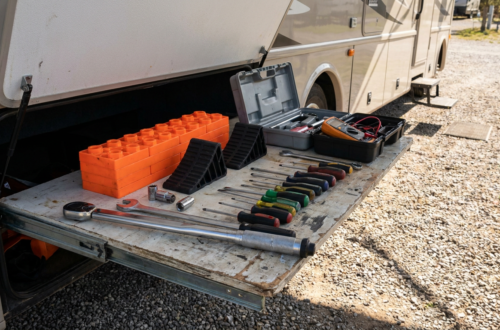
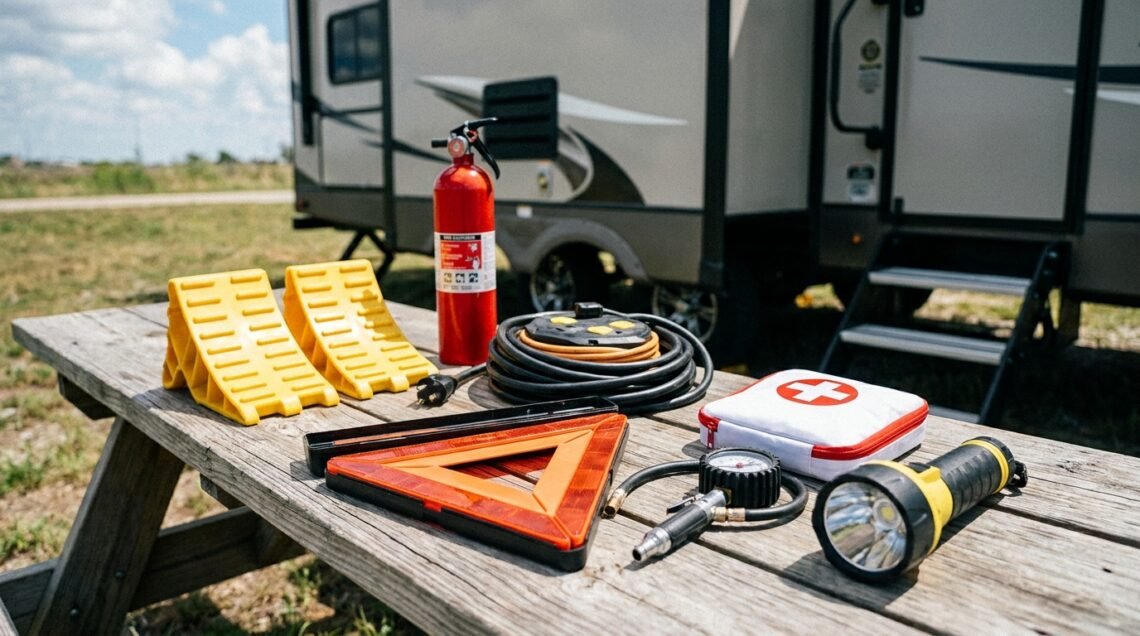
- Wheel Chocks: Essential for keeping your RV from rolling while parked on uneven ground, or more critically, when you’re changing a tire. Get robust chocks, not flimsy plastic ones.
General Repair and Troubleshooting Tools
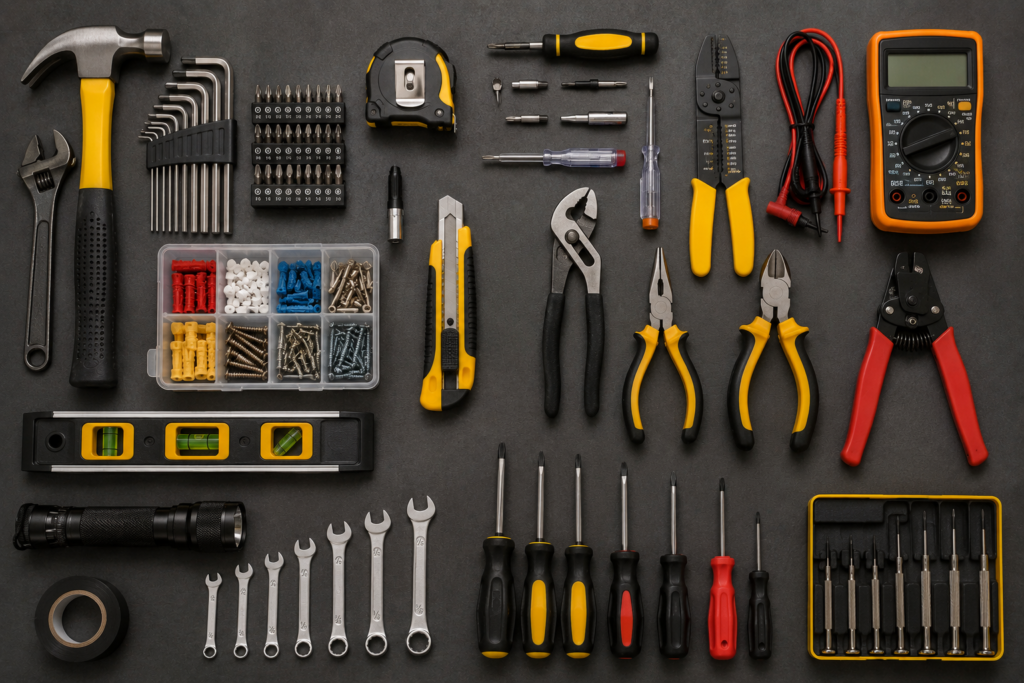
Beyond tires, a few general tools will come in handy for minor repairs or tightening loose connections.
- Socket Set and Wrench Set (Metric and Standard): RVs often mix hardware. A good quality set with both metric and standard sizes will cover most bolts you might encounter.
- Screwdriver Set (Multi-bit and Specialty): Phillips, flathead, Torx – you’ll need them all at some point. A multi-bit screwdriver can save space, but individual drivers are often more robust.
- Pliers (Combination, Needle Nose, Vise Grips): From pulling fuses to tightening hose clamps, pliers are invaluable. Vise grips are especially useful for holding things in place or stripping small wires.
- Adjustable Wrench (Large and Small): For those odd-sized nuts and bolts you don’t have a specific wrench for.
- Multimeter: This allows you to test electrical circuits, check battery voltage, and diagnose wiring issues. A basic understanding of how to use one is very helpful.
- Headlamp or Flashlight (with extra batteries): When you’re trying to fix something under the RV at night, or inside a cramped dark compartment, a headlamp is a godsend, freeing up both hands.
- Duct Tape and Electrical Tape: The RV equivalent of “fix-all.” Temporarily mend a leaky hose, secure a flapping wire, whatever.
- Zip Ties: Great for bundling wires, securing loose items, or temporary repairs.
- Wire Cutters/Strippers: For electrical repairs or quick fixes.
- Utility Knife: For cutting rope, tape, or opening packaging.
When considering RV safety gear, it’s essential to equip yourself with the right tools to ensure a safe journey on the road. One important aspect to think about is whether renting or owning an RV is the better financial choice for your travel needs. For more insights on this topic, you can read the article on the financial implications of RV ownership versus renting at Renting vs. Owning an RV: Which is the Better Financial Choice?. Understanding these factors can help you make informed decisions about your RV adventures while prioritizing safety.
Electrical and Power Safety
RV electrical systems can be complex and potentially dangerous if not managed correctly. These items are about protecting your rig and yourselves from surges, fires, and improper connections.
Surge Protectors and Electrical Adapters
You’ll connect to various power sources, and not all of them are created equal. These protect your sensitive electronics.
- RV Surge Protector/Electrical Management System (EMS): This is probably the most critical electrical safety item. It protects your RV from power surges, low voltage (which can damage appliances), reverse polarity, and open ground issues common at campgrounds. A cheap surge protector only handles surges; an EMS provides comprehensive protection. Spend a bit more; it’s cheaper than replacing your entire RV electrical system or appliances.
- RV Electrical Adapters: You’ll encounter 30 amp and 50 amp pedestals. Make sure you have adapters to go from your RV’s plug (e.g., 50 amp) down to 30 amp, or from 30 amp up to 50 amp if needed (careful with this one, you won’t get more power than the source provides). Also, have a 15/20 amp household adapter for when you need to plug into a standard outlet.
- Heavy Duty Extension Cord (Appropriate Gauge): For those times when the pedestal is just a bit too far. Ensure the cord is rated for outdoor use and is of sufficient gauge for the amperage you’ll be drawing. Using a flimsy cord can cause overheating and potential fire.
Battery Maintenance Items
Your RV’s batteries power a lot of your systems. Keeping them healthy is crucial.
- Battery Hydrometer (for lead-acid batteries): If you have wet-cell lead-acid batteries, a hydrometer allows you to check the specific gravity of each cell, giving you an accurate picture of battery health and charge state.
- Battery Terminal Brush and Cleaner: Keeping battery terminals clean prevents corrosion, which can impede charge and discharge.
- Backup Battery Charger/Jumper Pack: For those unfortunate times when your engine battery dies. A compact jump starter can save you from calling roadside assistance.
Fire Safety and Emergency Preparedness
Fire is one of the biggest threats to an RV. Beyond that, being prepared for medical emergencies or roadside incidents is vital.
Fire Suppression
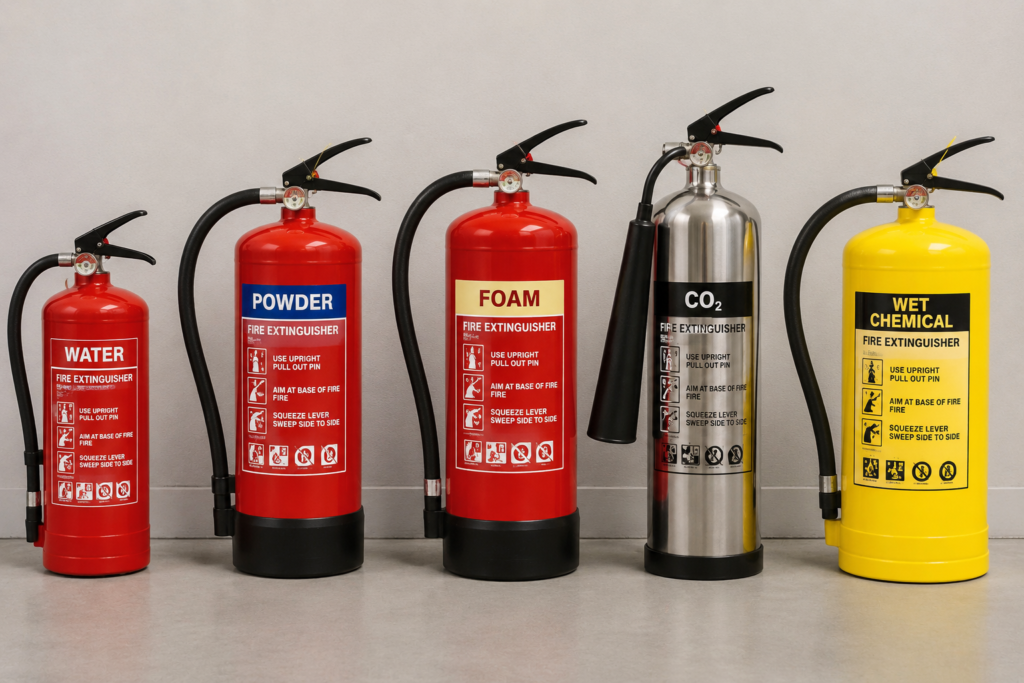
You’re essentially driving a house made of flammable materials. Don’t take chances.
- Multiple Fire Extinguishers (ABC Rated): Crucial. Don’t rely on the single, often small, extinguisher that came with your RV. Get at least two more: one for the kitchen area, one for the bedroom, and maybe one for the exterior storage bay where the battery or generator might be. Ensure they are ABC rated, suitable for ordinary combustibles, flammable liquids, and electrical fires. Check the pressure gauges regularly.
- Smoke and Carbon Monoxide (CO) Detectors (Tested Regularly): Your RV should have these already, but check their expiration dates and test them monthly. If they’re old, replace them. CO is odorless and deadly.
- Propane Gas Leak Detector: Propane leaks can be catastrophic. An alarm will alert you to a potential problem before it becomes a disaster. Test it regularly.
First Aid and Medical Supplies
Accidents happen. You need to be prepared to handle minor injuries yourself or stabilize someone until professional help arrives.
- Comprehensive First-Aid Kit: Go beyond a few band-aids. Include adhesive bandages of various sizes, gauze pads, medical tape, antiseptic wipes, antibiotic ointment, pain relievers (ibuprofen, acetaminophen), allergy medication, burn cream, hydrocortisone cream for bites/rashes, tweezers for splinters, scissors, and a CPR face shield.
- Personal Medications (Extra Supply): Always carry at least a week’s extra supply of any prescription medications you or your travel companions need. Pharmacies can be hard to find or closed in remote areas.
- Emergency Contact Information: Keep a printed list of emergency contacts, your doctor’s number, and any relevant medical conditions for everyone traveling.
- Allergy Doses (e.g., EpiPen): If anyone has severe allergies, ensure their doses are current and easily accessible.
Roadside Emergency Gear
Being stranded on the side of the road, especially at night or in a remote area, is dangerous.
- Emergency Roadside Flares or Reflective Triangles: To alert other drivers to your presence and prevent further accidents when you’re pulled over. Flashing LED flares are a good, reusable alternative to chemical flares.
- High-Visibility Safety Vest(s): If you need to be outside your RV on the roadside, especially at night, wearing a high-visibility vest can literally save your life.
- Whistle: For attracting attention in an emergency.
- Seatbelt Cutter and Window Breaker Tool: A compact tool that can cut a jammed seatbelt and break a side window if you’re trapped in your vehicle after an accident. Keep it within reach.
Communication and Navigation
In an emergency, knowing where you are and being able to communicate for help is paramount. Cell service isn’t always reliable.
Reliable Communication Devices
Don’t assume your cell phone will work everywhere you want to go.
- Cell Phone Signal Booster: While not perfect, a good cellular booster can often grab a signal in areas where your phone alone wouldn’t. This can be the difference between making an emergency call or not.
- Satellite Messenger/PLB (Personal Locator Beacon): For truly remote areas where cell service is non-existent. Devices like a Garmin inReach or Spot device allow you to send SOS messages with your coordinates to emergency services and often have two-way satellite messaging capabilities. This could be a lifesaver if you have a serious medical emergency or breakdown far from civilization.
- Two-Way Radios (FRS/GMRS): While not for emergency services, these are incredibly useful for communicating with a spotter while backing up, between vehicles if traveling with others, or around a large campground where cell service is spotty.
Navigation Tools
Even with GPS on your phone, a backup is a smart move.
- Dedicated RV GPS: Unlike car GPS units, RV-specific models consider your RV’s height, weight, and propane restrictions to route you safely, avoiding low bridges or restricted roads.
- Physical Maps (Paper): Yes, actual paper maps. Technology can fail. Batteries die. A good old-fashioned atlas or state map book is a reliable backup, especially in areas with no cell service. Make sure you know how to read one.
- Compass: For use with your paper map, or just to get your bearings if you’re exploring on foot.
When preparing for your next adventure on the road, it’s essential to prioritize safety by investing in the right RV safety gear you shouldn’t skip. From fire extinguishers to first aid kits, having the proper equipment can make all the difference in ensuring a secure journey. For more insights on how to enhance your RV experience, check out this informative article on embracing the mobile lifestyle, which offers valuable tips for living comfortably and safely in a motor home.
Maintenance and Miscellaneous Safety Items
A well-maintained RV is a safer RV. These items help you keep things running smoothly.
Fluid and Leak Management
Preventing leaks and keeping fluids topped off is key to preventing major issues.
- Leak Detection Dye and UV Light: For finding tricky water leaks in pipes or engine coolant leaks.
- Assorted Hoses and Clamps: A section of various diameter hoses and a collection of hose clamps can temporarily fix a burst water line or coolant hose until you can get a proper repair.
- Engine Oil, Coolant, and Transmission Fluid (Small Amounts): Carry a quart or two of the specific fluids your RV uses. A small leak might mean you can top off and make it to a repair shop instead of being stranded.
General Safety and Security
Beyond breakdowns and fires, other safety considerations are important.
- Leveling Blocks: Crucial for getting your RV level at a campsite, which ensures appliances like refrigerators work correctly and prevents structural stress, and makes for a more comfortable stay.
- Collapsible Water Containers: For carrying extra fresh water or for grey/black water disposal if you’re boondocking without hookups. Crucial for hygiene and emergencies.
- Work Gloves: Protect your hands from grease, sharp edges, and chemicals during repairs.
- Heavy Duty Trash Bags: For keeping your campsite clean, but also invaluable for containing leaky items or wet gear in an emergency.
- Extra Keys: Always have a spare set of RV and vehicle keys hidden in a secure but accessible location outside the RV, or with a trusted travel companion. Getting locked out is a common, annoying problem.
- Bear Spray/Personal Safety Device (where appropriate and legal): If you’re traveling in areas with wildlife or perceive a personal safety risk, research local regulations regarding these items.
- RV Black and Gray Tank Chemicals: Proper treatment prevents clogs, odors, and can help prevent sensor issues, which while not directly life-threatening, can make your trip much less pleasant.
This list isn’t about packing everything but the kitchen sink. It’s about being prepared for the most common and the most serious issues you might encounter while RVing. Prioritize quality over quantity for these items. They’re an investment in your safety and peace of mind on the road.
FAQs
What are some essential RV safety gear items that should not be skipped?
Some essential RV safety gear items that should not be skipped include fire extinguishers, carbon monoxide detectors, smoke alarms, first aid kits, and emergency roadside kits.
Why is it important to have fire extinguishers in an RV?
Fire extinguishers are important to have in an RV because they can help to quickly and effectively extinguish small fires before they escalate, potentially saving lives and preventing extensive damage to the vehicle.
What is the purpose of carbon monoxide detectors in an RV?
Carbon monoxide detectors are crucial in an RV as they can alert occupants to the presence of this odorless, colorless gas, which can be deadly if inhaled in high concentrations.
How do smoke alarms contribute to RV safety?
Smoke alarms are essential in an RV as they can quickly detect the presence of smoke, alerting occupants to potential fires and giving them time to evacuate safely.
Why should every RV be equipped with a first aid kit and emergency roadside kit?
Every RV should be equipped with a first aid kit and emergency roadside kit to ensure that occupants are prepared to handle minor injuries and emergencies, as well as to address any mechanical issues or breakdowns that may occur while on the road.