
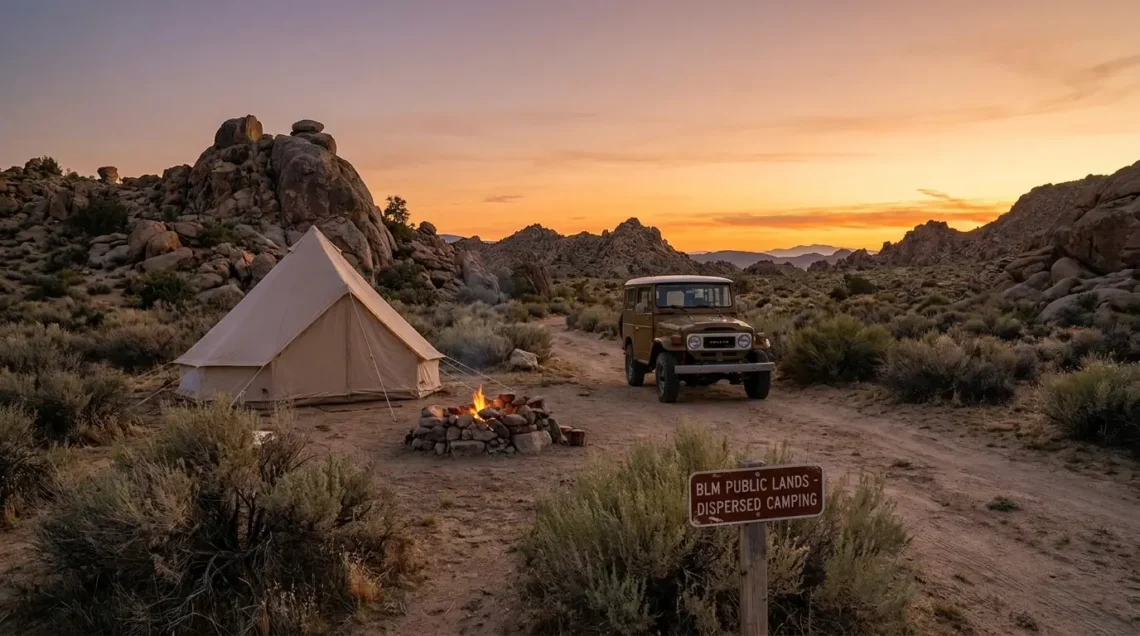
Finding free camping spots requires knowing where to look and which resources to trust. Whether you’re an RV enthusiast, van lifer, or budget-conscious traveler, discovering quality camping options without breaking the bank is entirely possible. The key lies in understanding public land regulations, leveraging specialized apps, and learning where hidden gems are actually located.
How to find free camping depends on a combination of three main strategies: exploring Bureau of Land Management (BLM) lands, using dedicated mobile applications, and tapping into community knowledge about lesser-known spots. BLM lands offer some of the most accessible free camping in the country, particularly across the Western United States. Mobile apps have revolutionized the discovery process, making it easier than ever to locate available campsites with user reviews and real-time updates. Beyond these mainstream options, experienced travelers know how to scout hidden locations through online forums, social media groups, and local recommendations.
Understanding BLM Land Camping Options
The Bureau of Land Management oversees approximately 245 million acres of public land across the United States. A significant portion of this land permits free camping, making it an invaluable resource for budget travelers. Most BLM lands allow up to 14 days of continuous camping, though regulations vary by location. Understanding these rules is essential before setting up camp, as violating BLM guidelines can result in fines and removal.
BLM lands are concentrated primarily in Western states including California, Colorado, Utah, Nevada, Oregon, and Wyoming. These areas offer diverse landscapes ranging from desert to mountain terrain. Learning the 8 boondocking rules for BLM land ensures you camp responsibly and legally. The best practice involves checking with your local BLM office before arriving, as some lands may have seasonal closures or special restrictions.
Finding specific BLM parcels that permit camping requires checking the official BLM website or using the interactive map tool. The BLM’s Recreation Information Management (RIM) system provides searchable databases by state and region. Many sites offer no amenities—no water, no toilets, no services—so come prepared with self-contained systems. This is where proper RV preparation becomes critical. Understanding water management and power systems helps extend your stay comfortably on remote BLM lands.
Dispersed Camping on BLM Lands
Dispersed camping represents the most authentic BLM experience. These are undeveloped areas with minimal infrastructure where you essentially camp in nature. You’ll find no designated campsites, no registration booths, and typically no fees. The freedom appeals to many travelers seeking solitude and authentic outdoor experiences.
To locate dispersed camping areas, consult detailed BLM maps or ask rangers at local offices. Many dispersed sites operate on a first-come, first-served basis. The 14-day rule applies across most BLM dispersed areas, after which you must move at least 25 miles away. Exploring the best boondocking spots in the Southwest provides practical examples of quality dispersed camping destinations.
Developed BLM Campgrounds
Some BLM-managed campgrounds offer basic amenities while remaining free or low-cost. These developed sites typically include parking areas, fire rings, and vault toilets. They’re ideal for travelers wanting slightly more comfort than dispersed camping without the expense of commercial parks.
Availability at developed BLM campgrounds varies seasonally. Winter months often see lower occupancy, making it easier to secure spots. Summer weekends fill quickly, especially near popular destinations. Arriving early in the day improves your chances of finding available space at popular locations.
Mobile Apps for Finding Free Campsites
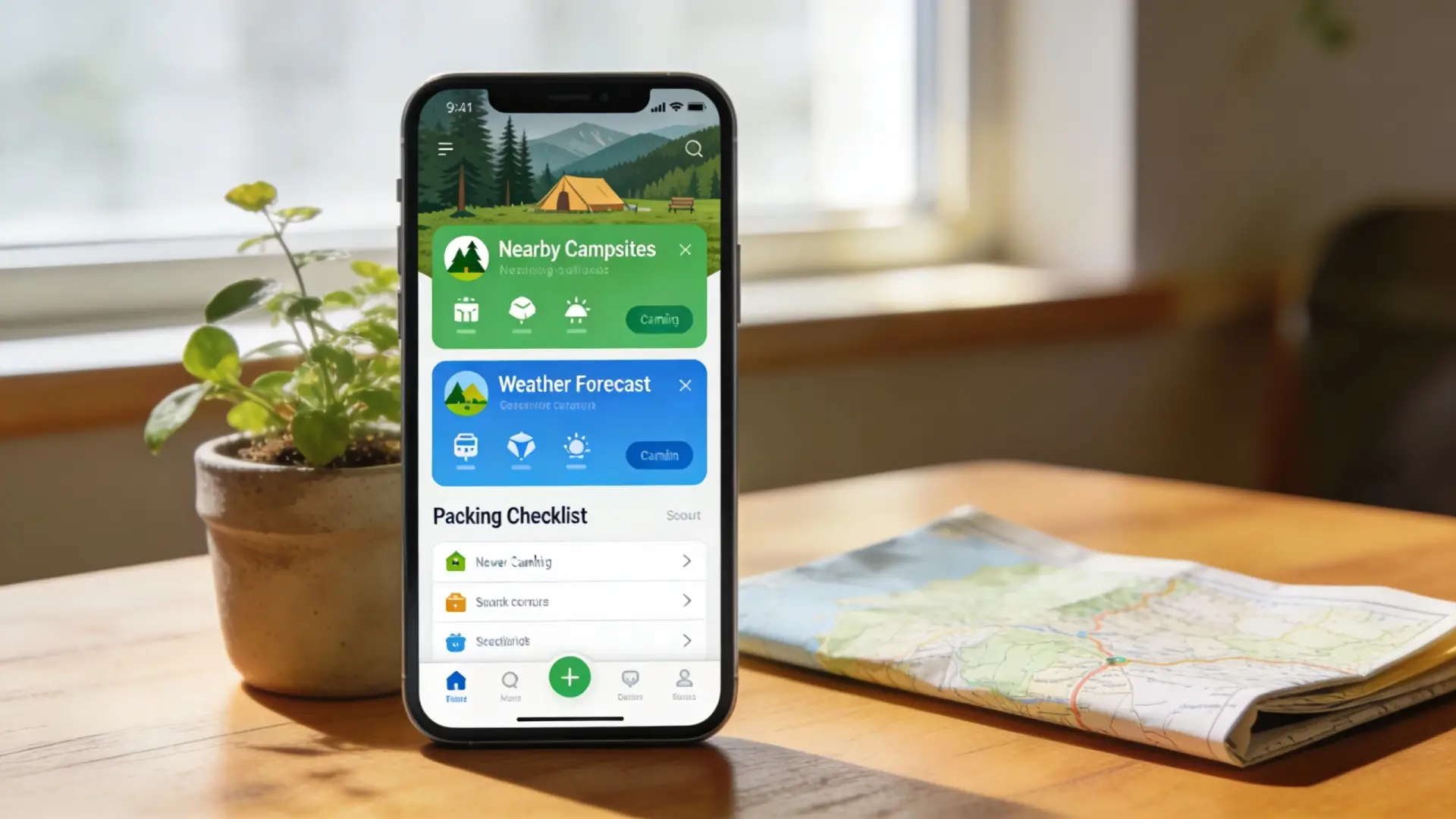
Technology has transformed how travelers discover free camping. Dedicated apps now provide crowdsourced information, real-time availability updates, and detailed reviews from other campers. These platforms aggregate data from thousands of users, creating comprehensive databases of free and low-cost camping options.
The best boondocking apps for finding free campsites include several standout options. Each app approaches the problem differently, offering unique features and advantages. Understanding the strengths of each helps you choose the right tools for your camping style and region.
Popular Free Camping Apps
Several apps dominate the free camping discovery space. iExit provides information specifically about public lands and free camping areas near highways. FreeRoam combines mapping with user-submitted camping locations and amenity information. AllStays Camp & RV offers a massive database searchable by location, amenity type, and price range.
Each platform has different strengths. Some excel at mobile network coverage in remote areas. Others provide better offline functionality. A few offer premium features for power users. Consider downloading multiple apps to cross-reference information and find the most detailed local data.
Using Apps Effectively
Mobile apps work best when combined with good planning. Download maps and camp information before traveling to areas with spotty cell service. Cross-check information across multiple apps, as crowdsourced data occasionally contains errors or outdated information. Read reviews carefully, paying attention to recent entries over older ones.
Many apps allow you to contribute information yourself. Uploading photos, availability updates, and facility details helps the community and improves data quality for future travelers. This collaborative approach creates increasingly accurate and useful camping databases.
Discovering Hidden Camping Spots
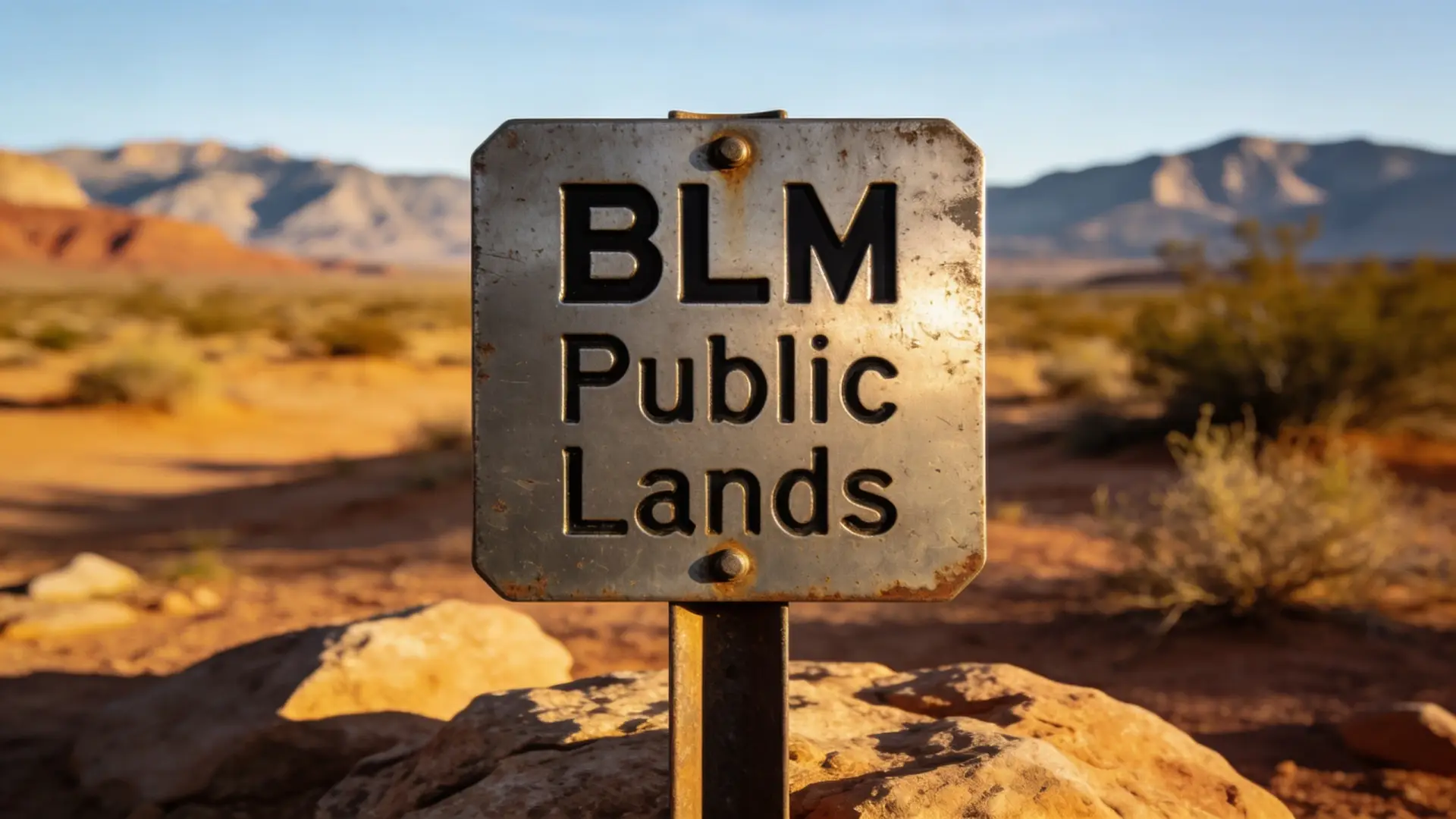
Beyond official BLM lands and app-based crowdsourcing, experienced travelers develop techniques for finding truly hidden camping locations. These spots often provide solitude and unique experiences unavailable through mainstream resources. Discovering them requires research, local knowledge, and occasionally some exploration.
Online communities dedicated to RV travel and camping contain goldmines of information about lesser-known locations. Facebook groups focused on boondocking, van life, and regional travel enthusiasts regularly discuss favorite spots. Reddit communities like r/Camping and r/Boondocking feature detailed recommendations with coordinates and descriptions.
Research Techniques for Hidden Gems
Google Maps satellite imagery reveals potential camping areas often missed by conventional resources. Look for flat terrain near water sources away from developed areas. Check Forest Service roads marked on topographic maps—these frequently provide access to excellent camping with fewer crowds.
Local knowledge accelerates discoveries significantly. Strike up conversations at RV parks, gas stations, and supply stores. Locals often know about lesser-known public lands and private properties offering camping opportunities. Many experienced travelers have accumulated years of scouting data they’re happy to share.
Private Land Camping Opportunities
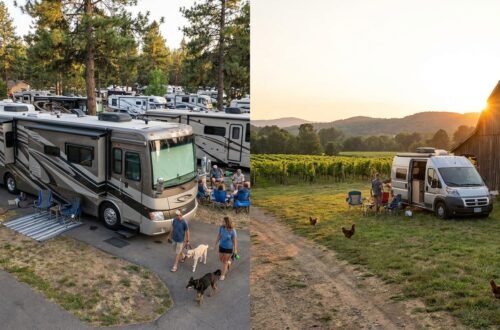
Harvest Host provides unique travel experiences on private agricultural land, offering an alternative to public land camping. This paid service connects travelers with farms, orchards, and vineyards offering overnight parking. While not free, the affordable rates and unique locations provide excellent value.
Some private landowners permit free camping in exchange for minimal requirements. These arrangements typically emerge through word-of-mouth networking or direct outreach to property owners. Building relationships with locals and fellow travelers often leads to unexpected camping opportunities.
Planning Your Free Camping Trip
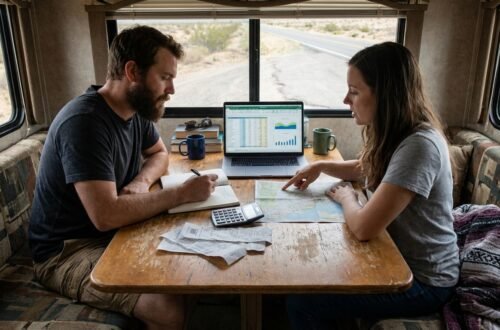
Successfully camping for free requires preparation beyond simply finding a location. You’ll need proper equipment, knowledge of your vehicle’s systems, and realistic planning about amenities and conditions. The difference between a comfortable free camping experience and a miserable one often comes down to preparation.
Self-sufficiency is crucial on free campsites. Most locations provide no water, electricity, or sewage services. Your vehicle must carry water for drinking, cooking, and basic hygiene. Understanding RV solar systems helps you maintain power independence at remote locations. Proper waste management prevents environmental damage and keeps you compliant with regulations.
Essential Equipment and Supplies
Several items prove essential for free camping success:
- Fresh water storage capacity (minimum 20-30 gallons for extended stays)
- Waste water and black water holding tanks
- Power generation system (solar panels, generator, or battery bank)
- Cooking equipment and food storage
- First aid supplies and emergency tools
- Detailed maps (digital and paper backups)
- Navigation GPS device with offline maps
- Communication device (satellite communicator in remote areas)
The specific equipment needed depends on your vehicle type, trip duration, and destination climate. Essential RV gear for new travelers covers comprehensive equipment recommendations for different scenarios.
Safety and Legal Considerations
Free camping comes with unique safety and legal responsibilities. Follow all posted regulations and permit requirements strictly. Leave campsites cleaner than you found them—pack out all trash, including small items easily overlooked. Never camp on private property without explicit permission from the owner.
Safety concerns include wildlife encounters, extreme weather, and isolated locations. Carry emergency supplies, let someone know your location plans, and understand local animal behavior. During winter or monsoon seasons, avoid areas prone to flash flooding. Inform trusted contacts of your itinerary and check in regularly.
| Camping Type | Best For | Typical Amenities | Duration Limit |
|---|---|---|---|
| BLM Dispersed | Solitude and natural landscapes | None (self-sufficient) | 14 days |
| BLM Developed | Basic comfort with free camping | Fire rings, vault toilets | 14 days (varies) |
| Forest Service Land | Mountain and forest areas | Minimal (location dependent) | 14 days (varies) |
| App-Listed Sites | Discovery and community info | Varies widely | Varies by location |
Key Resources and Community
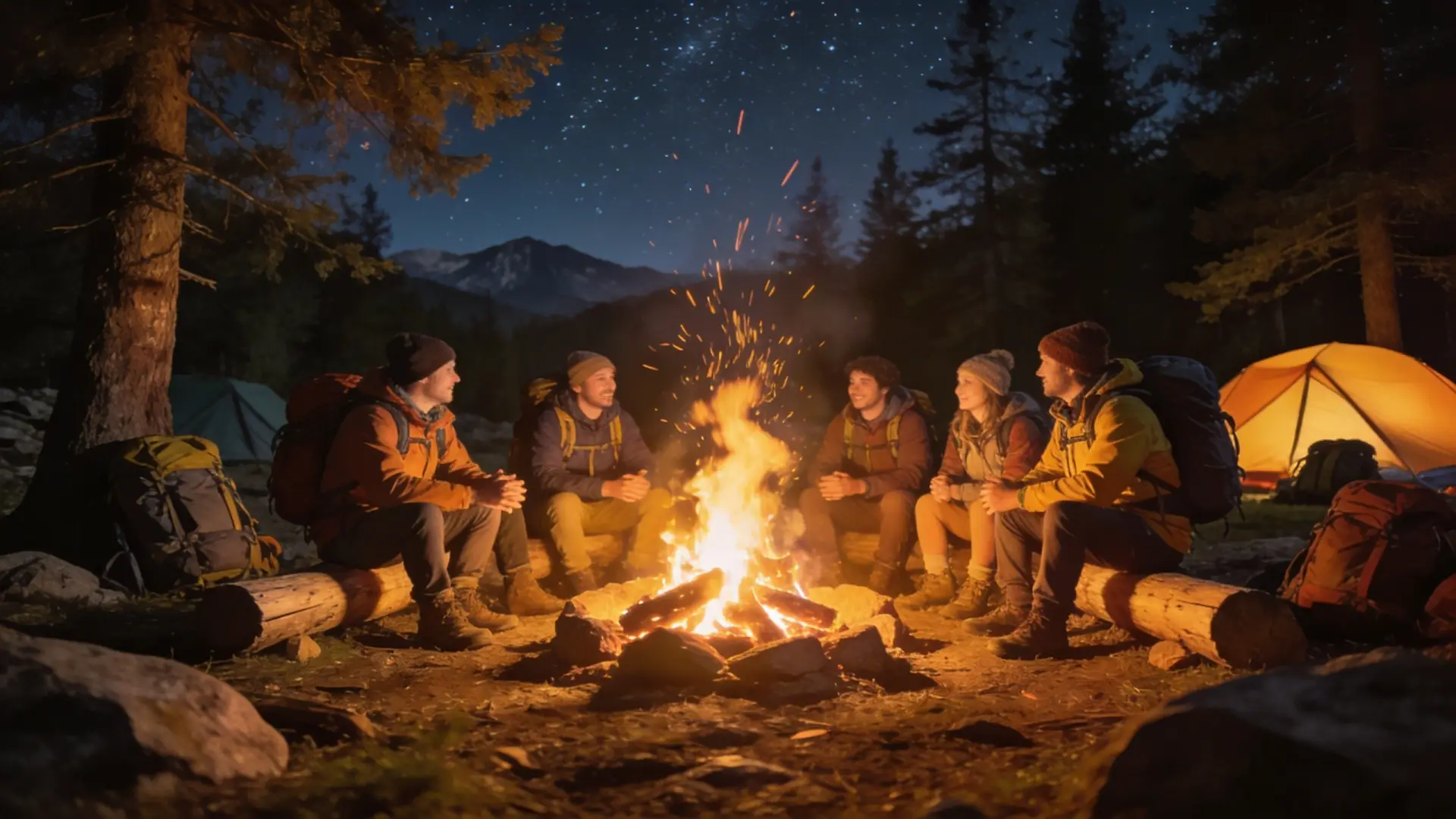
The free camping community continues growing, with increasingly sophisticated resources and networks developing. Engaging with this community accelerates your learning curve and helps you discover better locations and strategies. Active participation benefits everyone through shared information and collective knowledge.
Government resources remain foundational. The Bureau of Land Management official website provides authoritative information about regulations, available lands, and camping rules. Consulting official sources prevents expensive mistakes and ensures legal compliance across different regions.
Online Communities and Forums
Facebook groups dedicated to RV travel and boondocking offer peer-to-peer advice and location sharing. These communities range from general RV groups to specific regional chapters focused on particular states or geographic areas. Most maintain active moderators ensuring useful, relevant discussions.
Reddit communities provide crowdsourced recommendations with detailed discussions. Users share photos, GPS coordinates, and experience reports for specific locations. The voting system surfaces the most helpful information, though you should always verify claims and cross-reference locations.
Ongoing Learning and Networking
The free camping landscape changes constantly. New locations open while others close. Regulations get updated. Weather patterns shift. Staying connected to communities and regularly consulting current resources ensures you have the latest, most accurate information.
Consider learning more about our community of RV enthusiasts who share detailed camping experiences and recommendations. Building relationships with other travelers often yields the best location recommendations and practical advice specific to your travel style.
Free camping represents an accessible way to explore the country on your own schedule and budget. Whether you choose established BLM lands, app-guided discoveries, or hidden community-recommended spots, careful planning and preparation ensure positive experiences. Start with BLM lands to understand the basics, expand to app-based resources for broader options, then gradually develop your own scouting skills for truly exceptional locations. The investment in learning these skills pays dividends throughout your camping journey.


2 Comments on “How to find free camping (BLM, apps, hidden spots)”