
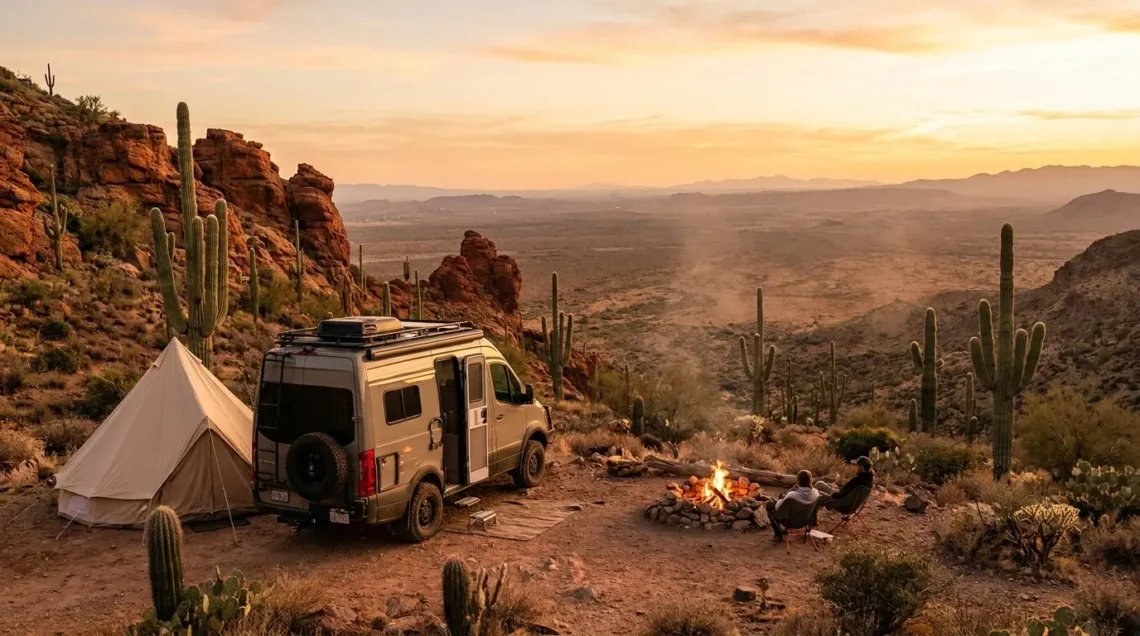
Picture this: you’re parked under a canopy of stars with nothing but desert silence and mountain views surrounding you—no hookups, no crowds, no fees. That’s the magic of boondocking in the Southwest. This region offers some of the most stunning and accessible free camping spots in the country, where you can truly disconnect and experience nature on your own terms.
The Southwest is a boondocker’s paradise, with millions of acres of public land managed by the Bureau of Land Management and National Forest Service. From Arizona’s painted deserts to New Mexico’s ancient lava fields, these locations combine breathtaking scenery with the freedom to camp for free. Whether you’re a seasoned dry camper or just starting out, these ten spots represent the best of what dispersed camping in the Southwest has to offer.
Quartzsite, Arizona: The Winter Boondocking Capital
Quartzsite transforms from a sleepy desert town of 3,600 residents into a bustling RV city of over one million visitors each winter. The Bureau of Land Management manages several Long-Term Visitor Areas around Quartzsite where you can park for up to seven months for a single fee of approximately $180, or stay for free on surrounding BLM land for up to 14 days at a time.
The La Posa LTVA is the most popular option, offering porta-potties and trash service included in your stay. Meanwhile, Plomosa Road BLM land provides completely free camping with no services but equally stunning desert views. The area attracts everyone from solo travelers to massive RV gatherings, creating a unique community atmosphere during peak season from January through March.
What Makes Quartzsite Special
The flat, easy-to-navigate terrain accommodates RVs of any size without requiring four-wheel drive. Cell coverage is surprisingly good with both Verizon and AT&T towers serving the area. Additionally, the town offers full services including propane, dump stations, groceries, and medical facilities within a few miles of most camping spots.
Weather conditions are nearly perfect for winter camping, with daytime temperatures in the 60s and 70s and minimal rainfall. However, be prepared for chilly nights that can drop into the 30s. For those new to living the mobile lifestyle, Quartzsite offers an ideal introduction to dry camping with easy access to resupply options.
Sedona Dispersed Camping, Arizona
The red rock formations surrounding Sedona create a dramatic backdrop for dispersed camping on Coconino National Forest land. Forest Road 525 offers numerous pull-offs where you can camp for free, with many sites providing panoramic views of iconic formations like Cathedral Rock and Bell Rock.
Getting here requires navigating dirt roads that can become challenging after rain, but most sites are accessible to standard RVs during dry conditions. The elevation of 4,500 feet provides cooler temperatures than lower desert areas, making this spot ideal for spring and fall camping. Keep in mind that sites fill up quickly during peak seasons, so arriving on weekdays gives you better selection.
Access and Amenities
FR 525 and FR 152 provide the main access routes to dispersed camping areas. Sites nearest to paved roads get claimed first, but venturing further back often reveals more secluded options. There are no services whatsoever, so you’ll need to be completely self-sufficient with water, power, and waste management.
The proximity to Sedona means you’re only a 10-15 minute drive from restaurants, shops, and hiking trailheads. However, this convenience also means these camping areas see heavy use. Therefore, practice Leave No Trace principles religiously and pack out everything you bring in.
Valley of Fire Backcountry, Nevada
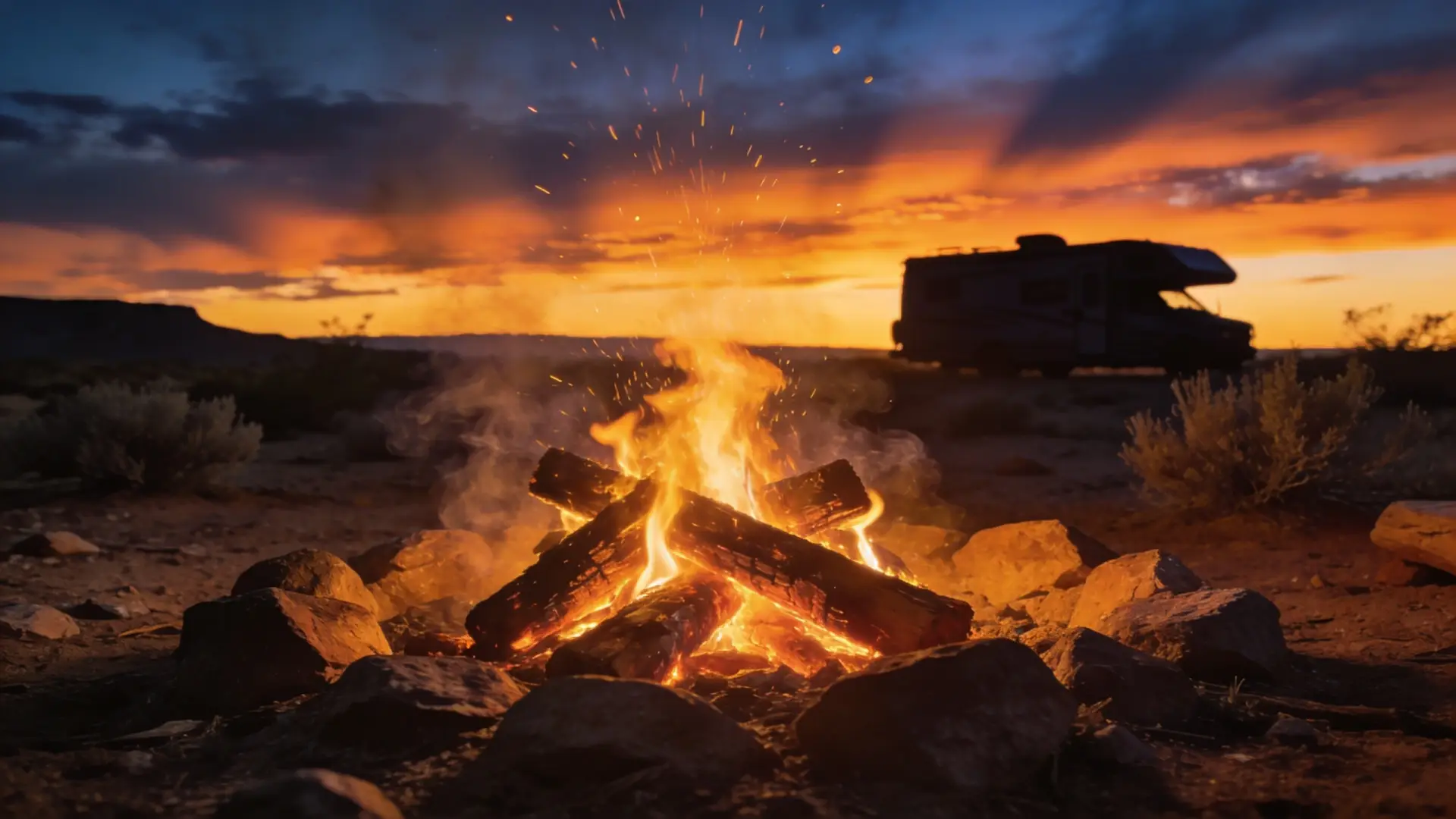
Just 50 miles northeast of Las Vegas, the Valley of Fire area offers spectacular free camping on BLM land adjacent to the state park. The vivid red Aztec sandstone formations create a surreal landscape that glows brilliantly at sunrise and sunset. While the state park itself requires paid camping, the surrounding BLM land provides free alternatives with equally stunning views.
Gold Butte National Monument and the areas along Gold Butte Road offer numerous dispersed camping opportunities. These sites work well for self-contained RVs and provide solitude despite being relatively close to Las Vegas. The terrain varies from sandy washes to rocky outcrops, so scouting your site carefully before committing is essential.
Seasonal Considerations
Summer temperatures regularly exceed 110°F, making this a spring, fall, and winter destination only. From November through March, weather conditions are comfortable for extended stays. Moreover, wildlife viewing opportunities abound, with bighorn sheep, desert tortoises, and various lizard species commonly spotted.
Cell service is spotty to non-existent in most areas, so download maps and information before arriving. The nearest services are in Overton or Mesquite, both about 30 miles away. Consequently, ensuring your rig is in good working order before heading out is critical—consider reviewing essential RV maintenance tips before your trip.
Taos Junction Bridge, New Mexico
Located where the Rio Grande Gorge Bridge spans a dramatic 650-foot chasm, this BLM recreation area offers designated free camping sites with incredible views. The area provides marked camping spots along the rim, allowing you to wake up to one of the Southwest’s most impressive geological features right outside your door.
Sites accommodate everything from tent campers to large RVs, though spaces are limited and fill quickly on weekends. The location sits at 6,500 feet elevation, providing cooler temperatures even in summer. Access is easy via paved roads, making this spot suitable for any vehicle type.
Activities and Nearby Attractions
The gorge itself offers world-class rock climbing and hiking opportunities. Several trails descend into the canyon, though the steep elevation changes make them challenging. The famous Rio Grande Gorge Bridge is a short drive away and provides spectacular photo opportunities.
Taos is only 12 miles away, offering full services including excellent restaurants, art galleries, and cultural attractions. This makes Taos Junction Bridge perfect for those who want free camping but don’t want to sacrifice easy access to amenities. Furthermore, the area rarely gets overcrowded outside of major holiday weekends.
Anza-Borrego Desert State Park, California
California’s largest state park allows dispersed camping throughout most of its 600,000 acres, making it unique among state parks. You can camp anywhere more than one car-length from a road and 200 feet from water sources without a permit or fee. This policy creates nearly unlimited free camping opportunities in a protected desert environment.
The park encompasses diverse terrain from sandy washes to rocky canyons and badlands formations. Popular dispersed camping areas include Fonts Point Road, Borrego Mountain Wash, and the areas near Pumpkin Patch. Many sites require four-wheel drive to access, though plenty of options exist along more accessible routes.
Desert Blooms and Wildlife
Anza-Borrego is famous for its spring wildflower displays when winter rains cooperate. From February through April, the desert explodes with color as thousands of wildflowers bloom simultaneously. This spectacle attracts visitors from around the world, so expect crowded conditions during peak bloom periods.
According to the National Park Service’s Sonoran Desert Network, this desert ecosystem supports an incredible diversity of life adapted to extreme conditions. Bighorn sheep, roadrunners, and numerous reptile species call the park home. Night skies are exceptional due to the park’s International Dark Sky designation.
White Pocket, Arizona
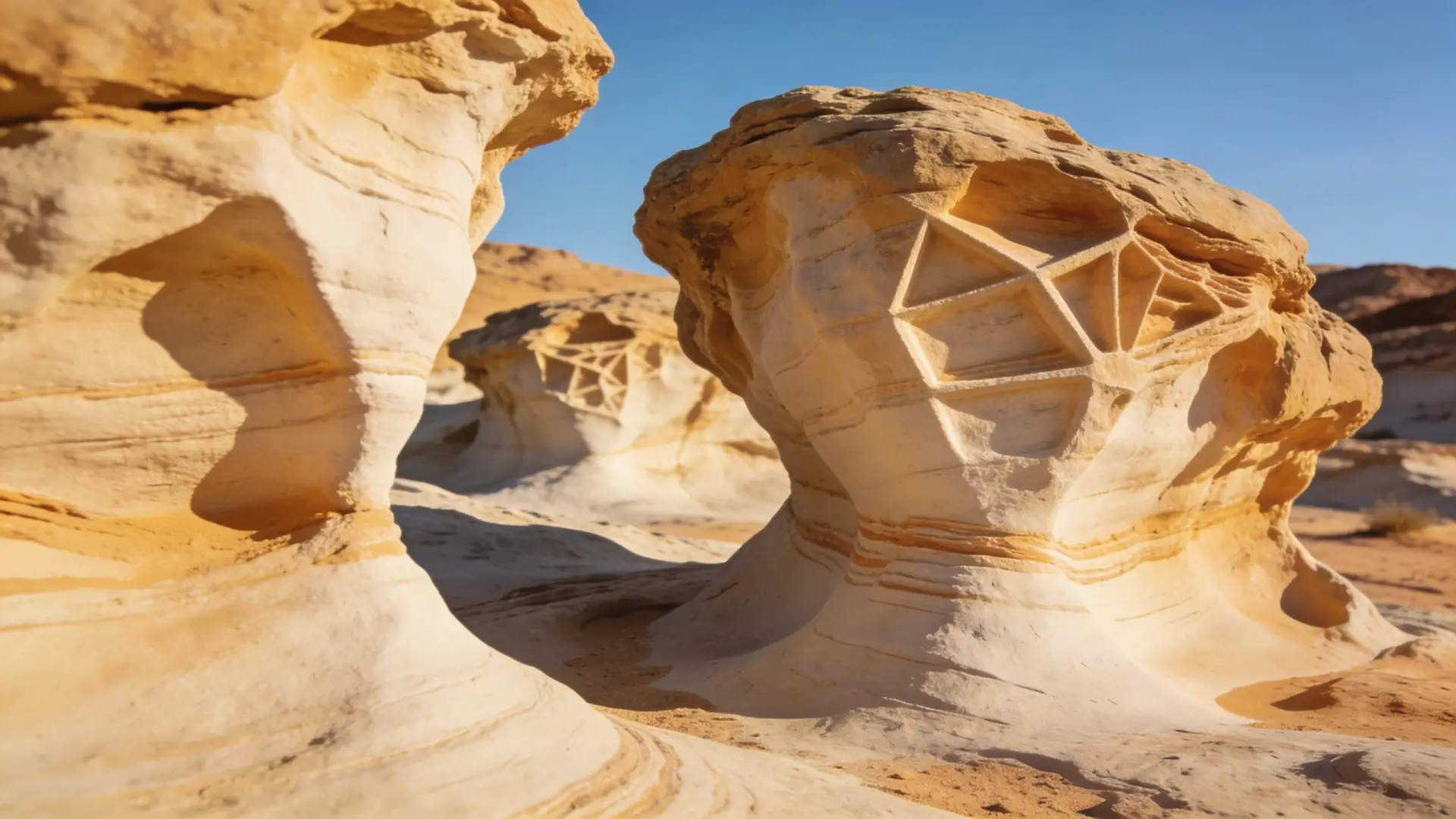
White Pocket represents one of the Southwest’s most photographically stunning locations, featuring surreal white and red swirled sandstone formations. Located on BLM land in the Vermilion Cliffs area, this remote spot requires a high-clearance four-wheel-drive vehicle and solid navigation skills to reach safely.
The 47-mile journey from Highway 89 takes 3-4 hours over sandy, rocky terrain with deep ruts and wash crossings. However, the otherworldly landscape rewards those who make the trek. Camping is completely free and unrestricted, with numerous sites scattered among the formations providing privacy and dramatic scenery.
Planning Your Visit
Weather conditions dramatically affect access. Rain makes the road impassable, and sand can be treacherous even in dry conditions. Spring and fall offer the best combination of accessible roads and comfortable temperatures. Summer heat is extreme, while winter can bring freezing temperatures and occasional snow.
There are absolutely no services or facilities. You must bring everything you need, including sufficient water, fuel, and emergency supplies. Cell service is non-existent, so a GPS device or downloaded maps are essential. Additionally, the nearest help is hours away, making self-sufficiency and reliable technology gadgets critical for safety.
City of Rocks State Park Overflow, New Mexico
When City of Rocks State Park campground fills up, overflow camping is permitted on adjacent BLM land for free. The namesake rock formations—volcanic rock pillars eroded into fantastic shapes—create a unique camping environment that feels like camping among giant sculptures.
The overflow area doesn’t have defined sites, so you can position yourself wherever space allows. Most spots work for RVs up to 35 feet, though maneuvering among the rocks requires careful driving. The location sits at 5,200 feet elevation in the Chihuahuan Desert, providing moderate temperatures most of the year.
Facilities and Features
While the overflow area has no hookups or facilities, the state park offers a dump station and potable water that day-use visitors can access for a small fee. The park also features a botanical garden, visitor center, and several hiking trails winding through the rock formations.
Stargazing here is phenomenal, as the park has minimal light pollution. The rocks also provide natural windbreaks, making this a comfortable spot even when breezes pick up. Moreover, the small town of Deming is only 28 miles away, providing easy access to grocery stores, restaurants, and other services.
Red Rock Canyon BLM Land, Nevada
Just west of Las Vegas, Red Rock Canyon National Conservation Area is surrounded by BLM land offering free dispersed camping with dramatic mountain and canyon views. The 13-mile scenic loop through the conservation area provides access to world-class rock climbing, hiking, and sightseeing, while camping remains free on surrounding public land.
Popular camping areas include the regions along Highway 159 north of the conservation area and various dirt roads branching off into the desert. Sites range from easily accessible pull-offs near the highway to more remote locations requiring high-clearance vehicles. The proximity to Las Vegas makes this convenient for supply runs while still feeling remote.
Best Times and Conditions
Like most low-elevation Southwest desert locations, summer is brutally hot with temperatures exceeding 110°F regularly. Fall through spring offers comfortable camping weather. Weekend crowds can be significant due to the Las Vegas proximity, so midweek visits provide better site selection and solitude.
Cell coverage from Las Vegas towers reaches many camping areas, making this spot good for those who need to stay connected. The conservation area itself charges a modest entry fee, but camping on surrounding BLM land remains free with the standard 14-day limit. Remember to check whether your vehicle setup is appropriate for desert conditions by reviewing essential gear for RV travel.
Organ Pipe Cactus National Monument Surroundings, Arizona
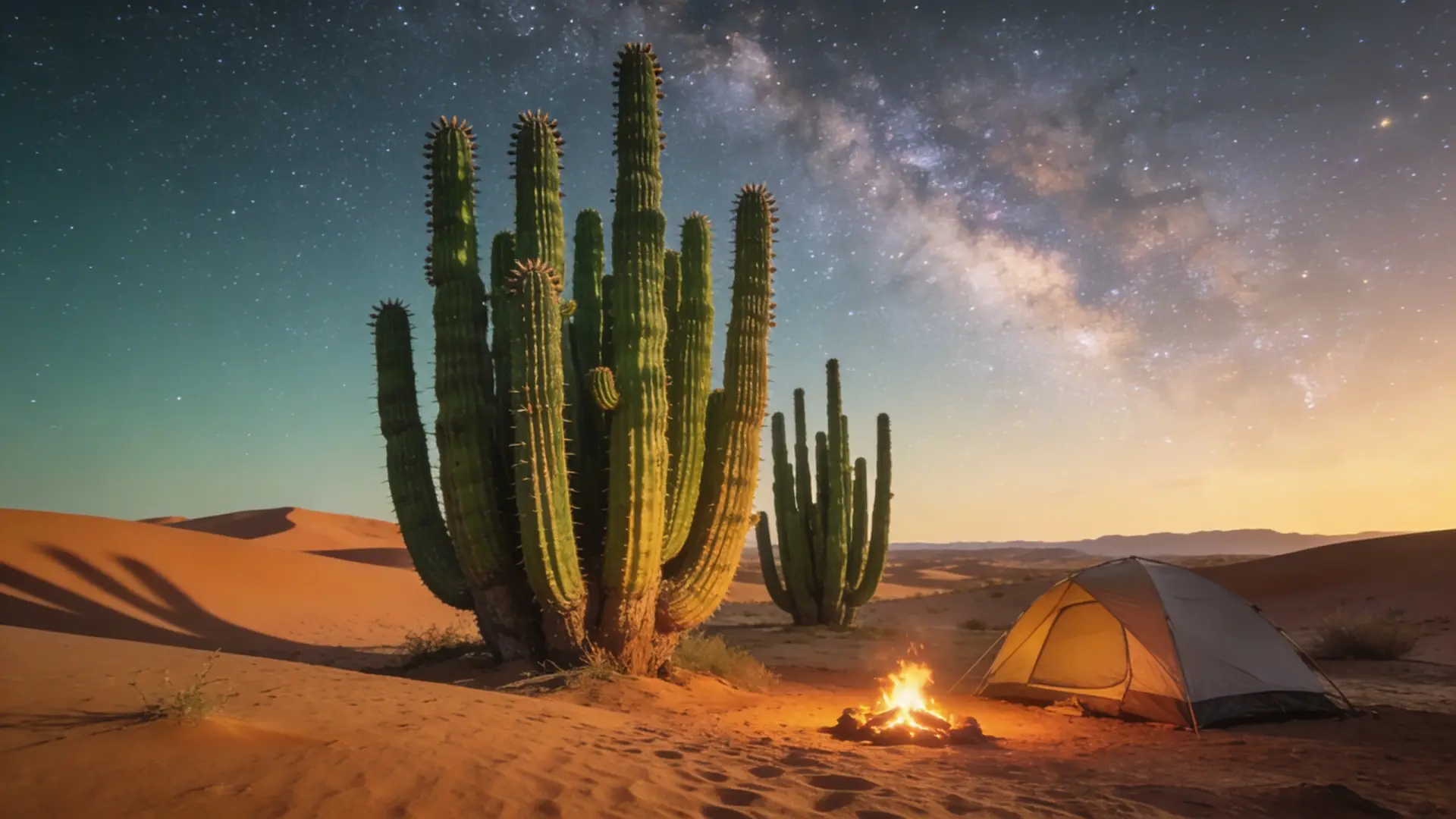
While camping inside Organ Pipe Cactus National Monument requires fees, the surrounding BLM and Tohono O’odham Nation lands offer free camping options with similar desert scenery. This remote area near the Mexican border showcases the unique organ pipe cactus found nowhere else in the United States.
Highway 85 provides the main access, with various unmarked dirt roads leading to dispersed camping areas. The terrain is rugged and remote, requiring self-sufficiency and careful preparation. This region experiences extreme summer heat but offers exceptional winter camping with mild temperatures and clear skies.
Remote Location Considerations
Services are extremely limited. The tiny town of Ajo, 35 miles north, offers basic supplies and fuel. Cell service is unreliable throughout most of the area. Additionally, the proximity to the international border means you may encounter Border Patrol checkpoints and occasional law enforcement presence.
Wildlife viewing is exceptional, with javelina, coyotes, and numerous bird species regularly spotted. The dark skies provide incredible stargazing opportunities. However, this remoteness means emergencies could take hours to address, so traveling with another vehicle or having reliable communication equipment is wise.
Gila National Forest, New Mexico
Spanning 3.3 million acres, Gila National Forest offers countless dispersed camping opportunities throughout its varied terrain of mountains, canyons, and high desert. Unlike lower elevation desert spots, the Gila’s elevation ranges from 4,000 to 10,000 feet, providing cooler temperatures and different scenery including ponderosa pine forests.
Popular areas include the Gila Cliff Dwellings surroundings, Snow Lake area, and numerous spots along Forest Road 150. Most sites work well for small to medium RVs, though some remote locations require four-wheel drive. The forest allows 14-day stays at individual sites with unlimited total time if you relocate.
Four-Season Possibilities
The varied elevation means you can find comfortable camping year-round by adjusting your altitude. Lower elevations stay warm in winter, while higher areas provide cool summer refuges. Spring and fall offer the most consistently pleasant conditions throughout the forest.
The forest contains 1,490 miles of trails, numerous hot springs, and fascinating archaeological sites. Wildlife includes black bears, elk, and mountain lions, so proper food storage is mandatory. Most areas have no cell coverage, making this ideal for those seeking true disconnection. If you’re considering an extended stay embracing this lifestyle, learn more about life on the road.
Essential Tips for Southwest Boondocking
Successfully camping off-grid in the Southwest requires preparation beyond standard campground stays. Water conservation becomes critical, as resupply points may be 50+ miles away. Most experienced boondockers budget one gallon per person per day for drinking and cooking, plus additional water for washing and flushing.
Solar power systems pay for themselves quickly when dry camping frequently. The Southwest’s abundant sunshine makes solar highly effective for keeping batteries charged. Alternatively, a reliable generator provides power independence, though proper generator maintenance becomes essential when you’re far from repair shops.
Finding and Selecting Sites
Using dedicated apps designed for locating free camping spots dramatically simplifies finding suitable locations. Our guide to the best apps for finding free campsites can help you discover spots beyond this list. These tools provide recent user reviews, GPS coordinates, and crucial details about road conditions and site suitability.
When selecting a specific site, consider sun exposure, wind protection, and levelness. Southwest winds can be fierce, so natural windbreaks improve comfort significantly. Additionally, positioning your RV to minimize direct sun exposure during peak hours reduces cooling system strain and propane consumption.
Safety and Leave No Trace
Remote camping requires enhanced safety awareness. Always tell someone your plans and expected return date. Carry extra water, food, and fuel beyond what you expect to need. A well-stocked first aid kit and basic tools for minor repairs can prevent small problems from becoming emergencies.
Leave No Trace principles are critical for preserving these free camping opportunities. Pack out all trash, use existing fire rings if fires are permitted, and dispose of waste properly. Many popular boondocking areas have faced restrictions due to irresponsible camping, so treating these lands with respect ensures they remain available for future visitors.
| Location | Best Season | Difficulty | Cell Service |
|---|---|---|---|
| Quartzsite, AZ | Winter | Easy | Good |
| Sedona Dispersed, AZ | Spring/Fall | Moderate | Fair |
| Valley of Fire, NV | Winter | Moderate | Poor |
| Taos Junction, NM | Spring/Summer | Easy | Good |
| Anza-Borrego, CA | Winter/Spring | Varies | Fair |
| White Pocket, AZ | Spring/Fall | Difficult | None |
| Gila National Forest, NM | Year-round | Moderate | Poor |
The Southwest’s incredible diversity means you can find suitable free camping regardless of your experience level or rig type. Beginners should start with easier locations like Quartzsite or Taos Junction Bridge, where services are nearby and roads are accessible. As confidence grows, more remote spots like White Pocket or the Gila wilderness offer increasingly adventurous experiences.


6 Comments on “10 Best Boondocking Spots In The Southwest”