
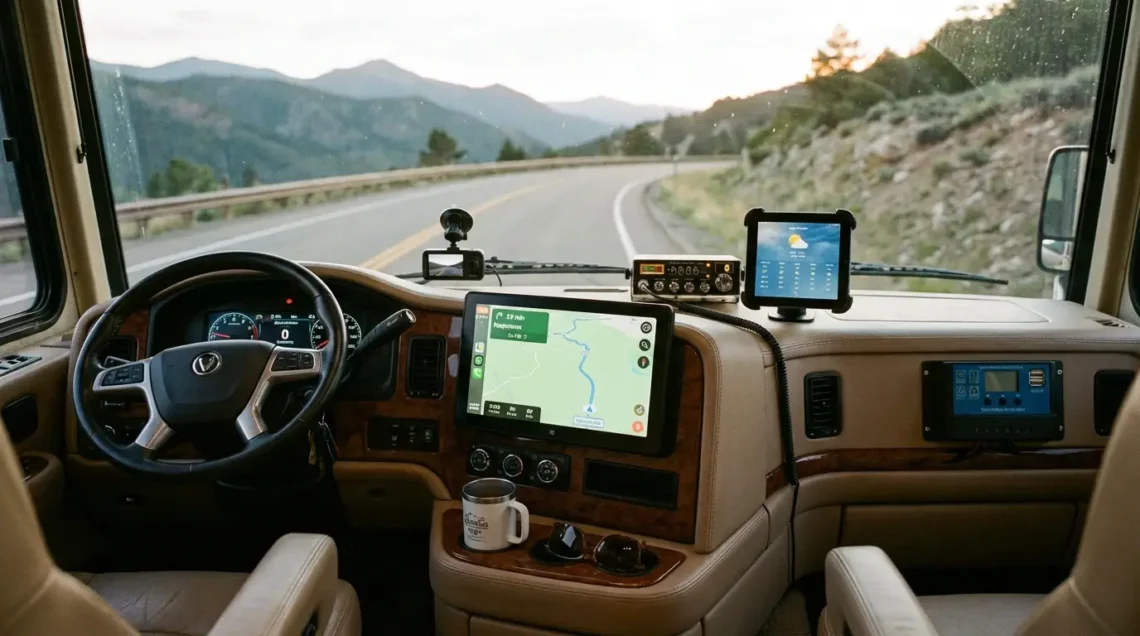
Road trips in a recreational vehicle offer unparalleled freedom and flexibility, yet the experience depends heavily on having the Best Technology Gadgets for RV travel. Whether you’re embarking on a weekend getaway or a months-long adventure across the country, technology gadgets have become essential companions for safety, comfort, and connectivity. The RV travel industry has exploded in recent years—the RV Industry Association reported that wholesale shipments reached 430,000 units in 2023, a testament to growing interest in mobile living. Simultaneously, the gadget market has evolved to meet the unique needs of RV enthusiasts, with innovations designed specifically for life on the road.
Modern RV travelers face distinct challenges that standard home technology cannot address. Limited power supplies, unreliable cellular coverage, extreme weather exposure, and the need for compact solutions demand specialized equipment. Best technology gadgets for RV living solve these problems through intelligent design and durability. From power management systems to navigation aids, the right tools can transform your mobile lifestyle from stressful to seamless. This analysis explores the latest developments in RV technology and what they mean for today’s road warriors.
Table of Contents
Power Management and Battery Technology
Energy management represents the most critical concern for RV travelers, and recent advances in lithium battery technology have revolutionized how we power mobile homes. Traditional lead-acid batteries dominated RV use for decades, but lithium iron phosphate (LiFePO4) systems have emerged as game-changers since their introduction to the mainstream RV market around 2018. Companies like Battle Born Batteries and Victron Energy have perfected these systems, offering lightweight alternatives that provide three times the usable capacity of equivalent lead-acid setups while lasting 10 times longer.
Modern portable power stations have also transformed RV life dramatically. The Jackery Explorer series and Goal Zero Yeti models provide substantial capacity in compact packages, enabling travelers to run essential devices even during boondocking trips. These units charge via solar panels, vehicle alternators, or standard electrical outlets, creating redundancy that traditional systems cannot match. Furthermore, integrated inverters allow you to run 120-volt appliances anywhere, expanding your options significantly.
Solar Solutions for Off-Grid Living
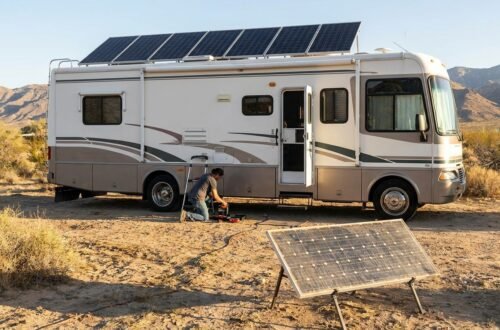
Solar panel installations have become increasingly affordable and efficient. Flexible solar panels from companies like Renogy and Go Power can adhere directly to RV roofs without requiring heavy mounting structures. Contemporary systems generate 20-30% more power than equivalents from just five years ago, making serious off-grid capability realistic for most RV types. When paired with a quality charge controller and battery management system, solar installations dramatically extend your independence from shore power.
Real-world performance matters more than marketing claims. A typical 400-watt solar array on an RV roof generates approximately 1.2-1.6 kilowatt-hours daily under ideal conditions—enough to maintain essential systems like refrigeration, water heating, and communications equipment. This calculation assumes 4-5 peak sun hours, a realistic average across most of North America during summer months.
Connectivity Solutions for Remote Areas
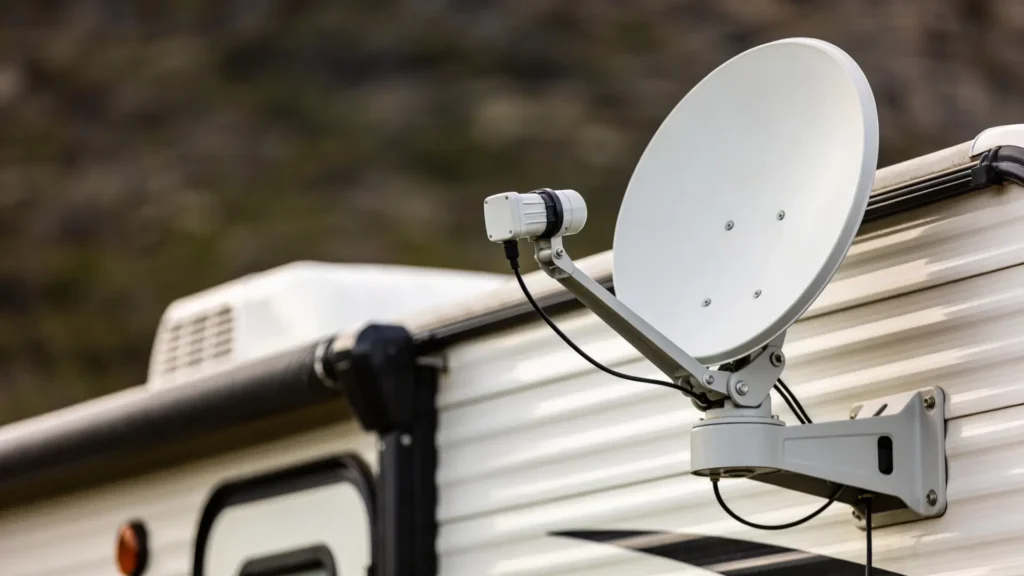
Internet access represents perhaps the most frequently overlooked challenge for RV travelers. Standard cellular coverage maps prove wildly optimistic in rural areas, leaving road warriors without reliable connectivity. This gap has spurred innovation in satellite and alternative connectivity solutions throughout 2023 and 2024. Starlink’s recent expansion of RV-specific service plans has created genuine competition for traditional mobile hotspots, with several RV manufacturers now offering Starlink pre-installation options on new vehicles.
The decision between traditional cellular boosters, mobile hotspots, and satellite internet depends on your specific needs and budget. A cellular signal bosting antenna from weBoost or SureCall can amplify existing signals by 32 times, proving invaluable in areas with weak coverage. These devices cost $300-500 and consume minimal power, making them practical for most RV travelers. However, they cannot create signal where none exists, limiting their usefulness in truly remote locations.
Satellite Internet Options
Starlink’s RV service, launched in March 2024, fundamentally changed expectations for mobile connectivity. The system requires a relatively small dish (less than two feet) that can be mounted on RV roofs or held portable, and the service provides 50-150 Mbps download speeds in most locations—comparable to residential broadband. At approximately $150 monthly, it costs more than traditional cellular plans but delivers unprecedented reliability in remote areas. The initial hardware investment of around $600 presents a barrier for casual travelers but pays dividends for full-time RVers or those working remotely.
Traditional cellular mobile hotspots remain the most economical choice for many travelers. Plans from Verizon, AT&T, and T-Mobile cost $50-100 monthly and work adequately in areas with cellular coverage. The key to success involves understanding coverage limitations before departure—boondocking apps for finding free campsites often include crowdsourced cellular coverage data that proves more accurate than carrier maps.
Best Technology Gadgets Safety and Security Systems
RV theft and break-ins remain persistent concerns within the community. Modern security technology addresses these challenges far more effectively than traditional locks and alarms. Integrated smart door locks from brands like Level Lock and August allow keyless entry and remote monitoring, preventing unauthorized access while simplifying entry for multiple family members or authorized service providers. These systems integrate with smartphone apps, sending real-time notifications when doors open and allowing you to unlock or lock remotely from anywhere with internet connectivity.
Backup cameras and 360-degree camera systems have become standard safety equipment for RV navigation, especially for large vehicles that create significant blind spots. Modern systems display camera feeds directly on dashboard touchscreens and can record continuously, providing evidence in case of accidents. Additionally, these systems help tremendously when backing into tight campground spaces—a task that generates substantial stress for many RV operators.
Tire Pressure Monitoring Systems
Tire failure represents one of the most serious safety risks for RV travel, particularly on heavy vehicles that exert tremendous pressure on sidewalls. Tire pressure monitoring systems (TPMS) like those from Tyron and Minder Research track pressure and temperature for each tire in real time, alerting you immediately to problems before catastrophic failure occurs. These systems cost $300-600 depending on the number of tires monitored but have prevented countless dangerous situations and costly breakdowns.
Smart surge protectors designed specifically for RV use provide another critical safety layer. Devices like Progressive Industries’ EMS systems protect your RV’s electrical systems from dangerous voltage fluctuations, which occur frequently at campgrounds with aging electrical infrastructure. When voltage exceeds safe parameters, these protectors automatically disconnect power, preventing thousands of dollars in damage to appliances, electronics, and wiring.
Climate Control and Environmental Monitoring
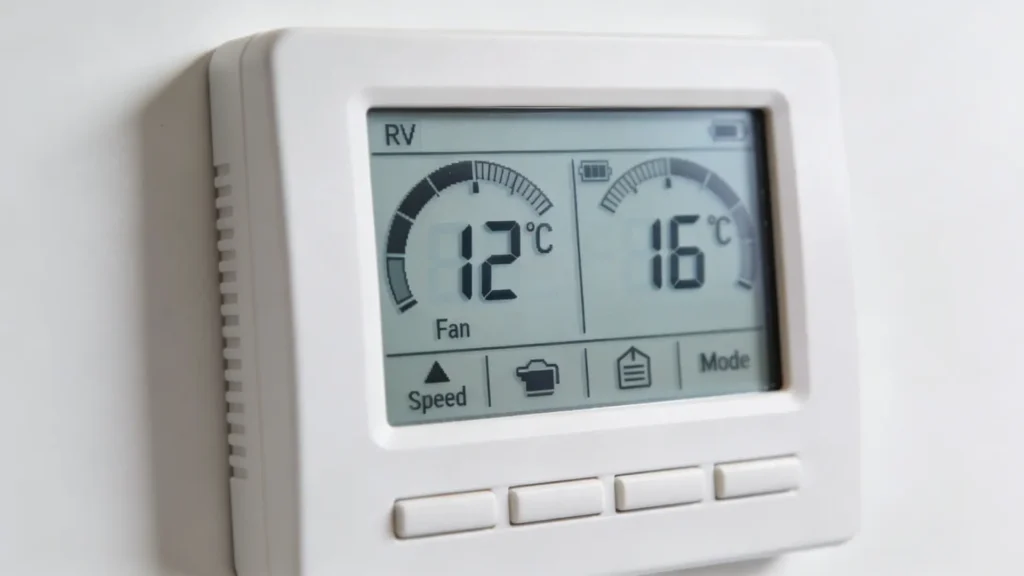
Temperature and humidity management directly impacts both comfort and RV longevity. Smart thermostat systems designed for RV use allow remote temperature adjustment and provide detailed usage data, helping travelers optimize energy consumption. Furthermore, environmental sensors monitor interior conditions continuously, alerting you to dangerous situations like carbon monoxide leaks before they become life-threatening.
Consider integrating a comprehensive monitoring system that tracks multiple environmental variables simultaneously. Modern RV controller systems from companies like Victron, Xantrex, and Outback display water tank levels, propane quantity, battery state of charge, and solar production on a single dashboard. This integrated approach provides complete visibility into RV systems, enabling proactive management rather than reactive troubleshooting.
Smart Ventilation and Air Quality
Humidity control represents an underappreciated concern for RV travelers. Excessive moisture leads to mold growth, which damages structures and creates health risks. Smart ventilation fans that activate automatically based on humidity levels prevent accumulation without requiring manual intervention. Additionally, portable dehumidifiers or desiccant systems address moisture problems in compact spaces more efficiently than opening windows, which compromises climate control in your living area.
Carbon monoxide and propane detectors have become essential safety equipment, particularly for RV travelers using propane for heating and cooking in enclosed spaces. Interconnected smart detectors send alerts directly to your smartphone, enabling response even when you’re outside the vehicle. Modern tankless water heaters that rely on propane combustion make these safety devices non-negotiable investments.
Navigation and Trip Planning Tools
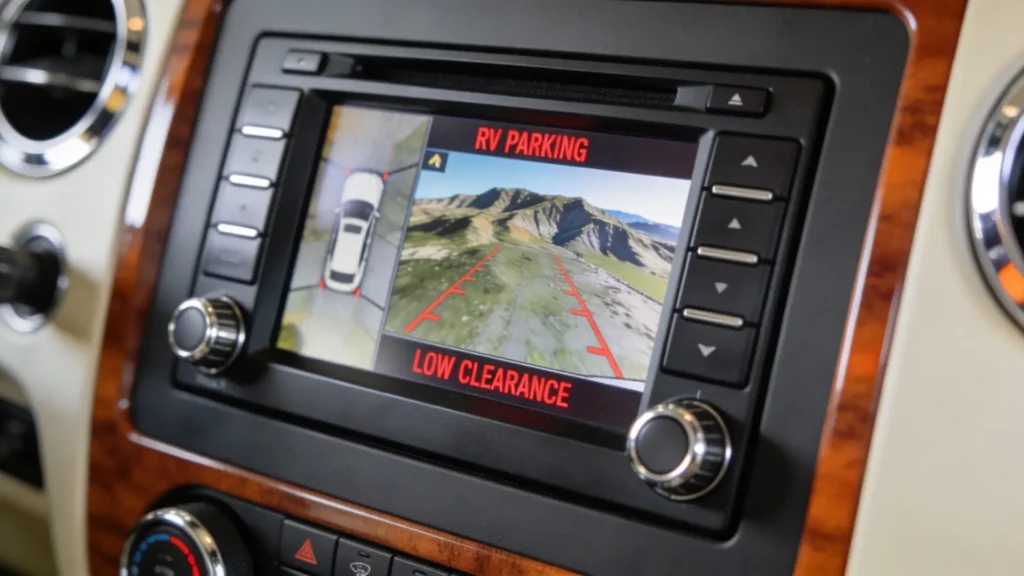
Specialized navigation applications designed for RV travel overcome limitations of standard GPS systems. Platforms like RV-specific mapping software account for vehicle dimensions, weight, and hazmat restrictions, automatically routing around low bridges, narrow roads, and weight-restricted areas. Applications such as iExit and Roadtrippers integrate real-time information about campground availability, fuel prices, and points of interest, enabling data-driven trip planning that significantly enhances the travel experience.
The integration of these tools with voice assistants creates a hands-free navigation experience critical for safe driving. Many RV travelers mount tablets running specialized software in dashboard holders, creating personalized control centers that provide navigation, communication, entertainment, and system monitoring simultaneously. This consolidated approach reduces distraction compared to juggling multiple devices while driving.
Real-Time Road Condition Updates
Traffic and weather monitoring applications help RV travelers make informed routing decisions. Services that aggregate real-time data about road closures, weather warnings, and traffic conditions allow you to adjust plans proactively rather than encountering surprises. The Federal Highway Administration’s 511 traveler information system provides comprehensive road condition data through a standardized system, while private applications layer additional functionality on top of these data sources.
When planning scenic RV drives across the USA, these tools prove invaluable for identifying suitable stopping points and avoiding problematic road conditions. Weather-related hazards pose particular risks for RVs due to their increased wind resistance and handling characteristics in severe conditions.
Smart Home Integration for RVs
The convergence of home automation and RV technology has created unprecedented control possibilities. Smart lighting systems automatically adjust based on time of day, travel direction, or manual commands, reducing power consumption while improving functionality. Smart appliances monitor their own operation, providing diagnostic information before failures occur and adjusting settings based on available power resources.
Ecosystem integration matters significantly in practice. Unified systems that control lighting, climate, water systems, and entertainment through a single interface prove far more practical than managing multiple incompatible applications. For first-time RV travelers, starting with a basic integrated system prevents overwhelming complexity while providing substantial quality-of-life improvements.
Entertainment and Connectivity Convergence
Modern RV entertainment systems blur the lines between traditional television, streaming services, and interactive experiences. Smart TVs running Android or similar operating systems provide access to streaming platforms without requiring separate devices. When paired with reliable internet connectivity—whether through cellular, satellite, or campground Wi-Fi—these systems enable access to entertainment comparable to home viewing experiences.
The practical reality involves managing power consumption carefully. Streaming video demands substantial bandwidth and device power, so many experienced travelers employ strategic entertainment choices. Downloading content while at campgrounds with shore power and internet access allows offline viewing during travel days, balancing entertainment desires with power limitations. This approach requires discipline but significantly extends your independence from campground infrastructure.
The evolution of RV technology reflects genuine innovations driven by increasing demand for mobile living. Market research from the RV Industry Association indicates that RV ownership has grown steadily since 2020, with particular strength among younger demographics seeking alternative lifestyles. This demographic shift has attracted technology companies’ attention, spurring development of purpose-built solutions rather than awkward adaptations of mainstream consumer products.
Success with RV gadgets depends ultimately on matching technology investments to your specific travel style and needs. Full-time travelers require different equipment than weekend adventurers, while boondocking enthusiasts need different capabilities than those who primarily use campgrounds with full hookups. Before purchasing expensive systems, honestly assess your intended usage patterns and prioritize accordingly. Evaluating your RV investment decisions should include realistic technology requirements based on how you actually plan to travel.
Start with power management as your foundational investment—reliable electricity enables all other technologies to function properly. From that solid foundation, incrementally add connectivity, safety, and comfort systems as budget and experience allow. Many successful RV travelers evolved their technology setup over multiple trips rather than attempting to implement comprehensive systems immediately. This gradual approach provides time to identify what genuinely matters for your specific circumstances while avoiding expensive purchases for features you’ll never use. Learn more about how the RV community approaches technology adoption through collective experience and discussion forums where practical wisdom accumulates continuously.



6 Comments on “Best Technology Gadgets For RV Travel”