
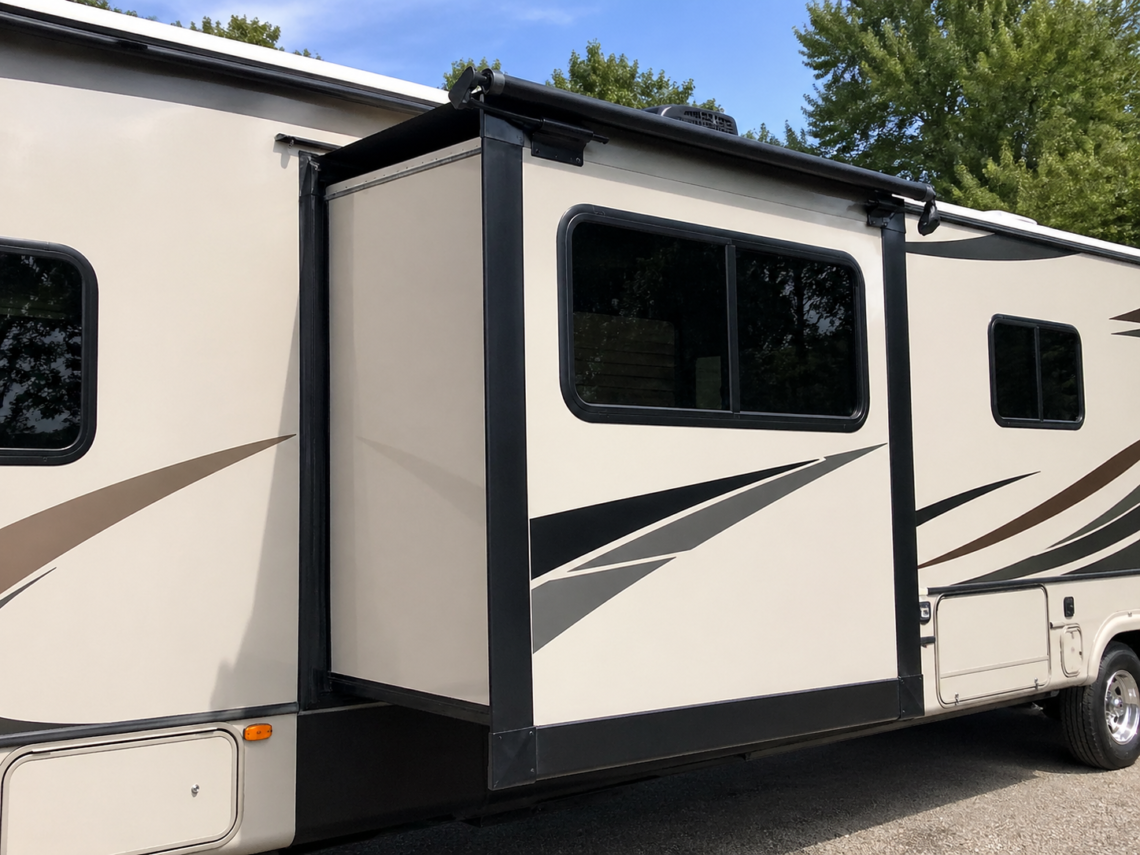
Maintaining your RV’s slide-outs doesn’t have to be a chore, but it is important for extending their life and avoiding costly repairs down the road. The core of it boils down to regular cleaning, lubrication, and inspection. By staying on top of these few things, you can keep your slide-outs running smoothly and prevent unexpected issues.
Keeping Your RV Level and Stable
One of the foundational steps before even thinking about your slide-outs is ensuring your RV is properly leveled. This isn’t just about comfort inside the rig; it’s a critical preventative measure for your slide-outs.
Why Leveling Matters for Slide-Outs
Extending slide-outs when your RV isn’t level puts unnecessary stress on the entire mechanism. Think of it like trying to open a drawer on a crooked desk; it binds and strains. This added strain on the motor, gears, and structural components can lead to premature wear and tear. It can cause parts to warp slightly or bind, which over time, will lead to bigger problems. Making sure your RV is level before expanding those walls out helps everything operate as it was designed to.
Lubrication: The Silent Workhorse
Lubricating the moving parts of your slide-outs is a key maintenance item that often gets overlooked. It’s a simple step that significantly reduces friction and wear.
Choosing the Right Lubricant
When it comes to lubrication, not all products are created equal, particularly for RV slide-outs. You’ll want to use dry lubricants, such as those with silicone. These are designed to reduce friction without attracting dirt, dust, and debris. This is crucial because slide-outs operate in all sorts of environments, and you don’t want a sticky substance collecting grit that can abrade the moving parts.
Why Avoid Certain Products?
It’s tempting to grab whatever lubricant is handy, but it’s important to avoid products like WD-40 or grease for slide-out mechanisms. While they might seem to offer lubrication, they are notorious for attracting and holding onto dust, dirt, and road grime. This creates an abrasive paste that can accelerate wear on gears, tracks, and rollers, leading to more frequent maintenance or even component failure. Stick with the dry stuff; your slide-outs will thank you.
How Often to Lubricate
A good rule of thumb is to lubricate the moving parts of your slide-outs three to four times per year. This cadence ensures that components remain slick and protected against friction and the elements. If you use your RV extensively or in particularly dusty or wet conditions, you might consider lubricating a bit more frequently.
Seal Care: Your First Line of Defense
The seals around your slide-outs are what keep the elements out and your interior comfortable. Maintaining them is crucial for preventing water leaks and drafts.
Cleaning and Conditioning Routine
The slide-out seals, both internal and external, are exposed to varying weather conditions, including sun, rain, and temperature fluctuations. This can cause them to dry out, crack, and lose their effectiveness over time. Therefore, cleaning and conditioning them monthly or at least twice yearly is a practical approach.
Start by wiping them down with a mild soap solution. This helps remove any accumulated dirt, grime, or environmental pollutants. Pay special attention to any signs of mildew or mold, and gently clean those areas. Once clean and dry, apply a UV protectant and conditioner. These products are designed to keep the rubber pliable, prevent cracking from UV exposure, and extend the life of the seals. Ignoring this step can lead to hardened, brittle seals that will eventually fail, letting water into your RV.
Pre and Post-Trip Seal Inspections
Beyond the regular cleaning and conditioning, it’s a good practice to inspect your seals and gaskets before and after each trip. This doesn’t need to be a lengthy process; a quick visual check will suffice. Look for any visible cracks, tears, or gaps where the seal isn’t fully attached to the RV body or the slide-out itself. These small issues can quickly escalate into larger problems, such as water intrusion, if left unaddressed. Catching them early allows for timely repairs or adjustments, saving you from potential water damage inside your RV.
Debris Management and Track Care
Debris and dirty tracks are common culprits behind slide-out issues. Keeping these areas clean is a simple yet effective maintenance practice.
Clearing the Roof Prior to Retraction
Before you even think about bringing your slide-outs in, take a moment to clear any debris from their roofs. Leaves, twigs, dirt, and even small branches can accumulate on top. If these are not removed, they can be dragged into the RV as the slide-out retracts, causing damage to the horizontal seals. This can lead to tears, compromises in the seal, and potentially allow water in. A simple brush-off with a soft broom or extending hand is usually all it takes. This quick step prevents the slide roof from catching and tearing seals, which are costly to replace.
Thorough Track Cleaning
The tracks on which your slide-outs move are critical, and they accumulate dirt just like any other exposed part of your RV. It’s important to clean these tracks thoroughly on both the inside and outside surfaces. Pay particular attention to the corners and crevices where dirt and debris tend to collect. A stiff brush can be useful for dislodging packed-in grime. Once clean, apply a light lubricant to reduce friction. This twofold approach ensures the tracks remain smooth and the slide-out mechanism doesn’t have to work harder than necessary.
Proper maintenance of your RV’s slide-out is crucial for ensuring its longevity and functionality. Regularly checking seals, lubricating mechanisms, and inspecting for any signs of wear can prevent costly repairs down the line. For a comprehensive guide on RV maintenance that includes essential tips for both monthly and seasonal upkeep, you can refer to this informative article on RV maintenance checklists. Keeping your RV in top shape will enhance your travel experience and provide peace of mind on the road.
Vigilance: Watching for Warning Signs and Regular Checks
Being proactive means paying attention to how your slide-outs operate and conducting periodic checks. Your RV often gives you clues when something isn’t right.
Recognizing Warning Signs
Your slide-outs usually don’t fail without giving some indication. Watch for warning signs that indicate a need for attention. These include:
- Squeaking or scraping noises: These often suggest dry mechanisms or something rubbing where it shouldn’t.
- Grinding: This is a more serious sound that can point to gear issues or debris caught in the mechanism.
- Jerky or uneven movements: If your slide-out extends or retracts in fits and starts, it could be a sign of a bind, a low battery, or a struggling motor.
- Slower-than-normal operation: This can indicate motor issues, low battery voltage, or increased friction within the system.
Addressing these issues promptly can prevent them from snowballing into more significant and expensive repairs. Ignoring them will almost guarantee the problem gets worse.
Quarterly Operational Tests and Emergency Procedures
It’s a good practice to test your slide-out operation quarterly, even if you haven’t been using your RV extensively. This ensures everything is still functioning as it should and gives you an opportunity to spot any developing issues. Furthermore, make sure you keep emergency manual override procedures accessible. Know where your manual crank is, and understand how to use it. If your powered system ever fails, knowing how to manually retract or extend your slide-outs can save a trip or prevent your RV from being stuck in an inconvenient position.
Visual Inspections During Lubrication Cycles
Every time you go through your lubrication routine, integrate a visual inspection. This is a prime opportunity to look for potential problems that might not be obvious during normal operation. Specifically, look for:
- Broken teeth on gears: Easily spotted with a good flashlight.
- Loose bolts or fasteners: These can lead to components shifting or falling off.
- Pinched wiring: Electrical issues can stem from wiring getting caught in the mechanism.
- Ripped covers or seals: Any damage to protective covers or seals should be addressed.
- Dents, cracks, or unusual wear on any structural components.
These detailed visual checks can catch issues early, allowing for minor repairs before they turn into major breakdowns. It’s about being observant and proactive in preventing problems from escalating.


2 Comments on “Essential RV Slide Out Maintenance Tips”