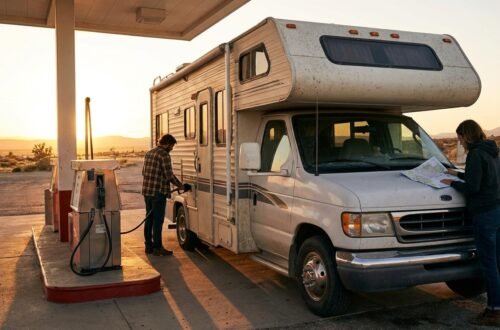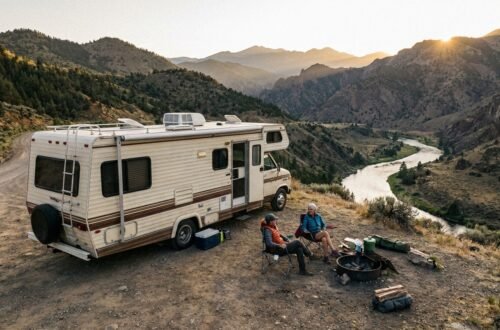

So, you’re wondering how much RV travel costs? The short answer is: it varies a lot, but it’s often more affordable than you might think, especially compared to traditional vacations. For instance, a 12-day RV trip through Utah’s “Mighty 5” for two, including rental, fuel, campgrounds, and all the usual expenses, is estimated to cost around $4,590 based on average 2026 rates. If you own your RV, a 7-day, 800-mile family trip could be as low as $1,300. Let’s break down where that money goes.
This is probably the first decision you’ll make, and it significantly impacts your overall costs. Both have their upsides and downsides when it comes to your wallet.
Table of Contents
Renting an RV
Renting is a great way to dip your toes into the RV lifestyle without the commitment of ownership. It’s often the go-to for shorter trips or if you’re not sure you want to RV regularly.
- Initial Outlay: This is where renting shines. You avoid the large upfront cost of buying an RV, which can range from tens of thousands to hundreds of thousands of dollars.
- Rental Fees: These vary based on the type of RV, the season, and the duration of your rental. For a family of four, an 800-mile, 7-day rental could run you anywhere from $2,400 to $4,300, covering the rental fee itself, plus fuel and other trip expenses.
- Insurance: Rental companies usually offer their own insurance, which you’ll need to factor in. It’s an additional expense, but it provides peace of mind.
- Maintenance & Storage: Maintenance and storage are not issues when you rent.The rental company takes care of these concerns for you, They handle all the upkeep, winterization, and storage fees.
Owning an RV
Owning an RV gives you freedom and flexibility, but it comes with a different set of financial considerations. It often makes sense if you plan to use it frequently or for extended periods.
- Purchase Price: This is the big one. Whether new or used, an RV is a significant investment. Consider the type of RV – a small travel trailer will be much cheaper than a large Class A motorhome.
- Depreciation: Like cars, RVs depreciate in value. It’s a reality to acknowledge if you ever plan to sell it.
- Insurance: You’ll need comprehensive RV insurance, which can vary based on the value of your RV, your driving history, and how you use it (e.g., full-time vs. recreational).
- Maintenance & Repairs: Will be an ongoing cost. From routine oil changes to unexpected repairs, having an emergency fund for your RV is a smart move. Tires, roof sealants, and appliance repairs can add up.
- Storage: If you don’t have space at home, you’ll need to pay for storage when your RV isn’t in use. These fees vary widely by location.
- Registrations & Taxes: Similar to a car, you will need to pay annual registration fees, and you may also be required to pay property taxes, which can vary depending on your location.
For those interested in understanding the financial aspects of RV travel, the article “RV Travel Costs: A Real-World Breakdown” provides a comprehensive overview of expenses associated with life on the road. Additionally, readers may find value in exploring related insights in the article on the best technology gadgets for RV travel, which can enhance the overall experience and potentially save money in the long run. You can check it out here: Best Technology Gadgets for RV Travel.
Day-to-Day Expenses: The Trip Itself
Once you’ve decided on renting or owning, the daily costs of an RV trip are pretty consistent. These are the things that add up on the road.
Fuel Costs
This is often the largest variable expense and can fluctuate wildly depending on gas prices and your RV’s fuel efficiency.
- RV MPG: RVs are not known for their fuel efficiency. A large Class A motorhome might get 6-10 miles per gallon, while a smaller Class C or a tow vehicle with a travel trailer might get 10-15 MPG.
- Distance Traveled: The more you drive, the more you spend on fuel. An 800-mile family trip, for example, will have a substantial fuel bill.
- Fuel Price Fluctuations: Keep an eye on gas prices, as they can significantly impact your budget, especially on longer trips. Planning your route to avoid areas with historically higher fuel costs can help.
Campground Fees
Where you sleep at night also comes with a price tag, ranging from free to resort-level expensive.
- Private Campgrounds: These typically offer more amenities like full hookups (water, sewer, electricity), Wi-Fi, pools, and recreational facilities. Prices can range from $30-$100+ per night.
- State & National Parks These options are usally more affordable, with prices typically ranging from $15 to $50 per night. however they offer fewer amenities, such as electric-only facilites or no access to sewer hookups. It is often necessary to book these in advance.
- Boondocking/Dispersed Camping: This is free camping on public lands (like BLM land or National Forests). It requires self-sufficiency as there are no hookups or amenities, but it’s a huge cost-saver.
- Membership Discounts: Organizations like KOA, Good Sam Club, or Passport America offer discounts on campground fees, which can add up over time.
Food & Groceries
One of the big advantages of RV travel is having a kitchen on board, which can save you a lot compared to eating out for every meal.
- Cooking in: Stocking up on groceries and cooking most of your meals in the RV is usually much cheaper than restaurant dining.
- Eating Out: You’ll likely want to try local eateries occasionally, and those costs need to be factored in. Budget for a few meals out to enjoy the local flavor.
- Snacks & Drinks: Don’t forget the little things! Keeping a well-stocked pantry and fridge with snacks, drinks, and coffee can prevent impulse buys at gas stations or convenience stores.
Beyond the Basics: Hidden and Unexpected Costs
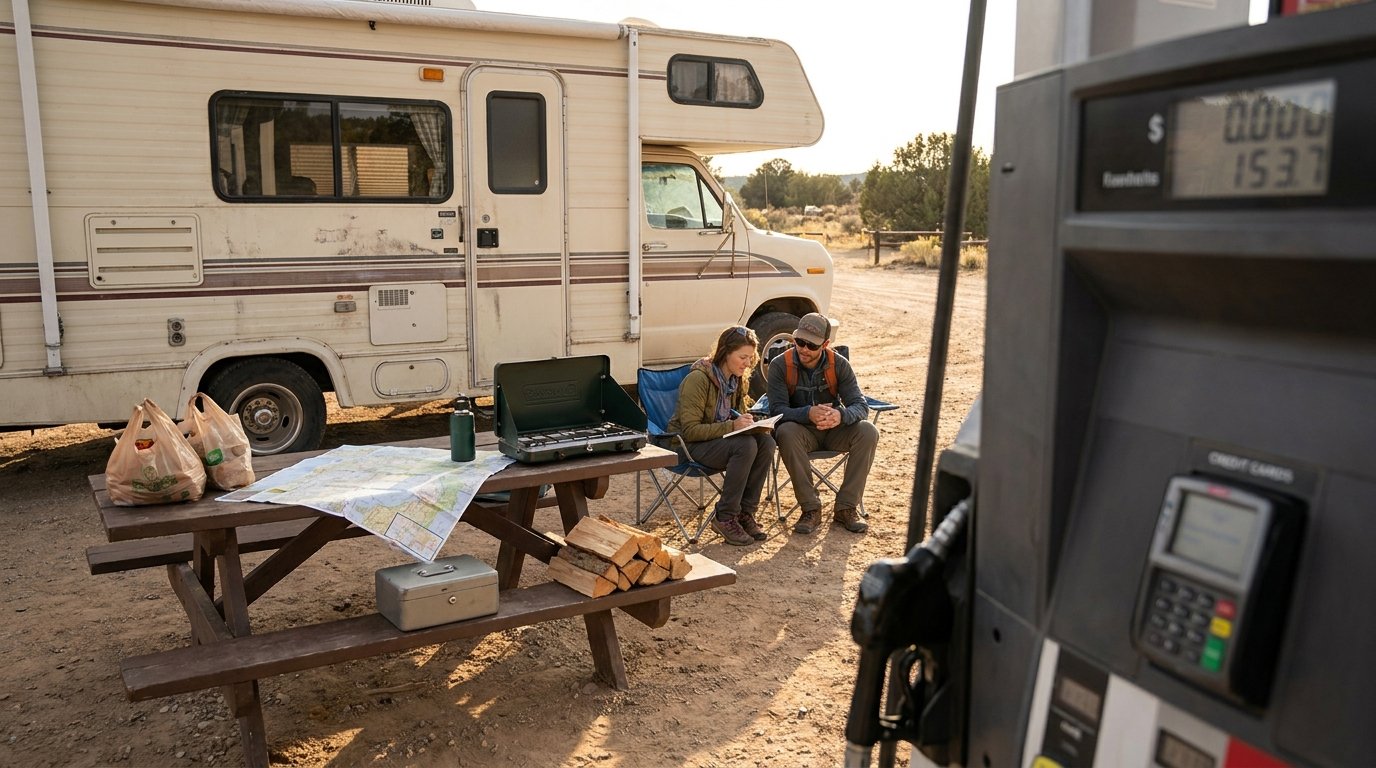
While fuel, camping, and food are the main players, there are other costs that can sneak up on you if you’re not prepared.
Park Passes & Activity Fees
Many popular destinations have entrance fees or require special permits.
- National Park Pass: If you plan on visiting multiple National Parks in a year, an America the Beautiful Annual Pass ($80) is a great investment. It covers entrance fees for the pass holder and passengers in a single vehicle.
- State Park Passes: Many states offer their own annual passes that can save you money if you frequent their parks.
- Attractions & Tours: From whitewater rafting to museum admissions, budget for any experiences you want to have along the way.
Propane
Most RVs use propane for heating, cooking, and sometimes refrigeration.
- Usage Varies: How much propane you use depends on the season (more in cold weather for heating) and how often you cook.
- Refill Costs: Propane refills are relatively inexpensive, but they are a recurring cost, especially if you’re traveling in cooler climates or for extended periods.
Internet & Connectivity
Staying connected on the road can be crucial, whether for work, navigation, or entertainment.
- Cellular Data Plans: You’ll likely rely on your smartphone’s data plan or a dedicated mobile hotspot. Unlimited data plans are often a must for RVers.
- Starlink: For those needing reliable, high-speed internet, especially in remote areas, Starlink for RVs has become a popular (and pricier) option, costing around $150/month plus the initial hardware cost.
- Campground Wi-Fi: While some campgrounds offer Wi-Fi, it’s often unreliable or slow, so don’t count on it for critical tasks.
Dumping & Water
Managing your waste and water tanks is part of RV life.
- Dump Station Fees: Some private dump stations charge a small fee ($5-$25) if you’re not staying at their campground.
- Freshwater: While often free at campgrounds, you might occasionally need to pay for water refills at certain locations.
The Full-Time RV Lifestyle: A Different Budget
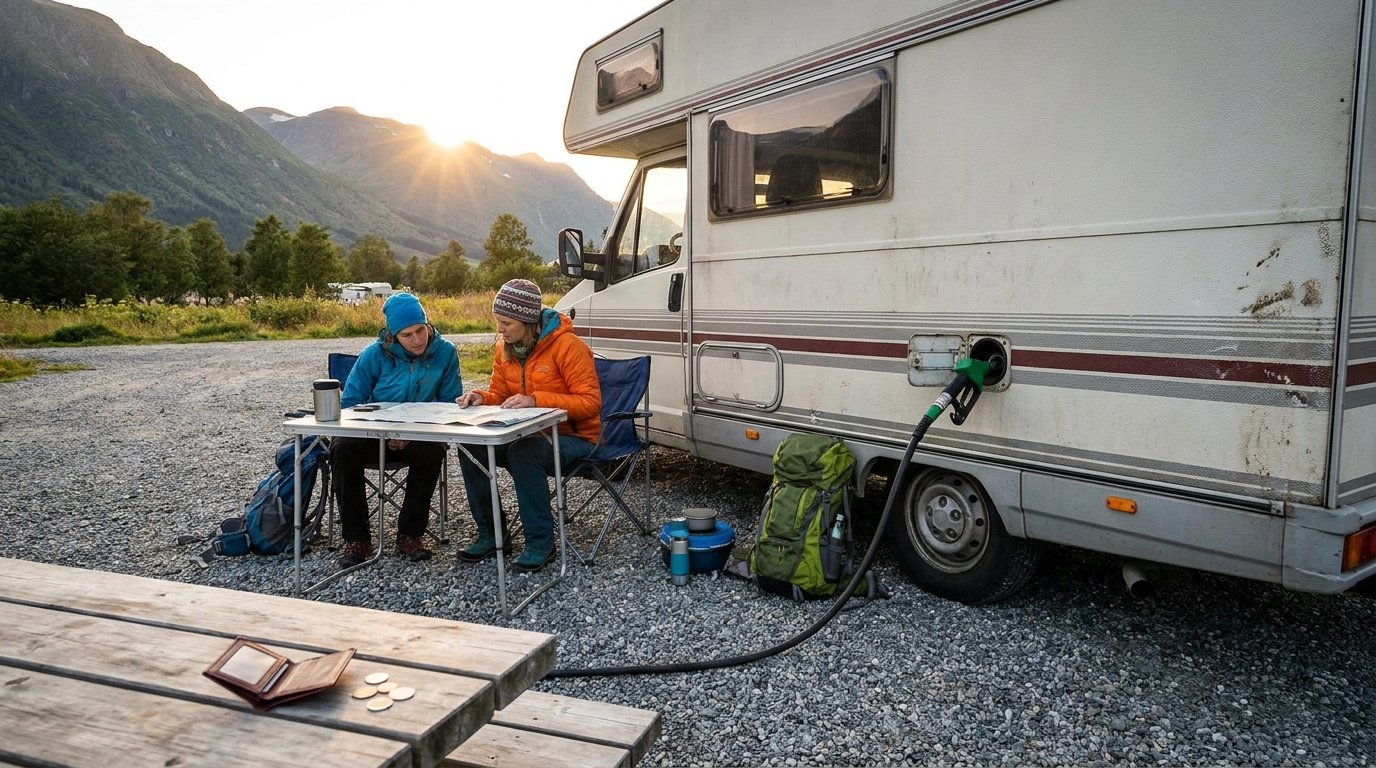
Living in an RV full-time is a whole different ballgame compared to recreational trips. Your entire monthly budget becomes tied to your RV.
Monthly Cost Ranges
For full-time RVers, monthly spending varies significantly based on travel style and personal preferences.
- Frugal Solo Travelers: Someone traveling alone and carefully managing expenses might spend $1,700–$2,800 per month in 2025. This usually involves a good amount of boondocking, cooking in, and limiting paid activities.
- Couples: A couple with a moderate travel pace and some paid campsites could expect to spend $2,800–$4,500 per month.
- Families & Active Travelers: Families, especially those with kids, or individuals who frequently move, stay at private campgrounds, and need robust connectivity, could easily spend $4,200–$7,000+ per month.
Real-World Examples
Looking at actual full-time budgets really highlights the variability.
- Example 1 (2025): One RVer reported an annual cost of $56,668.36. This includes everything: RV payments, insurance, fuel, campgrounds, food, repairs, and personal expenses. Breaking that down, it’s about $4,722 per month.
- Example 2 (2025): Another full-timer reported $78,900 annually, which is roughly $6,575 per month. This higher figure likely reflects more extensive travel, staying at more expensive parks, or higher personal spending habits.
These examples show that while full-time RVing can be a cost-effective way to live, it certainly isn’t free. Your spending habits, travel pace, and desire for amenities will largely dictate your monthly outlay.
When planning your RV adventures, understanding the various costs associated with travel is crucial, but it’s equally important to consider the upkeep of your vehicle. For a comprehensive overview of essential maintenance tasks that can help you avoid unexpected expenses on the road, check out this informative article on an RV maintenance checklist. Keeping your RV in top shape not only enhances your travel experience but also ensures that you stay within your budget. You can read more about it here.
Comparing RV Travel to Traditional Vacations
| Expense Category | Cost |
|---|---|
| Fuel | 500 |
| Campground Fees | 300 |
| Food | 400 |
| Entertainment | 200 |
| Maintenance | 100 |
Is RV travel really cheaper than flying and staying in hotels? Often, yes!
The Cost-Savings Advantage
When you compare apples to apples (or at least close to it), RVing often comes out ahead, especially for families.
- GoRVing Example: A weeklong family trip was priced at $1,265 for RVing versus $3,835 for flying, renting a car, and staying in hotels. That’s a whopping $2,570 difference! This example highlights how much you save on airfare, car rental, and multiple hotel rooms.
- Flexibility: The ability to cook your own meals, avoid airport hassles, and travel at your own pace contributes to both savings and a more relaxed experience.
Final Thoughts on Budgeting
The key to successful RV travel, whether for a short trip or full-time living, is realistic budgeting. Don’t underestimate expenses like fuel, propane, or unexpected repairs.
- Track Your Spending: Use an app or a spreadsheet to track every dollar spent. This is invaluable for understanding where your money is actually going and where you can cut back.
- Emergency Fund: Always have an emergency fund. RVs, like any vehicle or home, can have unexpected issues. A flat tire, a broken appliance, or a sudden repair bill can derail your trip if you’re not prepared.
- Be Flexible: Sometimes plans change, and that’s okay. Being flexible with your itinerary or campground choices can often lead to savings or a better experience.
RV travel offers incredible freedom and opportunities for adventure. By understanding the real costs involved, you can plan effectively and hit the road with confidence, knowing exactly what to expect.
FAQs
What are the typical costs associated with RV travel?
RV travel costs can include expenses such as fuel, campground fees, maintenance, insurance, and supplies. Additionally, there may be costs for activities and attractions at various destinations.
How much does it cost to fill up an RV with gas?
The cost to fill up an RV with gas can vary depending on the size of the RV, current gas prices, and the distance being traveled. On average, RVs can have large fuel tanks and may require a significant amount of fuel, resulting in higher fuel costs compared to a standard vehicle.
What are the average campground fees for RV travelers?
Campground fees for RV travelers can range from $20 to $80 per night, depending on the location, amenities, and time of year. Some campgrounds may also offer weekly or monthly rates for longer stays.
What are some common maintenance costs for RVs?
Common maintenance costs for RVs can include regular servicing, repairs, and upgrades to the vehicle’s systems and components. These costs can vary widely depending on the age and condition of the RV.
How can RV travelers save money on their travel costs?
RV travelers can save money on their travel costs by planning their routes to minimize fuel consumption, taking advantage of loyalty programs and discounts at campgrounds, and investing in energy-efficient appliances and systems for their RV. Additionally, budgeting and researching affordable destinations can help reduce overall travel expenses.