So, you’re looking for the cheapest ways to travel in an RV without breaking the bank? The simplest answer is to be smart about your choices – from how you acquire your RV to how you fuel it and where you park it. It revolves around careful planning and adopting a do-it-yourself approach
Getting your hands on an RV is often the biggest hurdle financially. But there are definitely ways to make it more affordable than you might think.
Table of Contents
Buying Used is Your Best Friend
New RVs depreciate faster than a brick thrown off a skyscraper. Buying a used RV, even one that’s just a few years old, can save you tens of thousands of dollars. Look for well-maintained models from private sellers or reputable dealerships that offer pre-owned options.
Consider a Camper Van or Smaller RV
You don’t need a massive Class A motorhome to experience the RV lifestyle. Smaller Class B vans (often converted passenger vans) or Class C RVs (the ones with the cab-over bunk) are significantly cheaper to buy, fuel, and maintain. They’re also easier to maneuver and park.
Rent Before You Buy
Before committing to a purchase, rent a few different types of RVs. This helps you understand what size and features truly suit your travel style and budget. You might find that a smaller, simpler rig is perfectly adequate, saving you money in the long run.
DIY Conversion
If you’re handy and have the time, converting a cargo van or even a school bus (Skoolie) can be an incredibly cost-effective way to get into RVing. While it requires effort, you control the budget and can customize it exactly to your needs, often for a fraction of the cost of a factory-built RV.
Fuel Efficiency and Management
Fuel is often the second-largest expense for RVers. Smart management here can save you a bundle.
Drive Slower
It is a straightforward truth: the quicker you drive, the more fuel your RV uses. RVs, especially larger ones, aren’t aerodynamic. Keeping your speed down, typically around 55-60 mph, can significantly improve your miles per gallon. This also makes for a more relaxed driving experience.
Plan Your Routes Carefully
Avoid taking unnecessary detours.Use navigation apps that let you view planned routes and help you steer clear of areas with heavy traffic or steep inclines, which can use more fuel.Plan your stops in a way that makes sense so you don’t have to go back over the same roads multiple times.
Reduce Weight
Every extra pound your RV carries translates to more fuel burned. Before you set off, evaluate what you’re bringing. Do you really need five sets of dishes, all those books, or a full toolbox if you’re not planning major repairs? Lighten your load.
Maintain Your Engine
Regular engine maintenance, such as changing the oil, replacing the air filter,and checking tire pressure, has a direct effecton how efficiently a vehicle uses fuel.When an engine is properly maintained, it operates more smoothly and uses less fuel.
Smart Parking and Camping
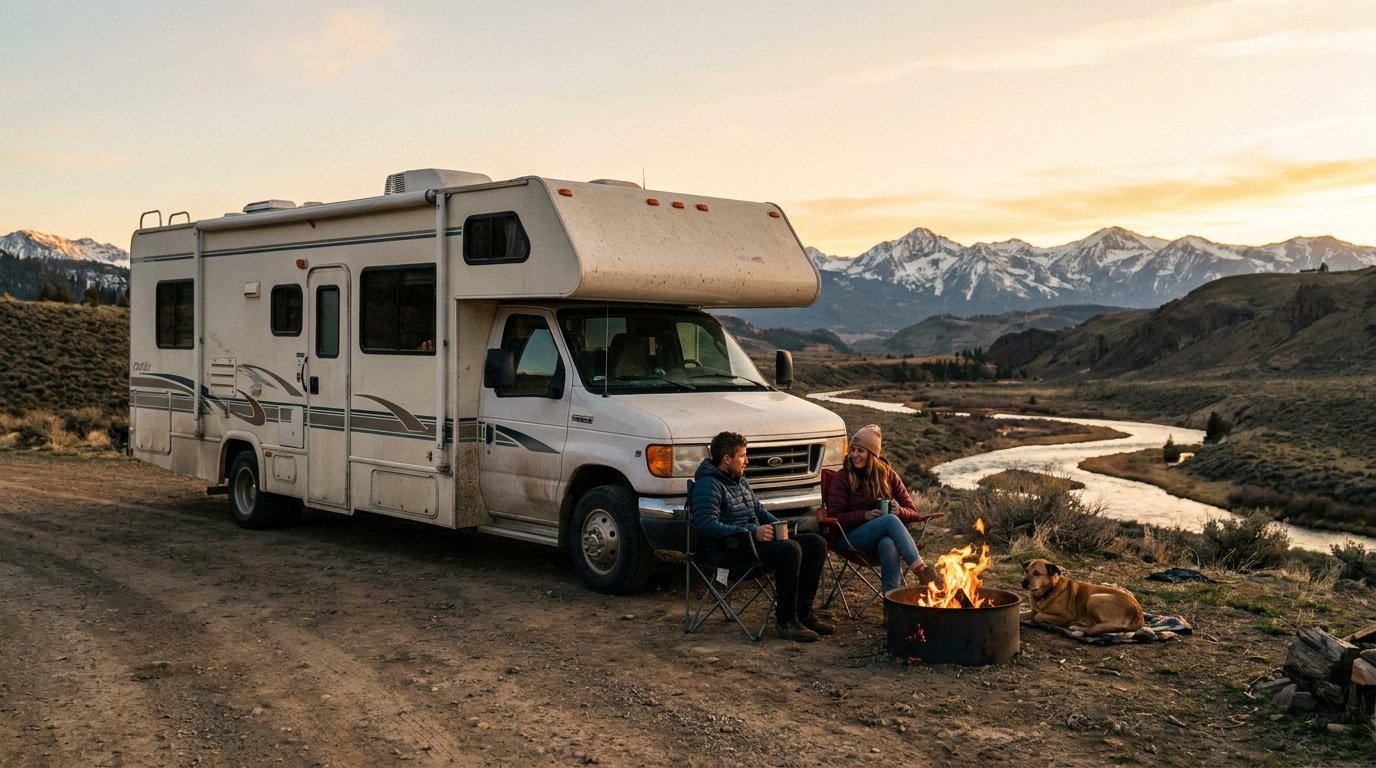
Where you park your RV can greatly affect your travel expenses.This is a key area where you can save a lot of money..
Embrace Boondocking/Dispersed Camping
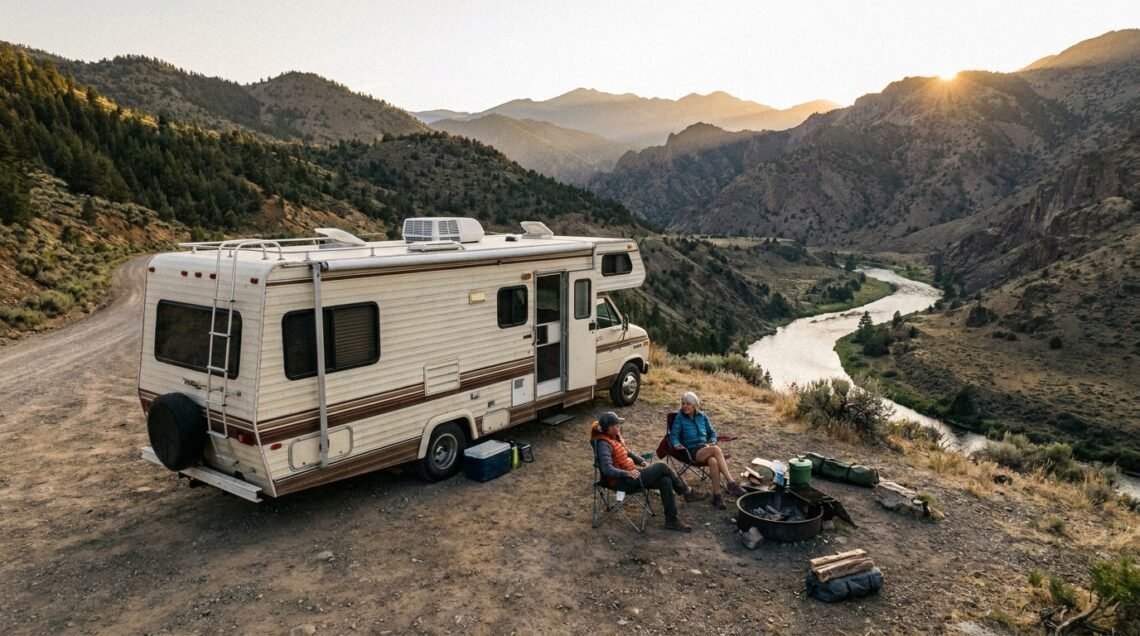
This is arguably the cheapest way to camp – it’s free. Boondocking, also known as dispersed camping, involves parking your RV on public lands (like National Forests, BLM land, or certain state parks) that don’t have hookups or amenities. You’ll need to be self-sufficient with water, power, and waste, but the savings are substantial. Just be sure to research local regulations and always practice Leave No Trace principles.
Overnight Parking Options
Many businesses allow RVers to stay overnight in their parking lots, often for free. Common options include Walmart, Cracker Barrel, Cabela’s, and some casinos. Always ask permission inside the store first, and be respectful – only stay one night, don’t put out slides or awnings, and leave no trace. This is a great option for an overnight stop between destinations.
Discount Camping Clubs
Joining clubs like Passport America, Good Sam Club, or KOA Rewards can offer significant discounts on campground fees. Passport America, for instance, often provides 50% off nightly rates at participating campgrounds. The membership fee usually pays for itself after just a few nights.
State and National Parks
Although they are not always free, campgrounds in state and national parks are usually more affordable compared to private RV parks, particularly those that provide fewer facilities.These parks also provide remarkable natural scenery and a variety of recreational activities.It is advisable to book accommodations in advance, especially during busy times of the year.
Workamping
For individuals seeking a long-term stay with significant cost savings or even free camping opportunities, workamping is an excellent option.This arrangement typically requires participants to commit a specified number of work hours, such as assisting with campground operations, park upkeep, or retail tasks, in exchange for a free campsite, and in some cases, a modest salary.It offers a great way to reduce accommodation expenses while allowing for a more immersive experience in a new location.
Managing Utilities and Supplies
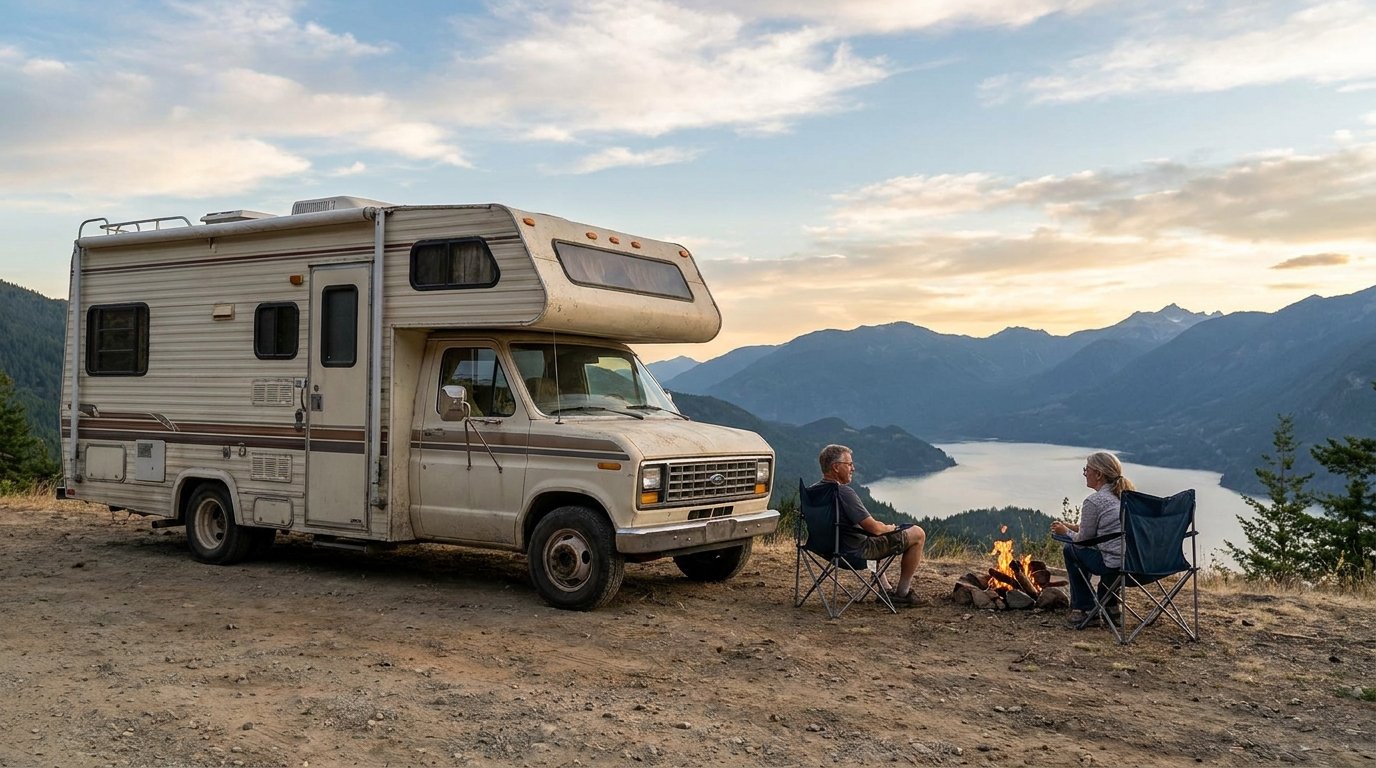
Don’t overlook the smaller daily costs that can add up. Being mindful of your usage can make a big difference.
Conserve Water and Power
When boondocking or using limited hookups, conserving water and power is crucial. Take shorter showers, turn off lights, unplug unused electronics, and avoid running energy-intensive appliances unnecessarily. A little discipline goes a long way.
Cook Your Own Meals
Eating out frequently can quickly use up your travel money.Use your RV kitchen to prepare most of your meals.Plan easy and affordable dishes, and bring food from home or buy supplies at cheap supermarkets.A portable grill can also help you cook more meals outside.
Embrace Solar Power
Investing in a solar panel setup can drastically reduce your reliance on shore power or generators, especially if you plan on boondocking. While there’s an upfront cost, the long-term savings on electricity and generator fuel can be substantial. Start with a small portable setup and expand if needed.
Use Public Facilities
Don’t be afraid to use public restrooms, showers at truck stops (often for a fee), or even laundry facilities outside of expensive RV parks. This can save on your RV’s water and waste tank capacity, allowing for longer stretches between dumping or refilling.
If you’re exploring the cheapest ways to travel in an RV, you might also find it beneficial to consider whether renting or owning an RV is the better financial choice for your adventures. Understanding the financial implications of each option can help you make a more informed decision about your travel plans. For a deeper dive into this topic, check out this insightful article on renting vs. owning an RV.
Entertainment and Activities
| Travel Option | Cost | Pros | Cons |
|---|---|---|---|
| Camping at National Parks | Low | Scenic views, nature immersion | Limited amenities |
| Boondocking on Public Lands | Low | Free, remote locations | No hookups, limited facilities |
| Using RV Memberships | Varies | Discounts, amenities | Membership fees |
| Slow Traveling | Low | Less fuel consumption | Longer travel time |
Traveling in an RV is about the experience, and many of the best experiences are free or low-cost.
Embrace Nature
Hiking, biking, swimming, fishing, and simply enjoying scenic views are often free or require only a minimal park entrance fee. National Forests, State Parks, and many public lands offer endless opportunities for outdoor recreation.
Utilize Free Local Attractions
Many towns and cities have free museums, historical sites, public gardens, or walking tours. Check local tourism websites or visitor centers for ideas. Look for festivals, farmers’ markets, or free concerts.
Pack Your Own Entertainment
Bring books, board games, cards, or musical instruments. These provide hours of entertainment without costing a dime. A good movie downloaded onto a tablet can also be a lifesaver on a rainy day.
Digital Resources
Libraries offer e-books, audiobooks, and even streaming services for free with a library card. Podcasts and free music streaming services can also keep you entertained on the road without racking up data charges (if you download them on Wi-Fi beforehand).
By being intentional about your choices and embracing a more minimalist and resourceful approach, traveling in an RV can be a surprisingly affordable and incredibly rewarding way to explore. It’s all about making smart decisions before and during your trip.
FAQs
What are some of the cheapest ways to travel in an RV?
Some of the cheapest ways to travel in an RV include boondocking (free camping on public lands), utilizing discount camping clubs, and taking advantage of free overnight parking at certain retailers or casinos.
How can I save money on gas while traveling in an RV?
To save money on gas while traveling in an RV, consider driving at a steady speed, avoiding unnecessary idling, using cruise control on highways, and keeping the RV well-maintained to ensure optimal fuel efficiency.
What are some cost-effective meal options for RV travel?
Cost-effective meal options for RV travel include cooking meals in the RV kitchen, packing non-perishable snacks and meals for the road, and taking advantage of local farmer’s markets or grocery stores to purchase fresh, affordable ingredients.
Are there any budget-friendly RV rental options?
Yes, there are budget-friendly RV rental options available through peer-to-peer rental platforms, off-peak season discounts, and booking well in advance to secure lower rates.
How can I find affordable RV campsites?
To find affordable RV campsites, consider using apps and websites that offer discounted camping options, joining camping clubs for access to member-only discounts, and exploring state and national parks for affordable camping options.