So, you’ve got your RV, or you’re dreaming of getting one. Awesome! But then comes the question: what on earth do I need to actually live in it and enjoy the freedom of the open road? It can feel a bit overwhelming with all the gadgets and gizmos out there. Let’s cut through the noise. The best RV gear is less about having everything and more about having the right things that make your travels smoother, safer, and more comfortable.
This list isn’t about fancy, unnecessary extras. It’s about the practical stuff that makes a real difference, whether you’re boondocking in the desert or parked at a full-service campground. We’ll break it down into key areas, so you can build your RV’s toolkit without feeling like you need to win the lottery.
Table of Contents
The Absolute Must-Haves: Basics You Can’t Skip
These are the foundational items that will get you going and cover most of your immediate needs as soon as you hit the road. Think of these as the “non-negotiables.”
For Hooking Up & Powering Up
Connecting to utilities is a big part of RVing, especially when you’re not off-grid. Getting these right means no frustrating power outages or water leaks when you’re trying to relax.
RV Electrical Cord (50-Amp and/or 30-Amp)
- Why you need it: RVs use specific electrical cords to connect to campsite power pedestals. You’ll likely need a 30-amp cord for smaller RVs or campers, and a 50-amp cord for larger ones. Many RVers carry both just in case, or use an adapter to connect to different hookups.
- What to look for: Make sure it’s rated for outdoor use and has a good length (30-50 feet is common). The plugs should be robust and fit securely. It’s worth investing in a quality cord from a reputable RV brand to avoid issues with power fluctuations or durability.
RV Water Hose (Potable)
- Why you need it: This is your fresh water source when you’re connected to a campsite’s water supply. Unlike your garden hose, it’s made of food-grade materials to ensure the water is safe to drink.
- What to look for: Look for a hose specifically labeled “RV” or “Potable Water” and “Drinking Water Safe.” They often come in various lengths (25-50 feet is typical). You might also want to consider a hose that coils easily for storage.
Water Pressure Regulator
- Why you need it: Campsite water pressure can vary wildly. Too high, and you risk damaging your RV’s plumbing. Too low, and you’ll have a trickle. A regulator takes the guesswork out of it and protects your pipes.
- What to look for: A simple, adjustable regulator is best. Many come with a built-in faucet for easy connection. Look for brass construction for durability.
Sewer Hose and Adapters
- Why you need it: When you need to dump your black and grey tanks, this is your lifeline. It connects your RV’s sewer outlet to the campground’s dump station.
- What to look for: Get a sturdy, reinforced sewer hose (often called a “stinky slinky”). You’ll also need a clear elbow adapter so you can see when your tanks are empty, and you’ll likely need a bayonet-style fitting for the RV end and a threaded fitting for the dump station. Many kits come with these essential parts. Some people opt for macerator pumps for easier dumping but a standard hose is the fundamental requirement.
Keeping Things Organized & Accessible
A tidy RV is a happy RV. These items help you keep your living space functional and prevent things from rattling around too much.
Wheel Chocks
- Why you need it: Crucial for safety. These wedges go under your tires to prevent your RV from rolling when it’s parked, especially on uneven surfaces.
- What to look for: Durable, heavy-duty plastic or rubber chocks are best. Make sure they’re substantial enough for your RV’s weight. Some RVers also use stabilizing jacks, but chocks are the primary safety device.
Leveling Blocks/Ramps
- Why you need it: Nobody likes sleeping on a slant. These blocks or ramps go under your tires to help you level your RV side-to-side and front-to-back.
- What to look for: Stackable plastic ramps are very popular and easy to use. You can buy them individually or in sets. Some people prefer wood blocks, but plastic is lighter and more durable for RV use. Think about how much adjustment you might need and get a set accordingly.
Entry Step Rug or Mat
- Why you need it: This keeps dirt and debris from being tracked all over your RV. It also provides some grip on your entry steps.
- What to look for: Look for something durable, weather-resistant, and easy to clean. Many are designed to attach to your existing RV steps with Velcro or clips.
Kitchen & Dining Essentials: Fueling Your Adventures
Cooking and eating in your RV can be a highlight. Having the right tools makes it enjoyable rather than a chore.
Cooking Up a Storm (or Just a Snack)
You don’t need a gourmet kitchen, but a few well-chosen items will make meal prep much easier.
Basic Cookware Set
- Why you need it: You’ll need pots and pans to cook. Since space is often limited, nesting or stackable sets are ideal.
- What to look for: A small saucepan, a frying pan, and maybe a larger pot are usually sufficient. Consider non-stick options for easier cleaning. If you have a small RV or don’t cook much, a single, versatile pan might do.
Utensil Set
- Why you need it: Spatula, stirring spoon, whisk, ladle, tongs, basic knives (chef’s knife, paring knife), and a can opener.
- What to look for: Look for durable, functional tools. Many RV-specific utensil sets are compact and designed for travel. A good sharp knife can make a big difference.
Cutting Board and Knives
- Why you need it: Essential for food prep. A small, sturdy cutting board and a couple of sharp knives will serve you well.
- What to look for: Consider a flexible cutting board that can be rolled up for storage. A good chef’s knife and a paring knife are usually enough for most RV cooking.
Dish Soap, Sponge, and Drying Rack
- Why you need it: For washing up. A small dish rack or a foldable one is helpful for drying dishes without taking up counter space.
- What to look for: Biodegradable dish soap is a good choice for RVing. A sponge or brush, and a compact drying rack are key.
Food Storage Containers
- Why you need it: To store leftovers, pack lunches, or keep ingredients fresh.
- What to look for: Stackable containers are great. Consider both reusable plastic or silicone options, and maybe some disposable baggies for convenience. Airtight containers are best for keeping food fresh.
Coffee Maker
- Why you need it: If you’re a coffee drinker, this is a no-brainer.
- What to look for: Many RVers opt for French presses, pour-over systems, or stovetop espresso makers because they don’t require electricity and are compact. Electric single-serve coffee makers are also popular if you have the power.
Dining Comfortably
It’s not just about the food, but how you eat it.
Plates, Bowls, and Cutlery
- Why you need it: You need something to eat your delicious RV meals on.
- What to look for: Melamine or durable plastic sets are popular because they’re lightweight and less likely to break than ceramic. You can also opt for reusable bamboo. Don’t forget reusable cutlery.
Mugs and Glasses
- Why you need it: For your morning coffee, evening wine, or any beverage in between.
- What to look for: Similar to plates, consider unbreakable options like acrylic or melamine. Insulated tumblers are great for keeping drinks hot or cold.
Tablecloth or Placemats
- Why you need it: Protects your RV table and adds a nice touch to your dining area.
- What to look for: Washable, durable options are best. Many RVers use elasticized tablecloths that fit snugly, or simple placemats.
Bathroom & Sanitation: Keeping Things Clean and Fresh
The bathroom in an RV is a bit different, and having the right supplies is key for comfort and hygiene.
Managing Your Waste
This is one of those areas where RVing has specific needs.
RV Toilet Paper
- Why you need it: This is NOT the same as regular toilet paper. RV toilet paper is specially designed to break down quickly in your holding tanks, preventing clogs.
- What to look for: Look for labels that explicitly state “RV Toilet Paper” or “Septic Safe.” It’s typically thinner and dissolves much faster.
Holding Tank Treatment (Black and Grey Water)
- Why you need it: These chemicals help break down waste, control odors, and improve the efficiency of your holding tanks.
- What to look for: There are various types – some are liquid, some are packets. Choose one that’s specifically for RV black and grey tanks and follow the instructions carefully. Deodorizing is a big one here.
Small Trash Can with Lid
- Why you need it: For hygiene and odor control. A lid is essential in an RV.
- What to look for: A small, foot-pedal operated can is often convenient. Make sure it has a secure lid to prevent spills and odors.
Personal Hygiene on the Go
Staying clean and comfortable is always a priority.
Quick-Dry Towels
- Why you need it: Absorbent, lightweight, and they dry much faster than traditional cotton towels, which is a huge advantage in a small, enclosed space.
- What to look for: Microfiber towels are excellent for this. They pack down small and are very effective.
Small First-Aid Kit
- Why you need it: For minor cuts, scrapes, headaches, or indigestion. You never know when you might need something.
- What to look for: A compact kit with bandages, antiseptic wipes, pain relievers, allergy medication, and any personal prescriptions is a good start.
Basic Toiletries
- Why you need it: Your standard shampoo, conditioner, body wash, toothbrush, toothpaste, etc.
- What to look for: Travel-sized options are perfect for RVs to conserve space. Consider refillable containers if you’re trying to reduce waste.
Comfort & Convenience: Making Your RV Feel Like Home
Once the essentials are covered, these items focus on making your RV living experience more enjoyable and less like roughing it.
Sleeping Soundly
A good night’s sleep is paramount.
Comfortable Bedding
- Why you need it: Your RV mattress might not be the most luxurious. Good sheets, a comforter, and pillows can make a big difference.
- What to look for: Consider breathable materials like cotton. Fitted sheets are essential for RV beds, which often have unusual shapes. Think about layering for different temperatures.
Blackout Curtains or Window Coverings
- Why you need it: For privacy and to block out unwanted light, especially if you’re camping in areas with a lot of ambient light or want to sleep in.
- What to look for: Many RVs come with basic blinds, but blackout curtains offer superior light blocking. Custom-fit reflective window coverings for the windshield and side windows are also highly recommended for insulation and privacy.
Creating a Pleasant Atmosphere
Small touches can go a long way in making your RV feel cozy.
Small Fan
- Why you need it: For air circulation, especially on warmer days or in humid climates. A fan can make a huge difference in comfort.
- What to look for: A small, portable fan that can sit on a table or mount to a wall. Some RVers prefer “box fans” for maximum airflow, while others like the oscillating type. Battery-powered or 12V fans are great for boondocking.
Basic Cleaning Supplies
- Why you need it: Keeping your RV clean is important for comfort and maintenance.
- What to look for: All-purpose cleaner, glass cleaner,broom and dustpan, and maybe a small handheld vacuum or a dust mop. Wipes are also incredibly handy for quick cleanups.
Command Hooks and Storage Solutions
- Why you need it: To maximize space and keep things organized without drilling holes.
- What to look for: Adhesive hooks, shelves, and organizers can be lifesavers for hanging towels, storing spices, or corralling small items.
Portable Hammock or Camp Chairs
- Why you need it: To enjoy the outdoors comfortably.
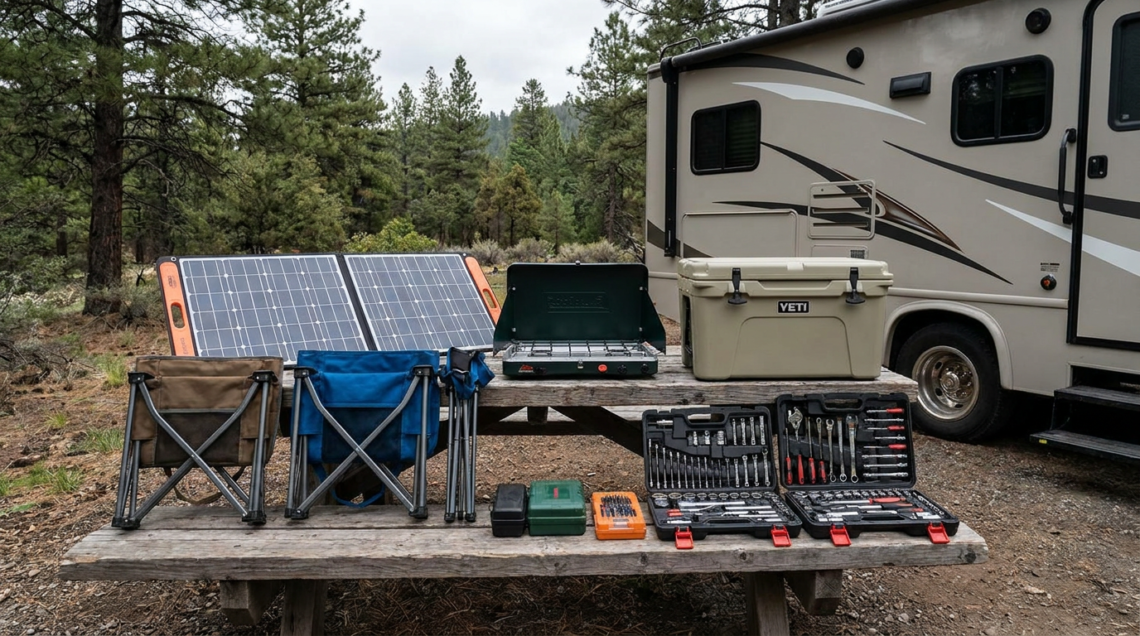
- What to look for: Lightweight, portable chairs are essential for sitting around a campfire or enjoying the view at your campsite. A hammock is a luxury for pure relaxation.
When preparing for your next adventure, having the right gear and essentials is crucial for a smooth experience in your RV. For those looking to enhance their RV maintenance knowledge, you might find the article on essential RV slide-out maintenance tips particularly helpful. This resource complements the list of best RV gear by ensuring that your vehicle remains in top shape, allowing you to enjoy your travels without unexpected hiccups.
Safety & Maintenance: Peace of Mind on the Road
These are crucial for ensuring your RV is running smoothly and that you’re prepared for potential issues.
Essential Tools for Repairs and Emergencies
You don’t need to be a master mechanic, but having these will get you out of many common jams.
Basic Tool Kit
- Why you need it: For making small adjustments, tightening loose screws, or minor repairs.
- What to look for: A set of screwdrivers (Phillips and flathead), a multi-tool, an adjustable wrench, pliers, and maybe some duct tape and zip ties.
Tire Pressure Gauge and Portable Air Compressor
- Why you need it: Maintaining proper tire pressure is critical for safety, fuel efficiency, and tire longevity. A portable compressor lets you top them up as needed.
- What to look for: A reliable digital tire pressure gauge. For the compressor, look for one that’s small, plugs into your RV’s 12V outlet, and can inflate tires to the required PSI.
Jumper Cables
- Why you need it: For jump-starting your RV’s engine or truck if it’s a motorhome, or your tow vehicle.
- What to look for: Get a set that’s long enough to reach between batteries easily. Ensure they’re rated for the amperage your vehicle needs.
Fire Extinguisher
- Why you need it: A non-negotiable safety item.
- What to look for: A multi-purpose (ABC) fire extinguisher is recommended for RVs. Make sure it’s accessible and you know how to use it.
Carbon Monoxide Detector and Smoke Detector
- Why you need it: Essential for safety, especially in an enclosed space where gas appliances are used.
- What to look for: Battery-powered units are usually sufficient. Test them regularly. Many RVs come with these installed, but ensure they are functional.
Keeping Your RV in Top Shape
Proactive maintenance will save you headaches down the line.
RV Surge Protector
- Why you need it: Protects your RV’s electrical system from power surges or brownouts at campgrounds. It’s like an insurance policy for your RV’s electronics.
- What to look for: A good surge protector will have indicator lights to show you the power quality. Don’t skimp on this; it’s one of the best investments you can make for your RV.
Leveling Jacks or Stabilizer Jacks
- Why you need it: While leveling blocks are for initial leveling, these are often used to stabilize the RV once it’s level, reducing rocking and swaying when you’re inside.
- What to look for: Many RVs have them built-in. If yours doesn’t, you can buy portable scissor jacks or stab jacks, but ensure you have the right lifting points and tools to use them safely.
Going the Extra Mile: Optional but Recommended Gear
These might not be strictly “essential,” but they can significantly enhance your RVing experience and solve common problems.
Enhancing Your Living Space
Making your RV more comfortable and functional.
Folding Ladder
- Why you need it: For accessing the roof to check on awnings, clean, or assess your RV’s condition.
- What to look for: A lightweight, collapsible ladder that can be easily stored. Ensure it’s sturdy enough for your needs.
Bug Screens and Windshield Covers
- Why you need it: Keeps bugs out of your RV, especially when windows are open. Windshield covers improve insulation, block sun, and provide privacy.
- What to look for: Custom-fit screens for windows and vents are ideal. Reflective windshield covers are very popular for better insulation and privacy.
Small Bluetooth Speaker
- Why you need it: For enjoying music or podcasts while sitting outside or inside your RV.
- What to look for: A portable, water-resistant speaker is a good choice for outdoor use.
Cooler and Ice Packs
- Why you need it: For keeping drinks and snacks cold, especially when you’re not at a campsite with hookups or for quick trips away from the RV.
- What to look for: A good quality cooler can make a big difference. Reusable ice packs are more convenient than dealing with melting ice.
Adapters and Connectors
The devil is in the details, and these small items can save you a lot of hassle.
Multiple Adapters (Electrical and Water)
- Why you need it: RV parks and campsites have different hookups. Having adapters for your electrical cord (e.g., 50-amp to 30-amp, 30-amp to 15-amp household) and water hose can be a lifesaver.
- What to look for: Don’t buy the cheapest. Get good quality adapters from reputable brands for both electrical and water connections.
Extension Cords & Hoses (Beyond RV Specifics)
- Why you need it: Sometimes your RV electrical cord or water hose isn’t quite long enough.
- What to look for: A heavy-duty outdoor extension cord and perhaps a standard garden hose can be useful for various situations around the campsite.
Pet Gear (If Applicable)
If you travel with furry friends, their needs are important too.
Pet Food Bowls (Collapsible)
- Why you need it: Space is always a premium in an RV, so collapsible bowls are ideal for easy storage.
- What to look for: Durable, leak-proof bowls that can be easily cleaned.
Pet First-Aid Kit
- Why you need it: Similar to human first-aid kits, but tailored for your pet.
- What to look for: Items like pet-specific bandages, antiseptic wipes, paw balm, and any medications your pet regularly takes.
Leash and Tie-Out
- Why you need it: For keeping your pet safe and secure at the campsite.
- What to look for: A sturdy leash and a tie-out cable designed for outdoor pets.
Final Thoughts
Building your RV gear collection is a process, not a one-time event. Start with the absolute essentials, and then add items as you encounter specific needs or discover what makes your personal RV experience better. The most important thing is to be prepared, stay safe, and enjoy the journey. Happy trails!
FAQs
1. What are the essential gear and accessories for RV camping?
Some essential gear and accessories for RV camping include leveling blocks, water hoses, sewer hoses, electrical adapters, wheel chocks, and a first aid kit.
2. What cooking essentials should I have for RV camping?
Cooking essentials for RV camping include a portable grill, cookware, utensils, cutting board, and a coffee maker. Additionally, a compact refrigerator and a cooler are also useful for storing food and beverages.
3. What safety equipment is necessary for RV travel?
Necessary safety equipment for RV travel includes a fire extinguisher, carbon monoxide and smoke detectors, emergency roadside kit, and a GPS navigation system. It’s also important to have a well-stocked first aid kit and emergency contact information readily available.
4. What are some must-have outdoor gear for RV trips?
Must-have outdoor gear for RV trips includes camping chairs, a portable table, outdoor rugs, a canopy or awning, and a portable outdoor stove. Additionally, items such as a portable hammock, lanterns, and insect repellent can enhance the outdoor experience.
5. What are some additional accessories that can enhance the RV camping experience?
Additional accessories that can enhance the RV camping experience include solar panels for off-grid power, a portable generator, a portable waste tank, and a satellite dish for entertainment. Other useful accessories may include a bike rack, outdoor shower, and a portable washing machine.