
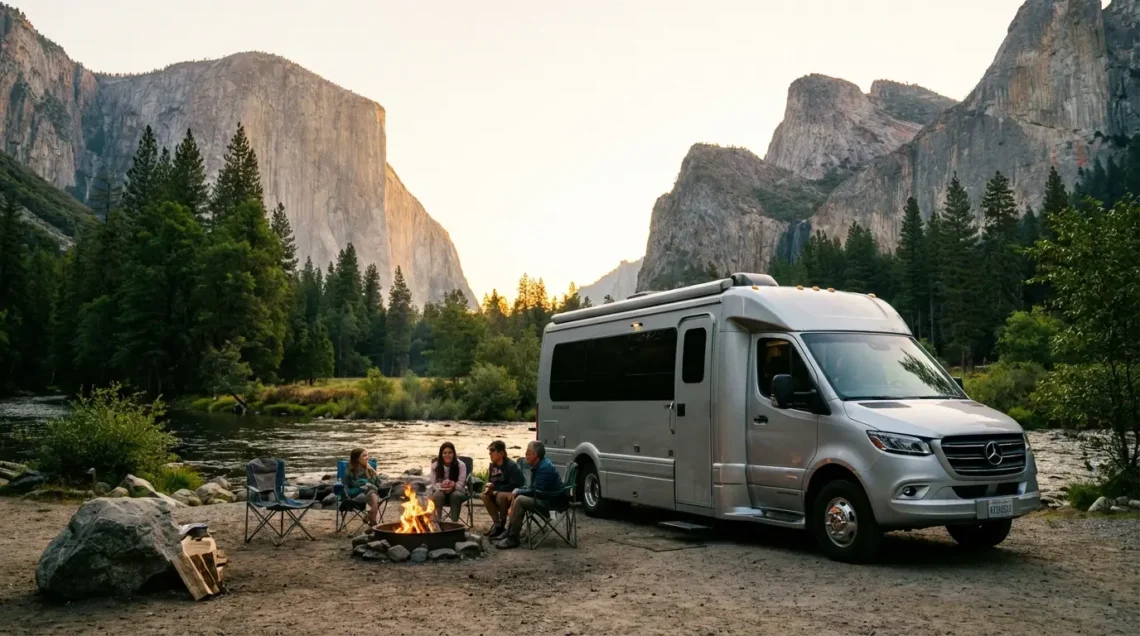
Planning your next adventure and wondering whether Renting vs Buying an RV makes more sense? This decision depends heavily on your travel frequency, budget constraints, maintenance tolerance, and long-term goals. For many people in 2026, the choice isn’t straightforward—both options offer distinct advantages and drawbacks that deserve careful consideration before committing.
The short answer: Renting an RV typically makes sense if you travel fewer than 4-6 weeks per year, prefer flexibility, or want to test the RV lifestyle before investing. Buying becomes more economical if you travel frequently, plan multi-year adventures, or want the freedom to customize your rig. However, the financials have shifted recently. Rising rental prices, increased insurance costs, and higher vehicle values mean the break-even point has moved. What worked financially in 2024 may not apply in 2026. We’ll break down both paths so you can make an informed decision aligned with your specific situation.
Understanding the RV Rental Option
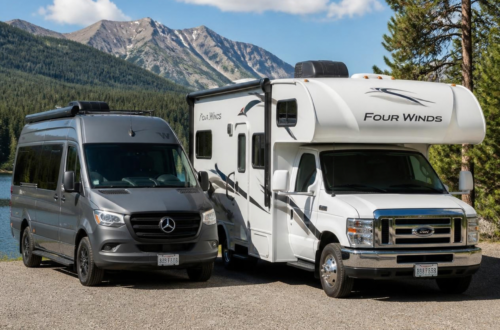
RV rental companies have become increasingly accessible across North America. You can find everything from compact Class B campervans to sprawling Class A motorhomes through platforms and local operators. The appeal is obvious: zero long-term commitment, no storage headaches, and someone else handles major repairs. When you return the rental, any mechanical issues become the company’s problem, not yours.
Rental costs vary significantly by location, season, and RV size. In peak summer months, expect to pay $150-$250 per day for a mid-sized motorhome. Off-season rates drop considerably—sometimes 30-40% cheaper during winter months. Additionally, most rental companies charge mileage fees (typically $0.25-$0.75 per mile) and impose cleaning fees, damage deposits, and insurance premiums that can easily inflate your final bill.
Advantages of Renting
- No ownership costs, maintenance responsibilities, or long-term liability
- Access to newer equipment with modern amenities and technology
- Flexibility to upgrade or downsize based on trip needs
- Comprehensive roadside assistance and support included with most rentals
- No depreciation concerns or resale headaches
- Ability to test the RV lifestyle without major financial commitment
Drawbacks of Renting
The financial reality becomes clear quickly. A two-week rental in summer easily exceeds $2,500-$3,500 before gas, campground fees, and food. Take a 10-day trip annually for five years, and you’re spending $12,500-$17,500 on temporary access. You’re also bound by rental agreements that restrict where you can travel, how many miles you can drive, and how the RV gets used.
Moreover, you can’t personalize your space. Those kitchen gadgets you want installed, the solar setup for boondocking, or your preferred bedding arrangement—none of it happens. You work with whatever configuration the rental company provides. Additionally, popular RV models book months in advance during peak seasons, limiting your spontaneity.
The Case for Buying an RV
Purchasing an RV offers freedom that rentals simply cannot match. Your vehicle becomes available whenever inspiration strikes. Want to take off for three weeks in October? No availability concerns. Want to spend the entire winter in Arizona? You’re in control. This ownership benefit extends to customization—you can add solar panels, upgrade appliances, install custom storage, or modify the interior exactly as you envision.
The financial advantage emerges over time. Buy a reliable used Class A motorhome for $40,000-$60,000, use it heavily for 5-10 years, and your annual cost per day traveled becomes significantly lower than renting. Many RV owners report that once they break the initial depreciation curve, their vehicle costs stabilize. However, 2026 market conditions matter. Used RV prices remain elevated compared to pre-2020 levels, which delays the break-even point.
Advantages of Buying
- Lower per-day costs on frequent trips after initial investment
- Full personalization and customization of interior space
- No mileage restrictions or rental agreement limitations
- Build equity and potentially resell the RV later
- Consistent vehicle you know intimately
- Option to rent out your RV on peer-to-peer platforms for income generation
Hidden Costs of Ownership
This is where many new RV buyers get surprised. Beyond the purchase price, you face registration, insurance, storage, maintenance, and repairs. Insurance for owned RVs typically ranges from $800-$1,500 annually depending on coverage and the vehicle’s value. Storage or parking fees add another $100-$300 monthly if you lack property space. Maintenance compounds quickly—a new refrigerator runs $1,500-$3,000, roof repairs easily exceed $2,000, and engine work can devastate your budget. Following six essential annual RV maintenance tasks helps prevent catastrophic failures, but the costs still accumulate.
Depreciation also cuts deep. New RVs lose 20% of their value in the first year. Used RVs depreciate more slowly, but you’re still watching your investment decline. Property tax in some states adds another layer of expense. The combination of these factors means a $50,000 RV purchase becomes a $60,000-$70,000 commitment when you factor in two years of ownership costs.
Financial Comparison: Renting vs. Buying An RV
Let’s examine the numbers realistically. Assume you plan three two-week trips annually (42 days total). Rental costs at $180 per day plus $500 for mileage and fees per trip equals approximately $4,000 yearly. Over five years, that’s $20,000 spent on temporary access.
Compare that to buying a used Class B motorhome for $35,000. Add insurance ($1,000/year), maintenance ($500-$1,000/year), storage ($150/month), and registration ($200/year). That’s roughly $4,800 annually. Over five years: $35,000 initial cost plus $24,000 in operating expenses equals $59,000 total. However, you could resell that motorhome for $20,000-$25,000, reducing your net cost to $34,000-$39,000 for five years of ownership. The per-trip economics favor buying if you travel this frequently.
The Break-Even Analysis
| Annual Travel Days | 5-Year Rental Cost | 5-Year Ownership Cost | Better Option |
|---|---|---|---|
| 14 days/year (70 total) | $14,000 | $39,000 | Renting |
| 21 days/year (105 total) | $20,000 | $39,000 | Renting |
| 42 days/year (210 total) | $32,000 | $39,000 | Close—depends on resale |
| 60 days/year (300 total) | $42,000 | $39,000 | Buying |
This table reveals the critical threshold: you need roughly 40-50+ travel days annually for ownership to make financial sense. Below that, renting preserves cash. Above that, buying becomes the economical choice. However, this analysis assumes average conditions. Market variables in 2026—fuel prices, insurance rates, and used RV inventory—will shift these numbers.
Flexibility and Lifestyle Considerations
Money isn’t the only consideration. Your lifestyle preferences matter enormously. Some travelers crave spontaneity; others prefer planning. Renters gain maximum flexibility—you aren’t responsible for storage or winter preparation. Owners gain freedom to chase sunsets on a whim. When a stunning scenic RV drive calls you, ownership means you can leave immediately without booking arrangements.
Furthermore, ownership enables boondocking and off-grid exploration. You can use boondocking apps to discover free campsites and spend weeks exploring remote areas. Rental agreements typically prohibit this. The freedom to camp wherever you choose, on your timeline, represents a fundamental lifestyle difference that pure financial analysis misses.
Consider Your Travel Style
Ask yourself: Do you prefer comfortable campgrounds with amenities, or remote wilderness locations? Will you travel solo or with family, requiring larger accommodations? Do you like switching between different vehicle types, or do you want consistency? Are you mechanically inclined and willing to troubleshoot issues, or do you need professional support?
Renters benefit from consistency and convenience. Your vehicle always works properly, always has modern features, and never requires unexpected repairs during a trip. Owners sacrifice this predictability for autonomy. Moreover, as you gain RV experience, you may reference a first RV trip checklist for renting, then decide whether ownership aligns with your evolving preferences.
Making Your Final Decision
Start by honestly calculating your annual travel days. This single metric drives the financial decision. If you’re uncertain, rent first. A season of renting teaches you invaluably about what you actually want in an RV. Many people discover they love road trips but hate the learning curve of hookups, water systems, and vehicle operation. Renting lets you confirm before investing $40,000+.
Next, evaluate your financial situation. Do you have $35,000-$50,000 available without straining your budget? Can you comfortably absorb $5,000-$8,000 in unexpected maintenance costs? If cash flow is tight, renting preserves capital for other priorities. If you have available funds and plan to travel extensively, ownership builds long-term value.
Additionally, consider your life stage. Are you planning major relocations, job changes, or downsizing in the next 5-10 years? RV ownership adds complexity to life transitions. Renting provides cleaner exits when circumstances change. Conversely, if you’re committed to the RV lifestyle for years, ownership’s advantages compound.
A practical hybrid approach exists too: rent for a year or two while you save for a down payment, then buy once you’re confident. This strategy reduces buyer’s remorse risk. You’ll know exactly what features matter, what size vehicle suits you, and whether the lifestyle genuinely appeals. By that point, you’re making an informed decision rather than gambling on an expensive purchase.
Before committing to either path, review the financial comparison between renting and owning an RV to align with your specific situation. Additionally, if you choose ownership, prepare with a comprehensive RV maintenance checklist to protect your investment long-term. Both paths offer genuine value—the best choice depends on your unique circumstances, not universal advice. For additional questions or guidance tailored to your situation, feel free to contact our team.




2 Comments on “Renting vs Buying an RV: What Makes Sense in 2026?”