So, you’re looking to buy an RV? That’s awesome! It’s a big step, and one of the most crucial things you can do before handing over your hard-earned cash is to give it a thorough inspection. Think of it as a health check for your potential new home on wheels.
Table of Contents
Why Bother with an RV Inspection Checklist?
Honestly, it boils down to peace of mind and saving yourself a potential headache (and a lot of money) down the road. RVs are complex machines, with living quarters attached to a vehicle chassis. That means there are two major systems to consider: the vehicle itself and the “house” part. A pre-purchase inspection helps you spot potential problems before you own them. It’s not about finding every tiny imperfection; it’s about identifying significant issues that could be costly to fix or even make the RV unsafe. This checklist will guide you through the key areas to look at, helping you make an informed decision.
The outside of an RV tells a big story about its life. Think of it like looking at a house’s siding and foundation. You want to see that everything is sound and has been cared for.
Body and Seals: The First Line of Defense
- Walls and Siding: Walk around the entire RV. Look for any dents, scratches, or cracks in the siding. Minor cosmetic damage is one thing, but deep gouges or significant warping could indicate underlying issues. Pay attention to the corners and seams – these are common spots for water intrusion.
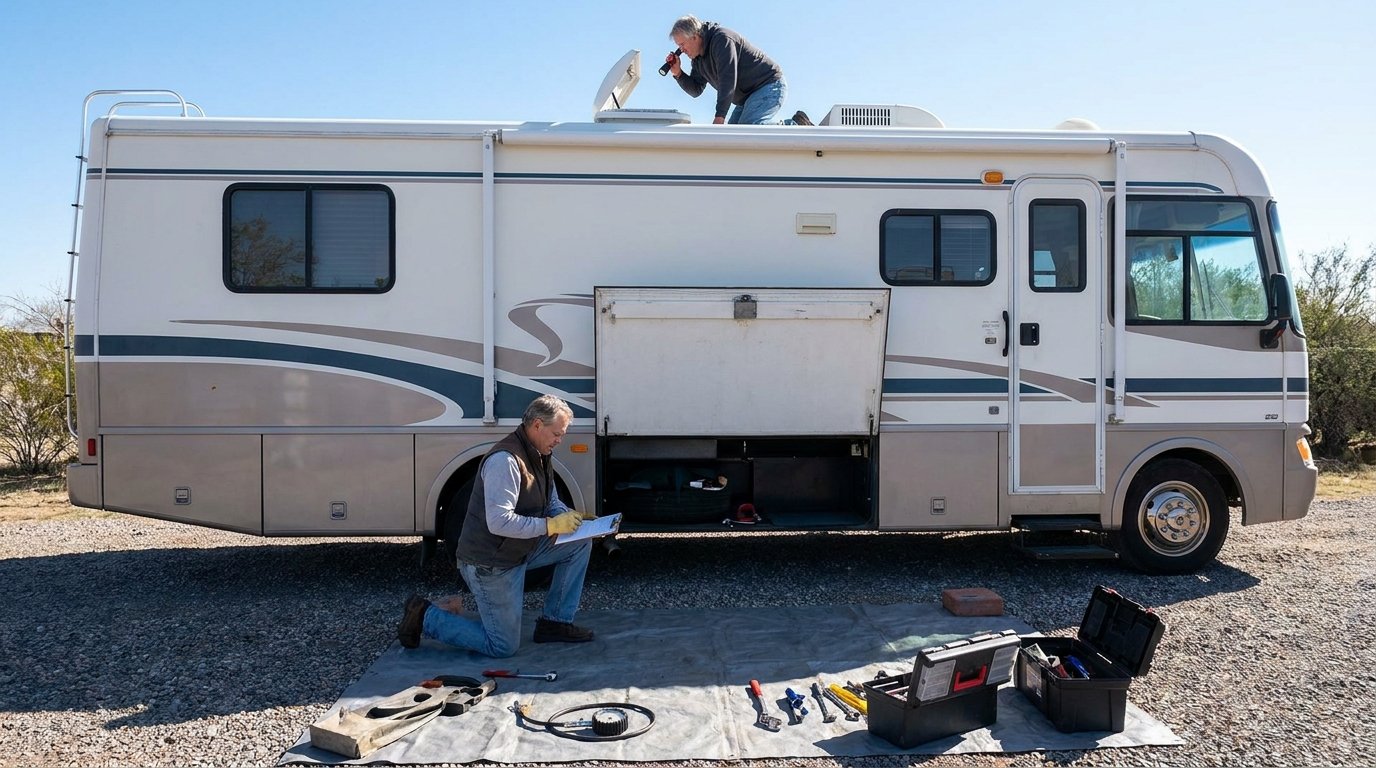
- Roof: This is arguably the most critical part of the exterior. Get on a ladder (safely!) and inspect the roof membrane. Look for any tears, bubbling, or dry rot. Check the sealant around all fixtures (vents, AC units, antennas, skylights). If the sealant looks cracked, brittle, or is peeling away, water has likely been getting in. This is a major red flag.
- Windows and Doors: Open and close all windows and doors. Do they operate smoothly? Are the seals around them intact? Look for any signs of fogging within dual-pane windows, which means the seal has failed and they’ll need replacement. Check for any damage to the frames.
- Awning: Extend and retract the awning. Does it work without issue? Look for tears in the fabric, bent support arms, or problems with the motor if it’s electric.
Undercarriage and Chassis: The Foundation of the RV
This is where you want to see strength and a lack of serious damage.
- Frame: Inspect the frame rails for any signs of rust, cracks, or bending. This is especially important for older RVs or those that may have been exposed to harsh weather or road conditions.
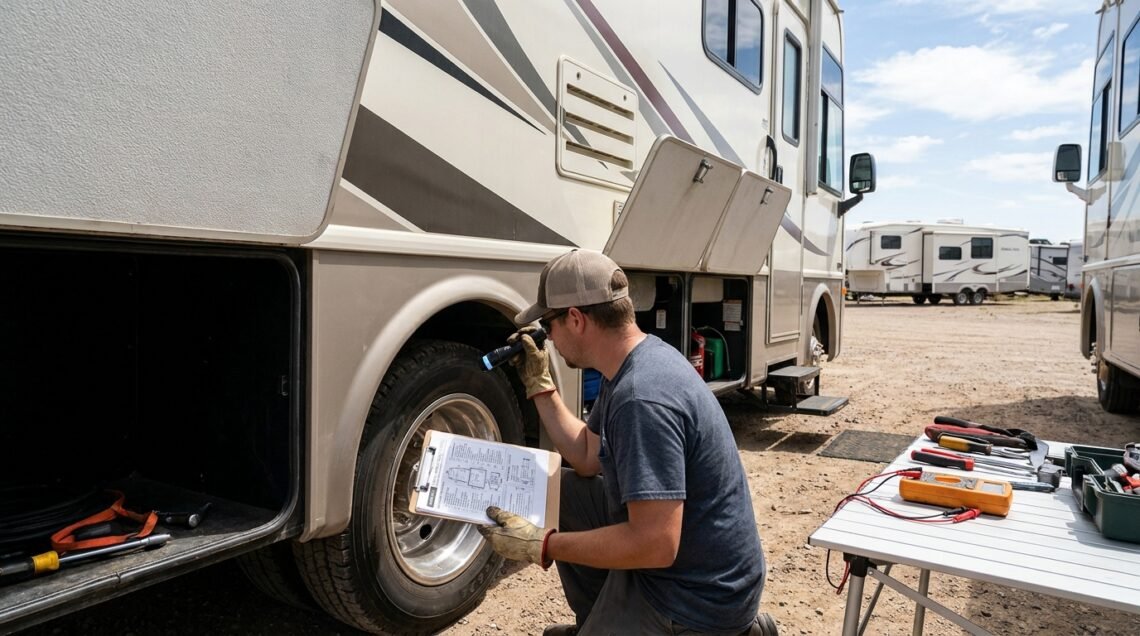
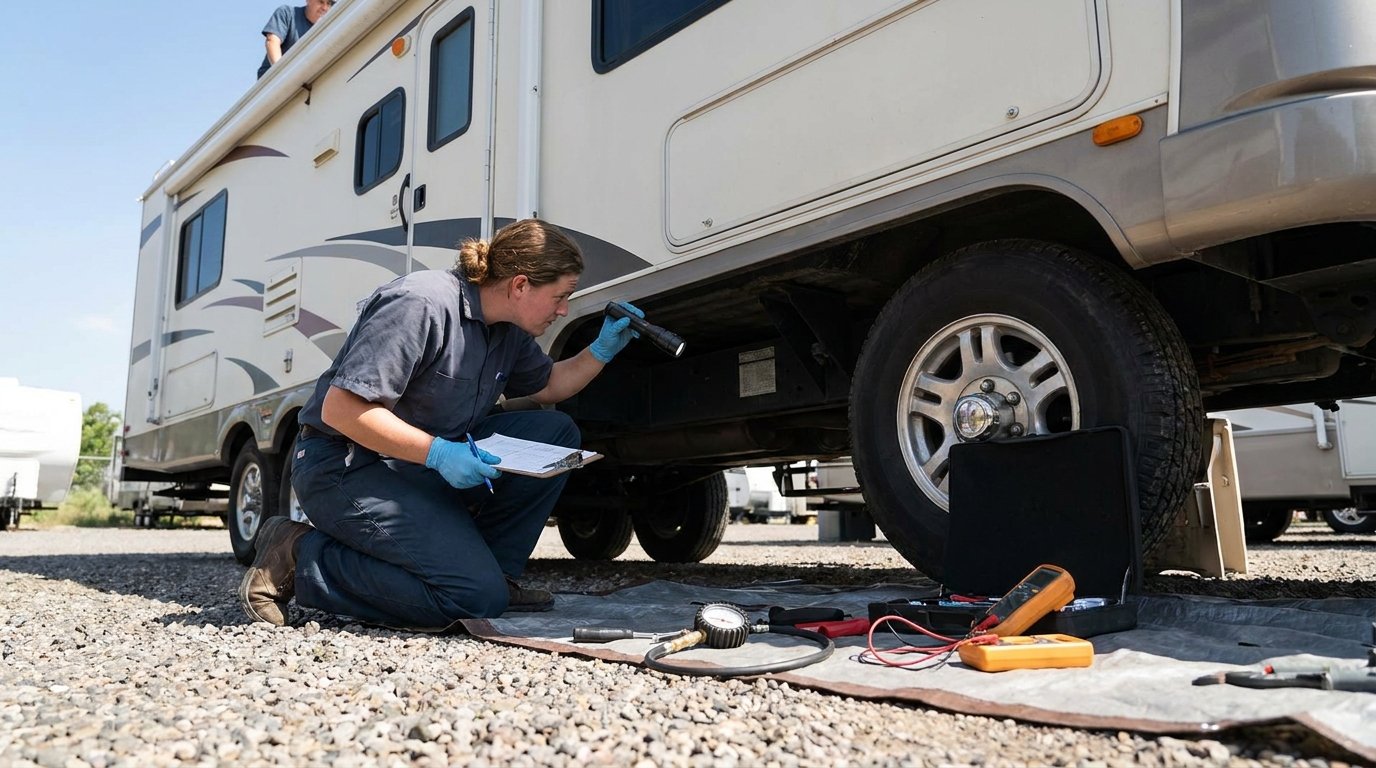
- Tires: Check the age and condition of the tires. Look for uneven wear patterns, cracks in the sidewalls, or bulges. Tires are expensive, and worn-out ones are a safety hazard. Don’t forget to check the spare!
- Suspension: While a deep dive into suspension might be for a professional, a visual inspection can reveal obvious problems. Look for any signs of leaks from the shocks or springs.
- Underside Panels: Most RVs have undercoating or protective panels. Check these for any damage, rust, or signs of rodent infestation.
Slide-Outs: A Common Source of Trouble
Slide-outs add valuable living space but can also be a point of water intrusion and mechanical failure.
- Operation: Extend and retract all slide-outs. Do they move smoothly and evenly? Listen for any grinding noises.
- Seals: Inspect the seals around the slide-outs thoroughly. When the slide is in, look at the top and sides where they meet the main body of the RV. When it’s out, examine the bottom and sides. Any signs of wear, cracking, or damage are a concern for water leaks.
- Floor: With the slide-out extended, check the floor under it for any sagging, softness, or water stains. This can indicate rot from leaks.
When considering the purchase of an RV, it’s crucial to not only have a thorough inspection checklist but also to be aware of potential maintenance issues that may arise after your purchase. One important aspect to consider is the condition of the RV’s slide-outs, which can be prone to various problems. For valuable insights on how to address these issues, check out this related article on essential tips for RV slide-out repair. This resource can help you understand what to look for and how to maintain your RV effectively.
The Interior: Living Spaces and Essential Systems
Once you’ve assessed the exterior, it’s time to step inside and see how well this RV has been maintained and how everything functions.
Appliances and Electronics: The Comforts of Home
These are the things that make RVing comfortable. Their functionality is key.
- Refrigerator: Test all modes – electric, propane, and if applicable, 12-volt. Does it cool down effectively? Check for any strange noises or odors. Look inside for any signs of mold or mildew.
- Stove and Oven: Turn on all burners and the oven. Do they ignite and heat up properly? Check for any gas leaks (you might smell something if there is).
- Microwave: Does it heat food? Are there any unusual sounds?
- Water Heater: If you can, turn it on and let it heat up. Check for hot water. Listen for any odd noises.
- Furnace: This is critical for cooler weather. Turn it on and let it run for a while. Does it produce warm air? Make sure it doesn’t smell like burning.
- Air Conditioning: Turn on the AC. Does it blow cold air? Check all zones if it has multiple units.
- Television(s) and Entertainment System: Power them up. Do they work? Test the speakers.
- Water Pump: Turn on the water pump and open a faucet. Does it prime and provide water pressure? Check for leaks around the pump.
- Generator (if applicable): If the RV has a generator, ask if it can be run. Listen for any unusual noises and check its output.
Plumbing System: Water is Life (and Potential Disaster)
A leaky RV is a rotten RV. Pay close attention here.
- Faucets and Showers: Turn on all faucets (hot and cold) and run the shower. Check for adequate water pressure. Look for any leaks under sinks or around the showerhead.
- Toilets: Flush the toilet. Does it hold water in the bowl? Check for any leaks around the base. If it’s a macerator toilet, test its operation.
- Tanks: Try to ascertain the condition of the fresh water, gray water, and black water tanks. While you can’t easily see inside them, look for any signs of leaks around the tank areas. If possible, ask about their last cleaning.
- Water Filter (if present): Check if there’s a water filter and when it was last changed.
Electrical Systems: Powering Your Adventures
Both 120V AC and 12V DC systems are important.
- Breaker Panel and Fuses: Open the breaker panel and check for any tripped breakers or blown fuses. While this doesn’t tell you if a circuit works, it’s a good initial check.
- Outlets and Switches: Test as many outlets and light switches as you can. Make sure they’re all functional.
- Battery(ies): Inspect the house batteries. Are they clean? Are the terminals corroded? If possible, ask about their age and when they were last tested.
- Shore Power Connection: If you have the ability, connect to shore power to see if the RV charges the batteries and if the 120V systems work.
- Inverter/Converter: If the RV has an inverter or converter, ask about its function.
The “House” Systems: The Living Comforts
Beyond the basic appliances, there are other systems that contribute to the livability of an RV.
Ventilation and Air Quality: Breathing Easy
Good airflow is essential for comfort and preventing moisture buildup.
- Fans: Test all vent fans (bathroom, kitchen hood). Do they work at different speeds?
- AC/Heater Vents: Ensure air is coming out of all the expected vents when the AC or furnace is running.
- Dampness and Odors: This is something you’ll pick up on just by being in the RV. Do you smell mustiness, mold, or any other unpleasant odors? These can be signs of water damage or poor ventilation.
Interior Finishes and Furnishings: The Details Matter
These are often the first things you notice and contribute to the overall feel.
- Flooring: Walk on all the flooring. Are there any soft spots, especially near slides or windows? Check for lifting or damage.
- Walls and Ceiling: Look for any stains, water marks, or delamination (where layers of material separate). Pay close attention to corners and edges.
- Cabinets and Drawers: Open and close all cabinets and drawers. Do they operate smoothly? Are the hinges and latches in good condition? Check inside for any signs of pests or water damage.
- Upholstery and Curtains: Inspect for any tears, stains, or excessive wear. Smell them – do they smell musty?
- Countertops and Sinks: Check for any chips, cracks, or delamination.
The Mechanicals: Driving the Dream
This is where the RV’s vehicle aspects come into play. If you’re not mechanically inclined, this is where a professional inspection is highly recommended.
Engine and Drivetrain: The Heart of the RV
This is critical for safe and reliable travel.
- Engine: If possible, start the engine. Listen for any unusual noises – knocking, hissing, or grinding. Check the exhaust for excessive smoke (blue, black, or white).
- Transmission: Test drive the RV (if possible). Does the transmission shift smoothly? Are there any clunks or hesitations?
- Brakes: Test the brakes. Do they feel strong and responsive? Listen for any grinding or squealing.
- Steering: Does the steering feel tight and responsive? Is there any excessive play?
- Belts and Hoses: Visually inspect belts for cracks or fraying. Check hoses for any signs of swelling, cracking, or leaks.
- Fluids: Check engine oil, coolant, brake fluid, and power steering fluid levels and condition. Look for any leaks under the vehicle.
Generator and Power Management: Off-Grid Capabilities
If you plan on boondocking, the generator is crucial.
- Generator Start-up: As mentioned before, if possible, start the generator. Listen for unusual noises, and check for smooth operation.
- Fuel Source: Understand how the generator is fueled (usually from the RV’s main tank or a separate one).
- Automatic Transfer Switch: If the RV has one, ensure it’s working correctly between shore power and generator power.
When considering the purchase of an RV, it’s essential to be well-informed about the various aspects of RV ownership. A helpful resource that complements your understanding of RV inspections is an article that explores the lifestyle associated with living on the road. You can read more about this enriching experience in the article titled “Life on the Road: Embracing the Motor Home Lifestyle” found here. This article provides insights that can enhance your appreciation of the RV life, making it easier to decide on the right vehicle for your adventures.
The Documentation and History: Knowing Its Past
| Checklist Item | Yes/No |
|---|---|
| Tires | |
| Brakes | |
| Battery | |
| Engine | |
| Fluid Levels | |
| Electrical System | |
| Appliances | |
| Plumbing | |
| Roof and Seals |
The paperwork can tell you a lot about an RV’s life.
Maintenance Records: A Proven Track Record
- Service History: Ask for any maintenance records. This can show how well the RV has been cared for, especially the engine and chassis.
- Repairs: Inquire about any major repairs that have been done.
Vehicle Identification Number (VIN): Verifying Its Identity
- VIN Check: Run a VIN check to see if the RV has any salvage titles, flood damage, or has been in major accidents.
Title and Registration: The Legal Stuff
- Clear Title: Ensure the seller has a clear title for the RV.
When considering the purchase of an RV, it’s essential to conduct a thorough inspection to ensure you’re making a wise investment. A comprehensive RV inspection checklist can help you identify potential issues before finalizing your purchase. Additionally, once you’ve acquired your RV, maintaining it becomes crucial for safe and worry-free travel. For more insights on keeping your vehicle in top shape, you can refer to this informative article on RV maintenance, which provides a detailed checklist for safe, worry-free travel.
Final Thoughts: Making the Decision
You’ve gone through a lot! Don’t feel pressured to make a snap decision.
- Test Drive: A proper test drive is essential. Drive it on different types of roads if possible. Get a feel for how it handles, brakes, and accelerates.
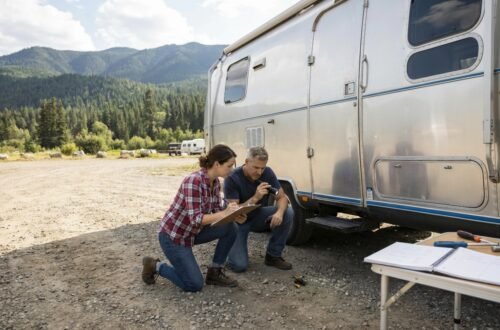
- Professional Inspection: If you’re serious about a particular RV and aren’t an expert yourself, strongly consider hiring a certified RV inspector. They have the tools and expertise to spot issues you might miss. This is a relatively small cost compared to potential repair bills.
- Negotiation: Armed with your inspection findings, you have a strong basis for negotiation. Get estimates for any necessary repairs and use that information to get a better price.
Buying an RV is an exciting journey. Taking the time for a thorough inspection is one of the smartest things you can do to ensure your adventures are filled with fun, not frustration. Happy hunting!
FAQs
What is an RV inspection checklist?
An RV inspection checklist is a comprehensive list of items and components that should be thoroughly inspected before purchasing a recreational vehicle. It includes both interior and exterior features, as well as mechanical and electrical systems.
Why is it important to inspect an RV before purchase?
Inspecting an RV before purchase is important to ensure that the vehicle is in good condition and free from any potential issues or defects. It can help buyers make an informed decision and avoid costly repairs or maintenance after the purchase.
What are some key items to include in an RV inspection checklist?
Key items to include in an RV inspection checklist are the roof, tires, brakes, electrical systems, plumbing, appliances, and overall structural integrity. It is also important to inspect for signs of water damage, mold, and rust.
Should I hire a professional to conduct the RV inspection?
It is highly recommended to hire a professional RV inspector to conduct a thorough inspection before purchasing a recreational vehicle. A professional inspector will have the expertise and experience to identify any potential issues or concerns.
What are the potential risks of not inspecting an RV before purchase?
The potential risks of not inspecting an RV before purchase include unexpected repair costs, safety hazards, and overall dissatisfaction with the condition of the vehicle. Without a proper inspection, buyers may unknowingly purchase an RV with hidden problems.