Figuring out the right RV size can feel like a puzzle, but the good news is there’s no single “perfect” answer. What size RV you really need depends entirely on your lifestyle, travel habits, and what you plan to do with your RV. Think of it less as a rigid rule and more about finding your personal sweet spot.
Table of Contents
Understanding Your Travel Style
Before you even look at RVs, take a good, honest look at how you envision your adventures. This is the bedrock of choosing the right size.
Who are you traveling with?
- Solo Adventurer: If it’s just you or perhaps a furry co-pilot, a smaller, more nimble RV might be perfectly sufficient. Think about your needs for sleeping, a small kitchen, and a bathroom. You likely won’t need extensive living space for entertaining guests, which can often be done outdoors.
- Couple’s Retreat: For two people, the options open up a bit. You might want a bit more living space to spread out, a comfortable king or queen-sized bed, and perhaps a separate dining area. Some couples prefer the easier maneuverability of a smaller rig, while others prioritize the creature comforts of something larger.
- Family Fun: Kids change everything! Suddenly, you need sleeping space for everyone, storage for their gear, and often, a larger living area for downtime. Consider bunk beds, dedicated kids’ zones, and maybe even more than one bathroom option if you’re going full-time with a larger family.
- Entertaining Friends: If you love hosting fellow RVers or bringing friends along, you’ll need ample seating, a more substantial kitchen, and potentially a bigger bathroom. This often steers people towards larger Class A motorhomes or fifth wheels.
What kind of trips are you planning?
- Weekend Warriors: If your RVing is mostly limited to short weekend getaways a few hours from home, maneuverability, and ease of setup are often key. Smaller trailers or Class C motorhomes can be great because they’re easier to park and don’t require extensive towing practice.
- Cross-Country Cruises: For extended trips, comfort and space become much more important. You’ll be living in your RV for weeks or months at a time, so having enough room to avoid feeling cooped up is crucial. Larger motorhomes or fifth wheels often offer residential-style amenities and more storage.
- National Park Hopping: Many popular national parks have length restrictions for RVs and challenging roads. If your goal is to explore these places intimately, a smaller, more compact RV is almost a necessity. You want to be able to navigate narrow roads and fit into campsites.
- Boondocking and Remote Exploration: If you plan to venture off-grid, finding a rig that’s designed for this is important. While size isn’t the only factor, consider how much water storage you’ll need, battery capacity, and how easily you can maneuver on uneven terrain. Smaller RVs can often access more remote spots.
When considering the right size RV for your adventures, it’s also important to think about the maintenance and care required to keep your vehicle in top shape. A related article that provides valuable insights on this topic is “Essential RV AC Maintenance Tips,” which offers practical advice on how to maintain your RV’s air conditioning system for optimal performance. You can read it here: Essential RV AC Maintenance Tips. This information can help ensure that your RV remains comfortable and functional, regardless of its size.
The Nuances of RV Length
RV length is probably the most noticeable difference between models, and it has a huge impact on where you can go and how easily you can manage your rig.
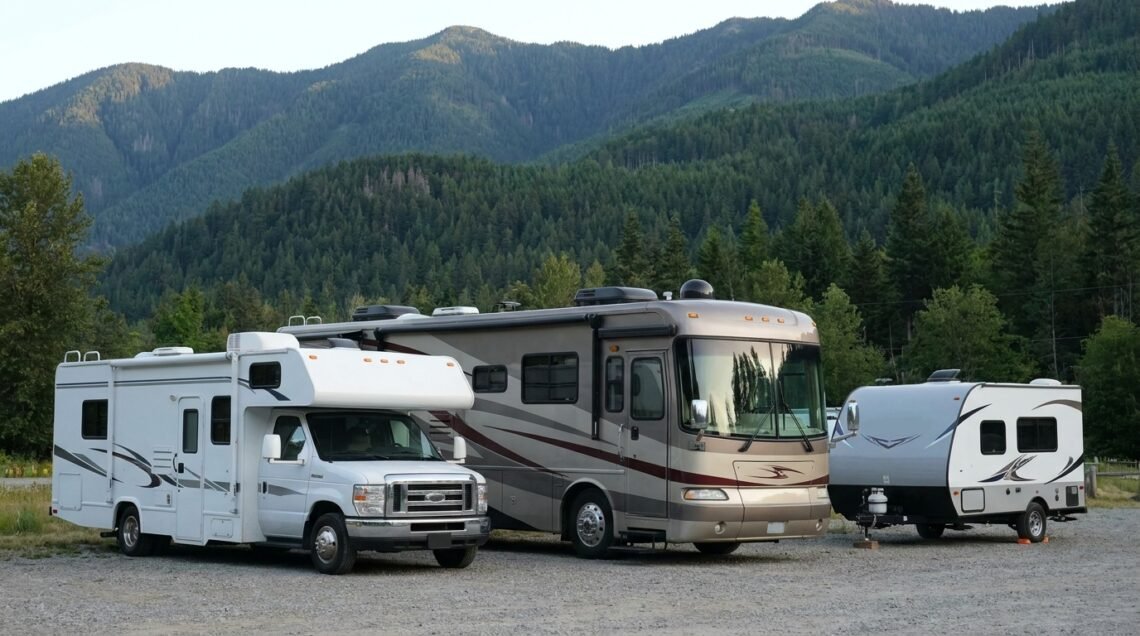
Short Rigs (Under 25 feet)
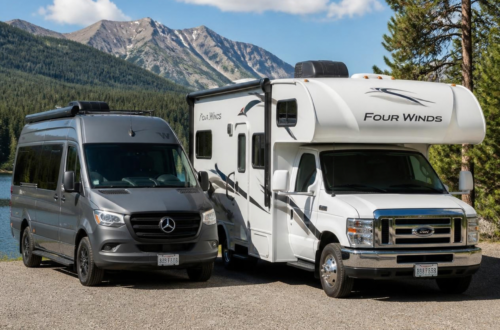
These are your compact companions. Think Class B motorhomes (camper vans), smaller travel trailers, and truck campers.
- Pros: Incredible maneuverability, easy to park in regular parking spots, often fit into smaller campsites, less intimidating to drive and tow, generally better gas mileage.
- Cons: Limited living space, minimal storage, bathrooms can be very compact, fewer sleeping options, may lack features like a full-size oven or separate shower.
- Who they’re for: Solo travelers, couples, weekend campers, those who prioritize national park access, and people who don’t want to deal with towing a large trailer.
Mid-Size Rigs (25 to 35 feet)
This is the most popular range for a reason. It offers a good balance of living space and manageability. This includes many Class C motorhomes, medium-sized travel trailers, and smaller fifth wheels.
- Pros: Decent living and sleeping space for couples or small families, more kitchen amenities, dedicated sleeping areas, more storage than shorter rigs.
- Cons: Can still be a challenge to maneuver in tight spots or busy campgrounds, towing can require more practice, may have length restrictions in some popular parks.
- Who they’re for: Couples who travel frequently, families with younger children, those who want a comfortable balance of home amenities and manageable size.
Long Rigs (Over 35 feet)
These are the “homes on wheels.” We’re talking large Class A motorhomes, longer travel trailers, and most fifth wheels.
- Pros: Most spacious living areas, residential-style kitchens and bathrooms, ample storage, often have multiple slide-outs for expanded living space when parked, can accommodate larger families or frequent guests.
- Cons: Difficult to maneuver, require significant towing experience (for trailers/fifth wheels), need larger campsites, can be restricted in many national parks and on certain roads, generally lower gas mileage.
- Who they’re for: Full-timers, those who entertain frequently, families with older children who need more personal space, people who prioritize living amenities over portability.
Width and Height Matter Too
While length gets a lot of attention, don’t forget about width and height. These dimensions can sneak up on you and cause unexpected problems.
Width Restrictions
- Standard Widths: Most RVs are designed to be around 8.5 feet (2.59 meters) wide, which is the maximum legal limit for most roads without a special permit. This is a good baseline to assume.
- Slide-Outs: When parked, many RVs have slide-outs that extend the living area. These can dramatically increase your footprint, so always be mindful of how much space you’ll need once you’re set up at a campsite. You don’t want to block neighboring sites or pathways.
- Tight Spots: Even an 8.5-foot-wide RV can feel incredibly wide on narrow city streets, winding mountain roads, or while navigating crowded campgrounds. If you plan to drive through tight urban areas or on less-developed roads frequently, consider this.
Height Limitations
- Clearing Bridges and Overhangs: This is a big one! Many motorhomes and some towable RVs can be quite tall. You need to be acutely aware of bridge clearances, low-hanging tree branches, and even drive-thru awnings. Many RVs come with height specifications clearly marked.
- Common Heights: Most Class C motorhomes are around 10-11 feet tall. Class A motorhomes can easily reach 12-13 feet or even higher, especially with roof-mounted equipment like air conditioners. Fifth wheels are often the tallest due to the gooseneck design.
- RV Parks and Drive-Thrus: While less common, some older RV parks or even certain amenities within larger parks might have height restrictions. It’s always worth a quick check if you’re unsure.
Sleeping Arrangements and Layout
The way an RV is laid out and how it accommodates sleeping is a direct reflection of its intended use and, therefore, its size.
Bed Sizes and Types
- Queen vs. King: Many larger RVs offer king-sized beds, which is a significant comfort upgrade for couples. Smaller rigs typically have queen beds, while compact units might have double or even twin beds.
- Convertible Dinettes and Sofas: Many RVs use dinettes or sofas that convert into beds. While this adds sleeping capacity, it means you lose that seating or dining space when someone is sleeping there. For full-time use or longer trips, dedicated sleeping areas are usually preferred.
- Bunk Beds: Essential for families, bunk beds are a space-saver for kids. However, they reduce overall living space unless they are in a slide-out.
Internal Layout Considerations
- Kitchen Size and Features: Do you need a full residential-style kitchen with a large refrigerator, oven, and plenty of counter space, or are you happy with a more compact setup for heating up pre-made meals?
- Bathroom Configuration: Some RVs have a combined “wet bath” where the toilet and shower are in the same small space. Others offer a separate shower stall, which is much more comfortable, but takes up more real estate. Some larger RVs even have half or full bathrooms.
- Living Area Flow: Walk around the interior of any RV you’re considering. Does the layout make sense for how you’ll use it? Is there enough room to move around without bumping into things? Is there a dedicated space for working or relaxing if needed?
When considering the right size RV for your adventures, it’s also important to think about the technology that can enhance your travel experience. For instance, exploring the latest gadgets can make your trips more enjoyable and convenient. You might find it helpful to read about some of the best technology gadgets for RV travel in this informative article. By understanding both the size of the RV you need and the technology available, you can ensure a more comfortable and efficient journey. Check out the article here for more insights.
Storage: You Can Never Have Enough
This is one of the most underestimated needs when choosing an RV size. You’ll always need more storage than you think, especially if you plan on longer trips or bringing along specialized gear.
- Exterior Storage (Basement/Pass-Through): Larger RVs, particularly fifth wheels and Class A motorhomes, often feature generous “basement” or “pass-through” storage compartments. These are fantastic for bulky items like camping chairs, grills, hoses, and seasonal gear. Travel trailers often have smaller exterior storage bins, while Class B vans have very limited exterior storage.
- Interior Cabinetry and Closets: Look at the number and size of kitchen cabinets, bedroom closets, and overhead storage. Think about where you’ll put your clothes, pantry items, bathroom supplies, and all the other essentials.
- Gear for Hobbies: Do you bring bikes, kayaks, fishing gear, or skis? These items require significant storage space, both interior and exterior. This is a strong indicator that a larger RV might be necessary.
- Full-Time Living Needs: If you’re planning to live in your RV, the storage needs are amplified. You’ll need to accommodate not just clothes, but also household items, tools, and perhaps even things you’re not ready to part with.
The Drive vs. Tow Debate (and its Size Implications)
The decision of whether to drive your RV or tow it behind another vehicle significantly influences the size of the rig you’ll consider.
Motorhomes (Class A, B, C)
- Class B (Camper Vans): Typically the smallest motorhomes, they drive like a large van and are very easy to navigate. Their size is their biggest advantage for maneuverability.
- Class C Motorhomes: Built on a truck chassis, they are larger than Class Bs and can be more challenging to drive, especially when parking. They offer more interior space and amenities.
- Class A Motorhomes: The largest, most luxurious, and often the most expensive motorhomes. They offer the most living space and residential features but are the most difficult to drive and park. They are essentially driving a bus.
Towable RVs (Travel Trailers, Fifth Wheels, Toy Haulers)
- Travel Trailers: These require a separate towing vehicle. Their size can range from very small teardrops to 40+ foot behemoths. The towing vehicle needs to be rated for the trailer’s weight and length.
- Fifth Wheels: These are typically longer and wider than travel trailers and offer more spacious interiors due to their gooseneck hitch design. They are ideal for those who want maximum living space and have a heavy-duty truck capable of towing them.
- Toy Haulers: These are essentially fifth wheels or travel trailers with a built-in garage space for ATVs, motorcycles, or other recreational gear. The garage space inherently adds to the overall length and weight, meaning you’ll need a larger RV and a more powerful tow vehicle.
Choosing between a motorhome and a towable often comes down to convenience. With a motorhome, your accommodation is also your transportation. With a towable, you can unhitch your trailer at a campsite and use your tow vehicle for local exploration – a significant advantage for many. However, larger towables offer more space for their length compared to motorhomes.
Final Thoughts: Test It Out!
The best way to figure out what size RV you really need is to experience it firsthand.
- Rent before you buy: This is hands-down the most practical advice. Rent different sizes and types of RVs for weekend trips or even a week-long vacation. See how you feel driving them, setting them up, and living in them.
- Visit RV shows and dealerships: Spend time walking through various models. Sit in the seats, open the cabinets, lie on the beds. Imagine yourself living in that space.
- Talk to other RVers: Ask people on forums, at campgrounds, or RV shows about their experiences with their RV size. What do they love? What do they regret?
Ultimately, the “right” size RV is the one that fits your life, your budget, and your adventure dreams without causing unnecessary stress. It’s a personal journey, and taking the time to honestly assess your needs will lead you to the perfect home on wheels.
FAQs
1. What factors should I consider when determining the size of RV I need?
When determining the size of RV you need, consider factors such as the number of people traveling with you, the amount of storage space required, the type of camping or traveling you plan to do, and any specific amenities or features you desire.
2. What are the different sizes of RVs available?
RVs come in various sizes, including Class A motorhomes (largest), Class B motorhomes (smallest), Class C motorhomes, travel trailers, and fifth-wheel trailers. Each size offers different features and amenities to accommodate various travel needs.
3. How does the size of an RV impact fuel efficiency and maneuverability?
Generally, larger RVs such as Class A motorhomes tend to have lower fuel efficiency and may be more challenging to maneuver, especially in tight spaces or on narrow roads. Smaller RVs like Class B motorhomes and travel trailers are typically more fuel-efficient and easier to maneuver.
4. What are the sleeping and living space considerations for different RV sizes?
Larger RVs often offer more sleeping and living space, with amenities such as separate bedrooms, larger kitchens, and spacious living areas. Smaller RVs may have more compact sleeping and living areas, suitable for smaller groups or couples.
5. How can I determine the right size RV for my needs?
To determine the right size RV for your needs, consider your travel preferences, the number of people in your group, your budget, and the type of camping or traveling you plan to do. It may also be helpful to visit RV dealerships to see different sizes in person and get a feel for the space and amenities available.