
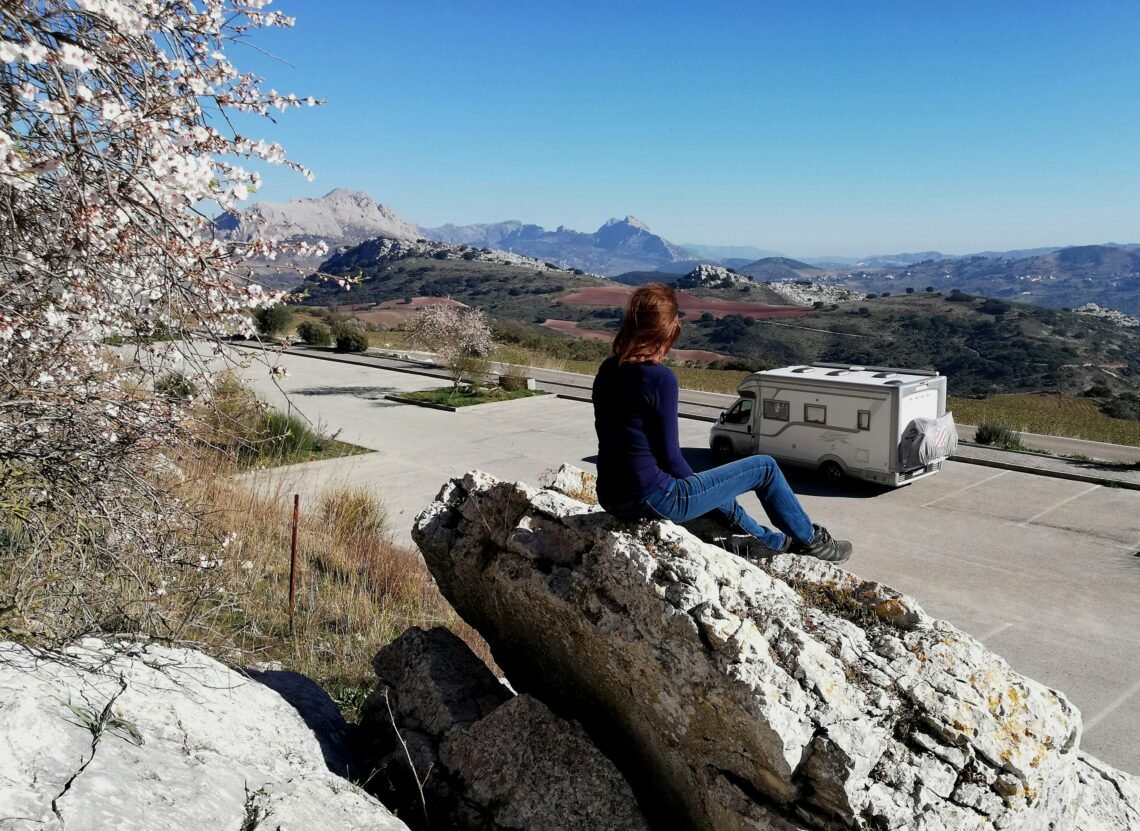
Embracing the mobile lifestyle can be a great way to experience more freedom and adventure, but it’s not always as simple as it looks in the brochures. It’s a lifestyle choice that requires some practical adjustments and a good dose of resourcefulness. If you’re thinking about ditching the sticks and bricks for life on wheels, here’s a realistic look at what’s involved.
Most people picture endless sunsets and spontaneous detours when they think of motor home life. While those moments are definitely part of it, the day-to-day reality involves a lot of planning, problem-solving, and understanding the limitations of your rolling home. It’s less about escaping responsibility and more about managing it differently.
Table of Contents
What “Freedom” Actually Means
The freedom associated with motor home living often refers to the ability to change your scenery, visit new places, and potentially escape the routines of traditional housing. However, this freedom is often tied to logistics. You can go where you want, but you need to make sure you have a place to park, access to water and waste disposal, and a way to sustain yourself.
Navigating Permanent vs. Temporary Residence
Deciding whether to embrace full-time motor home living or use it for extended travel significantly impacts your approach. Full-timers need to grapple with more permanent questions like mail, healthcare, and vehicle registration. Travelers might maintain a more conventional home base, making logistics simpler.
Downsizing Your Possessions
One of the biggest adjustments is drastically reducing the amount of “stuff” you own. If you’re moving into a motor home, there’s simply no room for a garage full of tools, a basement full of seasonal decorations, or an attic full of memories packaged in cardboard boxes. Every item needs to justify its existence based on its utility and space within your limited living area.
Strategies for Decluttering
Before you even think about buying a motor home, start decluttering your current living space. Organize items into categories: keep, sell, donate, and discard. Be ruthless. Think about what you’ve used in the past year, what truly brings you joy, and what you can comfortably live without.
The “Just-in-Case” Mentality
This is a hard one for many. The “just in case” items that clutter traditional homes are a luxury you likely can’t afford. Repairing something yourself with that obscure tool you might need once a decade? Probably not feasible. It’s often more practical to buy a replacement or hire someone if needed, rather than storing infrequently used items.
If you’re considering living in a motor home, it’s essential to find the best places to park and camp for free. A great resource for this is the article on boondocking apps, which can help you discover numerous free campsites across the country. You can read more about it in this informative piece: The 6 Best Boondocking Apps for Finding Free Campsites. This guide will enhance your motor home living experience by ensuring you have access to beautiful and budget-friendly locations.
Practicalities of the Road
Living in a motor home isn’t just about seeing the sights; it’s about managing the mechanics of your home on a constant basis. This involves understanding your vehicle, its systems, and how to maintain them on the go.
Your Motor Home is Your Home and Your Vehicle
This dual nature is the core of motor home living. You’re not just living in a house; you’re piloting a machine. This means regular maintenance is absolutely critical, and you need to be aware of how your vehicle’s status affects your living situation.
Basic Vehicle Maintenance
Knowing how to check your oil, tire pressure, and coolant is essential. You can’t just call a landlord for a flat tire. Understanding basic engine diagnostics can save you a lot of money and stress if you can troubleshoot minor issues yourself.
Understanding RV Systems
Beyond the engine, your motor home has complex internal systems: water, electrical, and waste. You need to understand how they work, how to operate them efficiently, and how to troubleshoot common problems. This includes managing your water tanks, batteries, propane levels, and sewage.
Finding Places to Stay
This is arguably the biggest logistical challenge. You can’t just park anywhere. Understanding the different types of places you can stay and how to secure them is crucial for a smooth experience. One app that will help you with find great sites is Harvest Host.
Campgrounds and RV Parks
These are the most common options. They offer hookups for water, electricity, and sewer, which are essential for longer stays or when you need to replenish your supplies. They also provide amenities like showers, laundry, and sometimes even pools. Researching and booking spots in advance, especially during peak seasons, is often necessary.
Boondocking and Dispersed Camping
This refers to parking and camping in undeveloped areas without hookups. It offers incredible solitude and often free or very low-cost stays. However, it requires a significant understanding of self-sufficiency, including managing your power and water usage, and ensuring you leave no trace.
The Rules of Parking
Every location has different rules about overnight parking. Cities, businesses, and even some campgrounds have regulations you need to be aware of to avoid tickets or being asked to leave. This often involves researching local ordinances or asking permission.
Financial Considerations

Motor home living can be presented as a cost-saving measure, and it certainly can be, but it requires careful budgeting and understanding of the expenses involved. It’s not necessarily cheaper than traditional housing, just different.
The Cost of Ownership
Buying a motor home is a significant investment, and that’s just the beginning. There are ongoing costs to consider.
Purchase Price and Depreciation
New motor homes lose value rapidly, similar to cars. Used models can be a more budget-friendly entry point, but they may require more maintenance.
Insurance
Insuring a motor home, especially if you’re living in it full-time, can be more expensive than insuring a standard vehicle or even a home. Policies vary wildly, so carefully compare quotes and coverage.
Maintenance and Repairs
This is a big one. Unlike a house where you might call a plumber for a leak, in an RV, you’re often responsible for repairing both the vehicle and the living systems. Parts and specialized labor can be costly. Budget for regular maintenance, unexpected repairs, and potential upgrades.
Ongoing Expenses
Beyond ownership costs, there are daily and recurring expenses that need to be managed.
Fuel
Motor homes, particularly larger ones, are not fuel-efficient. This can be a substantial ongoing cost, depending on how much you travel.
Campsite Fees
While boondocking can be free, the convenience and amenities of RV parks and campgrounds come with a price. These fees can add up quickly, especially if you’re staying in popular or expensive areas.
Utilities
While you’re not paying a traditional utility company for a fixed address, you’ll be managing propane for heating and cooking, electricity (either from your generator, shore power, or solar), and managing your water and waste.
Communication and Internet
Staying connected requires planning. Reliable internet access is crucial for many, and it can be a recurring cost, whether through mobile hotspots, satellite internet, or campground Wi-Fi.
Potential Savings
If managed strategically, motor home living can lead to savings in certain areas.
No Property Taxes or HOA Fees
You eliminate property taxes and homeowners association fees, which can be significant in traditional housing.
Reduced Utility Bills (Potentially)
While you have propane and potentially generator costs, you might spend less on grid electricity or water if you’re mindful of your usage and utilize free camping.
Minimal Consumption
The confined space often leads to a more conscious approach to consumption. You’re less likely to buy impulse items or accumulate things you don’t truly need.
Daily Life and Routines

Life on the road is a constant adjustment, and establishing routines that work for you is key to maintaining sanity and comfort.
Setting Up and Breaking Down Camp
When you move locations, there’s a process involved. It’s not just packing a bag. You need to secure everything inside, disconnect hookups, drive, find your new spot, and then set up again. This can take time and effort.
The Art of Securing Your Belongings
Before you drive, everything in your motor home needs to be stowed securely. Loose items become projectiles when you’re on the road. This means dedicated storage solutions and a habit of putting things away.
Managing Utilities at New Locations
Arriving at a new spot means understanding how to connect to power, water, and sewer hookups if available. If boondocking, it means assessing your resource levels and planning accordingly.
Food and Cooking
Cooking in a motor home is often done in a compact kitchen. It requires planning and adapting your culinary style.
Meal Planning and Prep
With limited refrigerator and freezer space, meal planning is essential. You can’t just pop to the grocery store every night. Prepping ingredients or meals before you leave a campground can save time and effort.
Propane Management
Propane powers your stove, oven, and often your refrigerator. Keeping track of your propane levels and knowing where to refill is important, especially in more remote locations.
Personal Hygiene and Sanitation
These are basic human needs that require specific considerations in an RV.
Water Conservation
Water is a precious resource in a motor home. Short showers, using gray water for non-potable purposes, and being mindful of water usage for dishes and flushing are crucial.
Waste Disposal
This is a core aspect of RV life. You have black tanks for sewage and gray tanks for sink and shower water. Knowing how to properly empty these at designated dump stations is a non-negotiable skill.
Battery and Power Management
Your RV runs on battery power when not connected to shore power. This includes lights, pumps, and outlets. Learning to manage your battery levels, understanding your inverter, and potentially using solar panels to supplement your power is key to avoiding a dead battery.
Living in a motor home can be an exciting adventure, offering the freedom to travel while enjoying the comforts of home. One essential aspect to consider for a comfortable experience is having a reliable water heating system. For those interested in upgrading their RV’s amenities, you might find valuable insights in this article about the best options available for tankless water heaters. These systems not only save space but also provide an endless supply of hot water, making your travels even more enjoyable.
The Social and Emotional Aspects
| Location | Number of people living in motor homes | Percentage of population |
|---|---|---|
| United States | 1,000,000 | 0.3% |
| Canada | 200,000 | 0.5% |
| Australia | 150,000 | 0.7% |
It’s not all about mechanics and money. The emotional and social shifts of motor home living are significant and often overlooked.
Connection and Loneliness
While the road offers freedom, it can also lead to isolation. You’re often far from established social circles and may miss spontaneous interactions.
Building Community
Finding fellow RVers and connecting with them can be a great way to combat loneliness. RV rallies, online forums, and simply striking up conversations at campgrounds are good starting points.
Maintaining Relationships
Staying in touch with friends and family requires a conscious effort. Regular calls, video chats, and planning visits can help.
Adapting to Change
The hallmark of motor home living is constant change. New places, new people, and new challenges are the norm.
Embracing the Mobile Lifestyle Uncertainty
There will be times when plans go awry. Weather can change, mechanical issues arise, or your intended campsite might be full. Developing flexibility and a positive attitude towards unexpected events is vital.
Finding Your “Home” Base
Even when traveling, people often gravitate towards certain types of locations or find a few favorite spots. This can provide a sense of grounding within the nomadic lifestyle.
The Learning Curve
There’s a steep learning curve with motor home living. You’ll make mistakes, and that’s okay. The key is to learn from them and keep moving forward. It’s a continuous process of discovery and adaptation.
Motor home living offers a unique path for those seeking a different way to experience life. It’s not for everyone, and it demands a practical, adaptable, and resourceful mindset. By understanding the realities and preparing for them, you can make this adventurous lifestyle a fulfilling one.


5 Comments on “Embracing the Mobile Lifestyle: Living in a Motor Home”