When you’re out on the open road in your RV, the last thing you want to worry about is the security of your home on wheels. We all want that peace of mind, whether we’re parked at a bustling campground or enjoying a quiet night under the stars. So, what RV security upgrades actually make a difference? It boils down to a few key areas: making your RV harder to get into, knowing if someone does try, and making yourself and your belongings less of an easy target. Let’s dive into some practical steps that genuinely boost your RV’s security.
First impressions can go a long way, even for potential thieves. The goal here is to make your RV appear less appealing and more problematic to break into. It’s about sending a clear signal that your rig is protected and not an easy smash-and-grab opportunity.
Table of Contents
Stronger Door and Window Locks
The standard locks that come on RV doors and windows often aren’t the most robust. They can be flimsy and relatively easy to pry open or bypass. Upgrading these is one of the most straightforward and impactful security measures you can take.
Deadbolts: The Classic Security Staple
Adding a good quality deadbolt to your RV door is a no-brainer. This isn’t about replacing the existing lock, but adding a secondary, more secure lock.
Choosing the Right Deadbolt
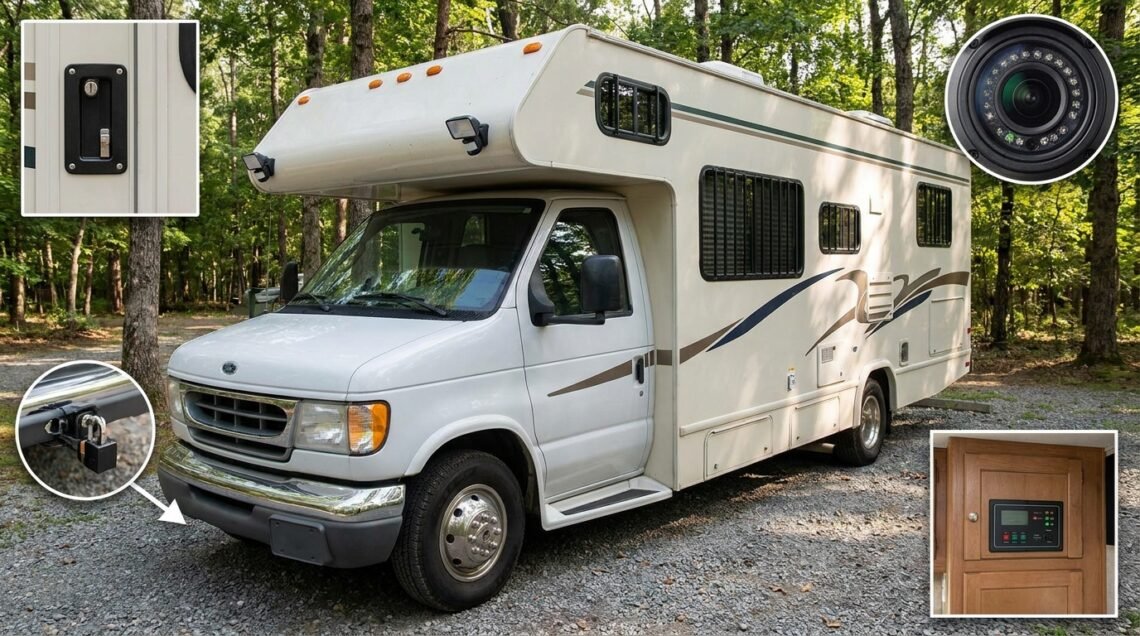
Look for deadbolts with at least a 1-inch throw bolt. The material is also important; solid brass or hardened steel is preferable to softer metals that can be easily snapped. Consider a deadbolt with a good quality cylinder that resists picking. Many RV-specific deadbolts are designed for easy installation and can be operated from both the inside and outside.
Installation Tips
Proper installation is crucial. Ensure the deadbolt strikes are securely anchored into the RV’s frame, not just thin paneling. Reinforcing the door frame with metal plates can further enhance resistance to prying. If you’re not comfortable with DIY, a mobile RV technician can often install these for you professionally.
Window Locks: Don’t Forget Them
While less obvious than main entry points, windows are also vulnerable. Many RV windows have simple latches that can be easily forced.
Secondary Window Latches
Consider aftermarket window locks that add an extra layer of security. These can range from simple sliding bolts to more sophisticated locking mechanisms. Some attach to the window frame itself, preventing it from being opened beyond a certain point.
Covering Window Access
For some windows, especially those at ground level or easily accessible, consider security film. This is a transparent film applied to the glass that makes it much harder to shatter. While it won’t prevent entry entirely, it will significantly slow down a determined intruder and make a lot of noise if they try to smash it.
Enhancing Entrance Security
Beyond just the locks, think about the overall integrity of your entry points.
Door Reinforcement
The door itself and its surrounding frame are often made of less solid materials than you might find in a house. Reinforcing these areas can make a big difference.
Strike Plate Reinforcement
The strike plate is the metal piece on the frame that the deadbolt latches into. Standard RV strike plates are often thin and can be pulled out of the frame. Upgrading to a heavy-duty, reinforced strike plate that is securely bolted to the coach’s structure provides much greater resistance to kicking or prying.
Door Frame Strengthening
For ultimate security, consider reinforcing the door frame itself. This could involve adding metal braces or even a full door security bar that braces against the floor when engaged. This is a more involved modification, but it offers a significant increase in resistance.
Keyless Entry Systems
While not strictly a “deterrent” in the traditional sense, a good keyless entry system can be a deterrent to casual opportunists.
Benefits of Keyless Entry
Having a keypad entry means you don’t have to fumble for keys, and you can issue temporary codes if friends or family need access. More importantly, some higher-end systems include features like auto-locking and notification alerts if the system is tampered with.
What to Look For
Choose systems designed for outdoor use, with weather-resistant keypads. Look for features like programmable user codes, lockout modes after multiple failed attempts, and reliable battery backup.
When considering RV security upgrades that actually matter, it’s essential to explore the latest technology that can enhance your travel experience. A related article that delves into some of the best technology gadgets for RV travel can be found at this link. This resource highlights innovative devices that not only improve safety but also add convenience, making your adventures more enjoyable and secure.
Detection: Knowing When Something’s Amiss
Deterrence is great, but sometimes you need to know if someone is trying to get in, even if they don’t succeed. Detection systems alert you to potential intrusions, giving you time to react.
Motion Sensors and Alarms
These are active systems designed to alert you and/or others when movement is detected in or around your RV.
Interior Motion Sensors
Placing motion sensors inside your RV can be a very effective way to detect an intruder if they manage to bypass your exterior defenses.
Strategic Placement
Position sensors to cover common entry points and main living areas. Avoid placing them directly facing heating vents or windows that experience significant temperature fluctuations, as this can cause false alarms. Most RV security systems come with one or two motion sensors, and you can often add more.
Alarm Types
Consider the type of alarm you want. Some systems emit a loud siren from the RV itself, which can scare off an intruder and alert nearby campers. Others can send notifications to your smartphone, allowing you to assess the situation remotely.
Perimeter and Entry Sensors
These are designed to detect if a door or window is opened.
Magnetic Contact Sensors
These are the most common type. They consist of two parts: a magnet and a sensor. When the magnet is within a certain proximity to the sensor, the circuit is complete. If the door or window is opened, the magnet moves away, breaking the circuit and triggering the alarm.
Sensor Placement
Apply these to all entry doors and accessible windows. They are discrete and relatively easy to install. Ensure they are aligned correctly so the magnet and sensor are close enough when the entry point is secured.
Smart Home Technology Integration
Many modern RV security systems can connect to your smartphone, offering a more sophisticated level of monitoring and control.
Smartphone Alerts
Receiving instant notifications on your phone when a sensor is triggered is invaluable. This allows you to check security camera feeds or contact authorities if necessary, even when you’re away from your RV.
Remote Access and Control
Some systems allow you to arm and disarm your alarm remotely, check the status of sensors, and even view live camera feeds from anywhere with an internet connection. This offers peace of mind when you’re out for a hike or dinner.
Integration with Existing Systems
If your RV has a built-in security system, explore its capabilities for upgrades or integration with third-party smart security devices. Sometimes, the existing infrastructure can be enhanced rather than completely replaced.
Visibility: Making Intruders Feel Watched

The thought of being seen is often enough to deter someone. Enhancing the visibility around your RV can make potential intruders think twice.
Lighting Solutions
Beyond campground lights, strategic lighting can make a big difference.
Motion-Activated Exterior Lights
Installing motion-activated lights around the perimeter of your RV can startle away would-be thieves and make it harder for them to approach unseen.
Placement Considerations
Think about areas that are naturally dark or provide cover. Floodlights that cover a wide area are good, but consider their impact on other campers. Aim for focused lighting that illuminates your immediate surroundings without causing excessive light pollution.
Power Sources
Many RVs can power these lights directly from the coach’s electrical system. Some smaller, solar-powered options are also available and are great for off-grid applications.
Security Cameras
This is a powerful tool for both deterrence and evidence gathering.
Visible Security Cameras
Even dummy cameras can have a deterrent effect, but functional cameras are far more effective. Installing visible cameras can make a potential thief feel like they are being watched and recorded.
Camera Types and Features
Consider cameras with good night vision capabilities so they are effective in low light. Wide-angle lenses are also beneficial to cover more area. Look for cameras that offer local storage (SD card) or cloud storage for recorded footage.
Discreet vs. Obvious Placement
While obvious cameras act as a deterrent, sometimes discreetly placed cameras are better for capturing clear footage without tip-offs. Think about mounting them under awnings, integrated into existing fixtures, or disguised as common RV accessories.
Recording and Playback
The ability to record and review footage is critical.
Local versus Cloud Storage
Local storage on an SD card is good for simpler systems, but cloud storage offers the advantage of off-site backup. This means if the RV is stolen, the footage isn’t lost with it. Choose a system that offers reliable recording and easy playback.
Live Streaming Capabilities
Being able to check live feeds from your smartphone adds another layer of security and peace of mind, allowing you to actively monitor your RV.
Asset Protection: Safeguarding Your Valuables

Even with strong physical security and detection systems, it’s still wise to protect your most valuable possessions.
Secure Storage Solutions
Think about where you keep your portable valuables.
Safes and Lockboxes
For smaller, high-value items like passports, jewelry, or extra cash, a small safe or lockbox is essential.
RV-Specific Safes
Many RV manufacturers offer small, in-wall safes as an option. If yours doesn’t, there are many portable safes that can be bolted down or secured within a cabinet.
Choosing the Right Safe
Consider the size needed, the mounting options, and the type of locking mechanism (key, combination, or electronic). Ensure it’s securely fastened so it can’t be easily removed.
Locking Down Larger Items
For larger electronics or outdoor gear, consider how you can secure them when you’re not around.
Cable Locks and Security Cables
Use sturdy cable locks to secure items like bicycles, generators, or even flat-screen TVs to anchor points within the RV. These are not foolproof but will deter a quick grab.
Integrated Storage Security
Many RVs have cabinets and drawers. While standard locks are often flimsy, consider upgrading to more robust latches or even small padlocks for critical storage areas where you keep sensitive items.
Electrical and Gas System Security
| Security Upgrade | Effectiveness |
|---|---|
| Alarm System | High |
| Deadbolt Locks | High |
| Security Cameras | Medium |
| GPS Tracking Device | High |
| Window Bars | High |
Don’t overlook the security of your RV’s essential utilities.
Propane Tank Security
Propane tanks can be targets for theft, especially if they are easily accessible.
Locking Mechanisms for Propane Tanks
Many RVs have systems to secure propane tanks. Ensure yours is properly engaged. You can also purchase aftermarket locking brackets that provide an added layer of security.
Visual Deterrence
Consider a visual deterrent like a bright, sturdy chain or cable looped around the tanks and secured to the RV chassis. This makes them look like a lot more effort to steal.
Generator Security
Generators are often a significant investment and a target for thieves.
Secure Mounting and Tethering
Ensure your generator is securely mounted to the RV chassis or a dedicated generator slide-out. Use heavy-duty security cables or chains to tether it to prevent it being easily lifted and carried away.
Generator Enclosure Security
If your generator is housed in an enclosure, ensure the enclosure itself is robust and the latches are secure. Consider adding a padlock to the enclosure when the generator is not in use.
In conclusion, enhancing your RV security is about layering different strategies. It’s not about one single fix, but a combination of making your rig less appealing to criminals, having systems in place to detect intrusion, making yourself visible, and taking steps to protect your valuable assets. By focusing on these practical upgrades, you can significantly increase your peace of mind and enjoy your adventures on the road with greater confidence.
FAQs
What are some important RV security upgrades?
Some important RV security upgrades include installing a GPS tracking system, upgrading door and window locks, installing a security camera system, and adding motion sensor lights.
How can a GPS tracking system improve RV security?
A GPS tracking system can improve RV security by allowing owners to track the location of their vehicle in real-time, making it easier to recover in the event of theft. Some systems also offer geofencing and tamper alerts for added security.
What are the benefits of upgrading door and window locks on an RV?
Upgrading door and window locks on an RV can provide increased security and peace of mind. High-quality locks can deter potential thieves and make it more difficult for unauthorized individuals to gain access to the vehicle.
How can a security camera system enhance RV security?
A security camera system can enhance RV security by providing owners with the ability to monitor their vehicle remotely. This can help deter theft and vandalism, as well as provide valuable evidence in the event of a security incident.
Why are motion sensor lights recommended for RV security?
Motion sensor lights are recommended for RV security because they can alert owners to potential intruders and deter unauthorized individuals from approaching the vehicle. Additionally, they can improve visibility around the RV, making it less vulnerable to security threats.