Best First RV for Family of 4 dipping their toes into the RV life, the best first RV is generally a bunkhouse travel trailer in the 24–32 foot range. This offers a great balance of dedicated sleeping spaces for everyone, a private area for parents, and still remains manageable for towing and setting up.
Table of Contents
Choosing Your First Family RV: The Big Picture
When you’re a family of four looking to buy your first RV, it can feel like a massive decision. There are numerous varieties, dimensions, and characteristics available. The key is to find something that fits your family’s specific needs without overwhelming you financially or practically. We’re talking about finding that sweet spot between enough space for comfort and not too much rig for a beginner to handle. It’s a journey, not a destination, so picking the right starting point makes all the difference.
Why a Bunkhouse Travel Trailer Often Wins
A bunkhouse travel trailer is a real contender for families, and for good reason. They’re designed with families in mind, often featuring dedicated sleeping areas like stacked double bunks for the kids and a private bedroom for the adults. This separation is gold, especially when you’re all sharing a relatively small space. Think about bedtime routines, quiet mornings for parents, and just general sanity. The 24–32 ft range for these travel trailers is often cited as the sweet spot, providing ample living and sleeping areas without becoming a behemoth to tow or park. Models like the Jayco 250BH or Go Play 26BH are frequently highlighted for hitting this balance of space, weight, and affordability, which are all crucial factors for first-time buyers.
The Appeal of Class C for Beginners
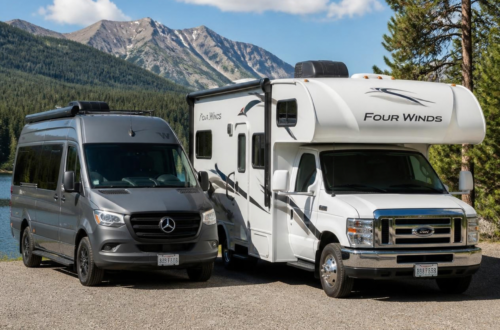
While travel trailers are fantastic, some families prefer a motorhome for their first RV. Here, a Class C really shines as a beginner-friendly option. They’re built on a cutaway chassis, meaning they look a bit like a truck cab with an RV body attached This design generally makes them easier to drive and park compared to larger Class A motorhomes. They feel more like driving a large van or small truck, which can be less intimidating for new RVers. The Thor Freedom Elite 21HEF, for example, has been noted for its manageable size, making it a great pick for 2026 for families new to the motorhome experience. You simply hop in and drive, no hitching required, which simplifies the start of every trip.
When considering the best RV for a family of four, it’s also essential to think about the adventures that await you on the open road. For inspiration on breathtaking routes to explore, check out this article on 10 Scenic RV Drives in the USA You Can’t Miss. These stunning drives can enhance your family RV experience, providing memorable backdrops for your travels and opportunities for exploration along the way.
Understanding RV Types for Families
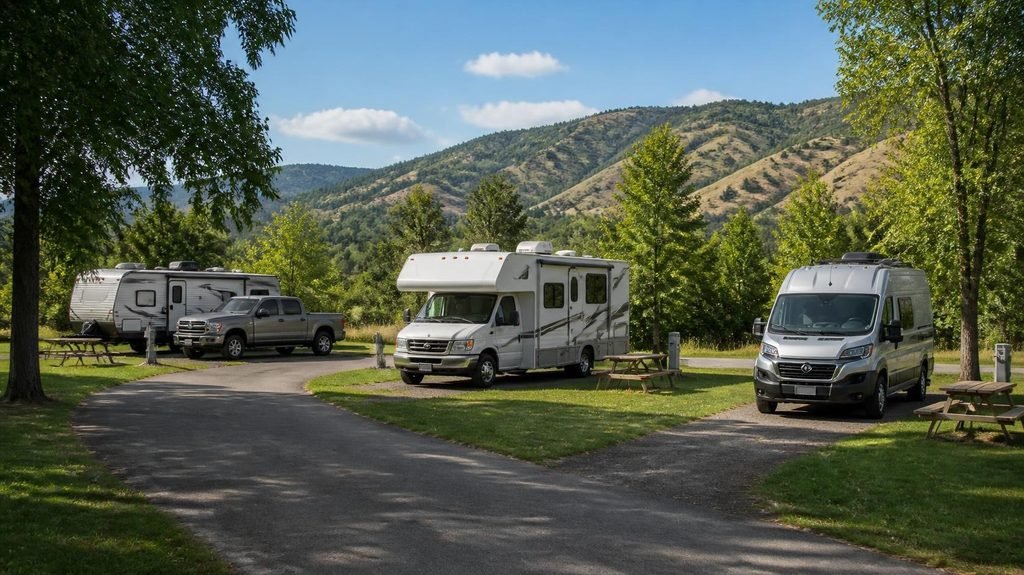
Before we dive deeper into specific recommendations, let’s briefly touch on the main types of RVs you’ll encounter and why some are better suited for a family of four just starting out. Each type has its own set of pros and cons, and understanding these will help you narrow down your choices considerably.
Travel Trailers: Your Towable Home
Travel trailers are non-motorized RVs that you tow behind a truck or SUV. This is where the bunkhouse models we discussed earlier fit in.
Advantages of Travel Trailers
- Cost-Effective: Generally, travel trailers are more affordable to purchase than motorhomes, both new and used. They also generally incur lower expenses for insurance and maintenance
- Flexibility: Once you’ve set up camp, you can unhitch your tow vehicle and use it for day trips, grocery runs, or exploring without having to pack up your entire living space. This is a big plus for most families.
- Variety of Layouts: Travel trailers come in a vast array of floor plans, making it easier to find one that specifically caters to a family of four, especially with the popular bunkhouse configurations.
- No Engine Maintenance on the RV: Since it’s towed, you’re only responsible for maintaining your tow vehicle’s engine, not a second one.
Considerations for Travel Trailers
- Towing Vehicle Required: You’ll need a capable truck or large SUV to safely tow a travel trailer. This means understanding towing capacities, tongue weight, and brake controllers. If you don’t already have one, it will increase the total cost..
- Hitching and Unhitching: There’s a learning curve to hitching, unhitching, and backing up a travel trailer. It takes practice to become proficient.
- Setup Time: While not extensive, setting up a travel trailer (leveling, connecting utilities, extending slides) takes a bit more time than simply parking a motorhome.
Class C Motorhomes: Drive-and-Go Convenience
Class C motorhomes offer a built-in driving experience, combining your living space and transportation into one unit. They’re often seen as a good middle ground between the large Class A and smaller Class B motorhomes.
Advantages of Class C Motorhomes
- Easier to Drive: As mentioned, they feel more like driving a large van or U-Haul truck, making them less daunting for new RV drivers compared to a large Class A.
- All-in-One Unit: No hitching or unhitching required. You just start it up and go. This makes spontaneous trips and quick stops much simpler.
- Accessibility While Traveling: Passengers can move around, use the restroom, or grab snacks from the fridge while the RV is in motion (safely, of course).
- Good for Shorter Trips: Their convenience makes them excellent for weekend getaways or shorter family adventures.
Considerations for Class C Motorhomes
- One Vehicle for Everything: Once you’ve parked, your motorhome is your only mode of transport. This means if you want to explore the local town, you either drive the whole RV or you bring bikes, or rely on public transport/taxis. Many Class C owners tow a small car (a “toad”) for this reason, which adds to the setup and cost.
- Higher Cost: Generally more expensive to purchase, insure, and maintain than travel trailers due to having an engine, transmission, and a more complex chassis.
- Fuel Economy: Motorhomes typically get lower fuel mileage than your average tow vehicle, which can add up on longer trips.
Campervans (Class B): Compact & Agile
While often smaller, some campervans are designed to accommodate a family of four. The Auto-Sleeper Active FL635, for instance, was recognized in 2026 as a top campervan for a family of 4.
Advantages of Campervans
- Easy to Drive and Park: They are the most maneuverable of all RV types, often fitting into regular parking spaces. They drive much like a large van.
- Stealth Camping Potential: Their unassuming appearance can make them suitable for urban stealth camping (where permitted).
- Fuel Efficiency: Generally the most fuel-efficient of the motorhome classes.
Considerations for Campervans
- Limited Space: This is the biggest trade-off. While some are clever with sleeping arrangements, living space, kitchen, and bathroom facilities will be much more compact. This can be a challenge for a family of four, especially on longer trips or during bad weather.
- Storage: Storage is at a premium, requiring careful packing and organization.
- Fewer Amenities: You’ll find smaller holding tanks, less powerful air conditioning, and often more basic kitchen and bathroom setups compared to larger RVs.
Key Features to Prioritize for Family Comfort
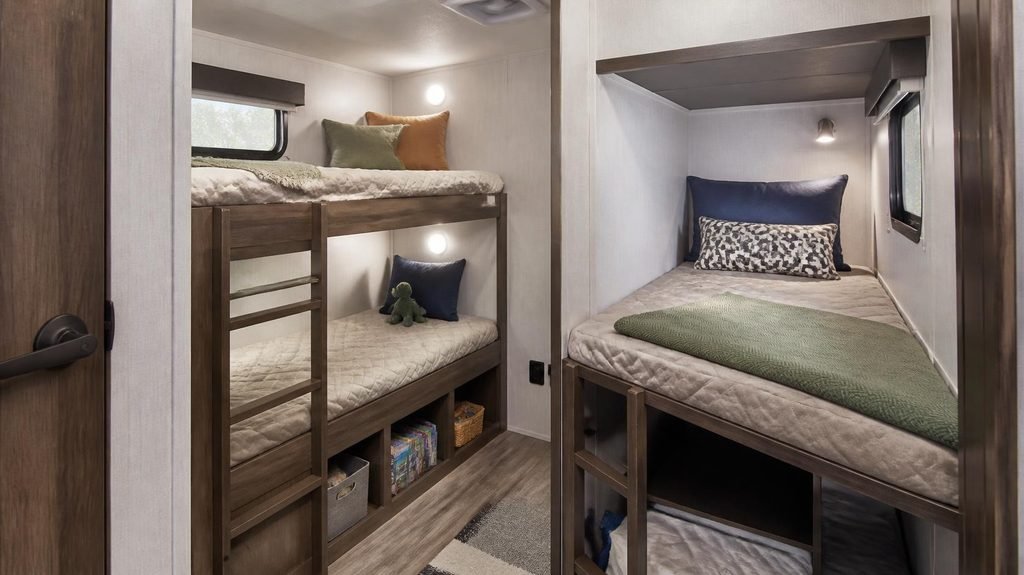
When you’re out there looking at different models, it’s easy to get caught up in shiny features. But for a family of four, especially first-timers, certain practical elements will make a much bigger difference to your overall enjoyment.
Sleeping Arrangements: Everyone Needs a Spot
This is arguably the most critical aspect. For a family of four, you need four comfortable and dedicated sleeping spots, not just four places that “could technically” sleep someone.
Dedicated Bunk Beds for Kids
This is a game-changer. Stacked double bunks are fantastic as they give kids their own space, often with a window and a small light. This layout, common in bunkhouse travel trailers, provides a clear sleeping zone for children, making bedtime routines smoother and giving parents privacy. Look for bunks that are reasonably wide and long, even for younger kids, as they’ll grow quickly.
Private Bedroom for Parents
Having a queen or even a full-size bed in a separate, private area is a huge plus. This isn’t just about intimacy; it’s about having a quiet zone away from the kids for reading, winding down, or just having a moment to yourselves. A solid door is ideal, but a heavy curtain can also suffice if the layout is good.
Convertible Dinettes/Sofas as Backup
While dedicated beds are best, convertible dinettes or sofas can provide extra sleeping space in a pinch or for guests. However, don’t rely on these as primary beds for your kids on every trip, as setting them up and taking them down daily can become tiresome.
Kitchen and Dining: Fueling the Adventure
Eating out constantly can quickly drain your vacation budget. A functional kitchen is essential for family RVing.
Adequate Counter Space and Storage
Even a small RV kitchen needs enough counter space for basic meal prep. Look for flip-up counters or covers for the sink/stove to maximize this. Pantry space for groceries is also key.
Refrigerator Size Matters
A larger RV refrigerator (often double-door in larger travel trailers and Class Cs) means fewer trips to the grocery store and more room for drinks and snacks.
Dinette Area
A comfortable dinette where everyone can sit and eat together is important. Some dinettes convert to a bed, as mentioned, but ensure it’s still a functional eating space when not in use for sleeping.
Bathroom Facilities: The Practical Necessity
Having your own bathroom is one of the biggest perks of RVing, especially with kids.
Wet Bath vs. Dry Bath
A dry bath has a separate shower, toilet, and sink, much like a traditional home bathroom. A wet bath combines the shower and toilet into one space, meaning everything gets wet when you shower. For a family of four, a dry bath offers more comfort and usability, but wet baths are common in smaller RVs like campervans or shorter travel trailers to save space.
Black Tank Capacity
This refers to the waste tank for the toilet. A larger black tank means you can go longer between needing to dump, which is a major convenience, especially when boondocking or at parks without full hookups.
Storage: Don’t Underestimate It
Families come with a lot of stuff: clothes, toys, gear, food, towels.
Interior Storage
Look for ample cabinets, drawers, and wardrobes. Designated spots for shoes and coats near the door can also be very helpful.
Exterior Storage (Pass-Through)
Pass-through storage compartments that go all the way through the width of the RV are invaluable for larger items like camping chairs, outdoor rugs, fishing gear, or even portable grills.
Understanding Weight and Towing (for Travel Trailers)
If you’re leaning towards a travel trailer, understanding weight is paramount. It’s not just about what your vehicle can pull, but what it can pull safely and comfortably.
Gross Vehicle Weight Rating (GVWR)
This is the maximum allowable weight of the fully loaded RV, including all passengers, cargo, water, and propane. Never exceed this number.
Dry Weight vs. Gross Vehicle Weight
- Dry Weight (or Unloaded Vehicle Weight – UVW): This is the weight of the RV as it leaves the factory, empty of water, propane, and cargo.
- Gross Vehicle Weight (GVW) / Gross Vehicle Weight Rating (GVWR): This is the dry weight plus the weight of all your personal belongings, water, propane, and anything else you load into the RV. You’ll always be traveling closer to your GVWR than your UVW.
Towing Capacity of Your Vehicle
Your tow vehicle (truck or SUV) has a specific maximum towing capacity. You need to ensure this capacity safely exceeds the GVWR of any travel trailer you’re considering. Don’t just match it; aim for a buffer. It’s not just about pulling the weight, but being able to stop it and control it in various conditions.
Tongue Weight
This is the downward force exerted by the trailer’s hitch on your tow vehicle’s hitch receiver. It’s usually 10-15% of the trailer’s total weight. Too little tongue weight can cause sway, and too much can overload your tow vehicle’s rear axle. A weight distribution hitch is often recommended or required for safe travel trailer towing.
When considering the best first RV for a family of four, it’s essential to weigh the advantages of renting versus buying. A helpful resource on this topic can be found in a related article that discusses the factors influencing this decision in 2026. You can read more about it in the article on renting versus buying an RV, which provides insights that can guide families in making the right choice for their adventures.
Top Picks & Best First RV for Family of 4
| RV Model | Type | Sleeping Capacity | Length (ft) | Fuel Type | Key Features | Estimated Weight (lbs) |
|---|---|---|---|---|---|---|
| Winnebago Minnie Plus 27BHSS | Travel Trailer | 4-6 | 31 | None (Tow Vehicle) | Bunk beds, full kitchen, outdoor kitchen option | 6,500 |
| Forest River Forester 2861DS | Class C Motorhome | 4-6 | 29 | Gasoline | Slide-out, bunk beds, full bathroom | 12,500 |
| Jayco Jay Flight SLX 8 264BH | Travel Trailer | 4-6 | 29 | None (Tow Vehicle) | Bunk beds, dinette, lightweight design | 5,200 |
| Coachmen Leprechaun 260DS | Class C Motorhome | 4-6 | 27 | Gasoline | Bunk beds, slide-out, full kitchen | 11,000 |
| Grand Design Imagine XLS 22RBE | Travel Trailer | 4 | 26 | None (Tow Vehicle) | Rear bath, queen bed, lightweight | 5,000 |
Let’s get into some specific examples and types that consistently get high marks for families just starting out.
The Bunkhouse Travel Trailer Sweet Spot (20-32 ft)
This category consistently comes up as the “best overall family fit.”
Jayco 250BH or Go Play 26BH
These models represent the ideal balance. They typically feature a private queen bed for parents at one end and a dedicated bunkhouse with stacked double bunks at the other. This separation offers privacy and quiet. The living area usually includes a dinette and often a sofa, providing space for everyone to relax. Their length (around 25-26 ft box length, not including the hitch) is long enough for comfort but still manageable for towing with a properly equipped half-ton truck or heavy-duty SUV. They hit the sweet spot for balancing space, weight, and affordability.
Rear Bunkhouse/Double-Size Bunks (around 20-25 ft)
For families wanting a slightly more compact travel trailer, models around 20-25 ft with a rear bunkhouse or double-size bunks are a great option. These can be easier to maneuver and potentially towed by a wider range of vehicles. The compromise might be a slightly smaller living area or a wet bath, but for many, the trade-off for easier towing is worth it.
Coleman Lantern 251TQ
If you’re looking for a more entry-level option that still sleeps four, the Coleman Lantern 251TQ is presented as a viable choice. While specific details on its bunk configuration aren’t universally stated, it’s designed to provide sleeping room for four. Coleman is known for producing accessible and often more budget-friendly RVs, making it a good starting point for families who want to keep initial costs down.
Beginner-Friendly Class C Motorhome
If the idea of towing doesn’t appeal to you, a Class C is a fantastic alternative.
Thor Freedom Elite 21HEF
This model is frequently highlighted for its manageable size, making driving and parking much easier for novices. At around 21 feet, it’s compact enough to navigate smaller roads and parking lots, yet still offers dedicated sleeping areas, typically an over-cab bunk (which kids absolutely love!), a rear corner bed, and a convertible dinette. While the bathroom might be a wet bath in such a compact model, the convenience of a motorhome for quick getaways is unmatched. It minimizes the learning curve often associated with towing.
The Compact Campervan for Agile Adventures
For families who prioritize maneuverability and a smaller footprint, but still need to fit four, certain campervans stand out.
Auto-Sleeper Active FL635
Named a top campervan for a family of 4, the Auto-Sleeper Active FL635 demonstrates that even smaller vehicles can be designed for family use. Campervans will always be a tighter squeeze, so expect clever transforming beds (pop-top roofs for sleeping, convertible bench seats). The trade-off for less space is unparalleled ease of driving, parking, and often better fuel economy. This option suits families who plan to spend most of their time outdoors and use the RV mainly for sleeping, cooking basic meals, and as a comfortable base camp.
Final Considerations for First-Time Buyers
Beyond the specific RV type and model, there are a few practical points that first-time RV families should definitely keep in mind.
Budgeting Beyond the Purchase Price
The cost of an RV isn’t just the sticker price. Factor in:
- Insurance: RV insurance can vary widely depending on the type and your location.
- Maintenance: Like any vehicle, RVs need regular maintenance, especially the engine (for motorhomes) and the house systems (plumbing, electrical, appliances for all RVs).
- Storage: If you don’t have space at home, you’ll need to budget for off-site RV storage.
- Fuel: RVs, especially motorhomes and tow vehicles, consume a lot of fuel.
- Camping Fees: Campground fees can range from free (boondocking) to over $100 per night for resort-style parks.
- Accessories: You’ll need hoses, power cords, leveling blocks, dishes, bedding, and more.
Rent Before You Buy
Seriously, this is one of the best pieces of advice. Renting an RV similar to what you’re considering for a weekend or a week can give you invaluable insight into what works (and what doesn’t) for your family. Do the kids fight over the bunks? Is the kitchen big enough? Do you feel comfortable driving/towing? It’s a small investment that can prevent a much larger, regrettable purchase.
Join Online Communities and Forums
There are countless online groups, forums, and social media communities dedicated to RVing, and specifically to family RVing. These are fantastic resources for asking questions, getting real-world advice, and learning from others’ experiences. You can often find specific insights on models you’re interested in.
Don’t Overpack
This is a tough one for families, but critical. Every extra pound reduces your fuel efficiency and adds strain to your RV or tow vehicle. Be ruthless with what you bring. Remember, you’re camping, not moving.
Choosing your first RV is an exciting step towards making lasting family memories. By focusing on practical needs, understanding the different types, and prioritizing comfort and safety, you’ll be well on your way to finding the perfect rig to start your RV adventures.
FAQs
1. What is the best type of RV for a family of 4?
The best type of RV for a family of 4 is typically a Class C motorhome. It offers enough space for a family, including sleeping areas, a kitchen, a bathroom, and living space.
2. What are some important features to look for in an RV for a family of 4?
Important features to look for in an RV for a family of 4 include bunk beds or a convertible dinette for the kids, a separate master bedroom for the parents, a kitchen with adequate storage and appliances, and a bathroom with a shower.
3. How important is storage space in an RV for a family of 4?
Storage space is crucial in an RV for a family of 4 as it allows you to bring along all the necessary items for your trip, such as clothes, food, toys, and outdoor gear. Look for RVs with ample storage both inside and outside.
4. Is it better to buy a new or used RV for a family of 4?
Whether to buy a new or used RV for a family of 4 depends on your budget and preferences. A new RV may offer the latest features and warranties, while a used RV could be more affordable but may require more maintenance.
5. What are some recommended RV brands for families of 4?
Some recommended RV brands for families of 4 include Jayco, Winnebago, Forest River, Thor Motor Coach, and Coachmen. These brands offer a variety of models suitable for family travel with adequate amenities and space.