
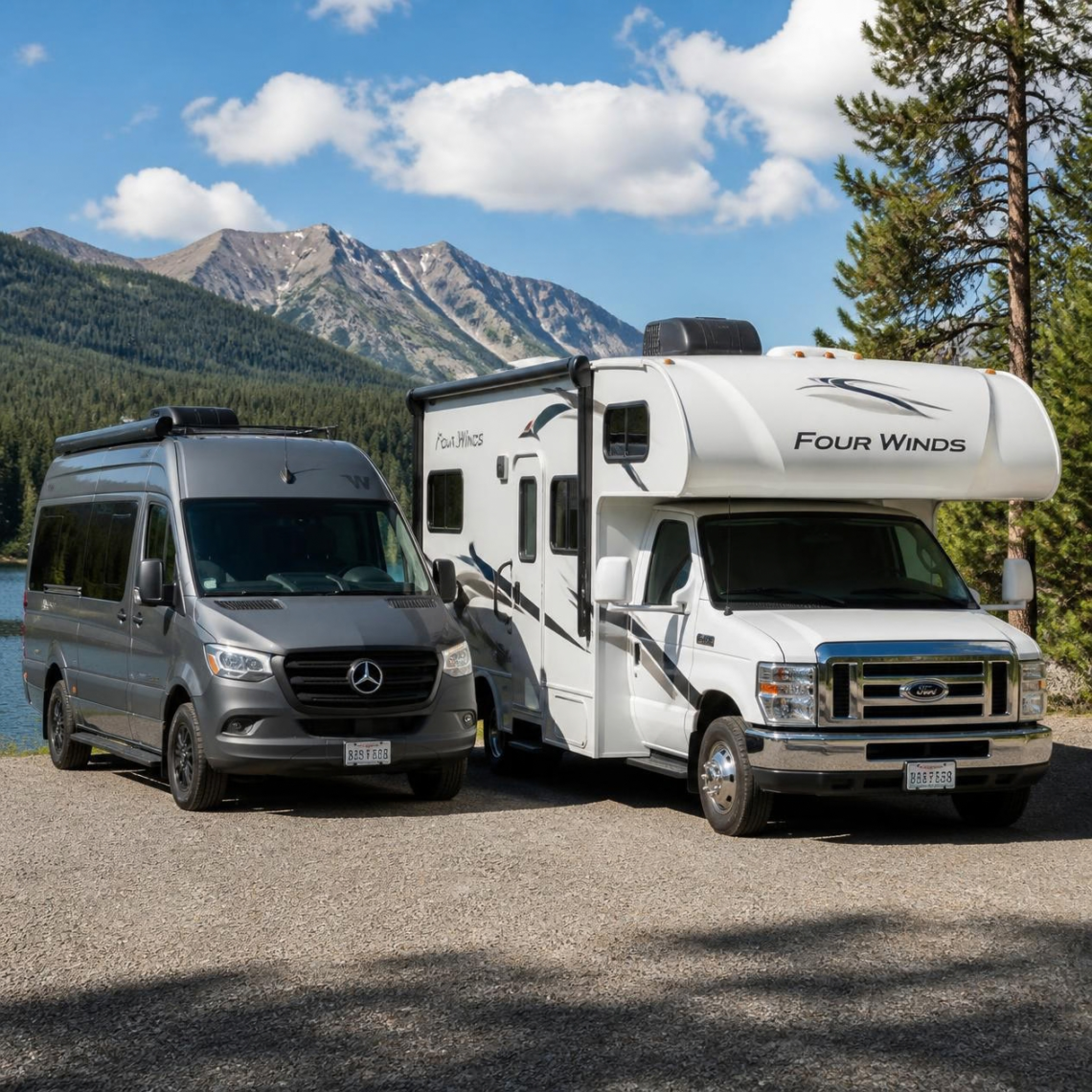
For beginners, deciding between a Class B vs Class C RV often comes down to a trade-off between maneuverability and living space. If you’re looking for something that drives more like a large van, is easier to park, and offers better fuel economy, a Class B is generally your best bet. However, if more living space, a larger sleeping capacity, and a potentially lower upfront cost are higher on your priority list, especially if you’re traveling with family, a Class C will likely be the better choice. Let’s break down the details to help you figure out which one fits your adventure style.
Table of Contents
Understanding the Basics: Class B vs. Class C
When you’re new to the RV world, the alphabet soup of Class A, B, and C can be a bit confusing. For now, we’ll focus on the two most popular choices for beginners: Class B and Class C motorhomes. Both are self-contained units, meaning they have a kitchen, bathroom, and sleeping areas, but they differ significantly in their construction, size, and how they feel on the road.
What is a Class B RV?
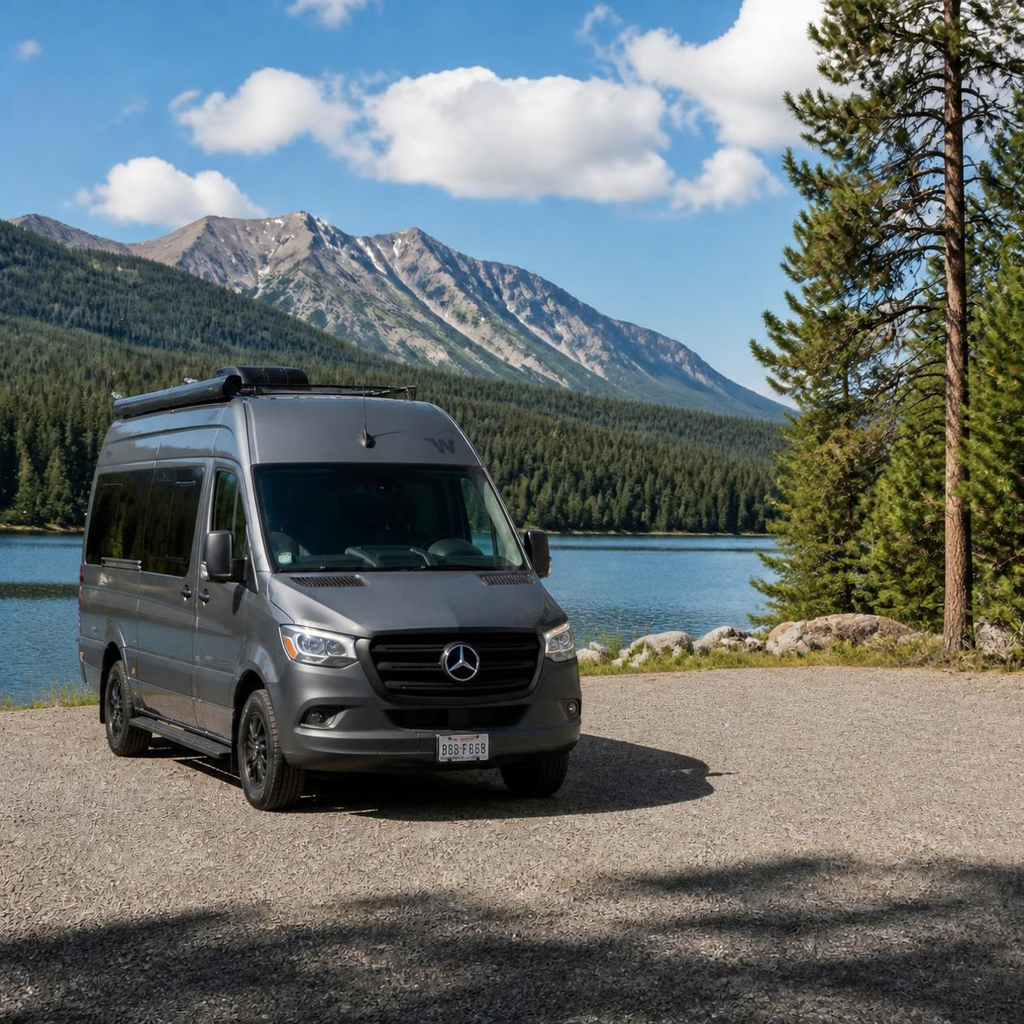
Think of a Class B RV as a tricked-out, highly functional van. It’s built on a conventional van chassis, like a Mercedes Sprinter, Ford Transit, or Ram ProMaster, and often retains much of the original van’s exterior profile. The living space is integrated directly into the van’s body. These are often referred to as “campervans” and are the smallest type of motorhome. They’re designed to be nimble and relatively easy to drive, park, and navigate through city streets or smaller campsites.
What is a Class C RV?
A Class C RV, on the other hand, is built on a cutaway chassis, which means the front of a truck or van (cab and engine) is combined with a separate, wider body built directly onto the frame behind it. You’ll instantly recognize a Class C by its distinctive “cab-over” bunk area that extends over the driver’s compartment. This design allows for more interior width and height compared to a Class B, translating into more living space, storage, and often more sleeping capacity. They essentially offer a good balance between the massive Class A motorhomes and the compact Class B vans.
If you’re new to RVing and trying to determine what size RV is right for you, a related article can help you compare compact, mid-size, and larger models. It explores how RV size affects maneuverability, driving comfort, interior living space, storage, fuel efficiency, and campsite options. By understanding these differences, beginners can make a more informed choice based on their travel plans, comfort level, and everyday needs.. For more insights, check out the article on what size RV do you really need Here.
Key Differences for New RVers
Let’s dive into the practical distinctions that matter most when you’re just starting your RV journey. These points often become the deciding factors for first-time buyers.
Driving Experience and Maneuverability
This is where Class B RVs really shine for beginners. Because they are built on a van chassis, they drive very much like a large SUV or a full-size van. You’re sitting in a familiar driving position, and the vehicle’s footprint isn’t drastically different from what you might be used to. This translates to more confidence on the road, easier parking in regular parking spots (though sometimes you’ll still need two!), and simpler navigation through tighter turns or crowded areas. If you’re worried about handling a large vehicle, a Class B significantly lowers that learning curve.
Class C RVs, while still manageable for many beginners, are a step up in size and feel. You’re driving something that’s wider, taller, and longer than a typical passenger vehicle. The cab-over bunk can sometimes limit visibility a bit, and you’ll need to be more aware of your surroundings, especially overhead clearances and swing radius in turns. While they don’t feel like driving a bus (that’s more Class A territory), they do require a bit more attention and practice to get comfortable with their dimensions. Parking often requires dedicated RV spots or multiple regular spaces, and navigating narrow roads becomes more of a consideration.
Size and Layout Considerations
The physical size of the RV directly impacts your living experience and where you can go. Class B RVs typically range from about 17 to 24 feet in length. This compact size allows them to fit into many standard parking spots and smaller campsites. Inside, the layout is ingenious, making the most of every inch. You’ll often find clever convertible beds, wet baths (where the shower, toilet, and sink are all in one compact space), and small but functional kitchens. It’s cozy, designed for efficiency, and works best for solo travelers or couples who don’t need a lot of personal space.
Class C RVs offer significantly more room, usually spanning about 20 to 40+ feet in length. This extra space allows for more distinct living areas, larger kitchens, and often a dry bath (where the shower is separate from the toilet and sink). The cab-over bunk provides an additional sleeping area, and many models have dedicated dinettes and sofas. This translates to more comfort, especially on longer trips, and the ability to comfortably accommodate more people. If you’re traveling with kids or anticipate having guests, the extra elbow room and sleeping capacity of a Class C become a major advantage.
Sleeping Capacity
This is often a deciding factor, especially for families. Class B RVs typically sleep 2 to 4 people. Most commonly, it’s a comfortable setup for two adults, with some models offering a convertible dinette or a pop-top that can sleep an additional one or two smaller individuals. The sleeping arrangements are usually in the rear, often converting from a sofa or bench seats.
Class C RVs are much more generous when it comes to sleeping capacity, generally accommodating 4 to 8 people. The cab-over bunk is a primary sleeping area, often fitting two adults or a few children. Beyond that, many Class C models feature a rear master bed, a convertible dinette, and sometimes a pull-out sofa. This makes them a far more practical choice for families, even small ones, as it provides separate sleeping zones and reduces the need to convert living spaces every night.
Fuel Economy
Generally speaking, Class B RVs get better gas mileage than Class C RVs. Because they are smaller, lighter, and more aerodynamic (being based on a van chassis), they require less fuel to move. While RVs aren’t known for their stellar MPG, a Class B might get you into the high teens or even low twenties (miles per gallon) on the highway, depending on the specific model, engine, and driving conditions.
Class C RVs, being larger and heavier, will naturally consume more fuel. Their boxier design and increased weight mean lower MPG figures, typically ranging from 8 to 15 MPG. While this might not seem like a huge difference on a short trip, it adds up quickly on longer journeys, impacting your overall travel budget. For beginners, understanding this ongoing cost is crucial.
Cost Considerations for First-Time Buyers
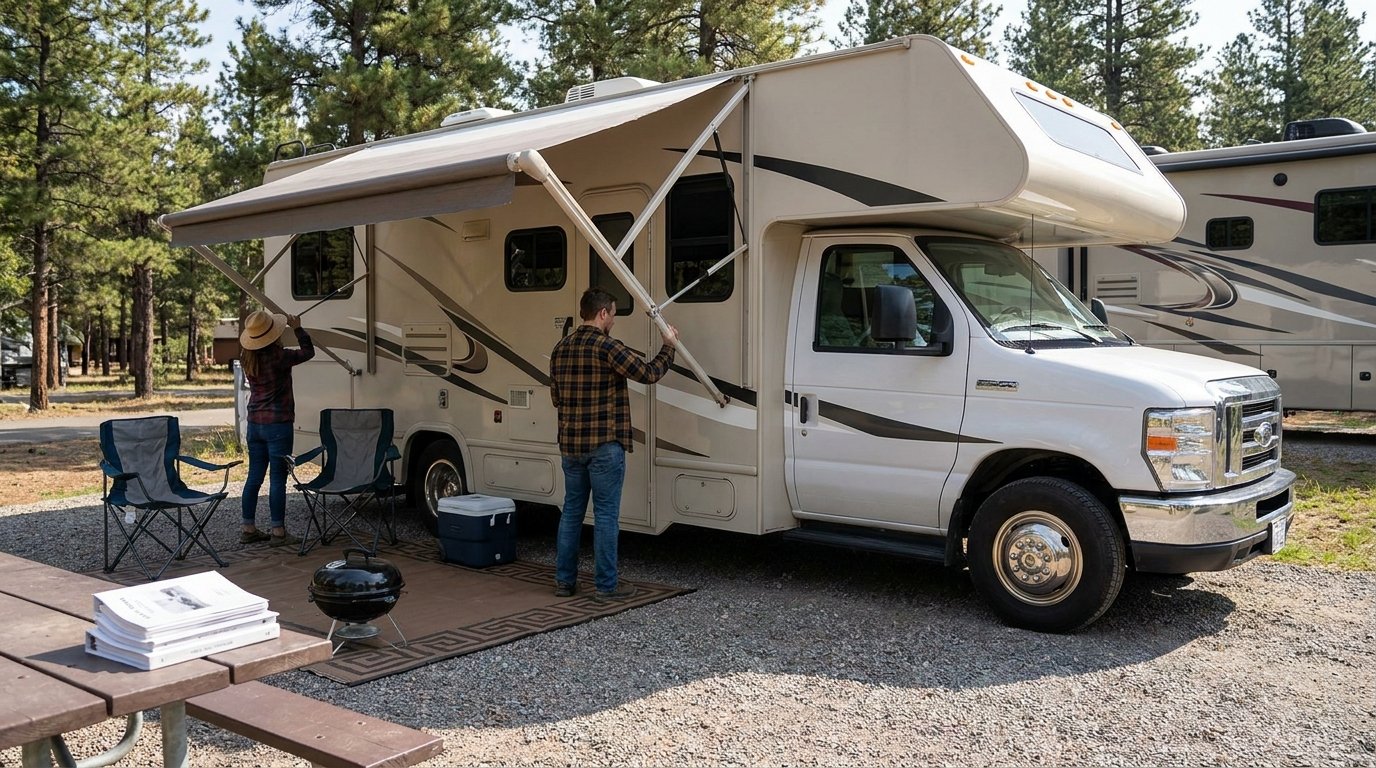
RV ownership involves more than just the purchase price; it includes insurance, maintenance, storage, and, of course, fuel. When comparing Class B and Class C, there are some interesting dynamics, especially for new models.
Purchase Price
Here’s an interesting point that sometimes surprises beginners: Class B RVs, despite being smaller, often have a higher price tag per vehicle than many Class C RVs, especially when new. This is due to the intricate engineering required to pack so much functionality into a compact space, the higher-end components often used, and the premium associated with the van chassis they are built upon. You’re paying for sophisticated space utilization and often more advanced systems. While you can find entry-level Class B models, many tend to be in the upper price range.
Class C RVs, while offering more space and sleeping capacity, are often more “starter-friendly” in terms of their initial purchase price. There’s a wider range of models available, from very basic and affordable options to luxurious ones. This means you can often get more RV for your money with a Class C, making it an attractive option for first-time buyers who want to maximize space without breaking the bank on the initial investment. This trend is still observed in 2026 market comparisons, where Class C generally offers a lower entry point for new buyers compared to Class B.
Insurance, Maintenance, and Other Costs
Insurance for RVs is similar to cars, but factors like size, value, and your driving record play a role. Generally, a more expensive RV will have higher insurance premiums. Maintenance costs will vary, but Class B RVs, being based on readily available commercial van chassis, might sometimes benefit from more accessible parts and mechanics compared to the specialized components of some Class C RVs. However, both will have typical RV-specific maintenance needs like appliance servicing, roof sealing, and plumbing checks.
Storage can also be a factor. Class B RVs, due to their smaller footprint, might fit in a standard driveway or even some larger garages, saving you storage fees. Class C RVs almost always require dedicated RV storage facilities or a very large property.
Practical Scenarios and Recommendations
Let’s look at some common beginner scenarios to help you decide which RV class might be the best fit for your adventure.
Best for Solo Travelers or Couples
If you’re hitting the road alone or with a partner, and your priority is ease of driving, parking, and being able to explore urban areas or smaller state parks without feeling overwhelmed by your vehicle, then a Class B RV is likely your ideal match. You’ll appreciate the ability to pull into a regular parking space for groceries, fit into tighter campsites, and generally have a more car-like experience. The better fuel economy is also a definite plus for those longer road trips where every mile counts. Many manufacturers and rental companies are even expanding compact and beginner-friendly options, including ultra-compact motorhomes aimed precisely at solo travelers and couples, reflecting this demand.
Best for Families or Groups
When you’re traveling with children, or if you envision having friends join you on occasion, a Class C RV becomes a much more practical choice. The increased living space provides room for everyone to spread out, dedicated sleeping areas mean less setup and breakdown each day, and the larger kitchen and bathroom facilities make daily life much more comfortable. For beginner families, the Class C is often recommended because it offers more space and a more “starter-friendly” layout that can accommodate the demands of family travel without requiring you to manage an extremely large vehicle like a Class A. You’ll have more storage for all the gear that comes with kids, and the ability to have a separate sleeping space for them can be invaluable.
Prioritizing Driving Confidence vs. Living Space
This is the core trade-off. If your biggest concern is feeling confident and comfortable behind the wheel, making maneuvering and parking as stress-free as possible, then prioritize the Class B. Its nimble nature will allow you to focus more on the journey and less on handling a large vehicle.
However, if your primary goal is comfort, having enough room to relax, store your belongings, and accommodate everyone without feeling cramped, then the Class C wins out. While it requires a bit more care to drive, the enhanced living experience inside often makes that trade-off worthwhile for many, especially if you plan on spending significant time inside the RV at campsites.
For beginners considering the differences between Class B and Class C RVs, it’s essential to explore various aspects of RV life, including where to park and camp. A great resource for this is an article that highlights some of the best boondocking spots in the Southwest, which can be particularly useful for those new to RVing. You can find it here: best boondocking spots. Understanding these locations can help you make the most of your RV experience, regardless of which class you choose.
Important Considerations for All Beginners
Class B vs Class C RV
| Feature | Class B RV | Class C RV |
|---|---|---|
| Size | 18-24 feet | 20-33 feet |
| Driving Ease | Similar to driving a large van; easier for beginners | Requires more experience due to larger size and truck chassis |
| Fuel Efficiency | Better fuel economy (15-20 mpg) | Lower fuel economy (8-12 mpg) |
| Sleeping Capacity | 2-4 people | 4-8 people |
| Storage Space | Limited storage; compact design | More storage space; larger compartments |
| Price Range | Lower initial cost | Moderate to higher initial cost |
| Maneuverability | Highly maneuverable in tight spaces | Less maneuverable; wider turning radius |
| Maintenance | Van-based; easier and cheaper to maintain | Truck-based; potentially higher maintenance costs |
| Best For | Solo travelers or couples; short trips; urban camping | Families or groups; longer trips; more amenities |
Regardless of whether you choose a Class B or a Class C, there are a few universal tips for first-time RVers.
Rent Before You Buy
This is perhaps the most valuable piece of advice for any RV beginner. Renting both a Class B and a Class C through platforms such as RVshare or Cruise America for a weekend or short trip will give you invaluable real-world experience. You’ll quickly discover which features you truly value, what size feels comfortable to drive, and how much living space you actually need. What looks good on paper might feel very different in practice, so experiencing both RV types firsthand can help you make a confident decision before buying
Practice Driving
Once you get your RV, spend some time in a large, empty parking lot practicing turns, backing up, and understanding your vehicle’s dimensions. Get comfortable with your mirrors and learn where your blind spots are. The more practice you get before hitting the open road or a crowded campground, the more confident and safer you’ll be.
Understand Your Needs
Before you even start looking, sit down and make a list of your non-negotiables. How many people will consistently travel with you? What kind of cooking do you plan to do? Do you need a dedicated workspace? How important is having a separate shower? Your answers to these questions will naturally lead you toward one class over the other. Don’t get swayed by fancy features you don’t need, and conversely, don’t compromise on things that are essential for your comfort and enjoyment.
Budget Beyond the Purchase Price
Remember to factor in all the additional costs: insurance, registration, campsite fees, fuel, maintenance, accessories (like leveling blocks, sewer hoses, freshwater hoses), and potential storage. A realistic budget will prevent unpleasant surprises down the road.
Choosing your first RV is an exciting decision, and both Class B and Class C motorhomes offer fantastic opportunities for adventure. By carefully considering your priorities—whether it’s easy driving and parking or ample living space and sleeping capacity—you can confidently pick the right home-on-wheels for your journey.
FAQs
What is the difference between a Class B and a Class C RV?
A Class B RV is typically smaller and more compact, resembling a large van, while a Class C RV is larger and built on a truck or van chassis with an attached cab section.
Which type of RV is easier to drive, a Class B or a Class C?
Generally, a Class B RV is easier to drive due to its smaller size and more car-like handling, making it a popular choice for beginners or those uncomfortable with driving larger vehicles.
What are the typical amenities found in a Class B RV?
Class B RVs usually come equipped with basic amenities such as a kitchenette, a small bathroom with a toilet and shower, sleeping quarters, and storage space. Some may also have a dining area that converts into an additional sleeping space.
Are Class C RVs more suitable for families compared to Class B RVs?
Yes, Class C RVs are often preferred by families due to their larger size, which allows for more living space and sleeping accommodations. They are also more likely to have separate sleeping areas, making them a more comfortable option for families with children.
Which type of RV is more fuel-efficient, a Class B or a Class C?
Class B RVs are generally more fuel-efficient than Class C RVs due to their smaller size and lighter weight. This can result in cost savings over time, especially for those planning longer trips or frequent travel.