
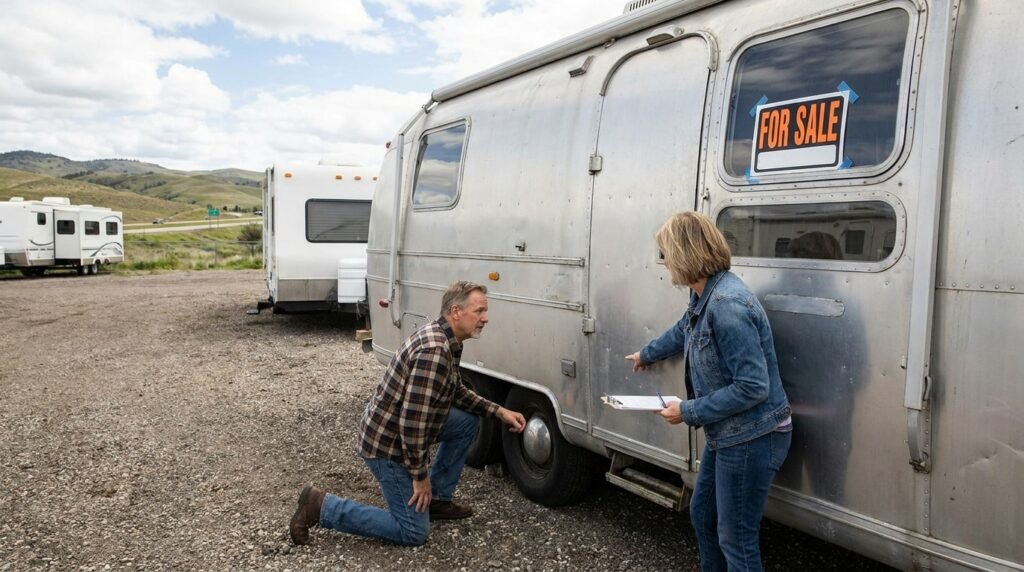
So, is buying a used RV worth it? Generally, yes, it absolutely can be. You can often get a great deal and avoid that big hit of initial depreciation that new RVs suffer. It’s a popular choice right now, with demand for used models still quite strong even as new sales cool down.
Table of Contents
Why Used RVs Make a Lot of Sense
Let’s talk about the big picture here. A used RV can be a smart move for a lot of people. Think about it: you’re getting a fully functional vehicle (or trailer) that someone else has already paid the steepest part of the depreciation curve on. That’s a significant financial advantage.
Avoiding the Depreciation Cliff
One of the biggest reasons to consider a used RV is to skip that painful first-year depreciation. When you drive a new RV off the lot, its value drops pretty quickly, sometimes by as much as 18% to 25% or even more in that first year alone. That’s a substantial chunk of money that you simply don’t get back if you decide to sell it relatively soon. With a used RV, that initial hit has already been absorbed by the previous owner. You’re buying at a point where the depreciation has slowed down considerably, meaning your investment is a bit more stable from the get-go. This makes a used RV a more financially sound option for many, especially if you’re not entirely sure how long you’ll keep it or how much you’ll use it.
Current Market Dynamics for Used RVs
It’s interesting to look at what’s happening in the market right now. While new RV sales have seen a bit of a slowdown, demand for used RVs is still quite robust, even looking ahead to 2026. We’re seeing reports of sales and registrations for used units actually rising. This strong demand means that while prices aren’t exactly crashing, they are starting to normalize after the peaks we saw a few years back. For instance, wholesale used values have softened a bit, particularly for towables like travel trailers and fifth wheels. Motorhomes, on the other hand, seem to be holding their value a bit better. This isn’t a market where you’ll find rock-bottom prices on everything, but it is a more reasonable market than it was, offering better opportunities for buyers.
Finding the “Sweet Spot” Age
If you’re going to dive into the used market, you’ll hear a lot about finding the “sweet spot.” Many analysts point to RVs that are about 2 to 5 years old as being ideal. Why this range? Because these late-model used RVs often provide a near-new experience without the near-new price tag. They’ve typically had their initial bugs worked out, might still be under some factory warranty (or just outside it), and have already taken that big depreciation hit. You get modern features, good condition, and significantly lower cost than buying brand new. It’s a great way to maximize your budget and get a lot of RV for your money.
If you’re considering the pros and cons of purchasing a used RV, you might find it helpful to read a related article that delves into the various factors to consider before making such a significant investment. This article provides insights into the potential savings and pitfalls of buying a pre-owned vehicle, helping you make an informed decision. For more information, check out the Smart Buyer’s Guide.
The Trade-offs and Risks of Buying Used
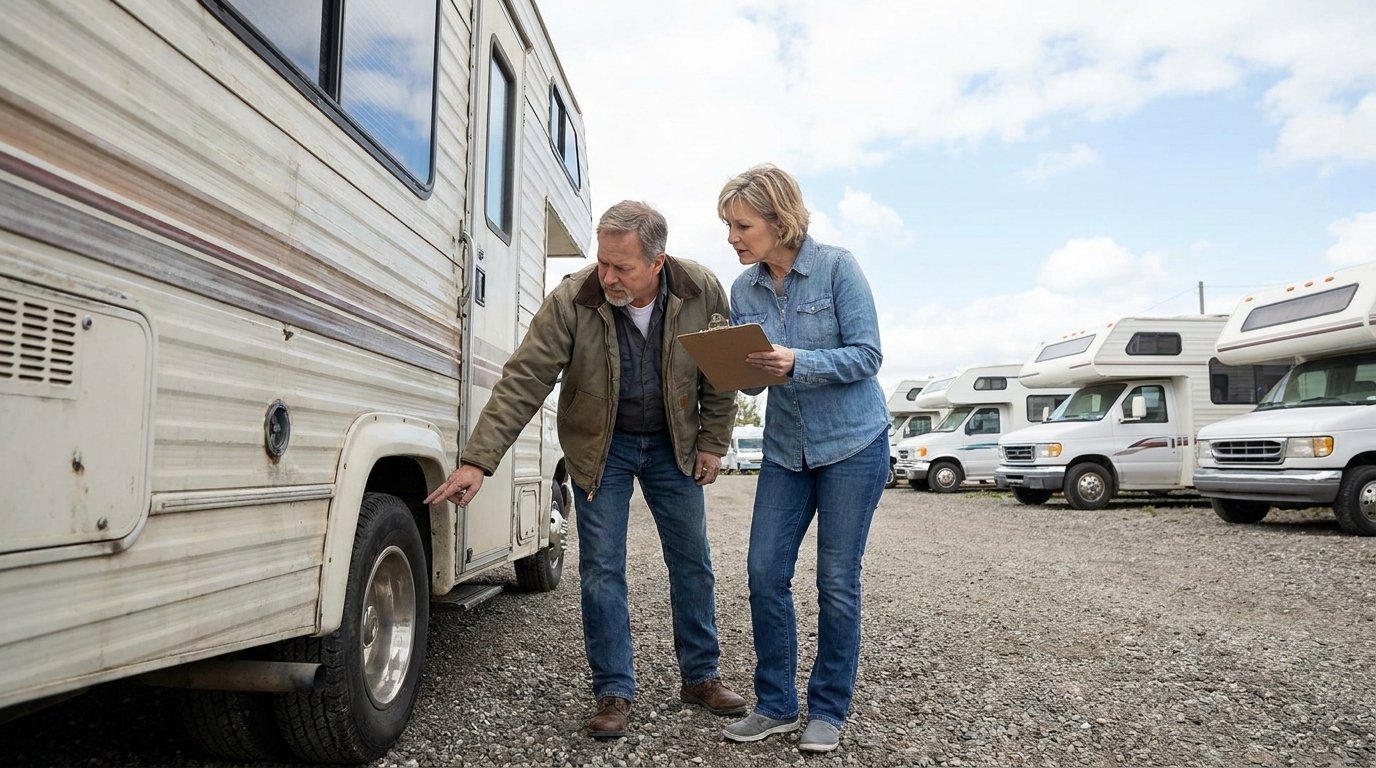
While the financial benefits of a used RV are clear, it’s not all sunshine and savings. There are inherent risks that come with buying anything pre-owned, and RVs are no exception. Being aware of these potential pitfalls is key to making a smart purchase.
Common Problems to Watch Out For
When you’re looking at a used RV, you’re inheriting its history, and that history can sometimes include problems. Some issues pop up more frequently than others. Water damage is a big one. It can be hidden behind walls or under flooring and can lead to expensive repairs, mold issues, and structural integrity problems. Always be on the lookout for water stains, musty smells, or soft spots.
Roof issues are closely related; a poorly maintained roof is a prime culprit for water intrusion. Check seals, look for cracks, and inspect any rooftop fixtures. Tires are another area often overlooked. RV tires can look fine but be old and dry-rotted, which is a major safety hazard. Sealant failures around windows, doors, and seams are also common; these are crucial for keeping the elements out. Finally, neglected maintenance can lead to a whole host of mechanical problems, from engine issues in motorhomes to appliance malfunctions in any RV.
The Importance of Thorough Inspection
Given the potential for hidden problems, a thorough inspection isn’t just recommended; it’s essential. This isn’t just a quick walk-through. If you’re serious about a particular RV, you should consider hiring a certified RV inspector. These professionals know exactly what to look for, from structural integrity to electrical systems, plumbing, and appliances. They can spot issues that an untrained eye would easily miss, potentially saving you thousands of dollars in future repairs or preventing you from buying a lemon. Think of it as an investment that protects a much larger investment.
Digging into Service and Maintenance Records
Another critical piece of the puzzle is the RV’s service and maintenance history. Just like with a used car, a well-documented history of regular maintenance is a strong indicator that the previous owner took good care of the vehicle. Look for records of oil changes, generator service, appliance maintenance, roof inspections, and any repairs. If an owner can’t provide any records, it’s a red flag. It doesn’t necessarily mean the RV is bad, but it does increase the risk, as you have no idea how well it was cared for. A lack of records might also give you some leverage in price negotiation.
What to Consider Before You Buy
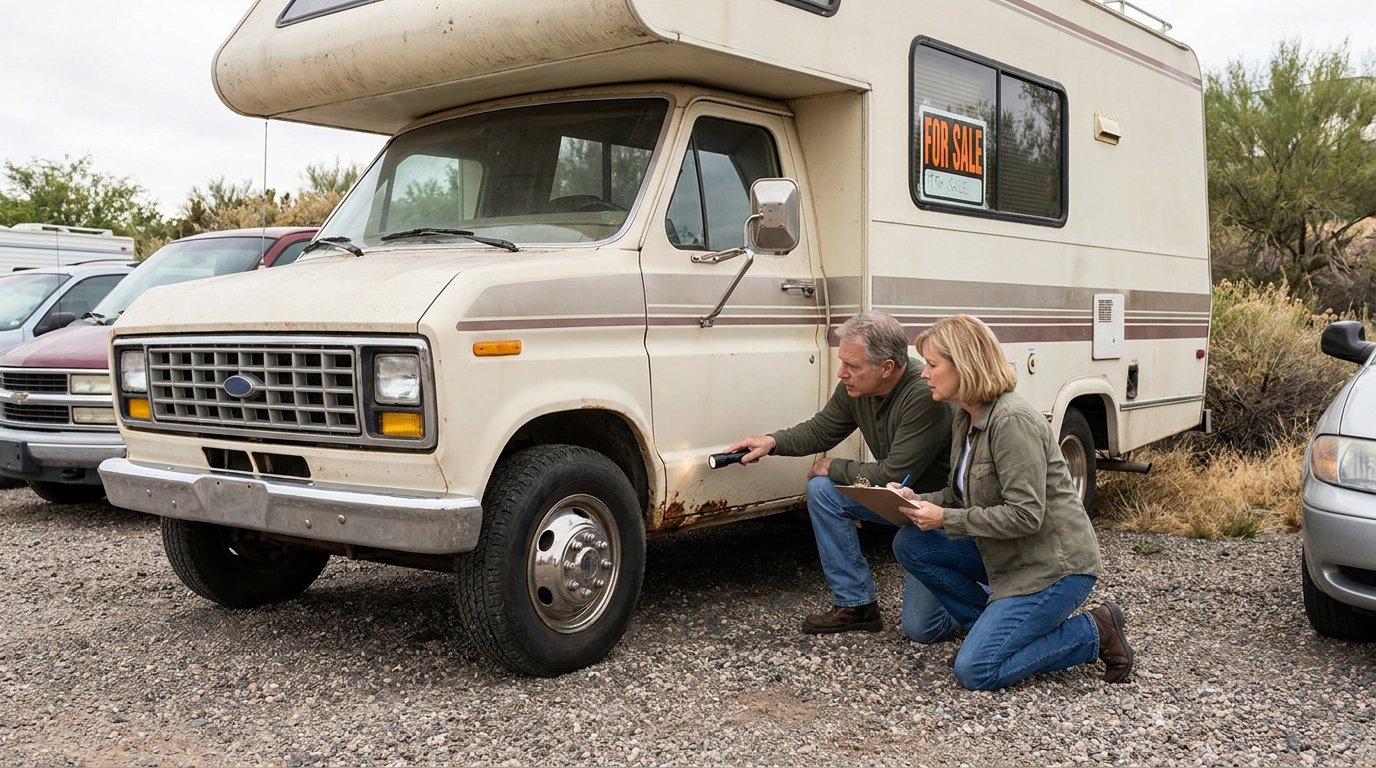
Before you even start looking at specific RVs, it’s a good idea to sit down and figure out what you really need and want. This will help narrow down your search and prevent you from getting overwhelmed by the sheer variety of options out there.
Your RVing Goals and Lifestyle
Think about how you plan to use the RV. Are you a weekend warrior, taking short trips a few times a year? Or are you planning extended road trips, maybe even full-timing? Your lifestyle will dictate the type, size, and features you need. If you’re just doing short trips, a smaller travel trailer or a pop-up might be perfect. For longer trips or living in it, you’ll likely want more space, better insulation, and more robust systems, which might point you towards a larger fifth wheel or a motorhome. Consider who will be traveling with you – a couple, a family with kids, or even pets – as this impacts sleeping arrangements and living space.
Budgeting Beyond the Purchase Price
It’s easy to focus solely on the sticker price of the RV, but that’s just the beginning of your expenses. You need to budget for much more. This includes insurance, which can vary widely based on the RV type and your coverage. Registration and licensing fees are also ongoing costs. Then there’s maintenance – even a well-maintained used RV will need regular upkeep, and unexpected repairs can pop up. Don’t forget storage costs if you don’t have space at home, and of course, fuel, which can be a significant expense, especially for larger motorhomes. Factor in campground fees, propane, and other consumables. Having a realistic budget for all these ongoing costs will prevent financial surprises down the road.
Towing Capacity (for Towables)
If you’re considering a travel trailer, fifth wheel, or pop-up, your tow vehicle is a critical piece of the puzzle. You absolutely must know your vehicle’s towing capacity before you start looking at trailers. This isn’t just about whether your truck can pull it, but whether it can do so safely and legally. Overloading your tow vehicle is dangerous, damages your vehicle, and can lead to accidents. You need to understand gross vehicle weight rating (GVWR), gross combined weight rating (GCWR), tongue weight, and payload capacity. Never just look at the dry weight of a trailer; always consider its GVWR, which is the maximum loaded weight. It’s often best to aim for a trailer that’s well within your tow vehicle’s limits, leaving some buffer for cargo.
Where to Look for a Used RV
Once you know what you’re looking for, the next step is finding it. There are several avenues to explore, each with its own advantages and disadvantages.
Dealerships vs. Private Sellers
You essentially have two main options: RV dealerships or private sellers. Dealerships offer convenience, as they often have a wide selection of RVs in one place, may offer financing, and sometimes provide warranties on their used units. They also handle the paperwork. However, you’ll typically pay more at a dealership because they have overhead costs and need to make a profit.
Private sellers, on the other hand, often offer lower prices because they don’t have those overheads. You might also get a more candid history of the RV directly from the owner. The downside is that you’re buying “as is,” usually without any warranty. You’ll need to be more diligent with inspections and handling paperwork yourself. It’s also more work to find the right private seller, as you’ll be traveling to individual locations.
Online Marketplaces and Specialty Sites
The internet has made finding used RVs much easier. General online marketplaces like Facebook Marketplace, Craigslist, and eBay can be great resources, especially for private sellers. You can often find local listings and sometimes even score good deals if you’re quick and savvy. However, be aware of scams and always inspect in person before committing.
There are also dedicated RV sales websites like RVUSA, RV Trader, and RVT.com. These sites often list RVs from both dealerships and private sellers, giving you a wider reach. They usually have more specific filters to help you narrow down your search by type, length, price, and location. These platforms tend to be more trustworthy for RV transactions than general marketplaces, but the same rules apply: inspect thoroughly, and if it seems too good to be true, it probably is.
Auctions and Consignment Lots
Another option, though often with higher risk, is RV auctions. You can sometimes find excellent deals at auctions, but you usually can’t thoroughly inspect the RV before bidding, and sales are typically final. This is generally for experienced buyers who know what they’re looking for and are comfortable with potential repairs.
Consignment lots are places where owners leave their RVs to be sold by a dealer. The dealer handles the sale for a fee, and the RV is still owned by the private party until it sells. This can sometimes offer a middle ground: you might get a slightly better price than a full dealership markup, but you might also have limited recourse if issues arise, as the dealer is just facilitating the sale. Inspection is still paramount here.
If you’re considering the financial implications of purchasing a used RV, you might also want to explore the advantages and disadvantages of renting versus owning an RV. This comparison can provide valuable insights into whether buying a used RV is truly worth it for your lifestyle and budget. For more information, check out this article on renting vs owning an RV.
Making the Final Decision
| Metric | New RV | Used RV | Notes |
|---|---|---|---|
| Average Purchase Price | 100,000 | 60,000 | Used RVs typically cost 40% less than new models |
| Depreciation Rate (First Year) | 20% | 5% | New RVs lose value faster initially |
| Maintenance Costs (Annual) | 1,000 | 1,500 | Used RVs may require more upkeep |
| Warranty Coverage | 3-5 years | Varies / Often expired | New RVs come with full warranty |
| Insurance Costs (Annual) | 1,200 | 900 | Used RVs generally have lower insurance premiums |
| Customization Options | High | Limited | New RVs can be customized at purchase |
| Availability of Features | Latest models and tech | Older technology | New RVs have newest amenities |
| Resale Value | Lower after initial depreciation | More stable | Used RVs depreciate slower after initial drop |
After all the research, inspections, and considerations, it comes down to making that final choice. The “best” RV is the one that fits your specific needs and budget.
New vs. Used: When Each Makes Sense
The decision between new and used really boils down to your priorities. If the lowest upfront cost is your absolute top priority, a used RV almost always wins. You save significantly on the purchase price and avoid that heavy first-year depreciation. This makes it ideal for those trying out the RV lifestyle, or those on a tighter budget.
However, a new RV might make more sense if you really want the latest factory features, like cutting-edge technology, new floor plans, or specific amenities that aren’t available in older models. If you plan to keep the RV for a very long time (say, 10+ years), the higher initial cost of a new RV might be offset by the longer warranty periods and the peace of mind of being the first owner. You also get to customize it from the factory, choosing colors, fabrics, and options precisely to your taste. There’s also the full factory warranty on a new unit, which can cover major issues that might pop up.
The Value Proposition of Used RVs
Ultimately, the value proposition of a used RV is incredibly strong for many people. You’re getting a significant asset for potentially tens of thousands of dollars less than its new counterpart. The fact that demand for used RVs is still strong, and prices are normalizing rather than crashing, indicates that they continue to be a smart investment for many buyers. While you trade off some risk (which can be mitigated with thorough inspections), you gain substantial financial savings.
For a lot of folks, especially those looking at those 2-5-year-old models, a used RV offers a nearly identical experience to a new one, but at a fraction of the cost. You get to enjoy all the adventures of RVing without the heavy financial burden of that initial depreciation hit. So, yes, buying a used RV is often very much worth it, provided you do your homework and buy wisely.
FAQs
1. What are some advantages of buying a used RV?
Buying a used RV can be more cost-effective than purchasing a new one. Additionally, used RVs may have already depreciated in value, meaning you may not experience as much depreciation during your ownership.
2. What should I consider before buying a used RV?
Before purchasing a used RV, it’s important to thoroughly inspect the vehicle for any signs of wear and tear, water damage, or mechanical issues. You should also consider the maintenance history, mileage, and overall condition of the RV.
3. Are there any risks associated with buying a used RV?
One risk of buying a used RV is the potential for unexpected repairs or maintenance costs. Additionally, some used RVs may have hidden issues that are not immediately apparent, so it’s crucial to conduct a thorough inspection before making a purchase.
4. How can I ensure I’m getting a good deal on a used RV?
To ensure you’re getting a good deal on a used RV, research the market value of the specific make and model you’re interested in. You can also consider getting a professional inspection or requesting maintenance records to verify the condition of the RV.
5. What are some tips for buying a used RV?
When buying a used RV, it’s important to take your time, ask questions, and not rush into a purchase. Consider your budget, needs, and preferences before making a decision, and don’t hesitate to negotiate the price or ask for additional information before finalizing the sale.